

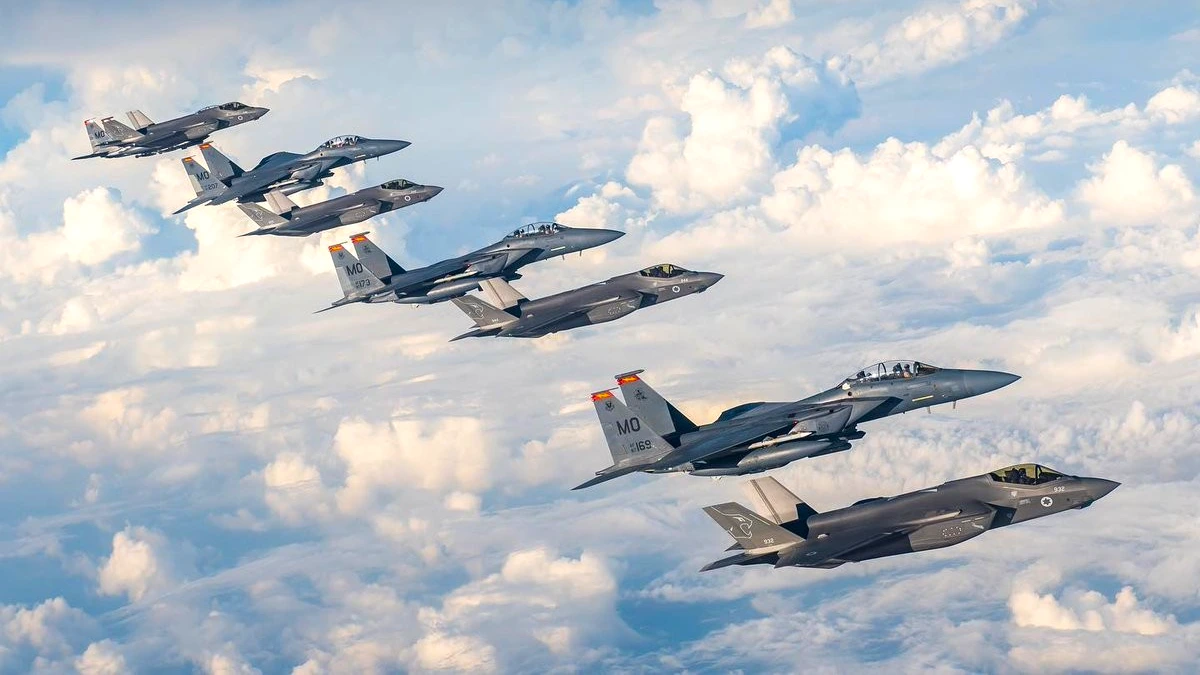
While air force-only numbers give insight into dedicated aerial strength, total military aircraft fleet size paints a broader picture of a nation’s overall aviation capability.
This includes air force jets, naval aviation, army helicopters, transport aircraft, surveillance platforms, and training fleets. In 2026, total military aircraft numbers continue to highlight which countries possess the most expansive and versatile aerial forces.
Top 10 Largest Militaries in the World by Fleet Size
Here is a look at the top 10 largest militaries by total aircraft fleet size.
1. United States
Total Military Aircraft: 13,043
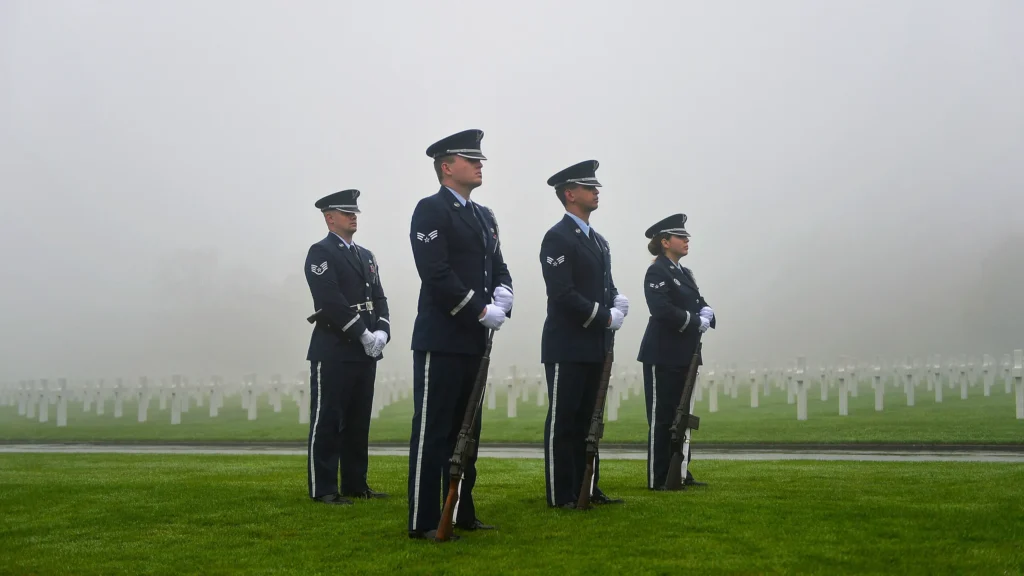
The United States remains completely unmatched. With over 13,000 aircraft across the Air Force, Navy, Marine Corps, and Army Aviation, it operates more than triple the fleet of the second-ranked nation. The scale allows for simultaneous global deployments to Europe, the Indo-Pacific and the Middle East, without severely straining capacity.
Its strength isn’t just numbers. It’s diversity. Strategic bombers, carrier-based fighters, heavy airlift, aerial refuelling fleets, and thousands of helicopters create layered capability. Even with ongoing retirements of older platforms, the U.S. inventory remains enormous. In pure numerical terms, it stands alone.
2. Russia
Total Military Aircraft: 4,292
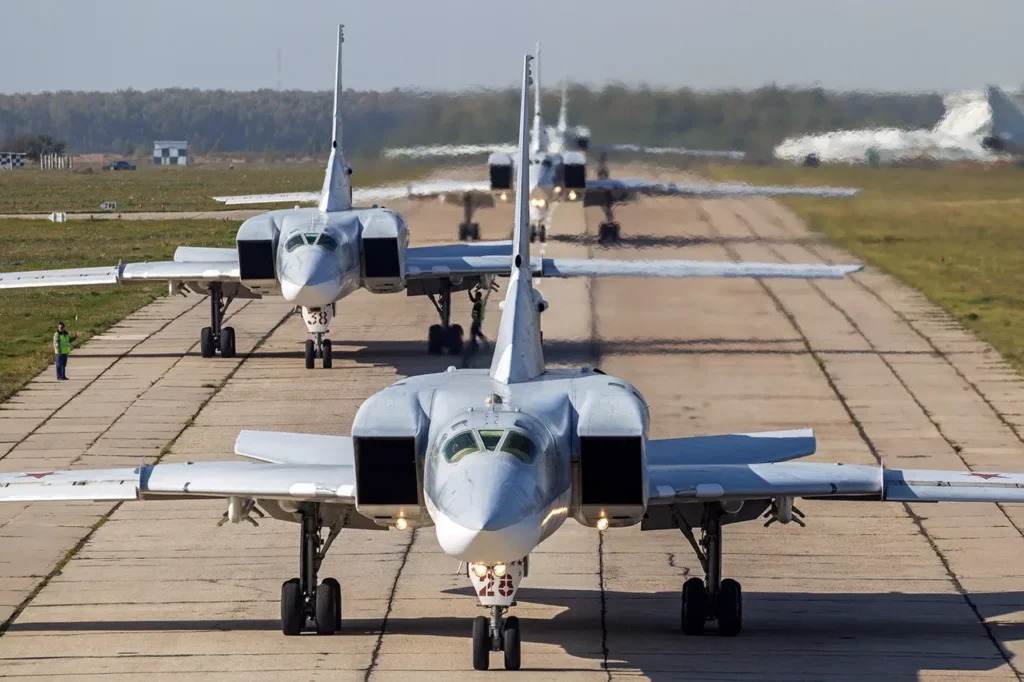
Russia holds second place, though far behind the United States. Its total fleet includes air force aircraft, long-range bombers, transport planes, and a substantial rotary-wing component. Russian doctrine has long prioritised strategic depth and homeland defence across its vast territory.
While some of its fleet consists of legacy Soviet-era aircraft, Russia still maintains a powerful mix of interceptors and tactical jets. The overall number reflects scale, even if modernisation remains uneven across categories.
3. China
Total Military Aircraft: 3,309
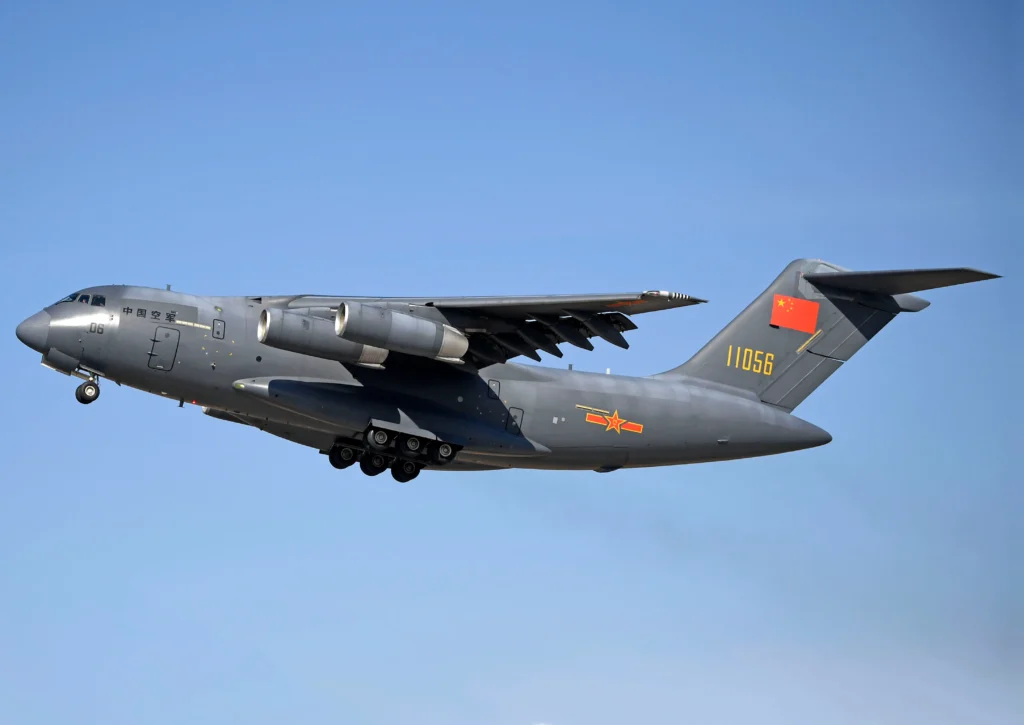
China’s rise in military aviation has been one of the defining trends of the past decade. Its total aircraft fleet reflects expansion across multiple branches, including naval aviation tied to its growing aircraft carrier ambitions.
Beijing’s strategy is increasingly outward-facing, especially in the Indo-Pacific. Transport aircraft, aerial refuelling capacity, and multirole fighters all form part of a steadily modernising force. Though still behind Russia numerically, China’s trajectory suggests continued growth.
ALSO READ: How Much It Cost to Become A Fighter Pilot at Largest Air Force in the World in 2026?
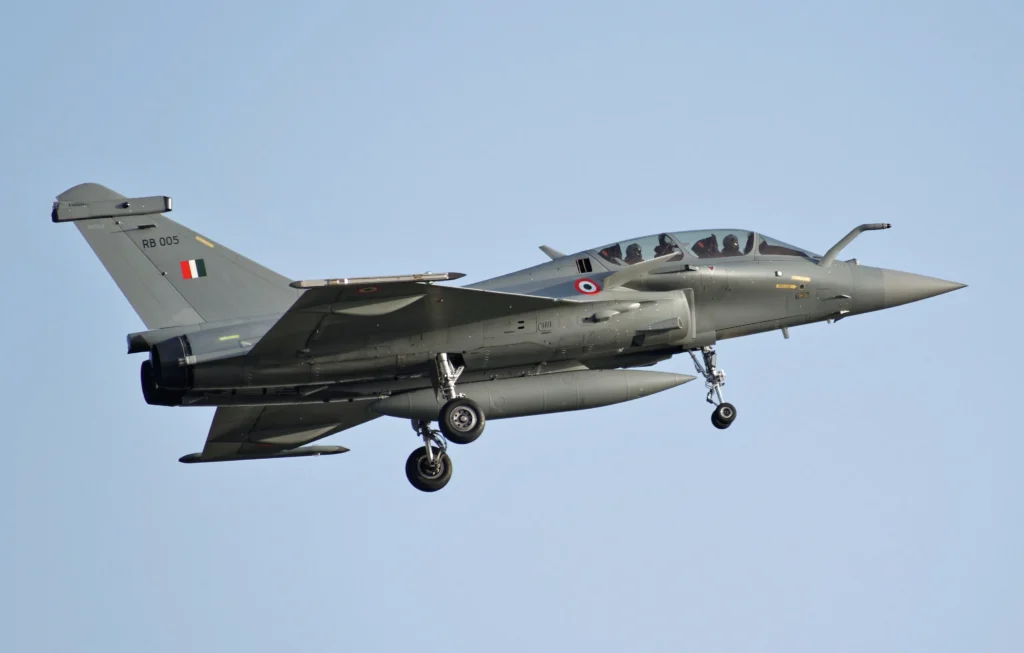
4. India
Total Military Aircraft: 2,229
India’s total fleet is shaped by its geographic and strategic realities. With long land borders and significant maritime responsibilities, India relies on a mix of air force jets, transport aircraft, and army helicopters.
Procurement has traditionally been diversified, drawing from multiple international suppliers alongside domestic manufacturing. While smaller than China’s and Russia’s, India’s aviation inventory remains one of the largest globally and plays a crucial role in South Asian stability.
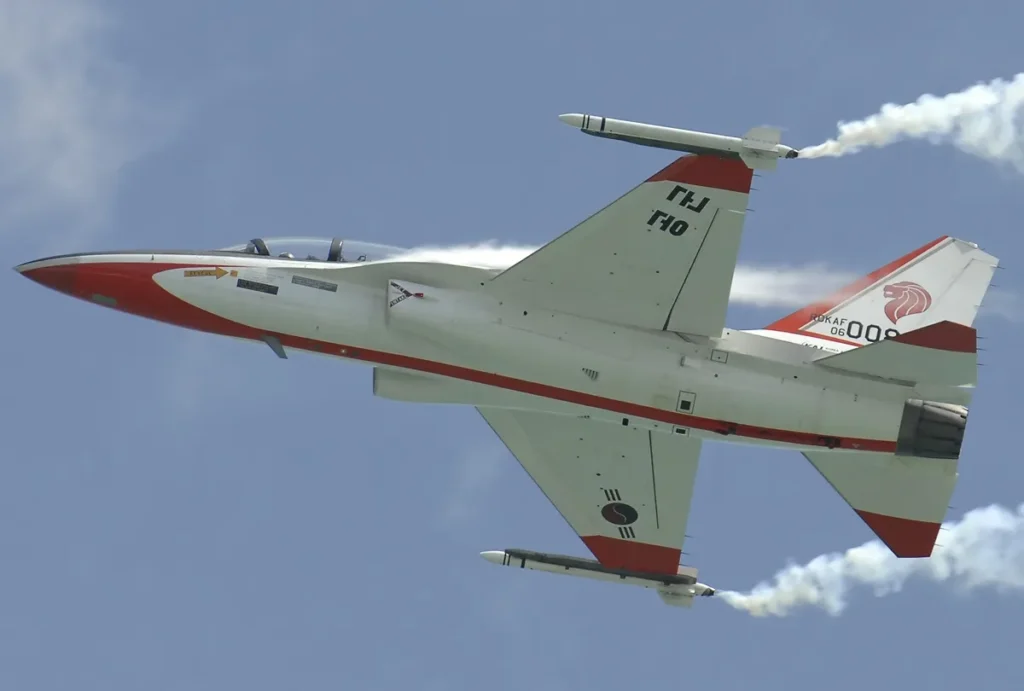
5. South Korea
Total Military Aircraft: 1,592
South Korea fields a sizeable and well-integrated aviation force. Its total includes advanced fighter aircraft, maritime patrol assets and rotary-wing platforms.
Given its security environment, readiness and rapid response capability are prioritised. The numbers reflect not just fleet size but sustained investment in maintaining a technologically credible force.
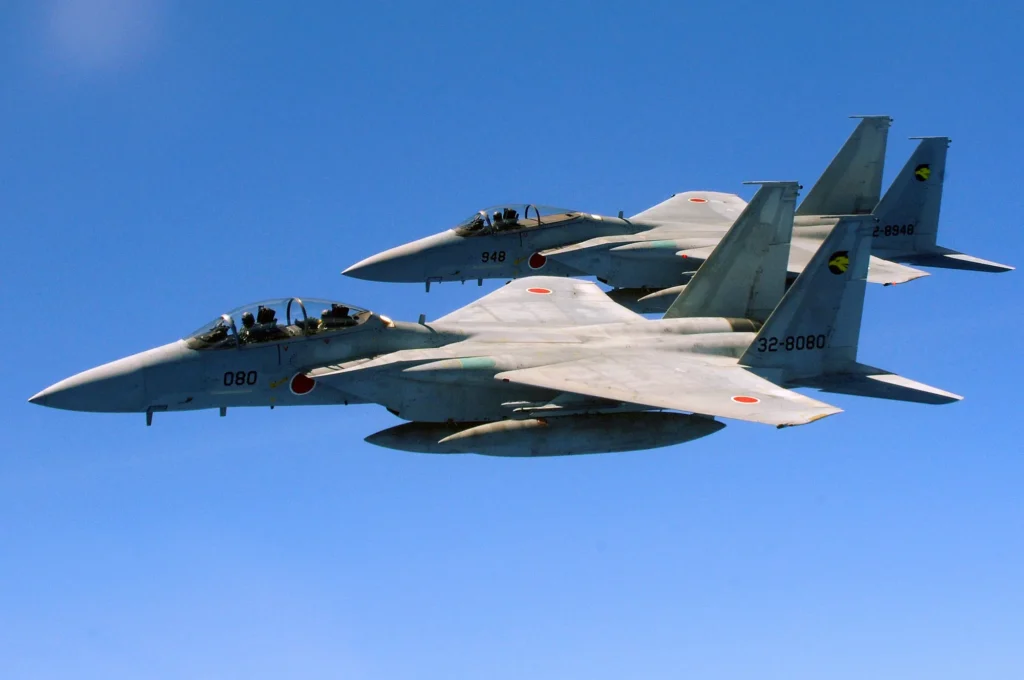
6. Japan
Total Military Aircraft: 1,443
Japan’s aviation fleet is built around a defensive strategy and maritime awareness. As an island nation, its naval aviation and air surveillance capacity are central to national security.
The total aircraft count includes advanced fighters and patrol aircraft, many of which are among the most modern in the region. Though numerically smaller than the top four, Japan’s fleet is technologically sophisticated and regionally influential.
ALSO READ: US Air Force Fighter Pilots Salary in 2026
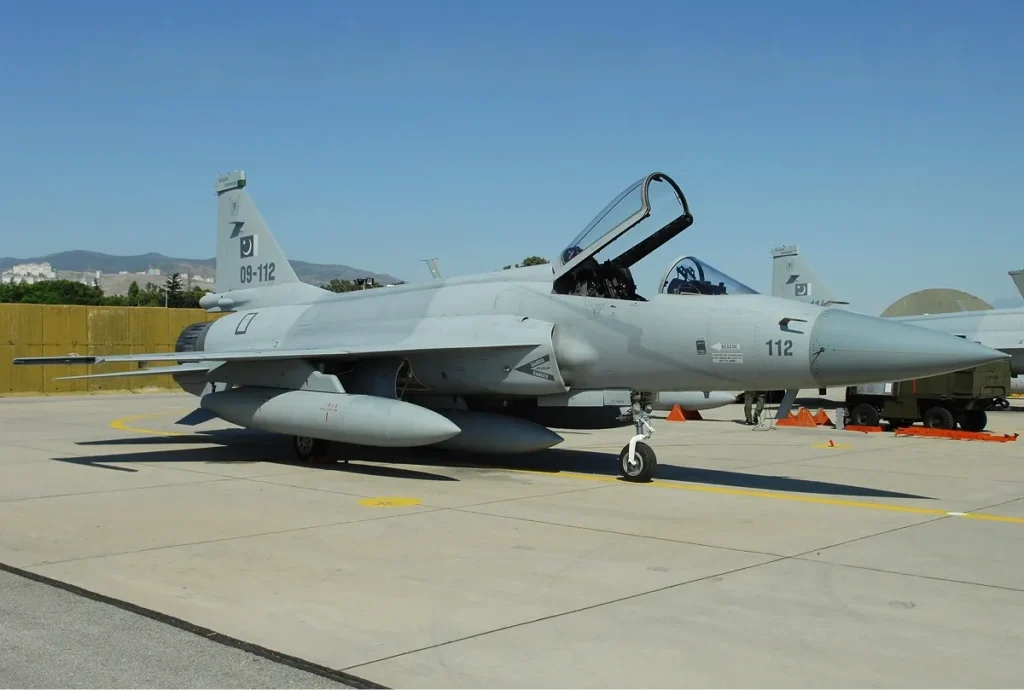
7. Pakistan
Total Military Aircraft: 1,399
Pakistan maintains one of the largest aviation fleets in South Asia. Its inventory includes air force fighters, training aircraft, and a significant helicopter component supporting army operations.
While not as large as India’s, Pakistan’s fleet size ensures strategic parity considerations remain central in regional planning. Its aviation arm is known for maintaining operational readiness despite budgetary constraints.
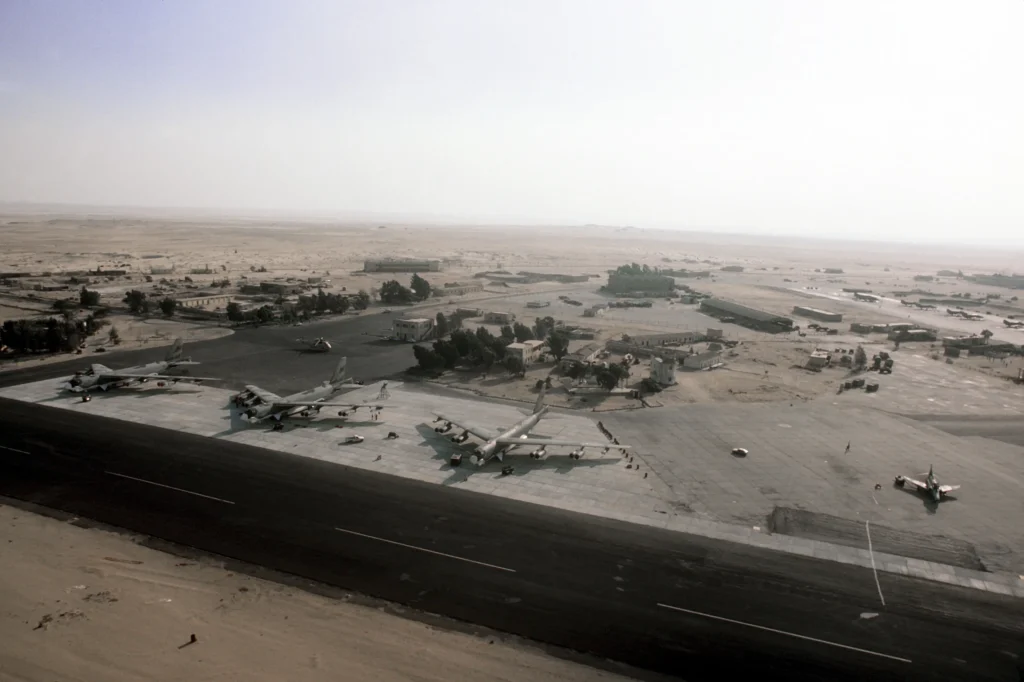
8. Egypt
Total Military Aircraft: 1,093
Egypt’s fleet secures its position as one of the most significant air powers in Africa and the Middle East. Its total aircraft inventory reflects both air force and rotary-wing strength.
Geographically positioned between Africa, the Mediterranean, and the Middle East, Egypt prioritises air mobility and defence coverage. While technological levels vary, the scale of its aviation inventory remains substantial.
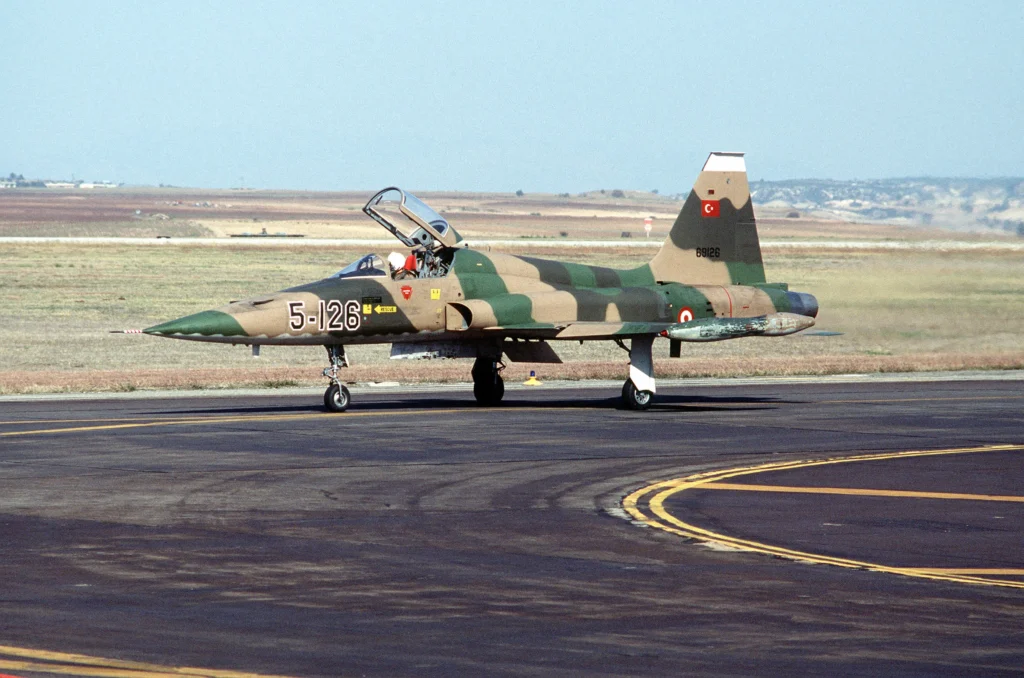
9. Turkey
Total Military Aircraft: 1,083
Turkey’s military aviation fleet includes air force jets, transport aircraft and helicopters across multiple branches. As a NATO member situated at a strategic crossroads, Turkey places strong emphasis on interoperability and regional deterrence.
Its total fleet size reflects consistent defence investment and a focus on maintaining credible air capability in a volatile neighbourhood.
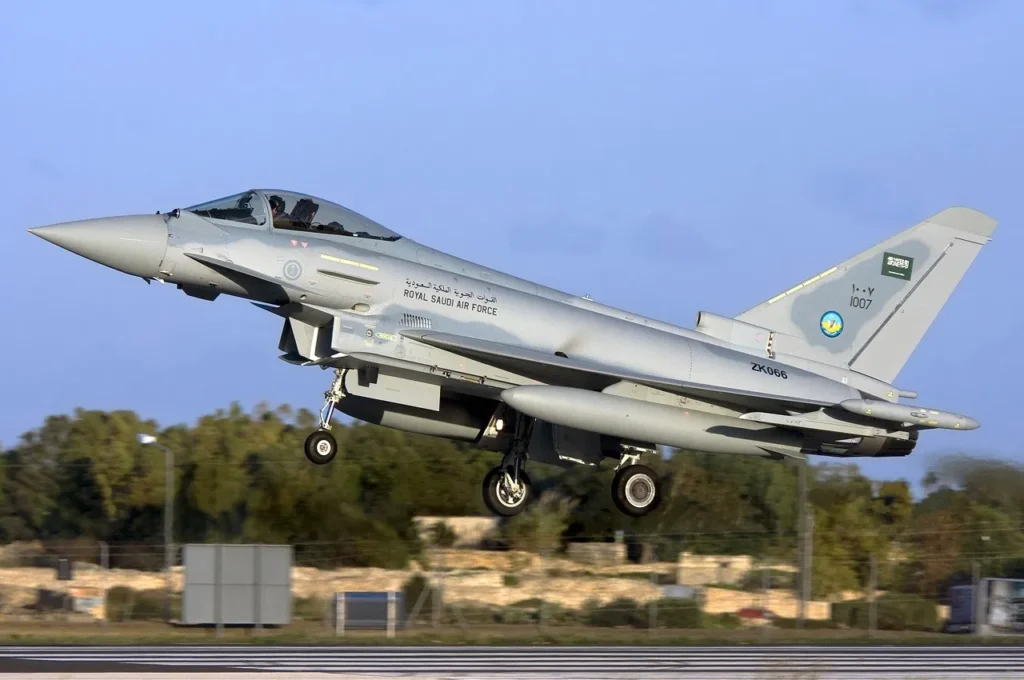
10. Saudi Arabia
Total Military Aircraft: 917
Saudi Arabia rounds out the top ten. Its fleet includes modern combat aircraft supported by transport and training platforms. Significant defence spending over the years has ensured a robust aviation inventory.
While smaller than the nations above it, Saudi Arabia remains one of the most heavily equipped air powers in the Middle East.
Bottom Line
When measured purely by total military aircraft fleet size, the hierarchy is clear in 2026. The United States dominates overwhelmingly, operating more aircraft than the next several countries combined.
Russia and China follow at a distant second and third, while a cluster of Asian powers like India, South Korea, Japan and Pakistan demonstrate how central the Indo-Pacific region has become to global military balance.
It’s important to remember that numbers alone do not determine battlefield effectiveness. Training, maintenance standards, technological sophistication, and logistics all shape real-world capability. Still, fleet size offers insight into scale, and in modern warfare, scale matters. These ten nations collectively represent the largest aviation-backed military infrastructures on the planet.
FAQs
Yes. Total military aircraft counts include fixed-wing jets, transport aircraft and rotary-wing helicopters across all service branches.
Yes. Aircraft operated by naval and marine branches are included in total fleet numbers.
The United States maintains global military commitments and overseas bases, requiring a much larger aviation infrastructure than most other nations.
