


Training a fighter pilot for the United States Air Force (USAF) at bases such as Washington involves multi-year instruction pipelines and millions of dollars in taxpayer investment.
Although the USAF is not a commercial airline and therefore has no IATA code, the scale of its pilot training expenditure rivals that of the world’s largest aviation operators.
In 2026 terms, the cost to train a combat-ready USAF fighter pilot ranges broadly from approximately $7 million to nearly $17 million per aviator, depending on aircraft type and inflation methodology.
These figures stem from a widely cited 2019 RAND Corporation assessment, based on 2018 data and adjusted for current inflation trends and defense-sector cost growth.

Fighter Pilot Training Costs
RAND’s 2019 analysis estimated that training a basic qualified fighter pilot cost between $5.6 million and $10.9 million in 2018 dollars.
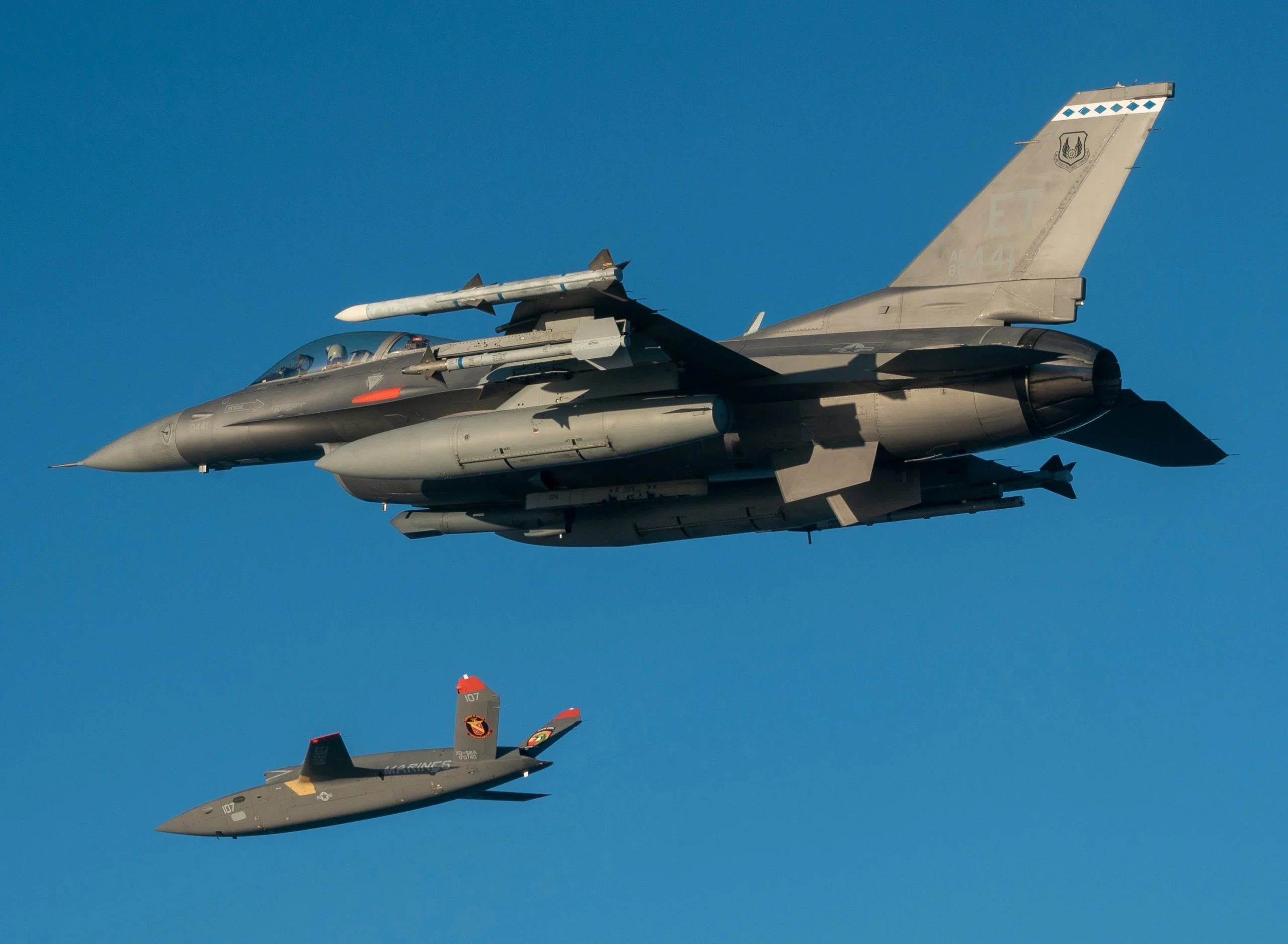
Lower-end costs were associated with legacy fourth-generation fighters such as the F-16 Fighting Falcon, while fifth-generation aircraft like the F-22 Raptor required the highest investment.
When adjusted to 2026 using consumer price inflation and defense-specific escalation rates, those figures increase substantially.
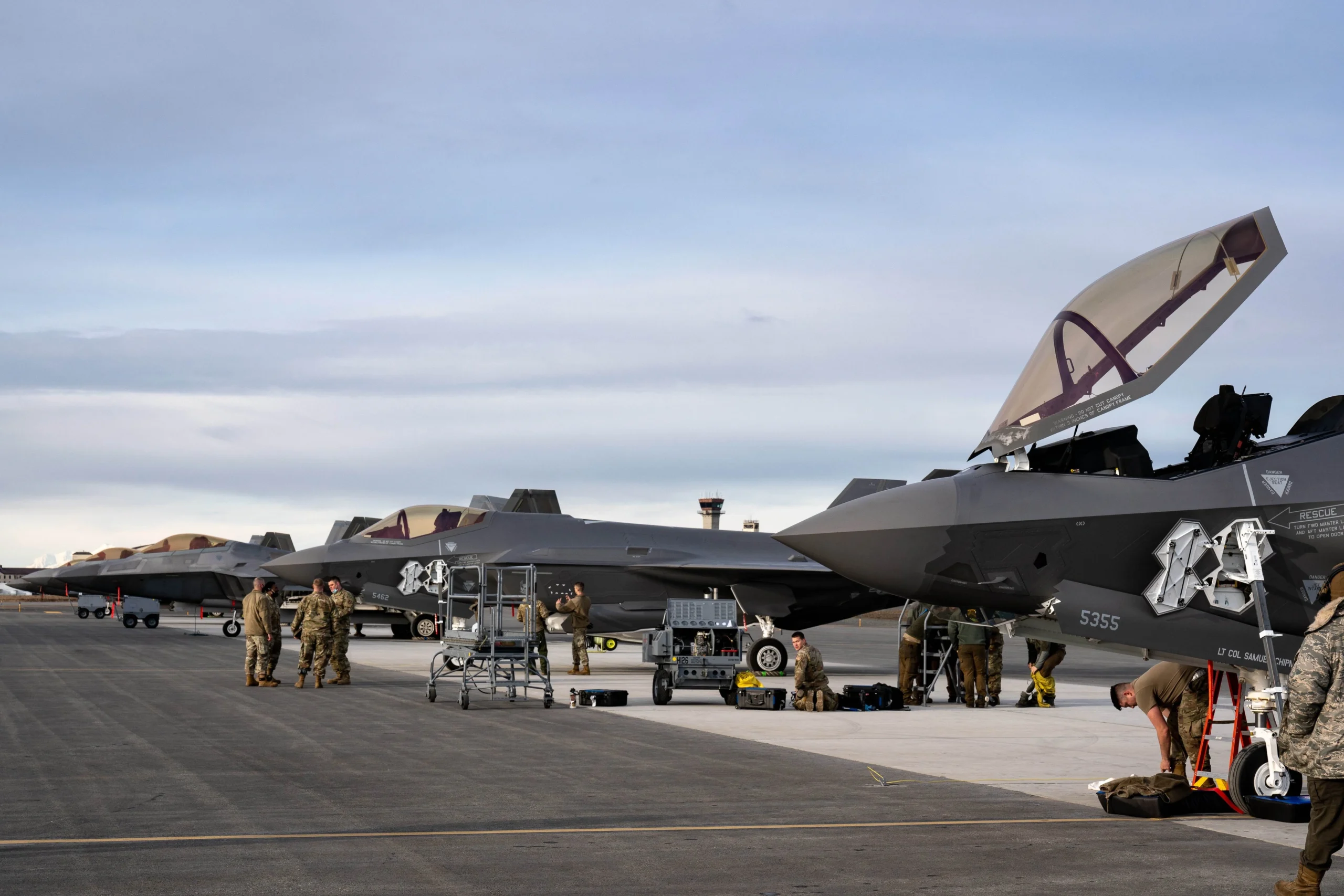
Under standard CPI adjustments, F-16 and F-15E pilots now cost roughly $7–8 million to train, while F-22 and F-35A pilots approach $14 million.
Defense-sector inflation, which analysts estimate runs roughly 20 percent higher than civilian CPI, pushes those numbers further. Under that model, training an F-22 pilot could exceed $16 million, while F-35A pilots may cost between $14 million and $15.7 million.
The A-10 Thunderbolt II, now being phased out, historically cost less to support in training pipelines. However, as the fleet retires, the cost per remaining trainee may rise due to shrinking economies of scale.
These figures include Undergraduate Pilot Training (UPT), aircraft-specific qualification, simulator hours, instructor costs, fuel, maintenance, and mission training until combat readiness.
Beyond fighter jets
Fighter pilots are not the only costly segment of USAF aviation training. Strategic bombers and intelligence aircraft require similarly high investment due to mission complexity and aircraft operating costs.
In 2018 dollars, RAND estimated B-1B Lancer pilot training at $7.3 million and B-52 Stratofortress pilot training at $9.7 million. Adjusted for inflation to 2026, those figures rise to roughly $11–$ 15 million.
Transport aircraft, by contrast, are comparatively economical. Training a C-17 Globemaster III pilot costs about $1.1 million in 2018, rising to approximately $1.7 million under defense-inflation adjustment.
Similarly, KC-135 Stratotanker pilots cost around $1.2 million in 2018, translating to roughly $1.9 million in 2026 terms. Even the massive C-5M Super Galaxy required only about $1.4 million per pilot in 2018.
The cost differential reflects mission requirements, sortie profiles, and simulator intensity. Fifth-generation fighters demand extensive sensor fusion training, advanced electronic warfare instruction, and high-fidelity simulator time.
Training timeline and retention
Financial cost is only one dimension of pilot development. Time represents an equally strategic resource.
Prospective pilots begin with Undergraduate Pilot Training, typically lasting about 12 months. Students fly T-6 Texan II aircraft before branching into advanced tracks using T-38 Talon or other specialized trainers.
Fighter candidates proceed to Introduction to Fighter Fundamentals and then Formal Training Units tied to specific aircraft. Mission qualification often extends total training time to two or three years, with some fifth-generation tracks stretching beyond that.
According to Simple Flying, Strategic bomber pilots may require 2.5 to four years to achieve full operational status.
The training pipeline is deliberately rigorous to ensure survivability and mission effectiveness in contested environments.
Retention remains a constant challenge. Commercial airlines frequently offer higher salaries and more predictable schedules, drawing experienced military aviators into civilian service.
USAF fighter pilots generally earn between $75,000 at junior levels and more than $200,000 at senior officer ranks when allowances and flight pay are included. Mid-career officers often fall within the $100,000 to $140,000 compensation range.
Given that the government may invest more than $10 million in training a single fifth-generation fighter pilot, retention incentives become economically rational. Losing an experienced aviator represents not just operational risk but sunk training expenditure.
The United States maintains one of the world’s deepest military pilot pools. Estimates suggest the broader U.S. military fields tens of thousands of aviators across the Air Force, Navy, Marine Corps, and Army.
Bottom Line
The strategic value of that depth cannot be overstated. Aircraft can be procured within production cycles, but developing skilled combat aviators requires years of sustained investment.
In modern warfare, the true bottleneck often lies not in hardware but in human capital. The USAF’s training infrastructure, costly though it is, underpins that advantage.
Stay tuned with us. Further, follow us on social media for the latest updates.
Join us on Telegram Group for the Latest Aviation Updates. Subsequently, follow us on Google News
