


FORT WORTH- A former Vogue editor downgraded herself from American Airlines (AA) First Class to Business Class on a transatlantic flight from New York (JFK) to London. She later connected to Milan Malpensa Airport (MXP).
The passenger, a Concierge Key member, alleged substandard service and persistent micro-aggressions in the First Class cabin, prompting her decision mid-flight.
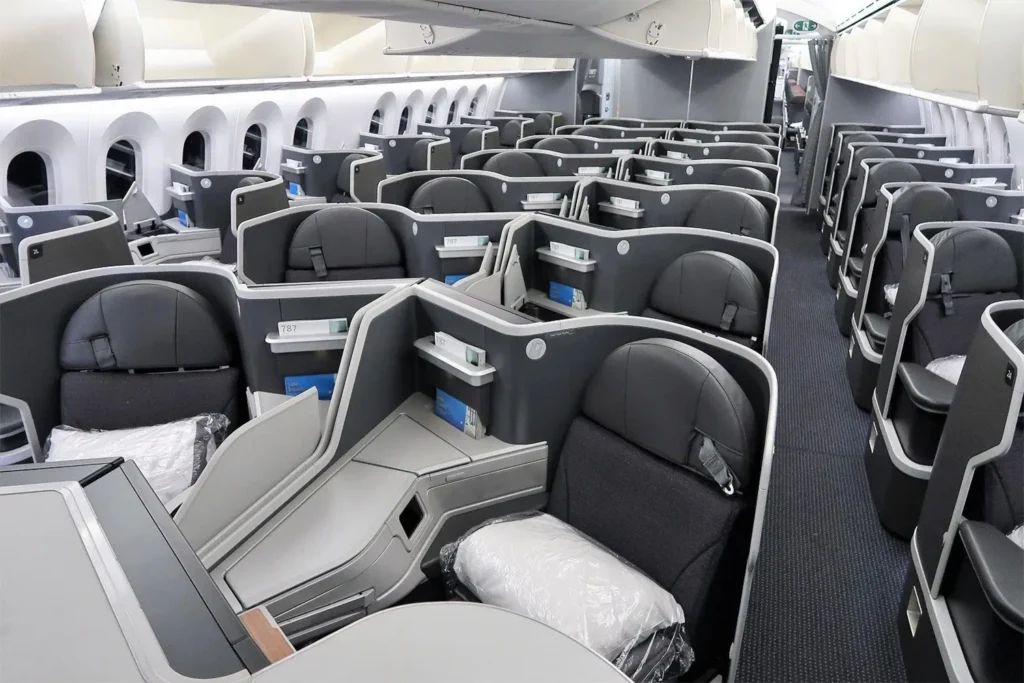
American Airlines First Class Downgrade
Gabriella Karefa-Johnson, a former editor at Vogue, shared on social media that she moved from First Class to Business Class during an American Airlines (AA) flight from JFK to LHR. Her final destination was MXP, though she routed via London specifically to access a First Class cabin.
She stated that the First Class cabin had 6 seats, occupied by five white middle-aged men and herself, a Black woman in her 30s.
She alleged that a male flight attendant delivered substandard service and engaged in persistent micro-aggressions from the moment she sat down.
She stated that she would sacrifice physical comfort to protect her emotional and mental well-being.
She clarified that she frequently travels in premium cabins and holds Concierge Key status within the AAdvantage program. Concierge Key is American Airlines’ invitation-only elite tier, typically reserved for high-spending and highly loyal customers.
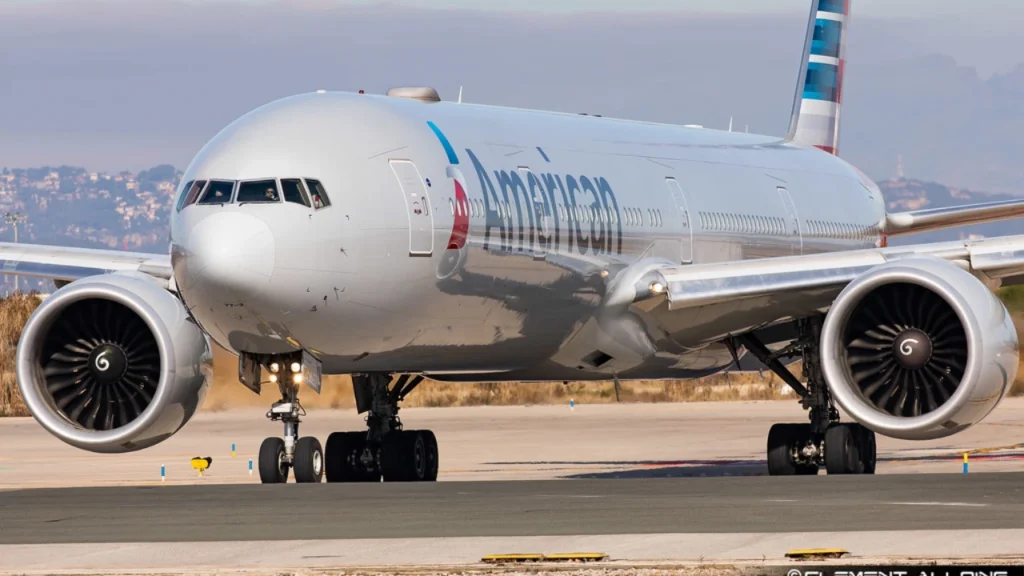
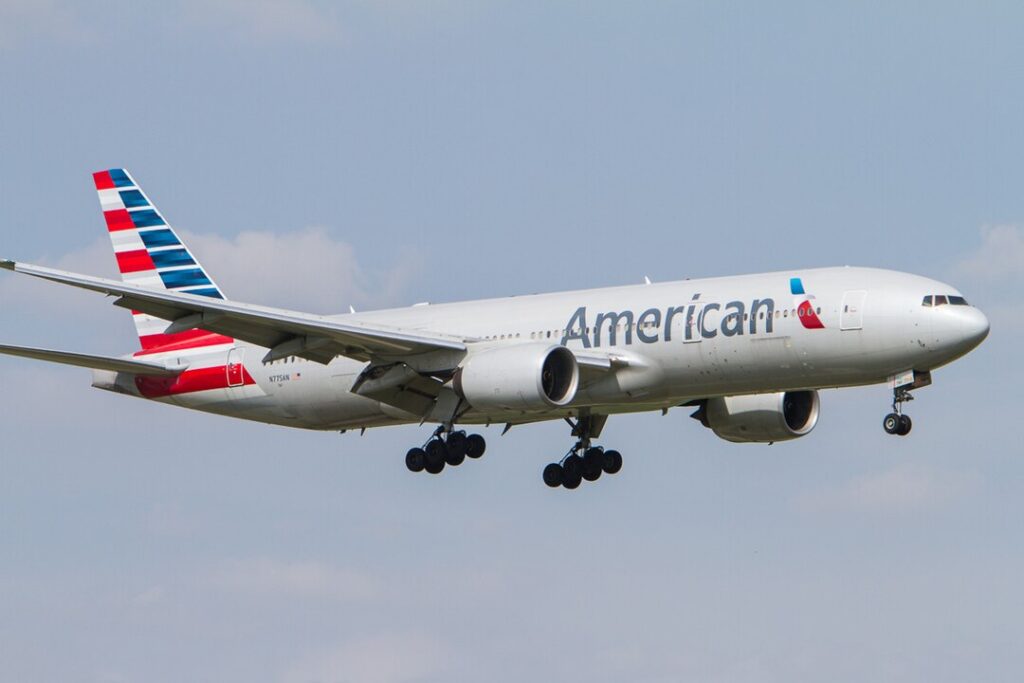
The New York to London route is sometimes operated by the Boeing 777-300ER, which features a dedicated First Class cabin.
The New York to Milan route typically uses the Boeing 777-200ER, which does not offer First Class. This explains her decision to connect via London rather than fly nonstop to Milan.
According to OMAAT, the situation highlights ongoing scrutiny around service consistency in American Airlines’ premium cabins.
Prior Service Concerns and Cabin Dynamics
American Airlines’ long-haul operations from JFK have drawn mixed feedback from travelers. Some passengers report attentive service, while others describe abrupt or indifferent interactions.
In a previously shared account involving a transatlantic flight from JFK, a passenger described a tense boarding interaction.
The flight attendant reportedly told an elderly traveler, “I didn’t ask who you were with and I don’t care. Boarding pass is what I asked.” The same crew member allegedly added, “Can you speed this up?” despite the flight being nearly empty and no boarding group waiting behind him.
These reported exchanges suggest inconsistency in service delivery on certain JFK-based long-haul flights. However, no formal findings confirm targeted treatment in the First Class downgrade case.
The passenger suggested that being the only Black woman in a cabin of white middle-aged men may have influenced her treatment. She linked the cabin composition to the service dynamic she experienced.
It remains possible that the service issue stemmed from individual crew conduct rather than demographic bias. Publicly available information does not provide an independent verification of intent.
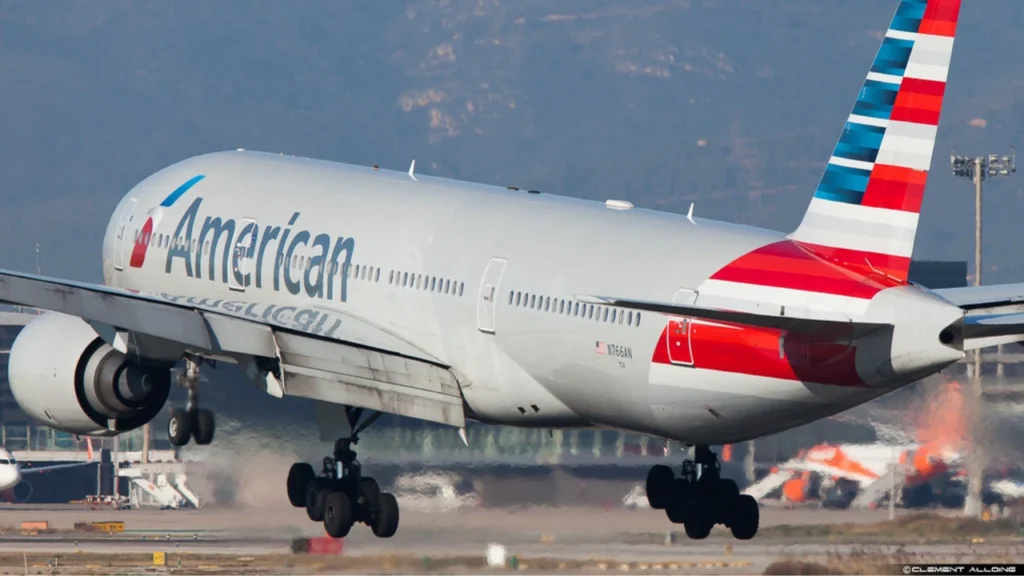
Practical and Financial Implications of Downgrading
Downgrading from First Class to Business Class mid-flight presents operational challenges:
- Business Class is often full on transatlantic redeye routes. A seat swap would require another passenger to agree to move forward.
- The conversation required to explain the downgrade could create an awkward onboard situation.
- Airlines do not typically refund the fare difference solely due to dissatisfaction with service style or tone.
The move carries risk because Business Class may not guarantee improved service. On a redeye flight, some travelers may have chosen to remain in First Class and limit interaction or sleep through the service.
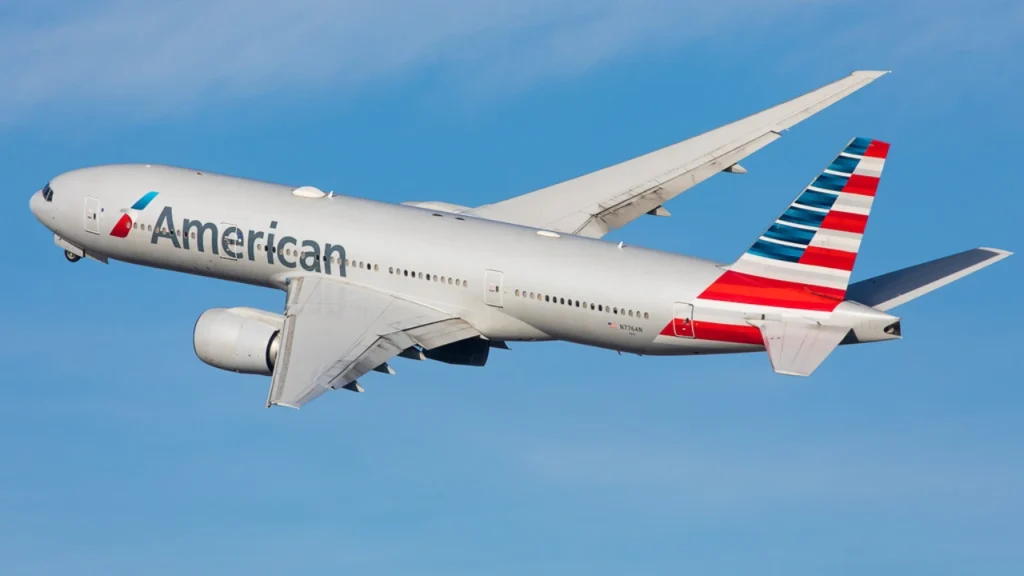
Strategy and Onboard Experience
The passenger intentionally connected through London rather than flying nonstop to Milan in order to access First Class. This reflects a common strategy among elite travelers who prioritize premium cabin products.
However, the incident raises a broader question about the value of pursuing premium cabins through indirect routings.
Connecting through Heathrow to secure First Class added travel time, and the experience did not meet expectations.
This scenario illustrates the challenges of the elite status cycle, where travelers may adjust itineraries to access higher cabin products that ultimately depend on consistent human service delivery.
Despite dissatisfaction with service, the downgrade did not result in missing exclusive catering unavailable in Business Class on that route.
The onboard dining distinction between First and Business Class on American’s transatlantic services remains incremental rather than transformational.
Conclusion
A former Vogue editor downgraded herself from American Airlines First Class to Business Class on a JFK to London flight, citing substandard service and persistent micro-aggressions.
She suggested that cabin demographics may have influenced her treatment, though inconsistent service reports from JFK-based long-haul flights provide additional context.
The incident underscores the importance of consistent premium cabin service standards and the reputational impact of crew-passenger interactions in long-haul aviation.
Stay tuned with us. Further, follow us on social media for the latest updates.
Join us on Telegram Group for the Latest Aviation Updates. Subsequently, follow us on Google News
