

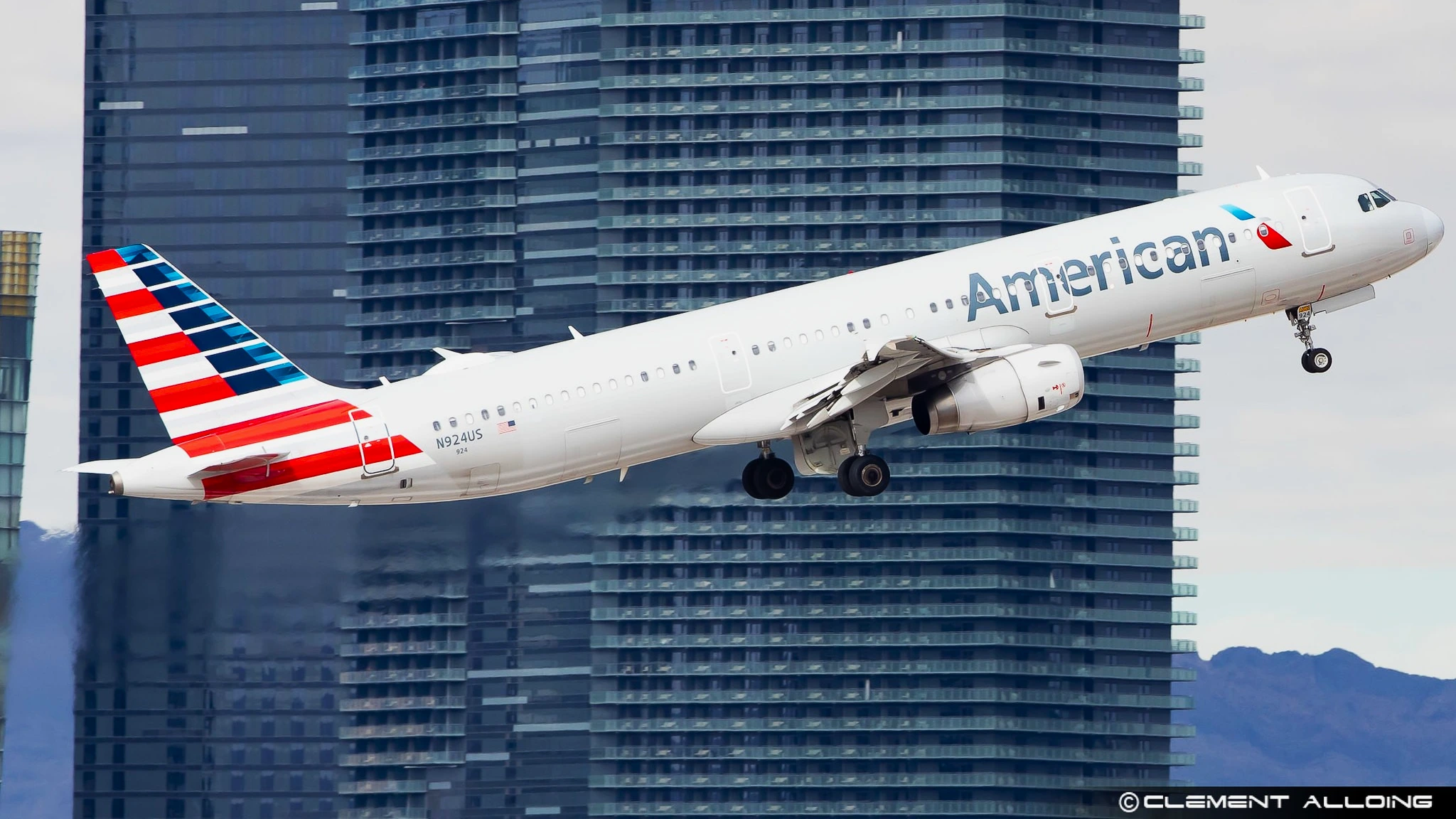
PHOENIX- A mid-air travel dispute on a Daniel K. Inouye International Airport (HNL) to Phoenix Sky Harbor International Airport (PHX) route has triggered widespread debate after a comedian publicly criticized American Airlines (AA) as he claimed two uniformed pilots were assigned his purchased first-class seats.
The comedian stated that he and his wife had spent thousands of dollars on premium tickets for the long-haul journey between Hawaii and the mainland United States. However, just before boarding, gate agents informed them that first class was oversold and reassigned them to economy seats in row 18.
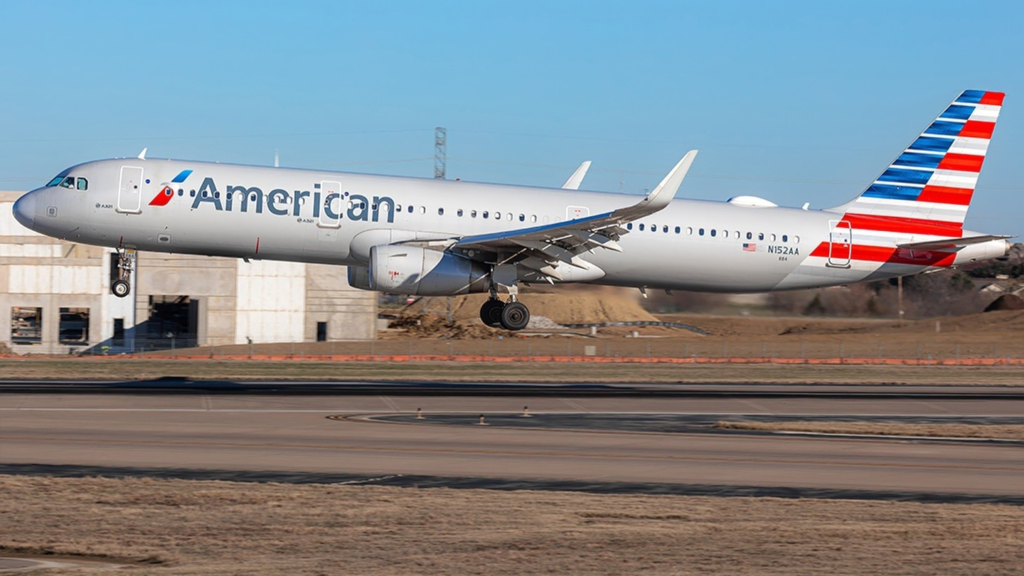
American Airlines First Class Downgrade Dispute
According to the passenger’s public account, the couple was paged at the gate minutes before boarding. Airline staff informed them that they would be downgraded due to operational requirements.
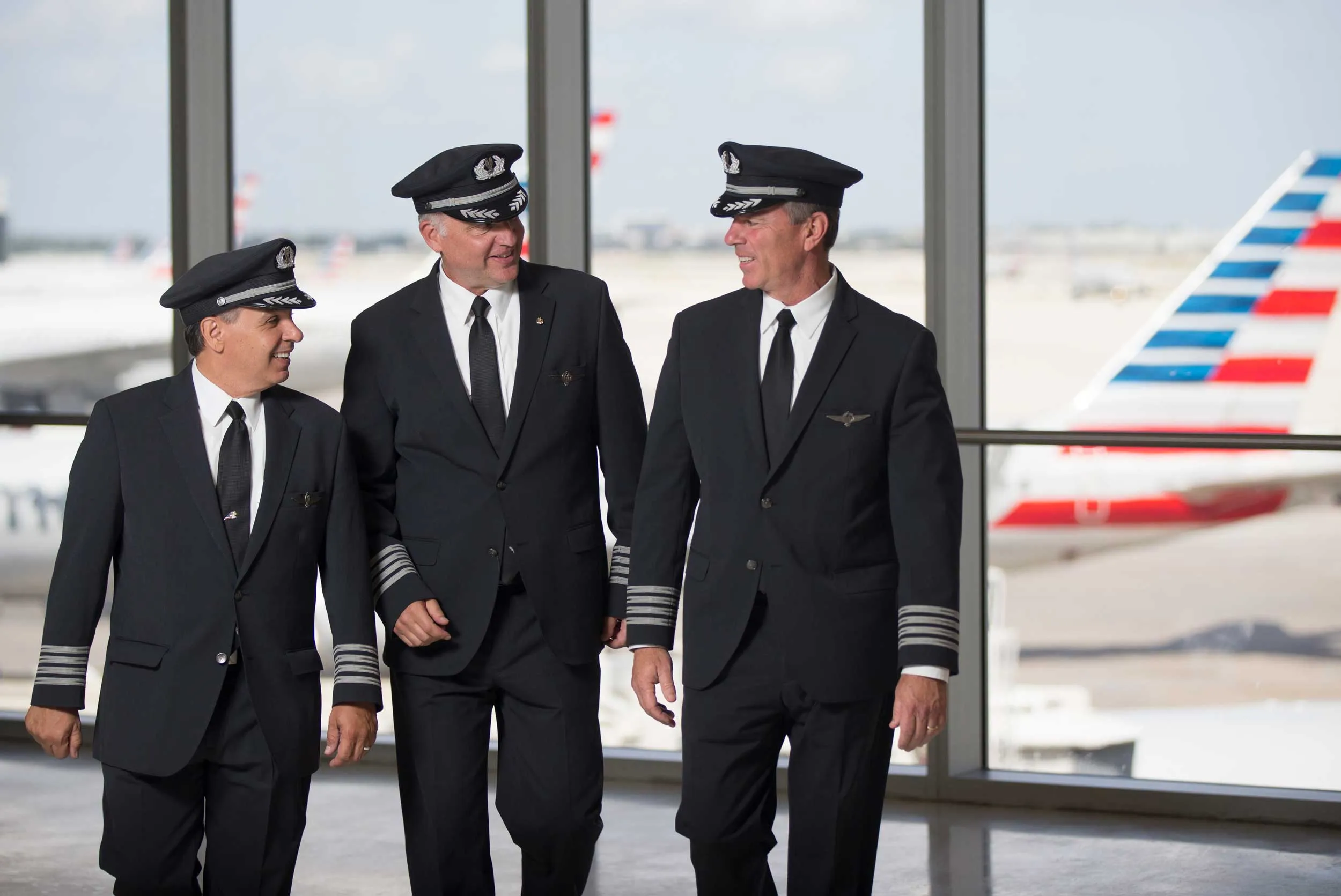
Two pilots in uniform later occupied the seats originally assigned to the couple. According to OMAAT, the airline offered $500 per passenger as compensation, but the offer was declined.
The passengers argued that the situation felt like a violation and described the reassignment as equivalent to having purchased property taken away. He further claimed that industry contacts told him pilots should not displace paying first-class customers.
Pilot Deadheading Policy
Industry guidelines and pilot labor agreements provide additional context to the incident. Under American Airlines’ pilot contract, crew members who are “deadheading” on certain routes must receive the highest available class of service.
Deadheading refers to repositioning pilots for operational assignments at the airline’s request. On routes between Hawaii and the mainland, pilots are contractually entitled to premium cabin seating, even if that results in downgrading confirmed passengers.
This policy differs from standard domestic upgrade procedures. On many mainland routes, deadheading pilots are listed for upgrades but do not displace ticketed customers.
Aviation experts note that such contractual clauses are common among major U.S. carriers. Airlines, including Delta Air Lines (DL) and United Airlines (UA) maintain similar provisions for specific long-haul or international routes.
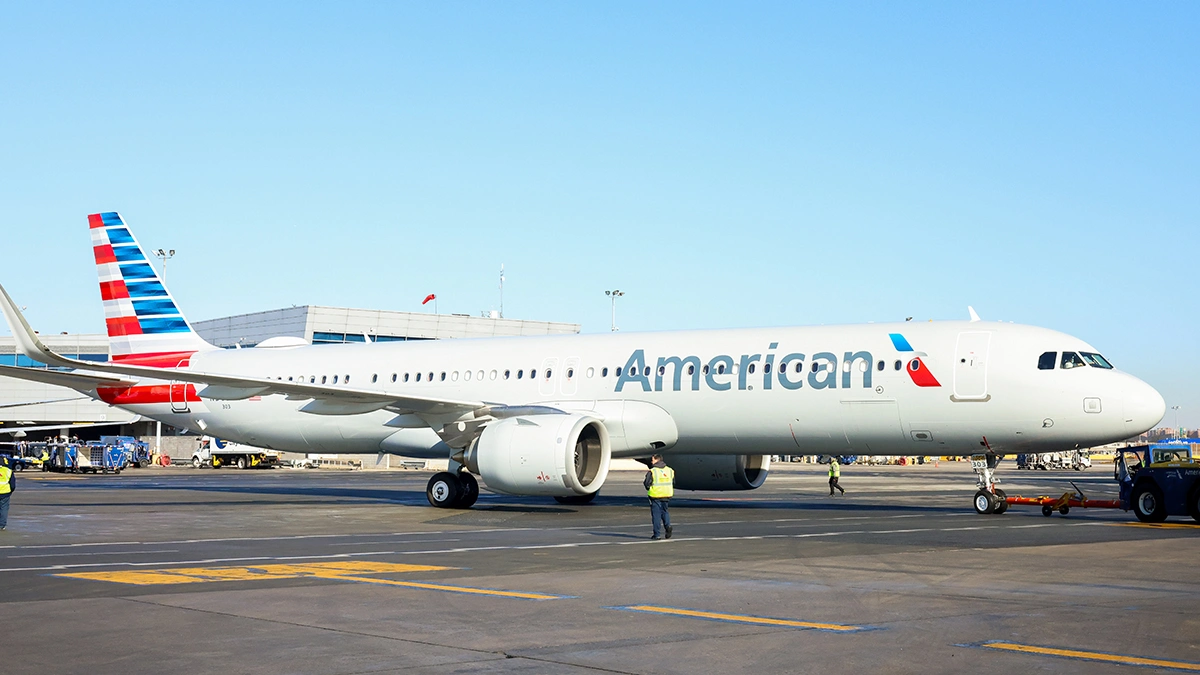
Communication Breakdown at American Airlines
While the contractual basis appears clear, the handling of the situation has drawn criticism. The key issue centers on communication rather than policy.
Passengers expect transparency when changes affect confirmed premium bookings. In this case, the explanation reportedly lacked clarity regarding operational requirements and contractual obligations.
Airlines typically provide compensation and refunds for involuntary downgrades. However, travelers often perceive the disruption as more significant than the monetary offer suggests, particularly on overnight or long-haul flights.
Operationally, repositioning crew members is critical to maintaining network reliability. Without properly positioned pilots, subsequent flights may face delays or cancellations, affecting hundreds of travelers.
Bottom Line
The broader debate highlights the tension between labor agreements and passenger expectations. While airlines must comply with negotiated contracts, they also carry a responsibility to communicate clearly and manage customer experience effectively.
For premium travelers, the expectation of guaranteed seating remains strong.
Incidents like this emphasize the importance of proactive customer service, transparent policies, and improved conflict resolution at airport gates.
Stay tuned with us. Further, follow us on social media for the latest updates.
Join us on Telegram Group for the Latest Aviation Updates. Subsequently, follow us on Google News
