


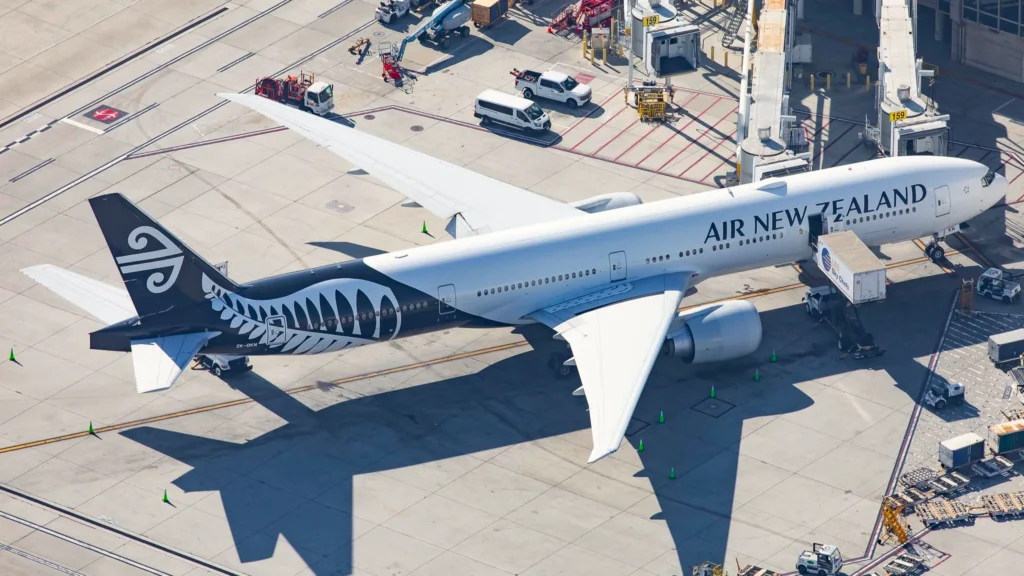
AUCKLAND- Air New Zealand (NZ) posted a $40 million interim loss, triggering political debate over the government’s majority stake in the airline. The discussion has intensified ahead of the national election.
Winston Peters rejected calls to consider selling shares in Air New Zealand (NZ), while Wellington International Airport (WLG) continues to rely on the carrier for regional and international connectivity.
Political Debate Over Air New Zealand Ownership
The debate began after Air New Zealand (NZ) reported a bottom-line loss of $40 million for the six months ending December. ACT leader David Seymour questioned whether the government should retain its majority shareholding, suggesting asset sales could be part of a broader economic discussion.
Prime Minister Christopher Luxon stated there would be no asset sales during the current parliamentary term. However, he acknowledged that asset ownership could become an election issue later this year.
New Zealand First leader Winston Peters strongly opposed any move toward privatisation. He cautioned against making decisions driven by ideology rather than economic conditions. Peters described selling shares during an aviation downturn as economically unsound.
He emphasized that airlines globally are facing operational and financial pressure. One key issue is the shortage of aircraft engines, which has disrupted capacity and schedules across multiple markets. Peters noted that no political voices had called for divestment when the airline was profitable, RNZ reported.
Economic and Strategic Importance of the National Carrier
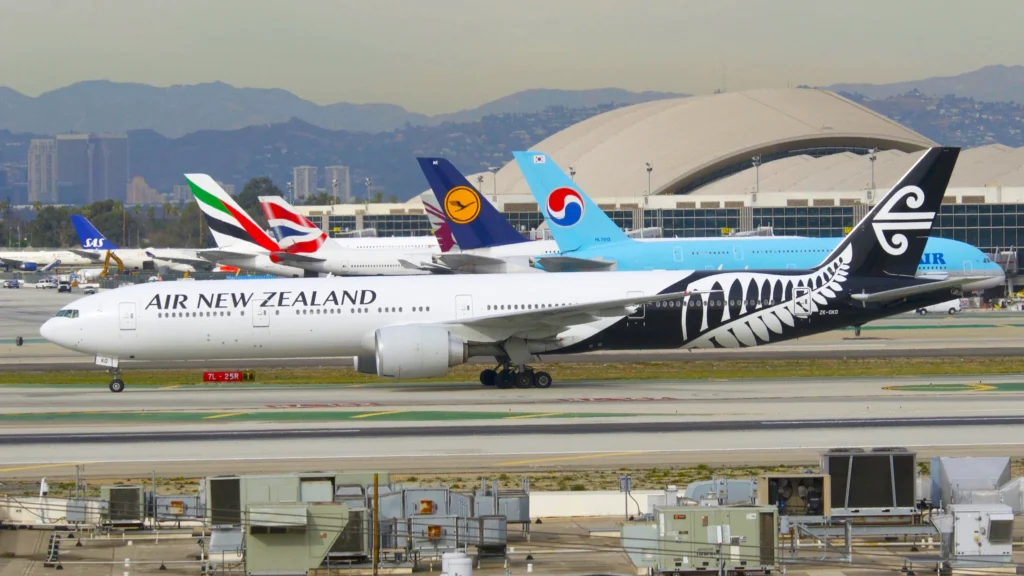
Peters argued that the majority public ownership ensures that financial returns and strategic value remain within New Zealand. According to his position, foreign ownership could shift economic benefits offshore and reduce national control over aviation infrastructure.
Labour finance spokesperson Barbara Edmonds also rejected the idea of a sale. She stated that short-term financial losses do not justify selling a strategic national asset. Edmonds highlighted the importance of accountability from the airline’s board but maintained that ownership should remain domestic.
She warned that losing public control could put regional routes and international connectivity at risk. For smaller communities, Air New Zealand plays a central role in maintaining reliable air links.

Regional Connectivity and Public Concerns
Political leaders across multiple parties have raised concerns about the long-term implications of privatisation. Green Party co-leader Chlöe Swarbrick said asset sales historically increased costs for consumers while prioritizing shareholder returns over public interest.
Public reaction reflects mixed views but shows strong support for retaining national ownership. Some residents cited high ticket prices and service performance as concerns. Others emphasized that the airline is a critical infrastructure and should remain under New Zealand control.
Several Wellington commuters expressed the view that selling strategic assets offers only short-term fiscal relief while risking long-term national interests. Environmental concerns and regional accessibility also factored into public opinion.
Aviation Market Pressures and Industry Context
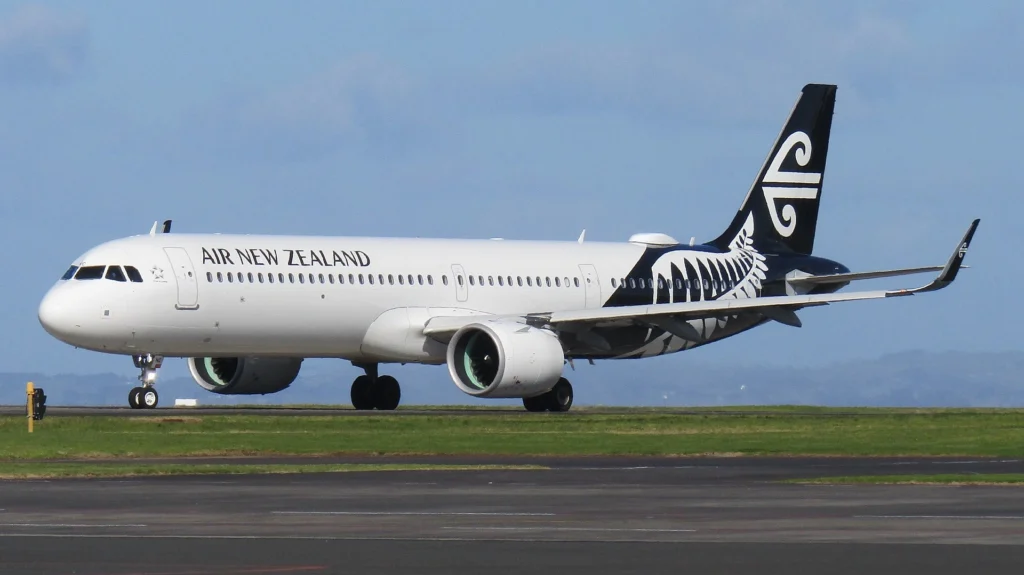
Airlines worldwide are navigating higher operating costs, supply chain disruptions, and constrained fleet availability. Engine maintenance delays have reduced aircraft availability across multiple carriers, limiting capacity and affecting punctuality.
Within this context, Air New Zealand’s interim loss aligns with broader global aviation trends rather than isolated corporate mismanagement. Political leaders opposing a sale argue that market cycles are inherent in aviation and should not determine long-term ownership decisions.
The issue is expected to remain part of the national election debate, with ownership of strategic infrastructure emerging as a key policy dividing line.
Stay tuned with us. Further, follow us on social media for the latest updates.
Join us on Telegram Group for the Latest Aviation Updates. Subsequently, follow us on Google News
