

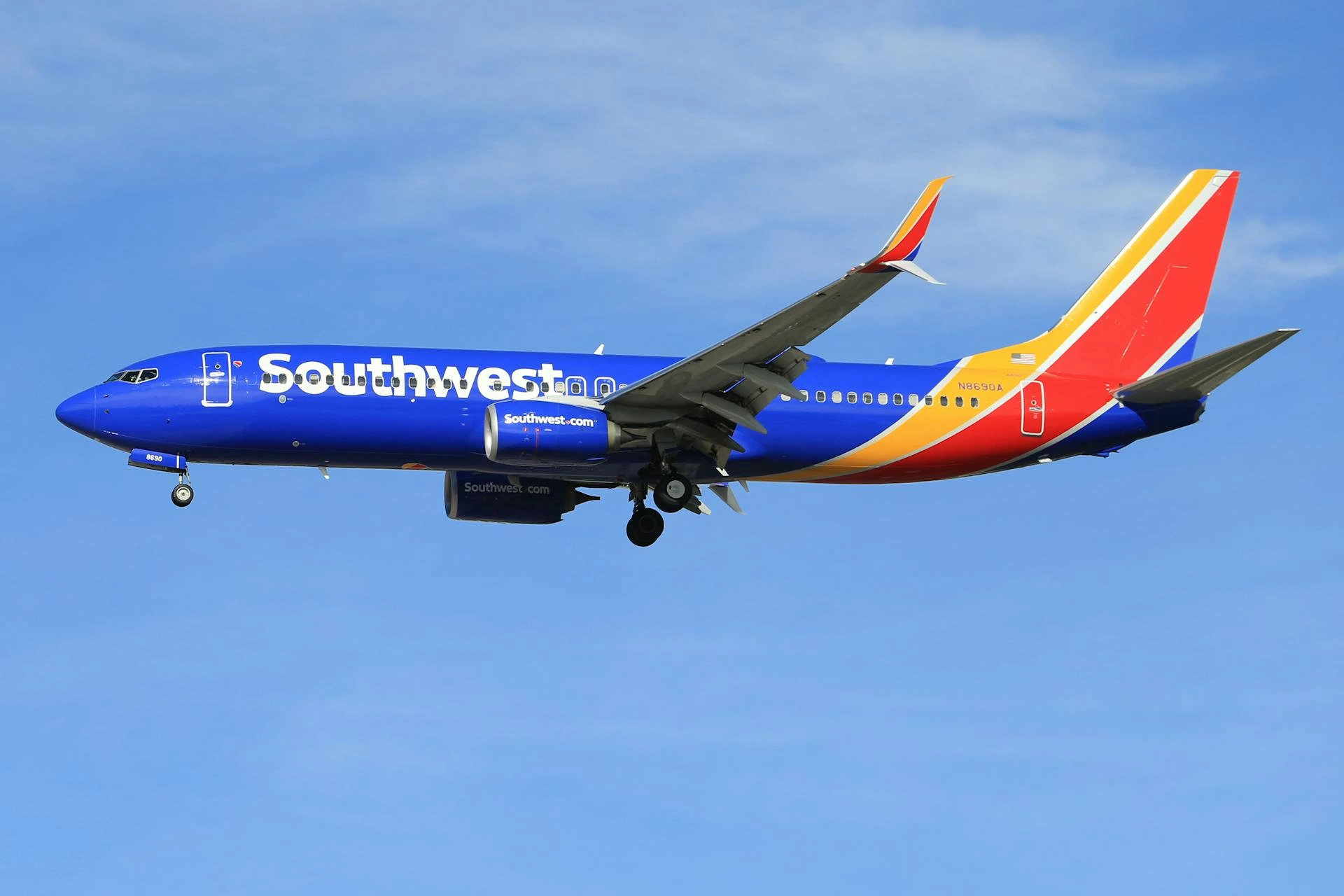
DALLAS- Southwest Airlines (WN) has enforced assigned seating for about four weeks, and the most controversial aspect is not pricing but the strict refusal to allow passengers to move, even on nearly empty flights.
The shift marks a sharp operational and cultural break from its long-standing open seating system.
On a recent Flight 129 from Phoenix Sky Harbor International Airport (PHX) to St. Louis Lambert International Airport (STL), passengers reported being barred from changing seats despite multiple empty rows.
The enforcement has intensified scrutiny over flexibility, passenger comfort, and revenue protection strategy.

Southwest Airlines Bans Seat Switching
For decades, Southwest differentiated itself with open seating. Passengers boarded by group and selected any available seat.
There was often a visible rush for preferred seats near the front or exit rows. On lightly booked flights, travelers routinely spread out across empty rows without conflict.
That flexibility ended roughly 4 weeks ago when Southwest implemented assigned seating. While assigned seats are common across the industry, the airline’s enforcement has proven unusually rigid.
On one reported flight carrying only 26 passengers, 6 customers were required to remain seated in the same row.
Flight attendants reportedly made three separate announcements instructing passengers not to move.
Passengers seated in middle seats have stated they were scolded for attempting to shift to an empty window seat in the same row.
Some were told they could not leave the middle seat empty between an aisle and window passenger. Others reported they were prohibited from using an adjacent empty seat for a lap infant.
One viral complaint from Flight 129 PHX to STL captured the frustration. The passenger wrote that empty rows were available but a flight attendant insisted, “We must follow the rules.”
The post sarcastically asked the airline to “buy better AI” and mocked the idea that moving to an empty row would lead to punishment.
Reported by View from the Wing, these incidents suggest Southwest is enforcing seat assignments more strictly than most US carriers.
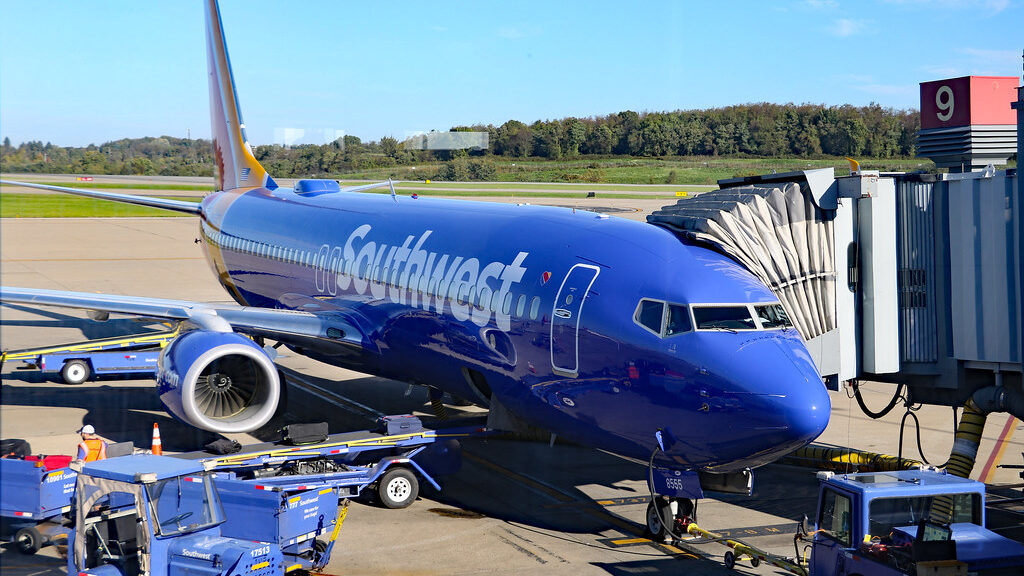
How Southwest Differs From Other Airlines
Assigned seating is standard among legacy and low-cost carriers. However, enforcement norms vary.
For example, Delta Air Lines (DL) permits passengers to request a move to an unoccupied seat within the same cabin, subject to crew discretion and safety conditions.
Delta’s published policy allows in-cabin seat changes provided they do not involve premium products or restricted seating.
Southwest’s approach appears different. The airline treats seat assignments as fixed, even when operational conditions would allow flexibility. This stance positions Southwest as an outlier in cabin management practices.
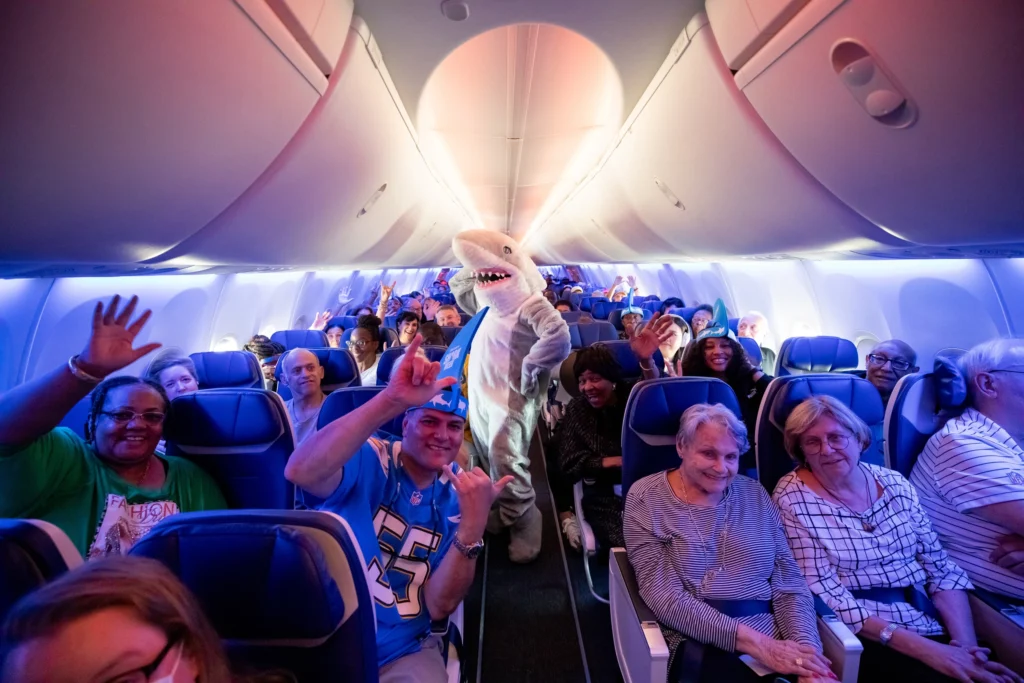
Passenger of Size and Seat Equity Concerns
The new policy raises practical issues for passengers seated next to a passenger of size. Customers purchasing assigned seats do not know who will occupy adjacent positions.
If a neighboring passenger’s body extends into their paid space, mobility restrictions may prevent a practical solution.
Southwest historically maintained a Customer of Size policy requiring the purchase of an additional seat, refundable if the flight was not full.
Under strict enforcement, however, a passenger who feels their seat space is compromised may be unable to relocate even if empty seats exist elsewhere in the cabin.
This creates a perception problem. Passengers argue that if part of their assigned seat is effectively unusable due to encroachment, they are not receiving the full value of what they purchased.
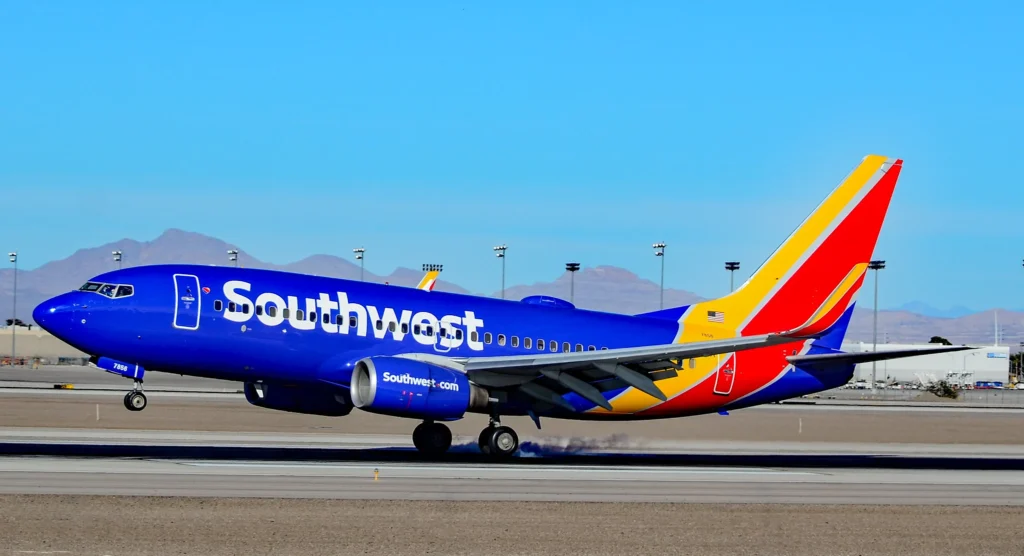
Revenue Protection and Investor Pressure
Southwest’s transition from flexible boarding to strict seat enforcement reflects a broader strategic shift. Assigned seating supports revenue segmentation and ancillary income opportunities.
Strict enforcement protects the integrity of paid seat products and discourages passengers from seeking informal upgrades onboard.
The policy change also follows pressure from an activist investor that previously challenged company leadership and strategic direction. The airline adjusted operations during that period of scrutiny.
With the investor reportedly reducing its stake and losing board influence, some observers suggest the airline may reconsider how aggressively it enforces revenue controls.
Southwest built its reputation on operational simplicity and customer goodwill. The current enforcement model prioritizes rule adherence and pricing discipline.
Whether the airline adjusts course will shape how passengers perceive its evolving brand identity.
Stay tuned with us. Further, follow us on social media for the latest updates.
Join us on Telegram Group for the Latest Aviation Updates. Subsequently, follow us on Google News
