

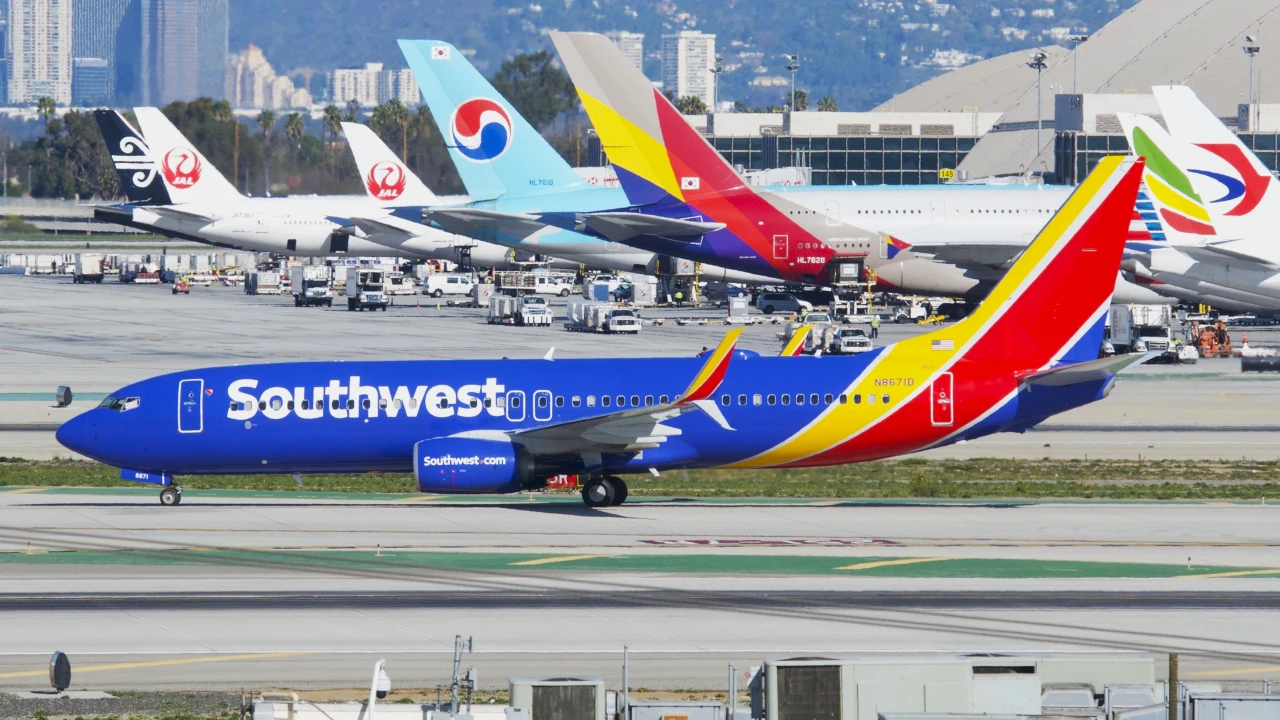
DALLAS- Southwest Airlines (WN) now strictly enforces assigned seating, ending the long-standing flexibility passengers enjoyed after boarding.
Dallas Love Field (DAL) operations reflect the airline’s shift toward tighter seat control, changing expectations for travelers used to open seating.
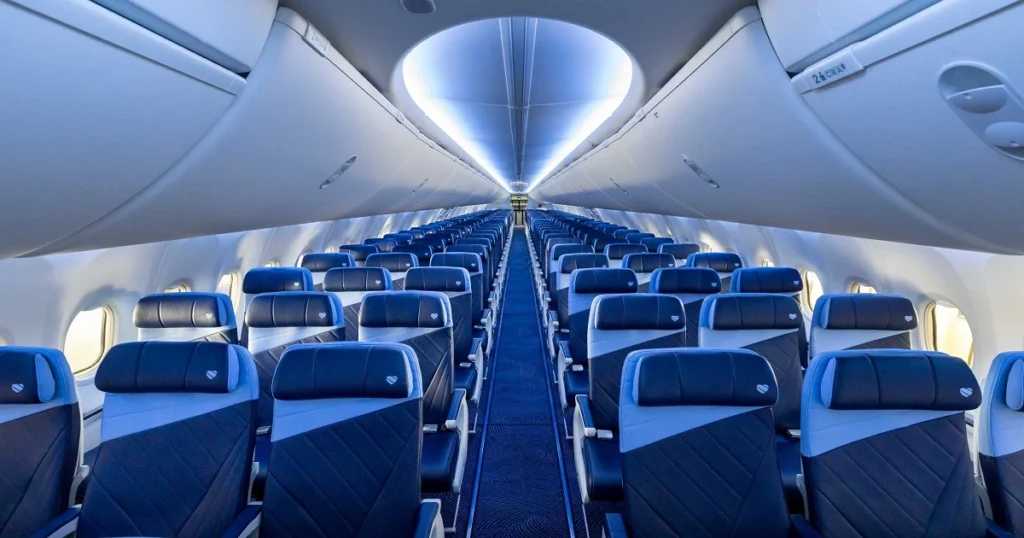
Southwest Airlines Assigned Seat Limits
Southwest Airlines historically operated with open seating, allowing passengers to select seats upon boarding. Travelers often moved to empty rows once boarding ended, especially on lightly loaded flights.
Under the new enforcement approach, passengers must remain in assigned seats unless the cabin crew authorizes a change.
Reports show travelers being stopped from moving even to empty seats within the same row. Some passengers were denied moves from middle seats to open window seats, while others were unable to use nearby empty seats for infants or additional space.
The stricter policy surprised frequent Southwest customers who associated the airline with flexible seating norms. Many flights with half-empty cabins still required passengers to remain in their original assignments, ViewfromtheWing reported.

Why Airlines Restrict Seat Movement
Airlines increasingly treat certain economy seats as premium products. Seats with extra legroom or preferred locations generate additional revenue, making free movement undesirable from a revenue standpoint.
Once passengers learn they might secure better seats without paying, fewer customers purchase upgrades in advance. Airlines, therefore, limit post-boarding seat changes to protect seat pricing strategies.
Crew members also manage seating for operational and safety reasons, including passenger counts, weight balance, and ensuring paid seat selections are honored.
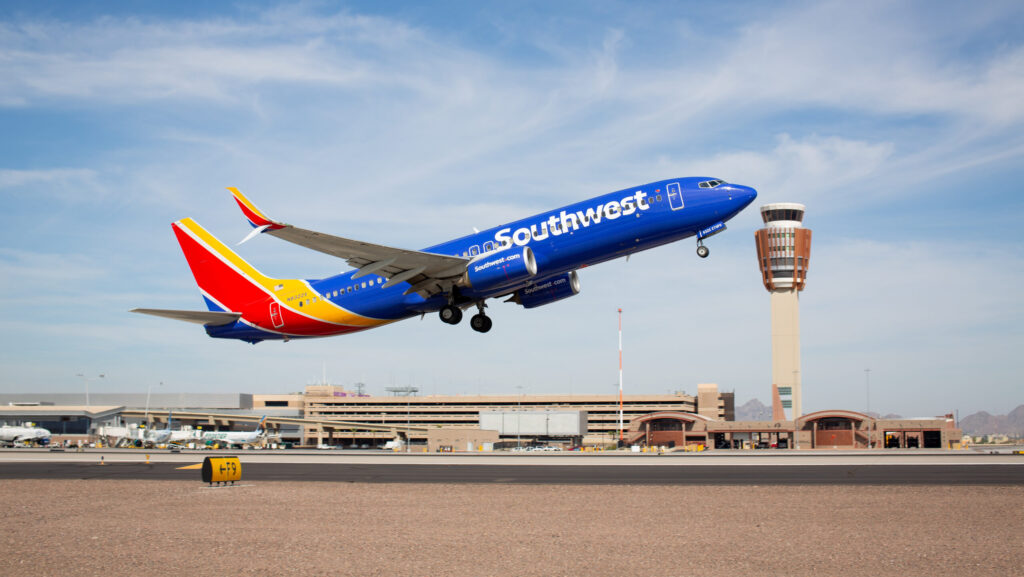
How Other Airlines Handle Seat Changes
Policies vary across carriers. Delta Air Lines allows movement to empty seats within the same cabin at crew discretion, typically after boarding ends. Seat swaps between cabins or seat products must occur before service begins.
American and United Airlines also restrict movement into extra-legroom or premium economy seats unless authorized or paid for, even when seats remain empty after departure.
Historically, passengers often spread out when flights had open rows. Today, airlines maintain tighter control, reflecting changing industry economics rather than passenger comfort priorities.
Passenger Expectations Versus New Reality
Long-time travelers often expect unused seats to remain fair game once the aircraft departs. The new approach conflicts with habits built over decades of looser enforcement.
The shift illustrates how airline policies evolve with pricing strategies. While passengers may see empty seats as unused space, airlines view them as part of structured revenue planning.
Ultimately, airlines retain full authority over seating decisions. Passengers must now assume assigned seats remain fixed unless the crew approves changes.
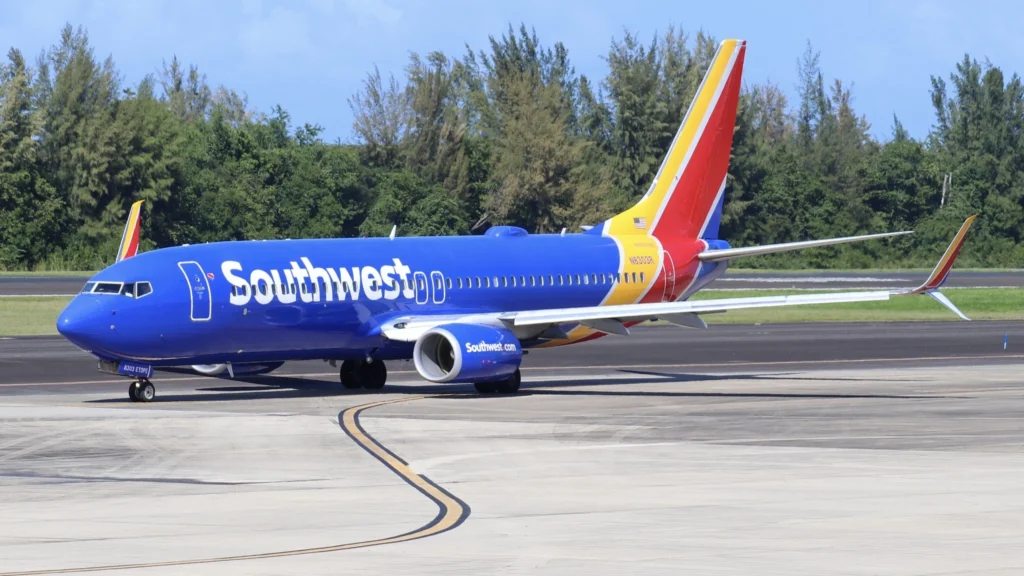
What Travelers Should Expect Going Forward
Passengers flying Southwest or other carriers should plan to stay in assigned seats unless the crew grants permission. Travelers seeking extra comfort should consider purchasing preferred seating in advance.
Understanding airline seating policies before travel can prevent onboard disputes and improve the overall travel experience.
Stay tuned with us. Further, follow us on social media for the latest updates.
Join us on Telegram Group for the Latest Aviation Updates. Subsequently, follow us on Google News
