

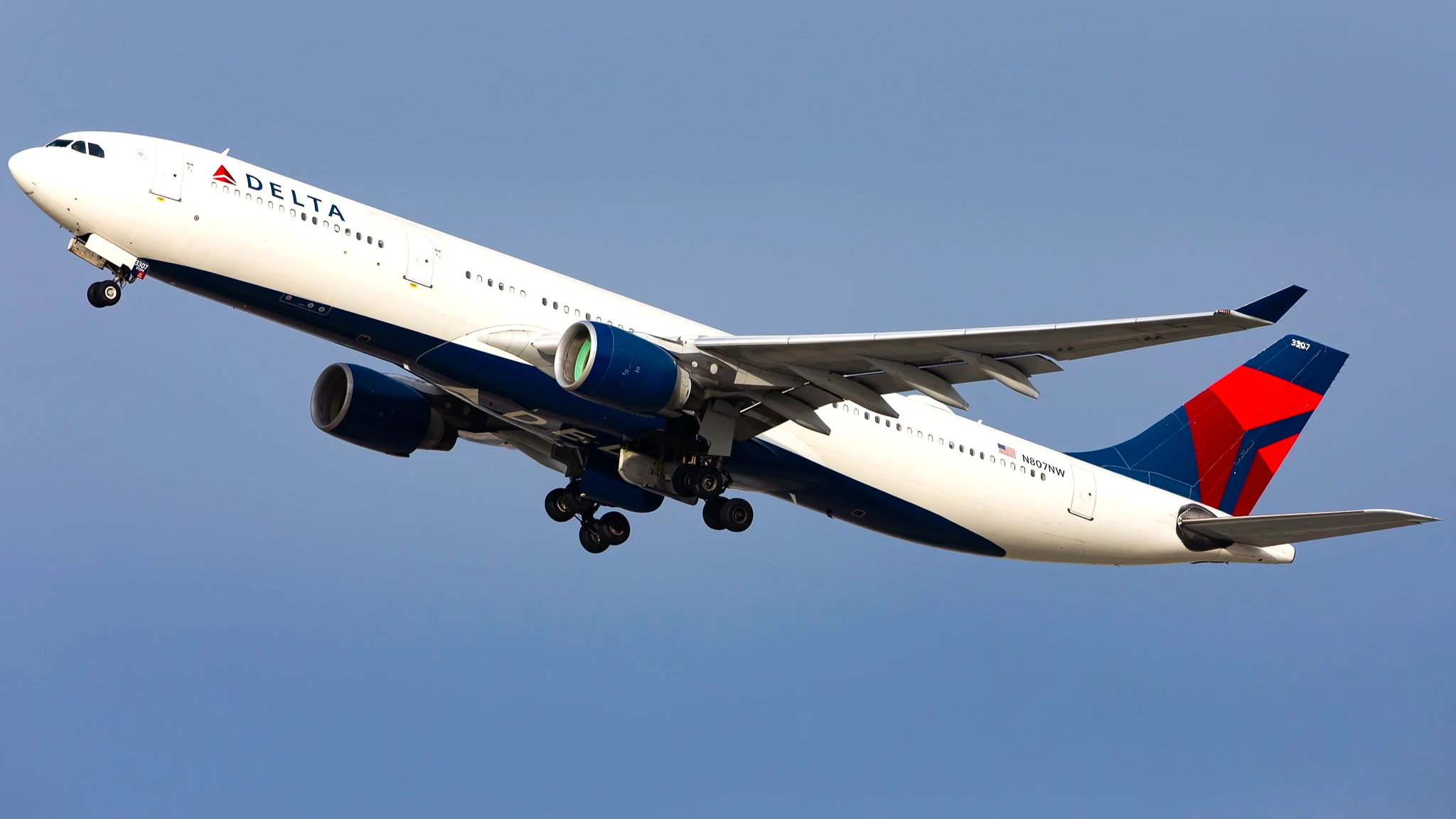
ATLANTA- An Israeli deportee allegedly faked a heart attack aboard a Delta Air Lines (DL) flight from New York (JFK) to Tel Aviv (TLV) in what has been described as a desperate bid to avoid arrest in Israel.
The incident forced an emergency diversion to Dublin while the aircraft was flying over Ireland.
Irish police, alerted through an Interpol Red Notice, intervened after landing. The case highlights the financial impact of diversions and the legal framework governing deportees on commercial flights.
Delta Passenger Fakes Heart Attack
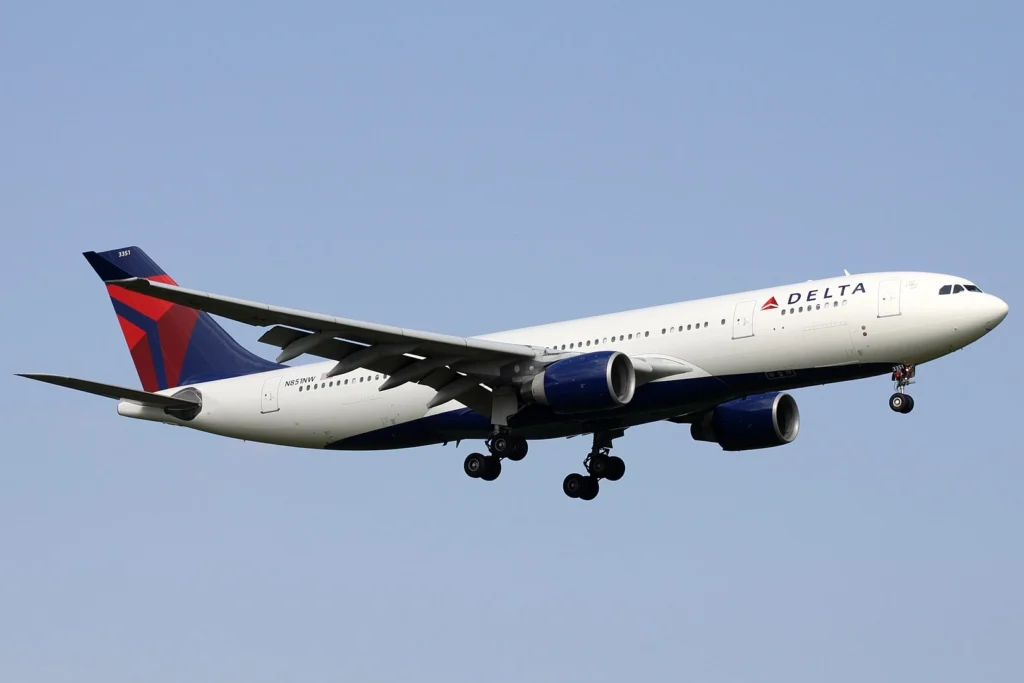
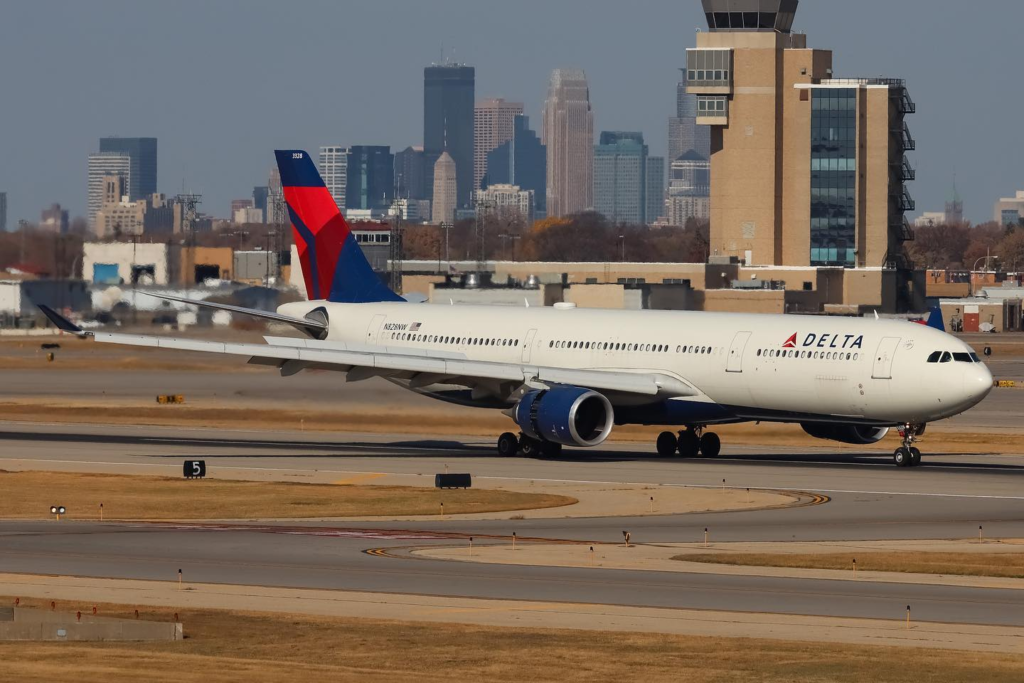
On February 2, an Airbus A330 operated by Delta Air Lines (DL) departed New York JFK bound for Tel Aviv.
While en route to Israel and flying over Ireland, passenger Elazar Wigdorowitz allegedly faked a mile high heart attack.
The flight crew treated the situation as a genuine medical emergency. Following established aviation safety protocols, pilots declared an emergency and diverted to Dublin Airport.
Paramedics were positioned on arrival, and the passenger was transported to a local hospital for assessment.
Wigdorowitz had previously been apprehended by US Customs and Border Protection after attempting to enter the United States illegally from Canada. He pleaded guilty to improper entry and was being deported to Israel at the time of the flight.
It is alleged that he sought to avoid landing in Israel, where he is wanted on multiple charges.
According to PYOK, these charges include conspiracy to defraud, forgery with intent, use of forged documents, fabricating evidence, and obstruction of evidence.
Irish Police Response and Extradition Framework
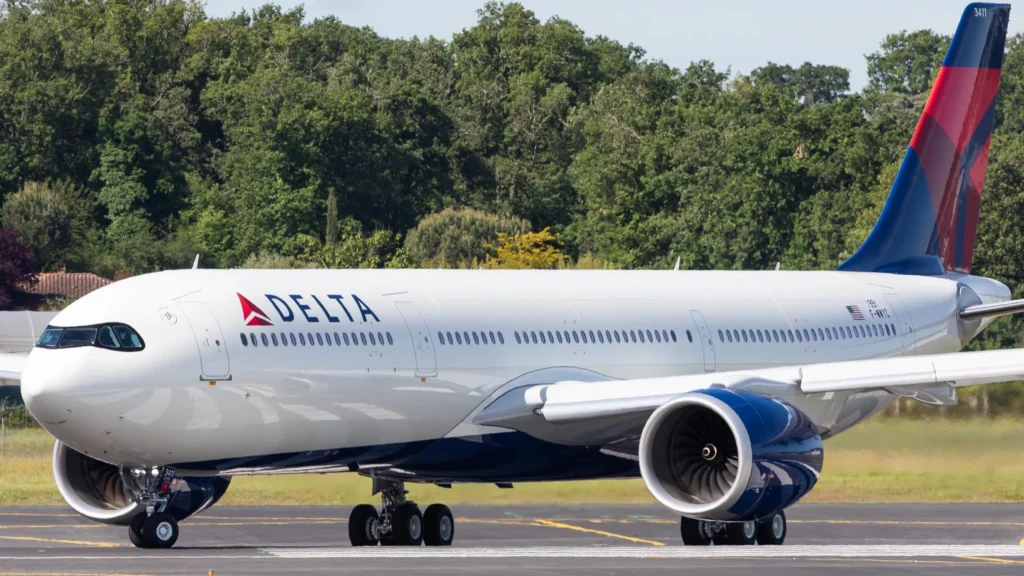
Ireland’s national police force, the Gardai, was aware of Wigdorowitz’s background through an Interpol Red Notice.
Although a Red Notice is not an arrest warrant, it enables member states to locate and provisionally detain individuals pending extradition proceedings under domestic law.
Gardai officers were dispatched to the Dublin hospital where the passenger had been taken. As a member of the European Union, Ireland maintains an extradition treaty with Israel.
This legal framework allows authorities to act on valid international requests and return suspects to face charges.
The coordinated response demonstrates the role of international law enforcement cooperation in aviation related incidents involving cross border criminal cases.
Deportees on Commercial Flights
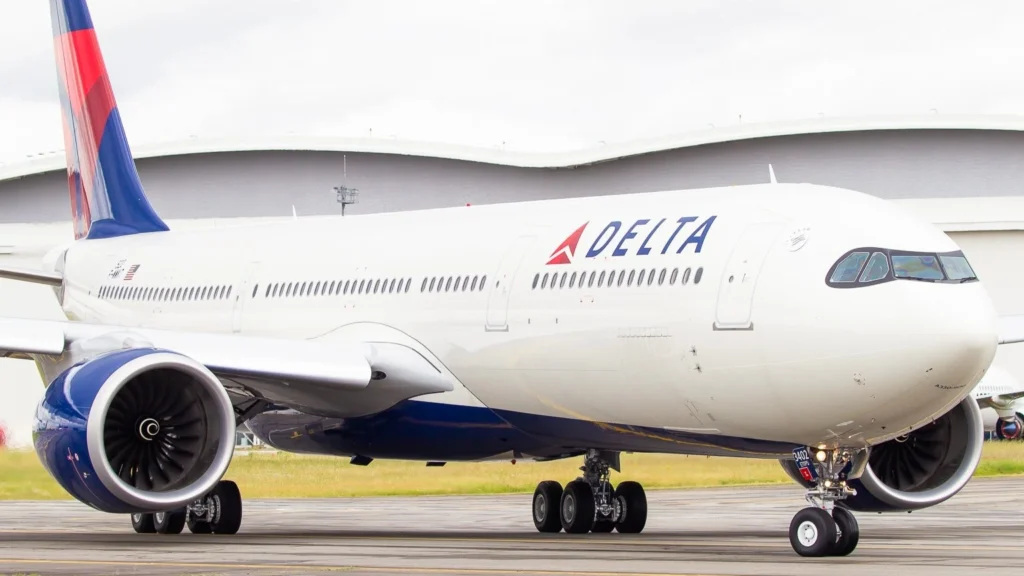
There has been commentary online questioning why Wigdorowitz was being returned to Israel on a regular commercial flight without a security escort. However, transporting deportees on scheduled passenger services is common practice.
Airlines are often legally required to accept deportees under government direction. In many cases, when an individual agrees to removal and does not present a known security threat, authorities permit travel without escorts.
Some pilot and flight attendant unions have expressed concerns about carrying deportees on commercial flights.
Despite these concerns, the practice remains standard in international removal operations.
This case illustrates a key operational risk. Medical complaints at altitude must be treated as credible until proven otherwise.
Crews cannot ignore symptoms that may indicate cardiac distress, regardless of later findings.
Financial Impact on the Airline
A transatlantic diversion carries high operational costs. Industry estimates suggest that a long-haul diversion can cost up to $150,000.
Expenses include additional fuel burn, landing and handling charges, crew duty time adjustments, passenger reaccommodation, and aircraft rotation disruption.
In this case, the diversion occurred through no fault of Delta Air Lines. The airline incurred substantial expense while complying with safety obligations and standard emergency response procedures.
Stay tuned with us. Further, follow us on social media for the latest updates.
Join us on Telegram Group for the Latest Aviation Updates. Subsequently, follow us on Google News
