

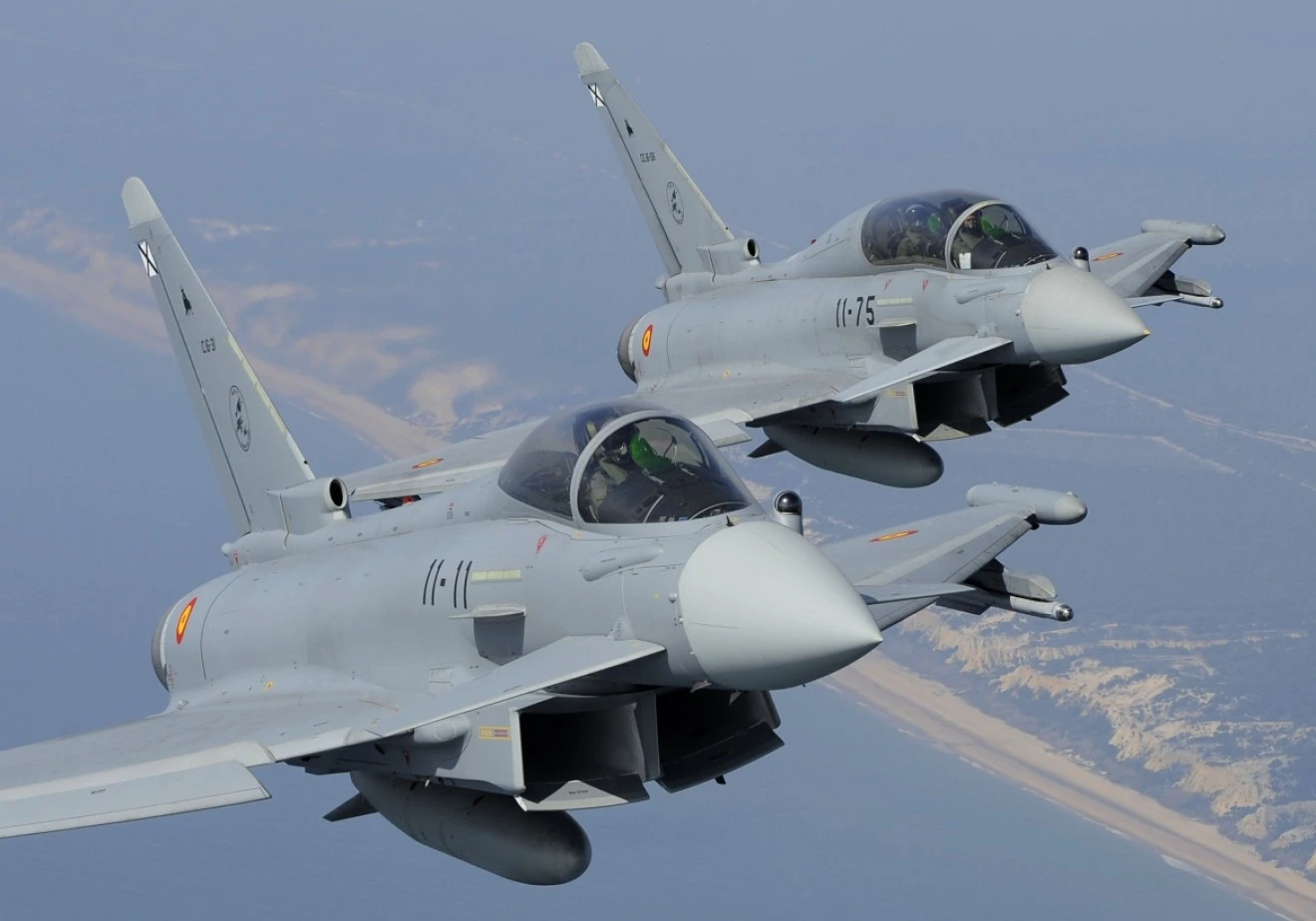
TOULOUSE- Airbus has signaled support for a two-fighter approach to prevent the Future Combat Air System from collapsing amid disputes over the Next Generation Fighter pillar.
The Future Combat Air System remains a joint effort by France, Germany, and Spain, but stalled negotiations and diverging national requirements have raised fresh doubts about its structure and governance.
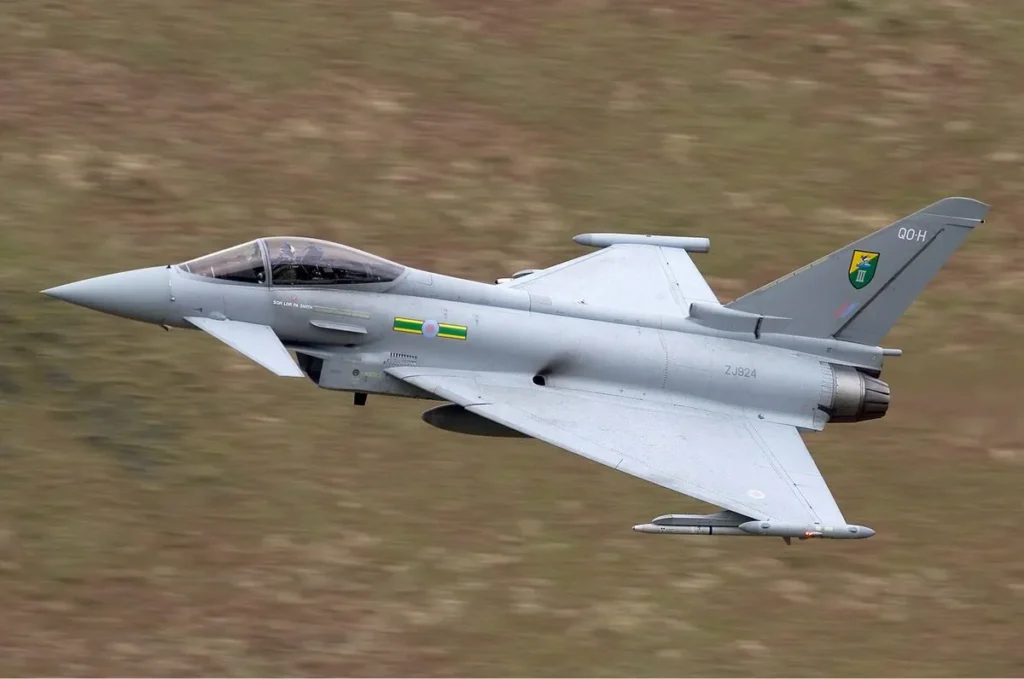
Airbus Backs Two-Fighter Structure
Airbus Chief Executive Officer Guillaume Faury stated that the Future Combat Air System program is at a critical stage.
The impasse centers on the Next Generation Fighter segment, where disagreements between Airbus and Dassault Aviation over work share, leadership, and technology transfer have slowed progress.
FCAS, launched in 2017, aims to deliver a sixth-generation combat air system that integrates a crewed fighter, remote carrier drones, advanced engines, and a digital combat cloud. While the NGF pillar faces delays, Airbus confirmed that other program elements are progressing as planned.
Faury emphasized that one stalled component should not undermine the entire initiative. He said Airbus would support a two-fighter structure if mandated by participating governments.
Under this scenario, separate fighter designs could meet differing national requirements while preserving broader European cooperation on shared systems such as engines, sensors, and networked combat capabilities.
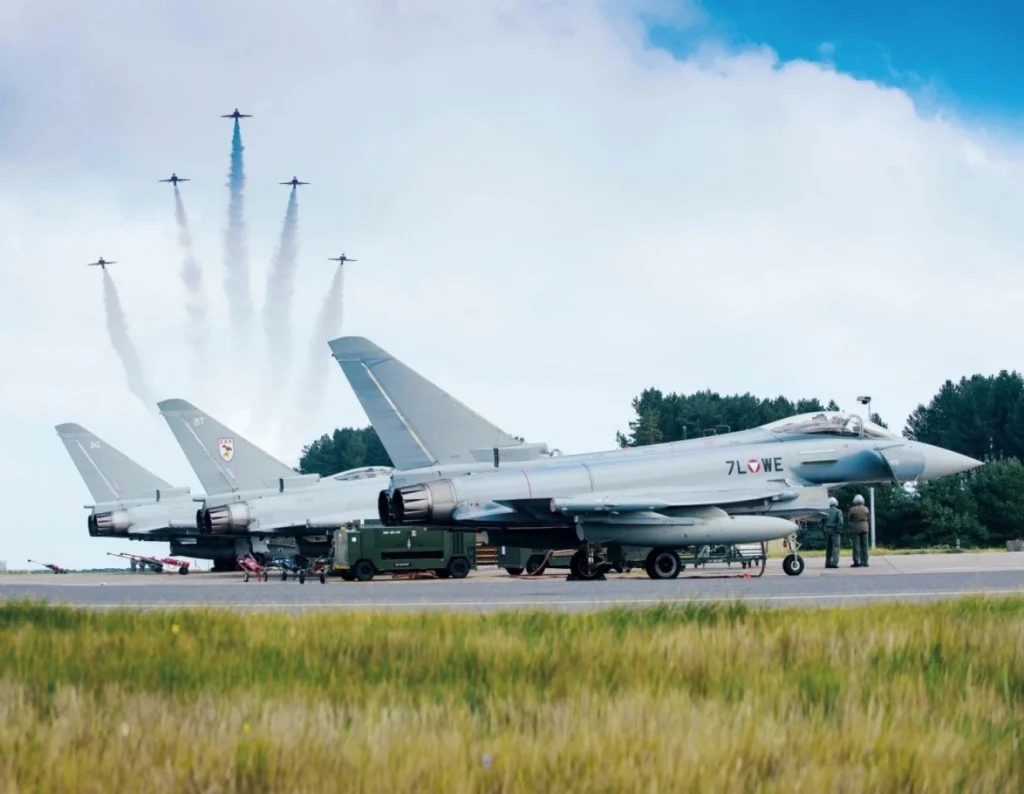
Political Tensions and Diverging Requirements
Germany and France face clear differences in operational needs. German Chancellor Friedrich Merz recently stated that Germany does not currently require the same aircraft configuration as France. French officials have consistently maintained that their future fighter must operate from aircraft carriers and retain nuclear delivery capability to ensure sovereign deterrence.
Merz indicated that without alignment on requirement profiles, the project cannot continue in its current form. Belgian Defence Minister Theo Francken interpreted those remarks as signaling the program’s potential collapse, adding that Belgium may reassess its observer status.
Despite political strain, Airbus maintains that the broader FCAS concept remains strategically relevant. Faury stressed that decisions on restructuring rest with the customer nations, not industry partners, Defense News reported.
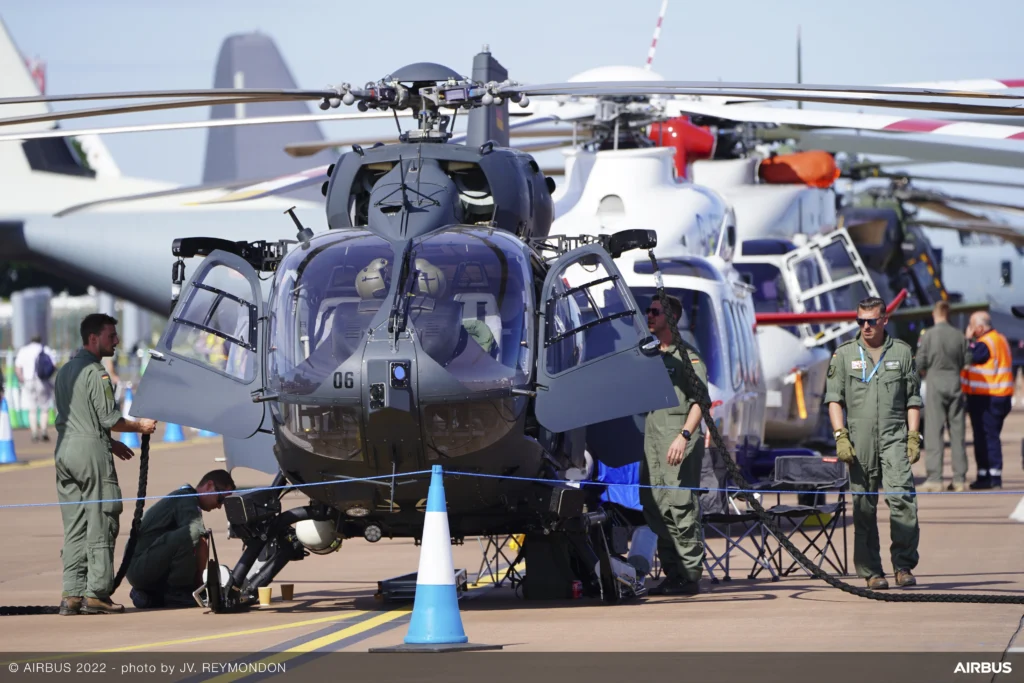
Cooperation Versus Fragmentation in European Defense
Airbus has invested significant time and resources into FCAS and continues to advocate for a cooperative solution. Faury avoided committing to alternative partnerships, including independent fighter development or joining the British-Italian-Japanese Global Combat Air Programme. He noted that any shift would depend entirely on government direction.
The European requirement for an advanced combat air capability remains unchanged. Air forces face a strategic dilemma: invest heavily in new crewed fighters or accelerate a transition toward unmanned systems.
According to Airbus leadership, manned aircraft will remain necessary for the foreseeable future, even as autonomous capabilities mature.
The broader FCAS framework reflects this hybrid vision, combining a crewed fighter with remote carriers and digital combat integration.
Eurodrone Uncertainty Adds Pressure
The Eurodrone program, led by Airbus and designed to deliver a long-range unmanned aerial system, is also under review. Discussions among partner nations continue regarding their future structure. While most partners support continuation, France is reportedly negotiating an exit with Germany, Italy, and Spain.
This parallel uncertainty underscores broader coordination challenges within European defense programs.
Airbus maintains that a solution is still possible. The outcome now depends on political alignment among participating governments before further industrial decisions can proceed.
Stay tuned with us. Further, follow us on social media for the latest updates.
Join us on Telegram Group for the Latest Aviation Updates. Subsequently, follow us on Google News
