

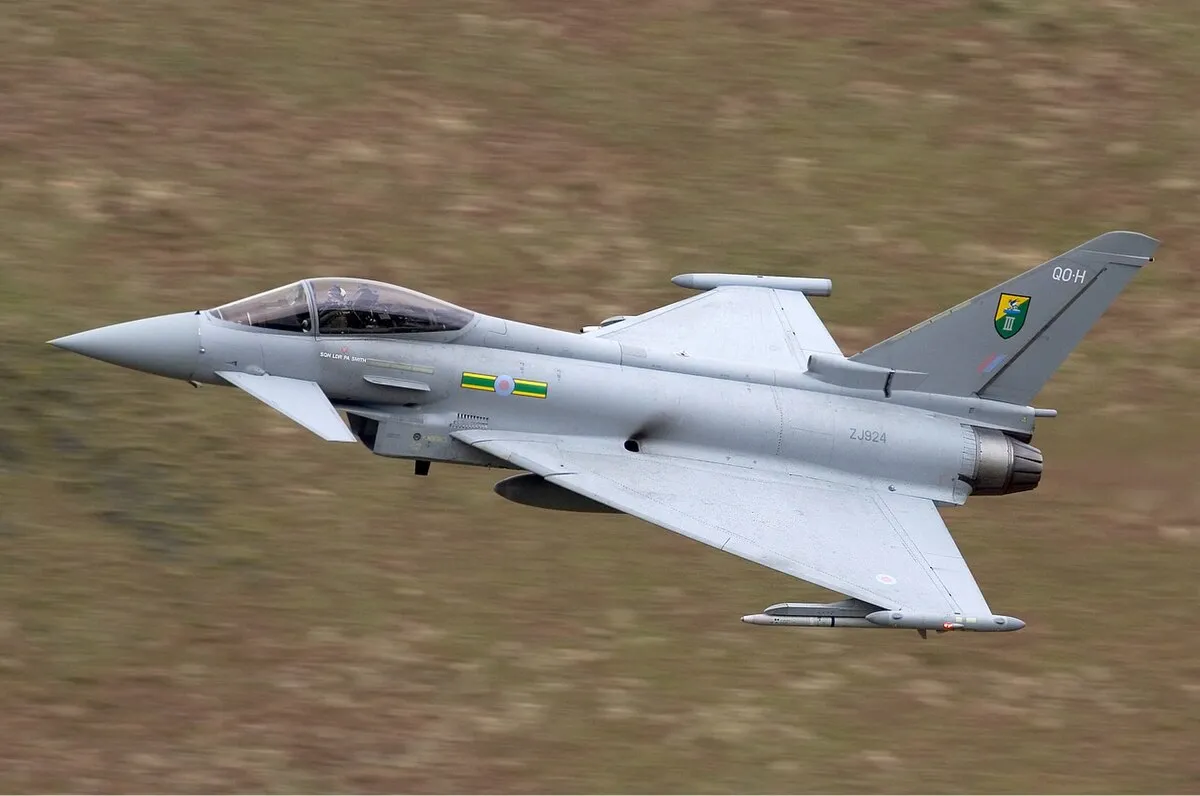
BRUSSELS— The Eurofighter Typhoon has surpassed one million flying hours, marking a rare milestone for a modern swing-role combat aircraft. The achievement was confirmed in January 2026 and reflects decades of continuous operations across multiple air forces and mission profiles, rather than a short burst of intensive wartime use.
The milestone was reached through coordinated activity across Europe and partner regions, with program management centered in Munich. It highlights how sustained training, readiness, and modernization can keep a fourth-generation platform operationally relevant in a rapidly evolving air combat environment.
Unlike newer fifth-generation fighters, the Typhoon was designed before stealth dominance became central to airpower doctrine. Even so, its adaptability and steady upgrade path have allowed it to remain heavily used across air defense, strike, and alliance operations.
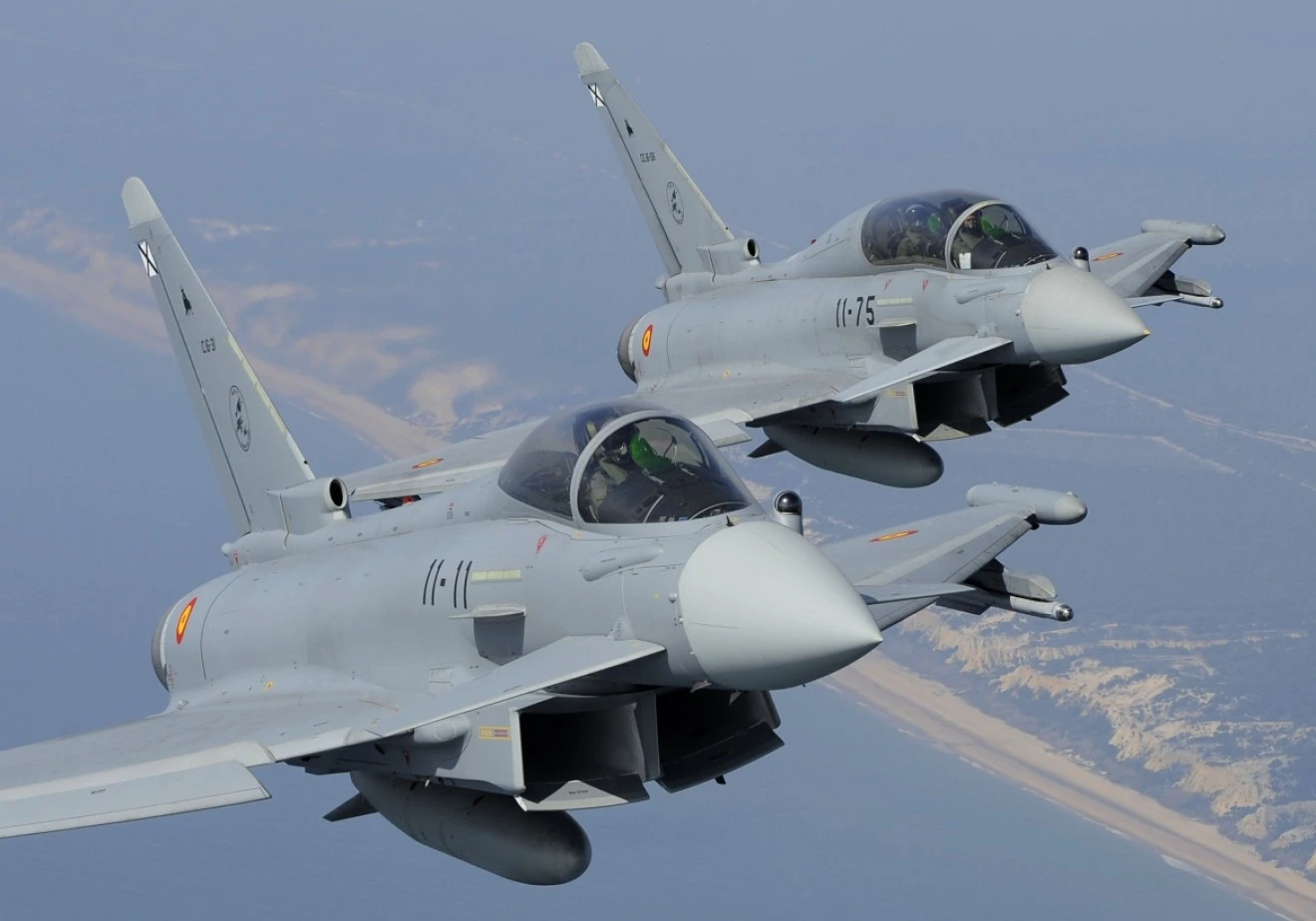
Eurofighter Typhoon Completes Million-Hour
Crossing one million flying hours places the Eurofighter Typhoon among a small group of globally proven combat aircraft. This figure represents decades of sorties, including routine training flights, quick reaction alert missions, NATO air policing, and overseas deployments.
The multinational nature of the program makes the milestone especially significant. Aircraft operated by different air forces, each with unique maintenance practices and mission demands, have collectively contributed to a single cumulative total.
High availability rates and a strong safety record have enabled consistent utilization. These factors allowed the fleet to log hours steadily rather than relying on short-term operational surges.
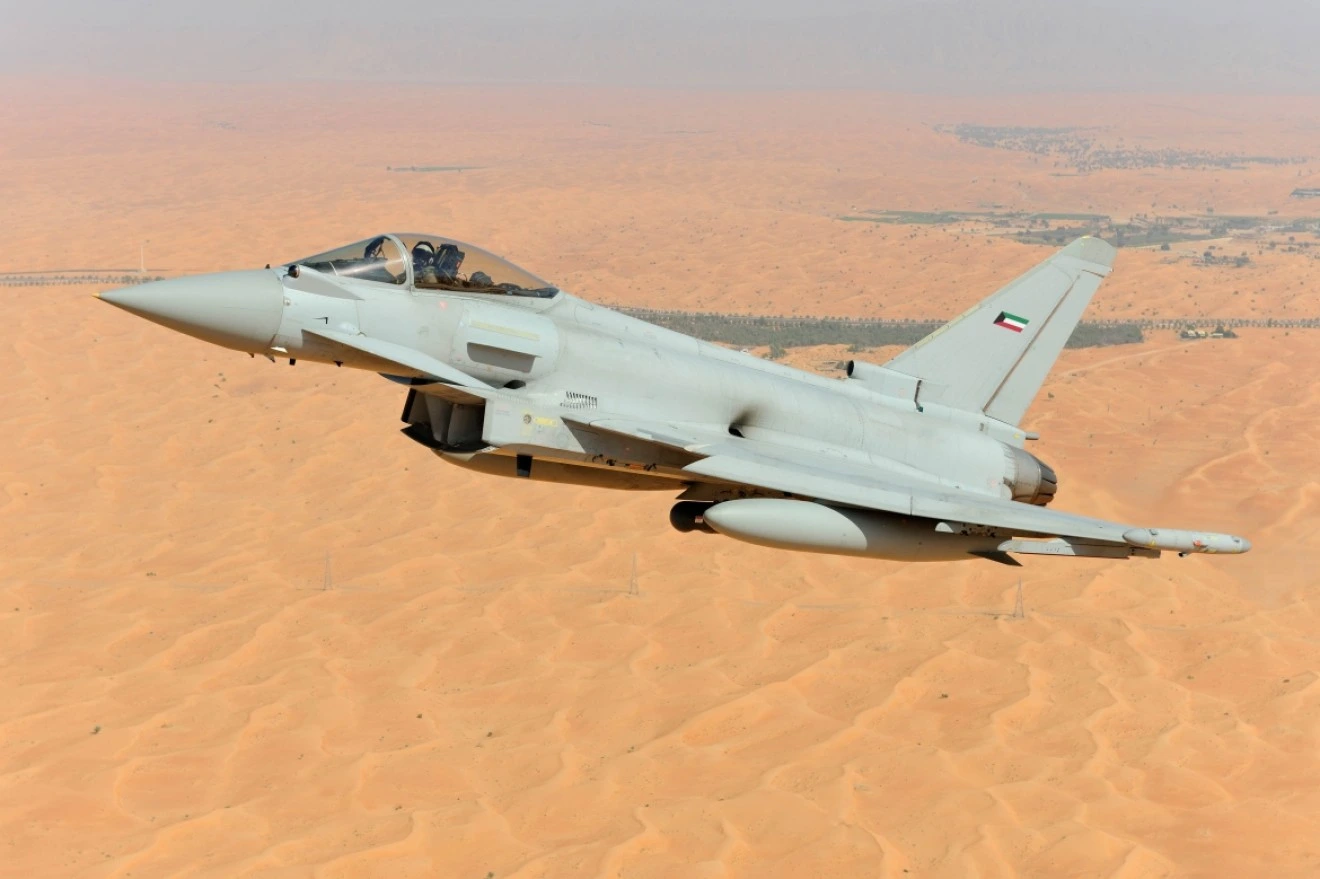
Eurofighter Typhoon Key Specifications
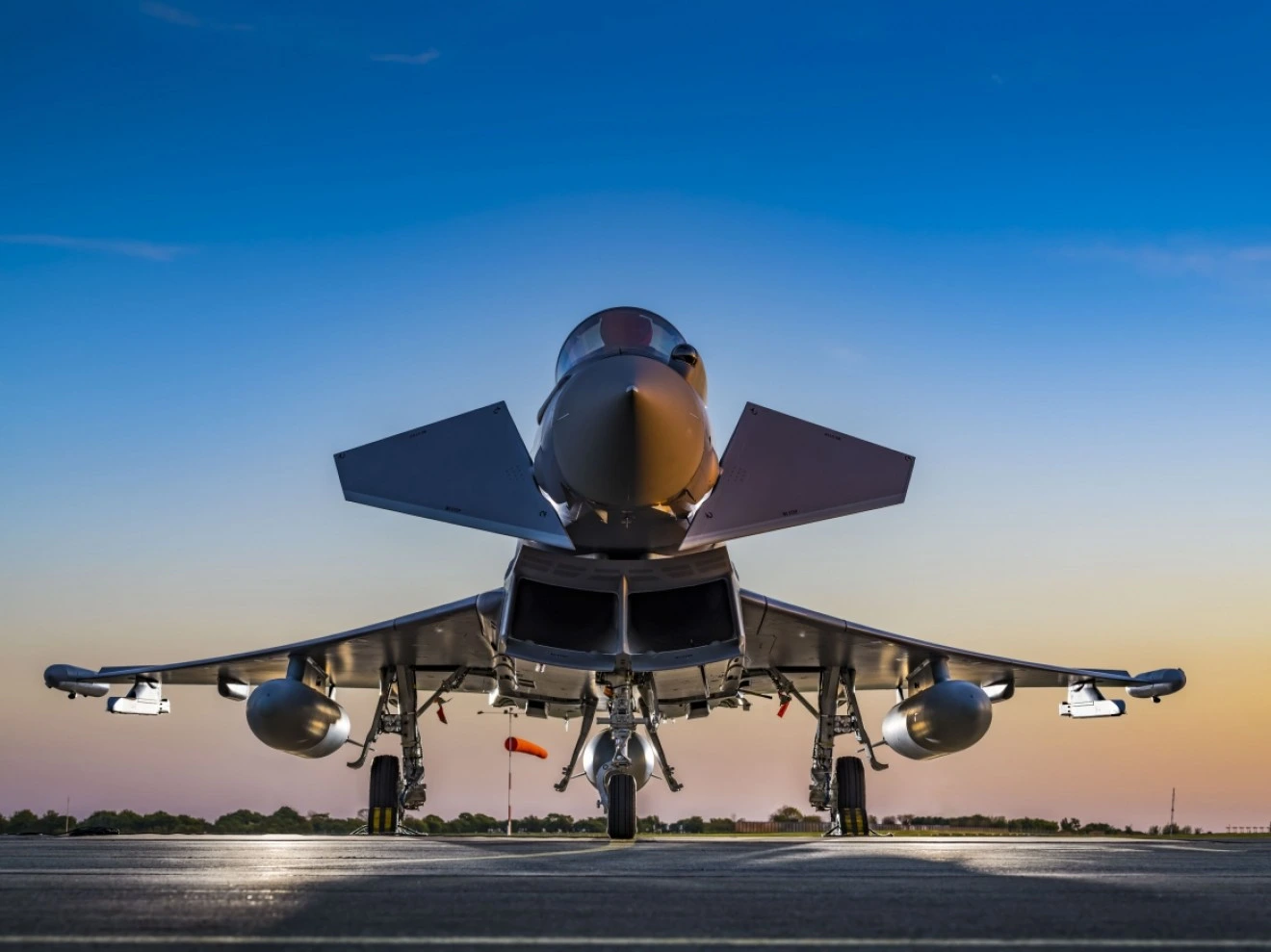
The Eurofighter Typhoon is a twin-engine, swing-role combat aircraft designed for air superiority and precision strike missions. It features a lightweight airframe and advanced avionics optimized for high-intensity operations.
- Crew: Single-seat (operational variants)
- Engines: Two Eurojet EJ200 afterburning turbofans
- Maximum Speed: Above Mach 2
- Supercruise: Mach 1.3+ without afterburner
- Service Ceiling: Over 55,000 feet
- Combat Radius: Approximately 1,300 km
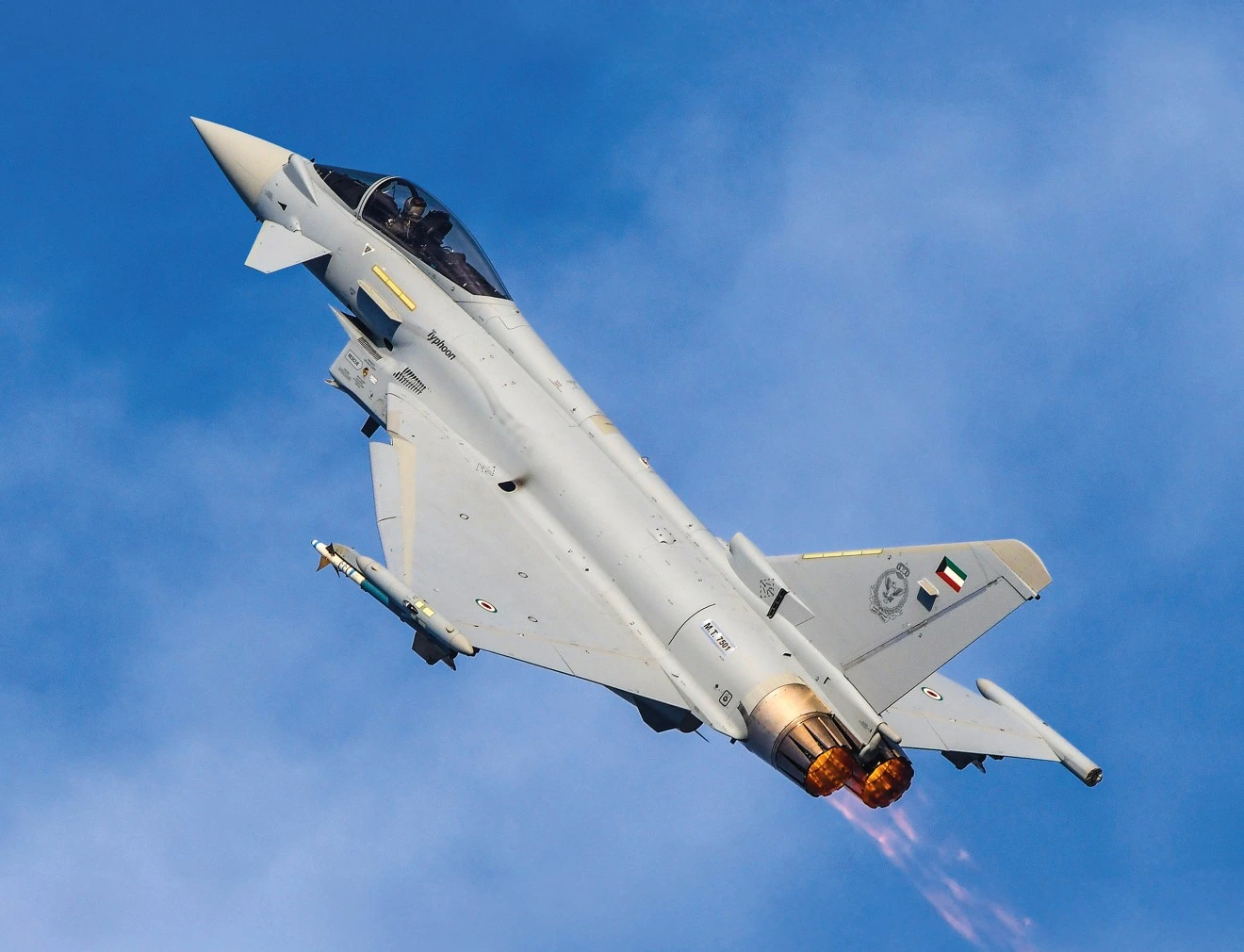
The aircraft combines high thrust-to-weight performance with digital flight controls, enabling exceptional agility and sustained supersonic flight.
- Radar: CAPTOR series, including AESA on newer variants
- Sensors: IRST, helmet-mounted display, integrated defensive aids
- Hardpoints: Up to 13 for weapons and external stores
Armament flexibility supports true swing-role operations.
- Air-to-Air: Meteor, AMRAAM, IRIS-T, ASRAAM
- Air-to-Ground: Paveway family, Brimstone, Storm Shadow
With continuous upgrades and new electronic warfare capabilities, the Eurofighter Typhoon remains one of the most capable fourth-generation fighters in frontline service.
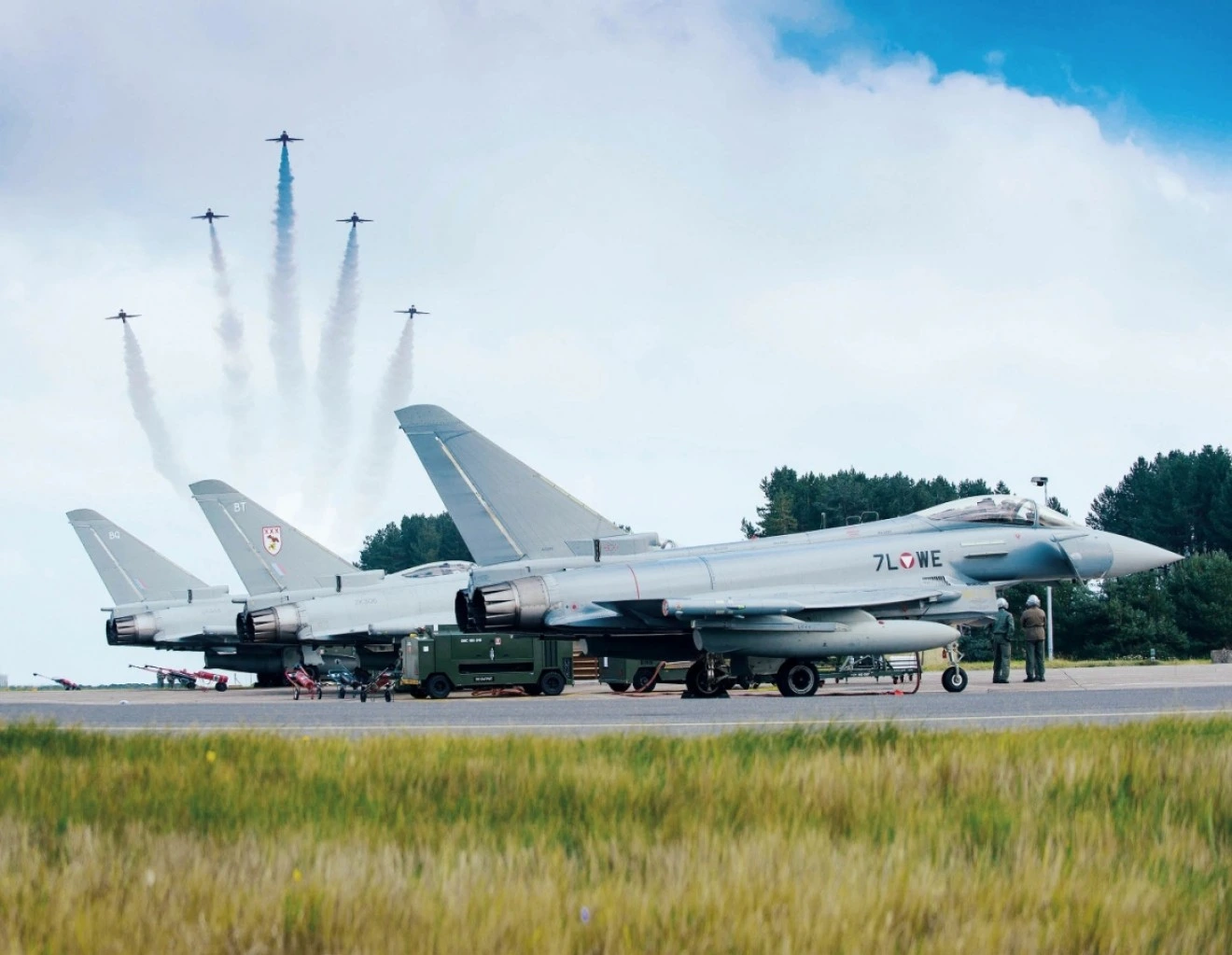
Global Operator Network
The Eurofighter Typhoon is operated by nine air forces across Europe and the Middle East. Core partner nations include the United Kingdom, Germany, Italy, and Spain, while export operators include Austria, Saudi Arabia, Oman, Kuwait, and Qatar.
More than 600 aircraft remain in active service worldwide, distributed across dozens of squadrons. These fleets operate in environments ranging from Arctic airspace to desert conditions, placing varied demands on airframes and onboard systems.
This operational diversity has accelerated technical maturity. Feedback from multiple climates and mission types has driven improvements in reliability, cooling, avionics stability, and maintainability across the entire fleet.
Evolution And Upgrades
The Typhoon began service as a dedicated air superiority fighter, optimized for speed, agility, and beyond-visual-range combat. Early flight hours were dominated by air defense patrols and training sorties focused on fighter tactics.
Over time, weapons and software upgrades transformed the aircraft into a true swing-role platform. Integration of precision-guided munitions and long-range strike weapons expanded mission scope and increased average sortie duration.
Newer variants with enhanced power generation and sensors now absorb the most demanding missions. Planned upgrades, including advanced AESA radar and electronic warfare capabilities, are expected to drive even higher utilization through the 2030s.
The one-million-hour mark signals confidence in the aircraft’s future. Rather than approaching retirement, the Typhoon is positioned to operate alongside newer platforms as a networked combat asset.
Bottom Line
Surpassing one million flying hours confirms the Eurofighter Typhoon’s position as one of the most heavily used and operationally trusted combat aircraft in service today.
The milestone reflects sustained multinational cooperation, high availability rates, and a continuous upgrade path that has kept the aircraft relevant across air defense, strike, and alliance missions.
Rather than signaling the end of its operational life, the achievement underscores the Typhoon’s enduring value as a swing-role platform.
With advanced sensors, expanded weapons integration, and planned service well into the 2030s, the aircraft is set to remain a core element of European and allied airpower for years to come.
Stay tuned with us. Further, follow us on social media for the latest updates.
Join us on Telegram Group for the Latest Aviation Updates. Subsequently, follow us on Google News
