

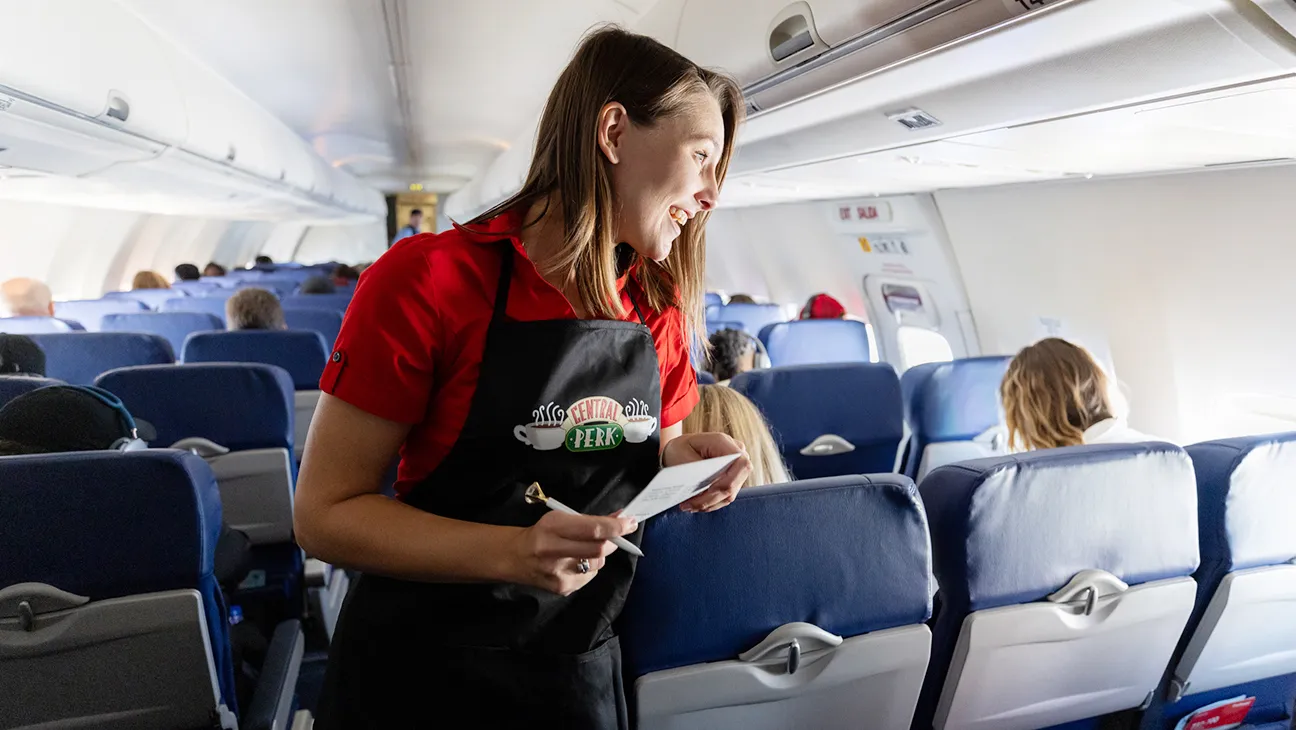
DALLAS- Southwest Airlines (WN) faces growing resistance from its own cabin crew after new seating and baggage policies increased pressure on overhead bin space.
Flight attendants argue that management decisions to fix passenger baggage issues now disrupt crew storage and working conditions.

Southwest Adjusts Boarding and Luggage Rules
Southwest Airlines recently replaced its long-standing open seating system with assigned seating, aiming to improve boarding order and customer experience. However, the shift has produced unintended consequences, especially around overhead bin availability.
Passengers seated at the front now board early and fill bins quickly. Limited storage then creates conflict during boarding as later passengers struggle to stow carry-on baggage.
Flight attendants also face difficulty because Southwest aircraft lack dedicated crew luggage closets. Instead, crew members rely on reserved overhead bins located near the front of the cabin, allowing them to monitor personal belongings and access work items easily.
To ease passenger complaints, Southwest decided to move the crew-only bin toward the rear of the aircraft. The union representing flight attendants, TWU Local 556, strongly opposed this decision, stating it was introduced without proper consultation.
According to PYOK, union leadership views the move as management transferring operational problems onto frontline employees rather than addressing root causes.
Why Overhead Storage Has Become a Major Issue
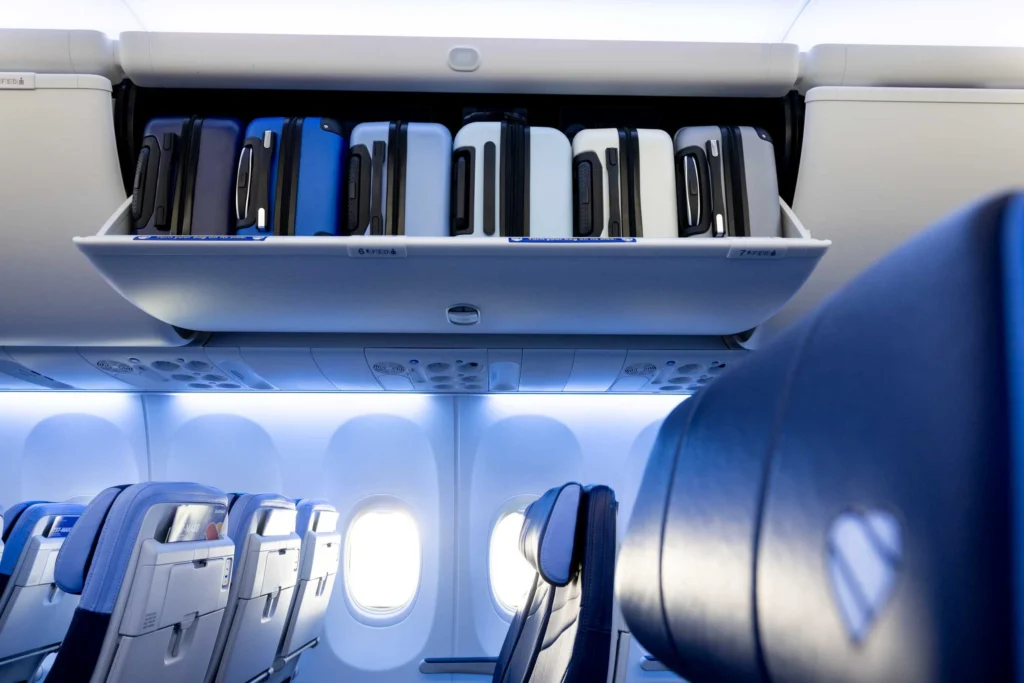
Single-aisle aircraft have long struggled with limited cabin baggage space. Assigned seating intensifies the challenge because early-boarding passengers secure bin space quickly, leaving little room for others.
Southwest’s situation is more complicated because crew luggage currently shares passenger storage areas. Moving the crew bin rearward means flight attendants must walk through crowded cabins during boarding and after landing, which can affect safety and workflow.
On newer aircraft, crew bins often include locks to prevent passenger access. Southwest plans to install locking mechanisms fleet-wide, but many aircraft still lack this feature during the transition period.
Union Pushback and Proposed Alternatives
TWU Local 556 proposed several operational alternatives:
- Move crew bins only slightly back to rows seven or eight.
- Temporarily close bins during boarding to manage loading flow.
- Allow flight attendants to gate-check luggage when necessary.
Union representatives state these solutions would balance passenger needs and crew operations. However, Southwest management rejected these proposals while continuing with its current plan.
The union maintains its priority remains crew safety, professional working conditions, and operational practicality.
Industry Context and Operational Learning Curve
Most airlines using assigned seating have long dealt with cabin baggage congestion. Larger overhead bins on newer aircraft models help reduce pressure, but fleet upgrades take time.
For Southwest, the transition away from open seating represents a significant operational shift for passengers, crew, and management. Industry observers note that baggage and boarding conflicts commonly emerge during such transitions before procedures stabilize.
The airline now faces the challenge of improving passenger experience while maintaining employee support and operational efficiency.
Stay tuned with us. Further, follow us on social media for the latest updates.
Join us on Telegram Group for the Latest Aviation Updates. Subsequently, follow us on Google News
