


Global commercial airlines around the world follow strict safety procedures before every departure and arrival, many of which passengers rarely notice or fully understand.
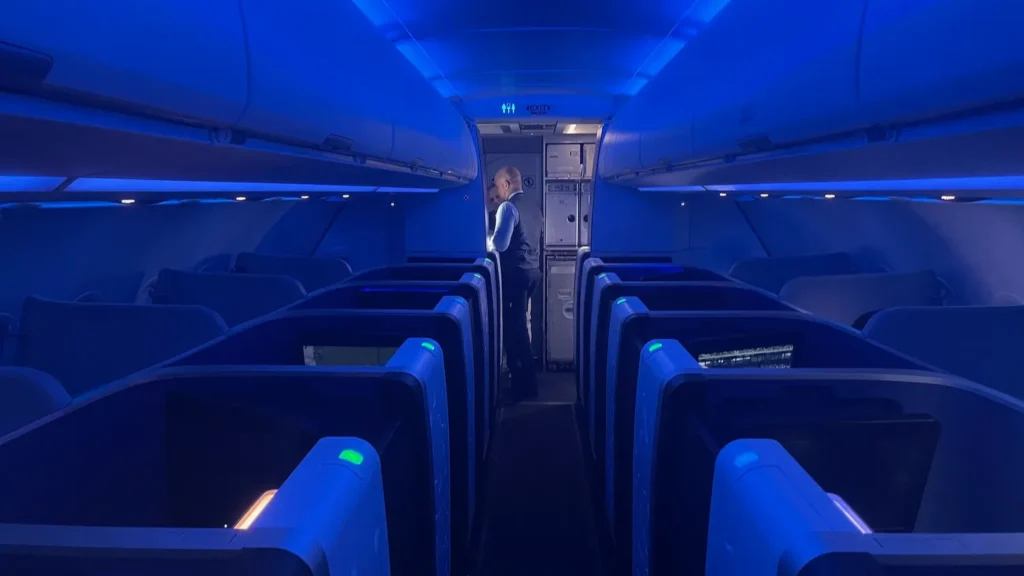
One of the most common practices is dimming or turning off the cabin lights during takeoff and landing, regardless of whether the flight is short-haul or long-haul.
From flights operated by American Airlines (AA), Delta Air Lines (DL), and Emirates (EK) to departures from London Heathrow Airport (LHR), Dubai International Airport (DXB), and Singapore Changi Airport (SIN), the procedure remains largely the same.
While some travelers assume the lights are dimmed to create a relaxing atmosphere or reduce electricity use, the primary purpose is to improve passenger safety during the two most critical phases of flight.
Passenger Safety During Takeoff
Takeoff and landing account for the highest percentage of aviation accidents and incidents. For that reason, airlines prepare both passengers and cabin crew for the possibility of an emergency, even though such events remain extremely rare.
Dimming the cabin lights helps passengers’ eyes gradually adjust to lower-light conditions.
Human vision requires time to adapt to darkness, and beginning this process before takeoff or landing allows passengers to see more clearly if electrical power is lost during an emergency evacuation.
This adjustment becomes particularly valuable if smoke fills the cabin or visibility is reduced. Instead of experiencing sudden darkness, passengers can identify exits more quickly and move toward emergency escape routes with greater confidence.
Emergency Evacuation Safety Process
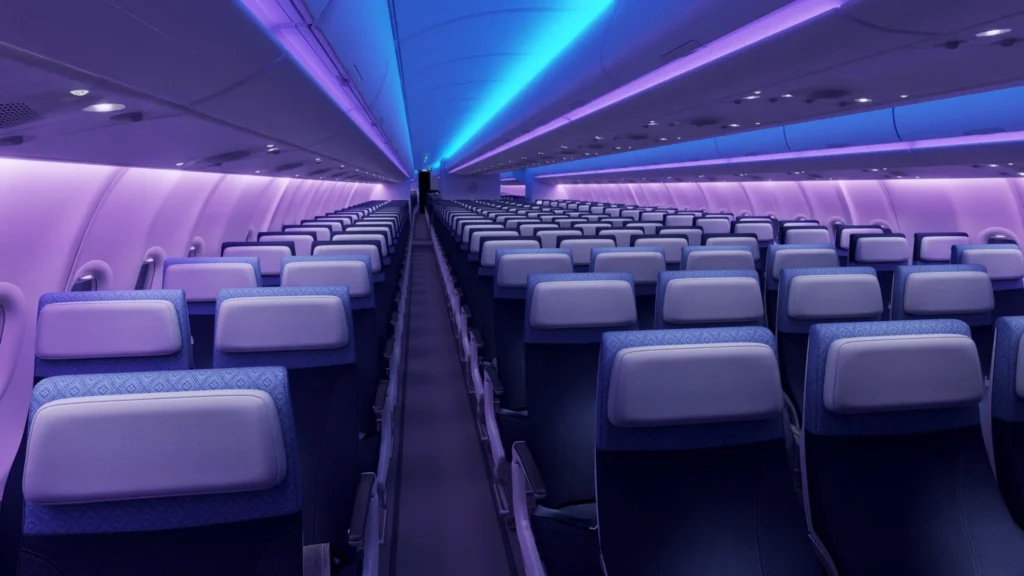
Commercial aircraft are certified to allow a complete evacuation within 90 seconds, even if only half of the emergency exits remain usable. Achieving that goal depends on passengers being able to locate illuminated exit signs, floor path lighting, and emergency doors without delay.
A darker cabin makes emergency lighting significantly more visible. Bright cabin lights can reduce the contrast between illuminated escape paths and the surrounding environment, slowing passenger recognition during an evacuation.
Cabin crew also benefit from improved visibility outside the aircraft. With reduced interior reflections on the windows, they can more easily detect engine fires, smoke, fuel leaks, or damage to the aircraft after an incident.
This information helps crew members determine which exits are safe to use and which should remain closed.
Other Essential Safety Procedures
The dimming of cabin lights works alongside several other safety measures introduced before takeoff and landing.
Flight attendants typically ask passengers to raise their window shades during daytime departures and arrivals so both passengers and crew can observe conditions outside the aircraft if an emergency occurs.
Passengers are also instructed to stow baggage, fasten seat belts, secure tray tables, and place electronic devices in the appropriate mode. Together, these procedures reduce evacuation time and improve safety during unexpected situations.
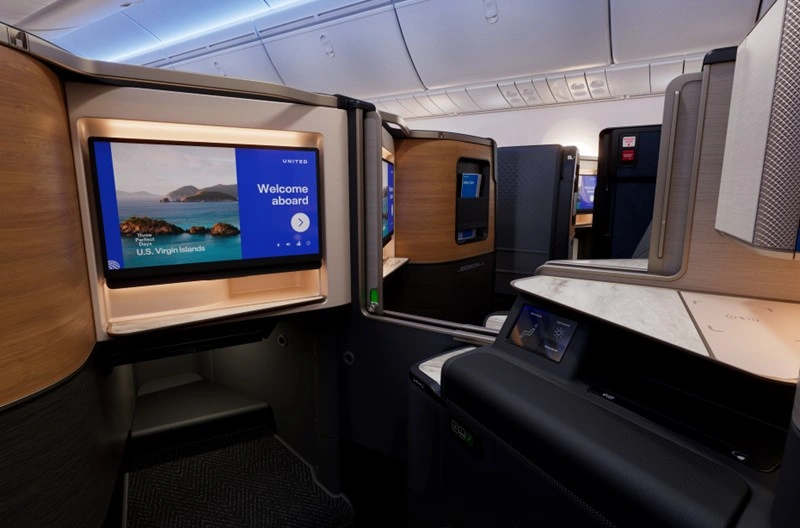
Many modern aircraft, including the Airbus A350 and Boeing 787 Dreamliner, feature advanced LED mood lighting systems, Simple Flying reported.
Although these systems can create a more comfortable cabin environment and help reduce fatigue on long-haul flights, passenger comfort is only a secondary benefit when lights are dimmed before takeoff and landing.
The procedure is based on decades of operational experience, scientific research on human vision, and international aviation safety standards.
While passengers may hardly notice the lights fading before departure or arrival, the practice plays an important role in helping cabin crew manage emergencies efficiently and improving the chances of a safe evacuation if one becomes necessary.
Stay tuned with us. Further, follow us on social media for the latest updates.
Join us on Telegram Group for the Latest Aviation Updates. Subsequently, follow us on Google News
