

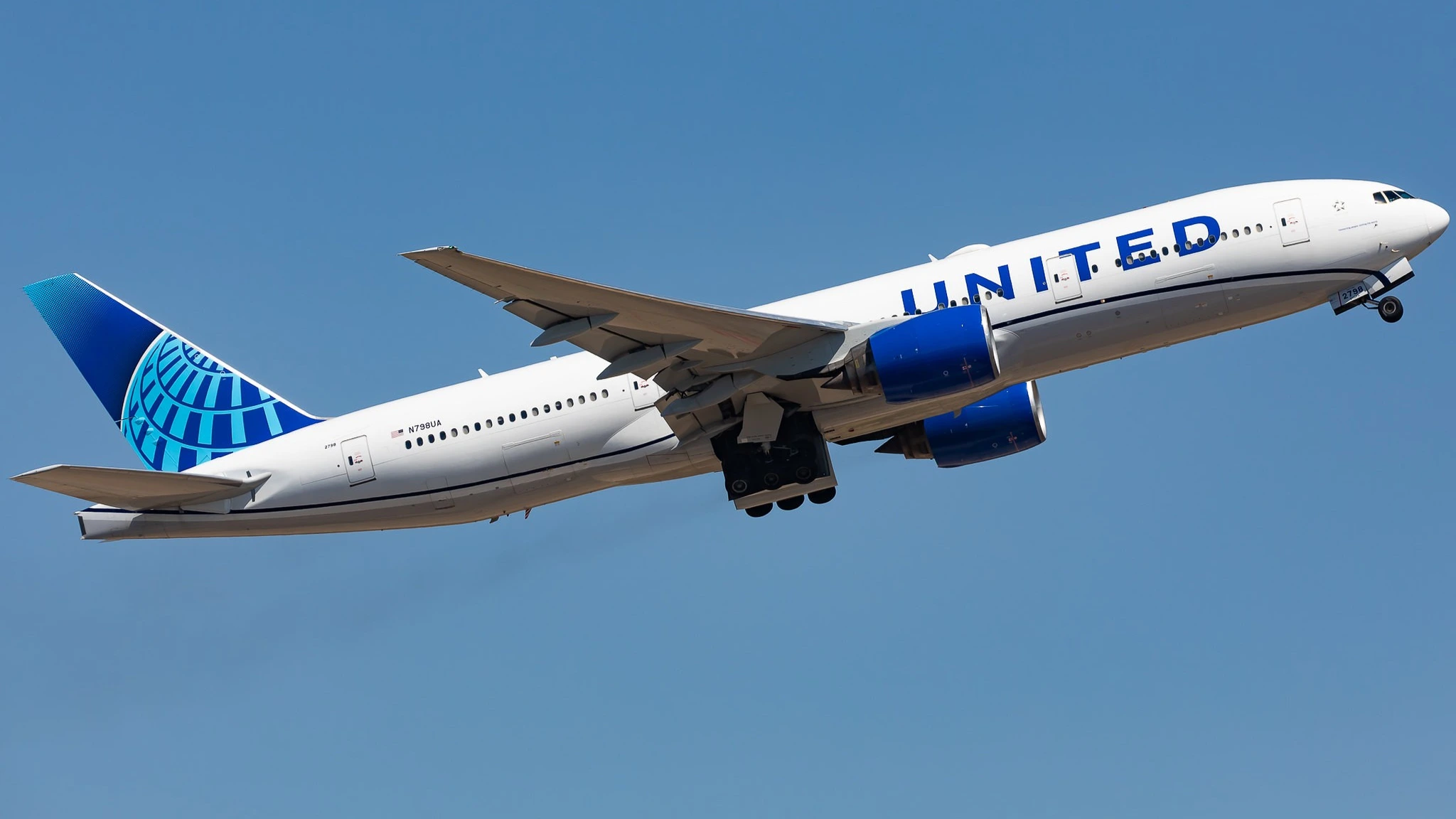
Thailand stands among the world’s most visited tourism destinations, yet no US airline currently operates a nonstop flight to the country. Despite rising American interest in Thai beaches, cuisine, and luxury resorts, carriers such as United Airlines (UA) have not launched direct services to Bangkok Suvarnabhumi Airport (BKK).
Thailand welcomed more than 35 million international visitors in 2024, reinforcing its position as a global tourism powerhouse. However, while demand from the United States continues to grow, operational economics, yield challenges, and route strategy considerations have kept nonstop US–Thailand flights off the map.
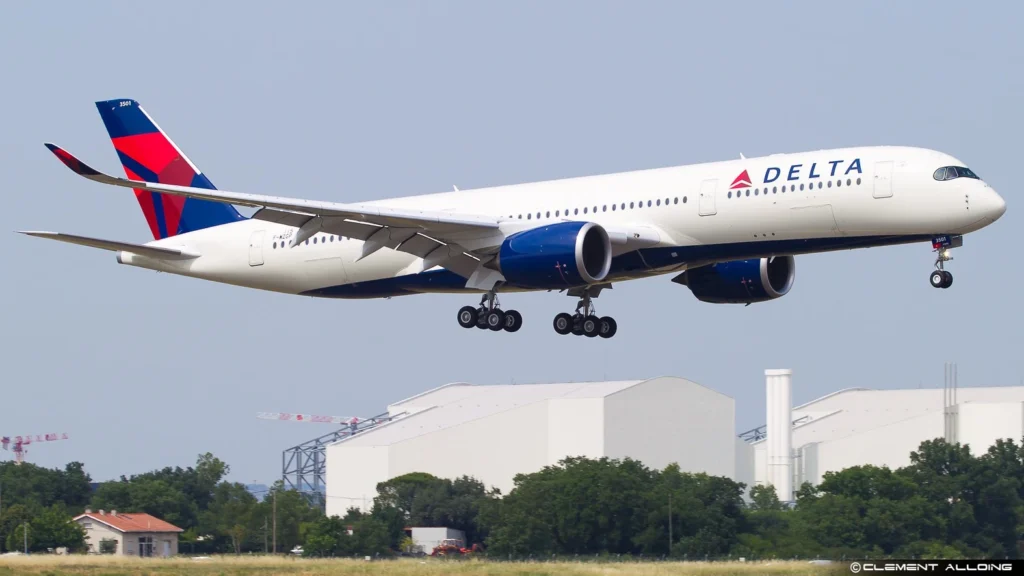
US Airlines Don’t Fly Nonstop to Thailand
For years, regulatory constraints limited Thailand’s aviation expansion into the United States. In 2015, the Federal Aviation Administration downgraded Thailand to a Category 2 safety rating, preventing Thai carriers from launching new US routes or expanding existing ones.
That restriction ended in April 2025, when Thailand regained its Category 1 status. The restoration technically cleared airlines such as Thai Airways (TG) to resume or launch nonstop services to the United States.
However, regulatory approval alone does not make a route viable. Airlines evaluate profitability, aircraft range, crew costs, airport fees, and expected premium demand before committing to ultra-long-haul operations.
Even after the safety rating upgrade, no Thai or US carrier announced immediate nonstop services. Instead, airlines have continued to rely on one-stop networks that reduce financial exposure while maintaining passenger connectivity.
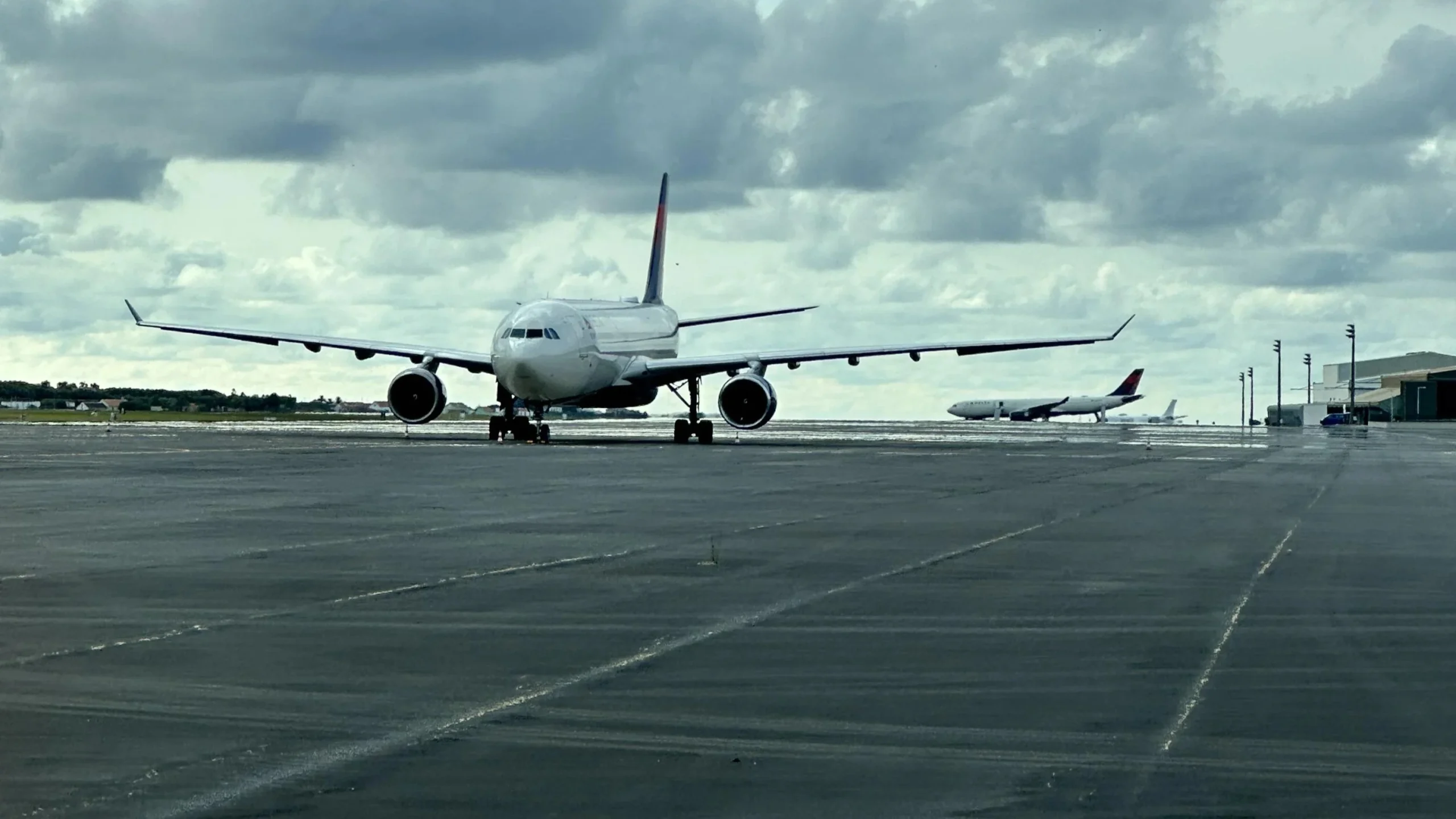
Ultra Long-Haul Economics of Thailand Operations
Distance remains the central challenge. The route between Los Angeles and Bangkok measures approximately 8,269 miles, placing it firmly within the ultra-long-haul category.
Flights of this length require high fuel loads, augmented flight crews, and careful payload management. Aircraft are tied up for extended periods, reducing daily utilization and increasing opportunity costs for airlines.
Ultra-long-haul services generally succeed when they connect major financial centers with strong premium cabin demand. Business travelers paying higher fares often subsidize economy passengers on such routes.
For example, Singapore Airlines (SQ) operates one of the world’s longest flights between Singapore Changi Airport (SIN) and John F. Kennedy International Airport (JFK) using Airbus A350-900ULR aircraft. That route benefits from strong corporate contracts and consistent premium demand.
Thailand’s US traffic profile differs significantly. Most passengers travel for leisure or to visit friends and relatives, making them highly price sensitive. These travelers frequently choose one-stop options that lower fares, even if travel time increases.
Without sufficient premium revenue, airlines face difficulty covering the high operating costs of nonstop ultra-long-haul services to Bangkok.
Historical Attempts of US-Thailand Operations
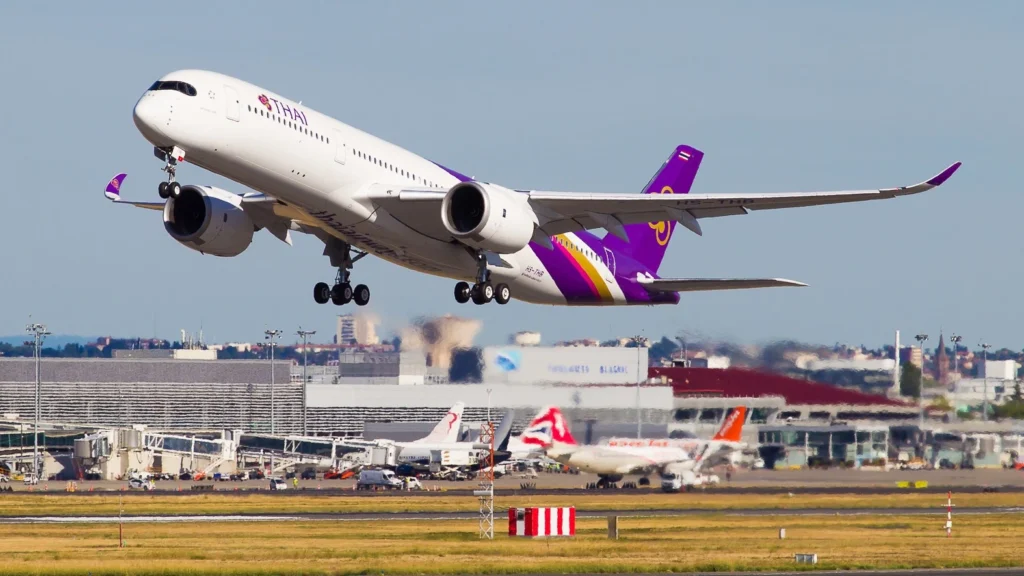
Thai Airways previously attempted to bridge the gap. From Bangkok, the airline operated nonstop services to both Los Angeles and New York John F. Kennedy International Airport using Airbus A340-500 aircraft.
While the flights attracted attention for their length, the Airbus A340-500 proved inefficient. High fuel burn combined with modest yields resulted in financial losses on each rotation.
Thai Airways discontinued the New York route in 2008. The Los Angeles service later shifted to a one-stop routing via Seoul before being canceled entirely in 2015.
Today, Thai Airways operates more fuel-efficient aircraft such as the Airbus A350-900 and Boeing 787-9. Technically, these aircraft could operate nonstop services to the US West Coast, but the commercial risk remains significant.
North American Exception
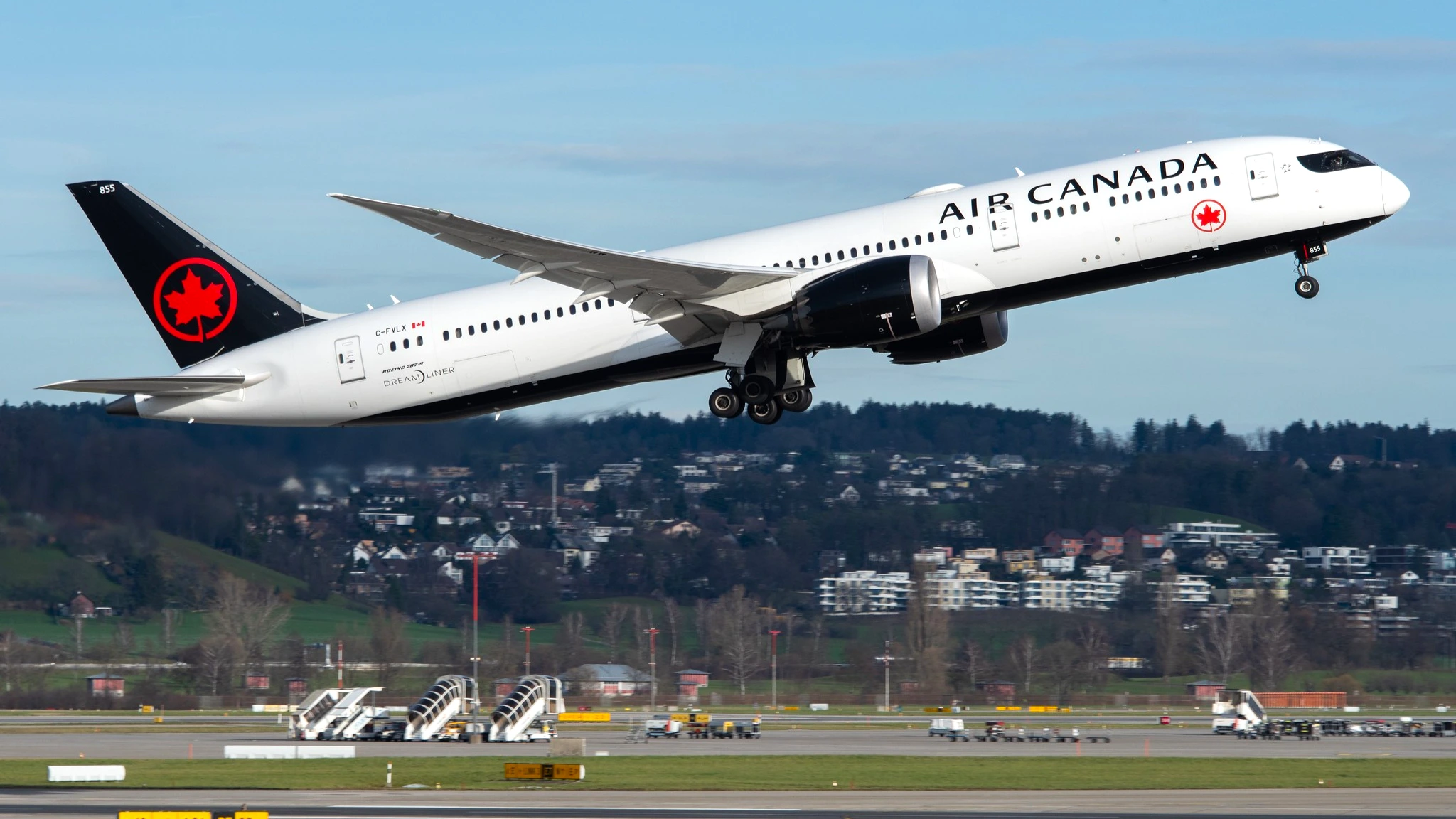
Interestingly, nonstop Thailand service does exist in North America—but not from the United States. Air Canada (AC) operates Boeing 787-9 flights between Vancouver International Airport (YVR) and Bangkok Suvarnabhumi Airport, Simple Flying reported.
The Vancouver–Bangkok distance is approximately 7,344 miles, nearly 1,000 miles shorter than the Los Angeles–Bangkok distance. That reduced distance lowers fuel burn and operational strain.
Vancouver also serves as a strong transpacific hub with efficient onward connectivity across Canada and the United States. Air Canada’s seasonal frequency adjustments suggest the route performs sustainably within its network strategy.
The absence of direct competition from Singapore Airlines in Vancouver further strengthens Air Canada’s market position on the Thailand route.
One-Stop Dominance
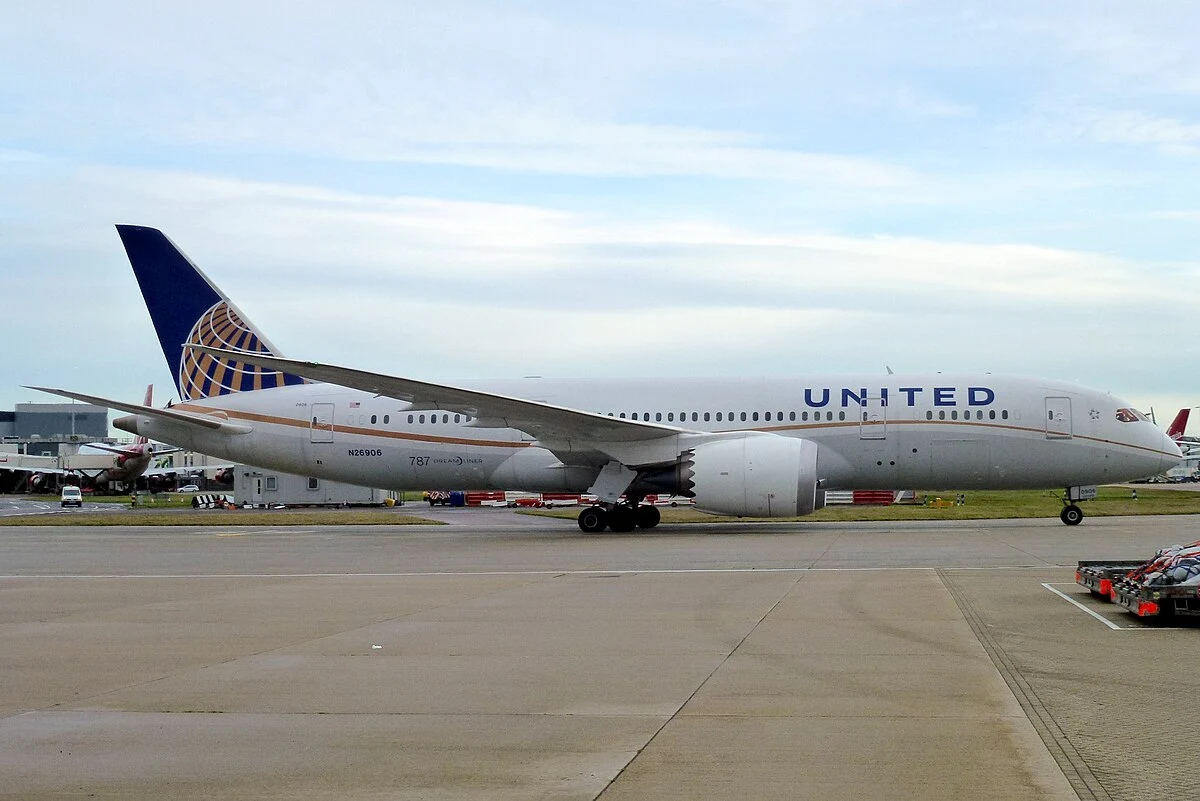
For US travelers, one-stop itineraries remain abundant and competitive. United Airlines introduced a one-stop Boeing 787-9 service from Los Angeles to Bangkok via Hong Kong International Airport (HKG), offering a balanced approach between connectivity and cost control.
Asian carriers dominate the US–Thailand traffic flows. Airlines such as Cathay Pacific (CX), All Nippon Airways (NH), Japan Airlines (JL), Korean Air (KE), and EVA Air (BR) funnel passengers through major East Asian hubs.
Middle Eastern carriers, including Emirates (EK), Qatar Airways (QR), and Etihad Airways (EY) provide alternative routings via Dubai, Doha, and Abu Dhabi. These airlines leverage extensive global networks and strong premium cabins to attract long-haul travelers.
Because these carriers already operate efficient connecting hubs, they capture significant market share without requiring US airlines to assume nonstop risk.
Future Outlook
United Airlines remains the most logical US candidate for a future nonstop launch. As a Star Alliance partner alongside Thai Airways, it could leverage feed traffic across Southeast Asia.
Los Angeles offers the largest Thai diaspora community in the United States, while San Francisco anchors United’s transpacific network. Either hub could theoretically support a Bangkok nonstop service.
However, airlines will likely wait for stronger premium demand, improved aircraft efficiency, and sustained economic stability before committing to such a long route. Until those conditions align, one-stop services will continue to define US–Thailand air travel.
Thailand’s tourism growth and luxury market expansion could eventually shift the equation. For now, though, the 8,000-mile gap between the United States and Bangkok remains commercially challenging.
Stay tuned with us. Further, follow us on social media for the latest updates.
Join us on Telegram Group for the Latest Aviation Updates. Subsequently, follow us on Google News
