

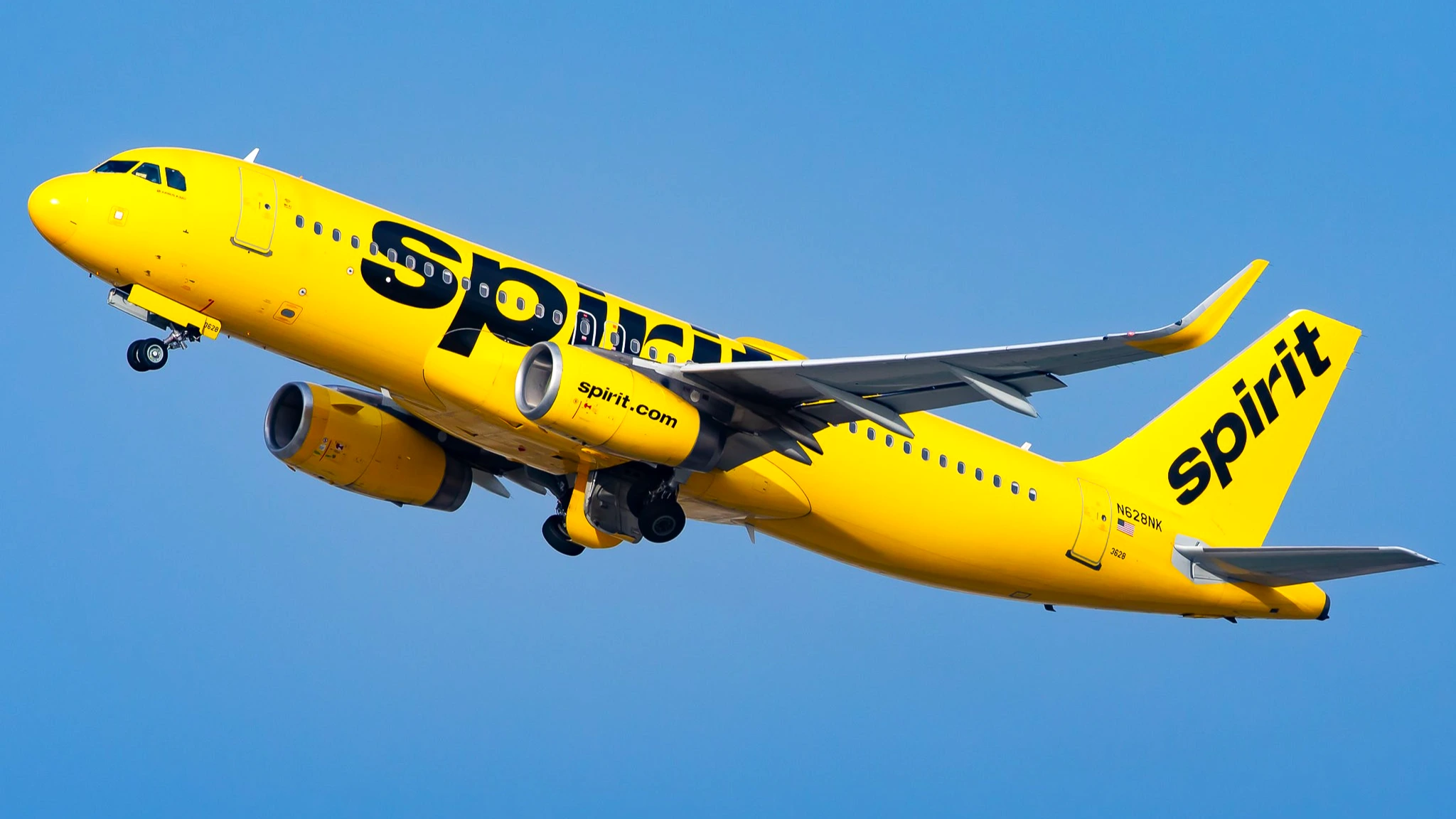
FORT LAUDERDALE— Spirit Airlines (NK) is facing renewed financial turbulence as it prepares to lose a co-branded credit card partner amid an ongoing restructuring. The ultra-low-cost carrier continues to navigate bankruptcy proceedings, network reductions, and operational strain.
The latest setback involves the termination of its partnership with Mercury Financial, a lender that issued a secondary Free Spirit credit card product. The move comes as the airline works to stabilize liquidity, streamline operations, and retain customer loyalty during a critical period.
Spirit Airlines Credit Cards Termination
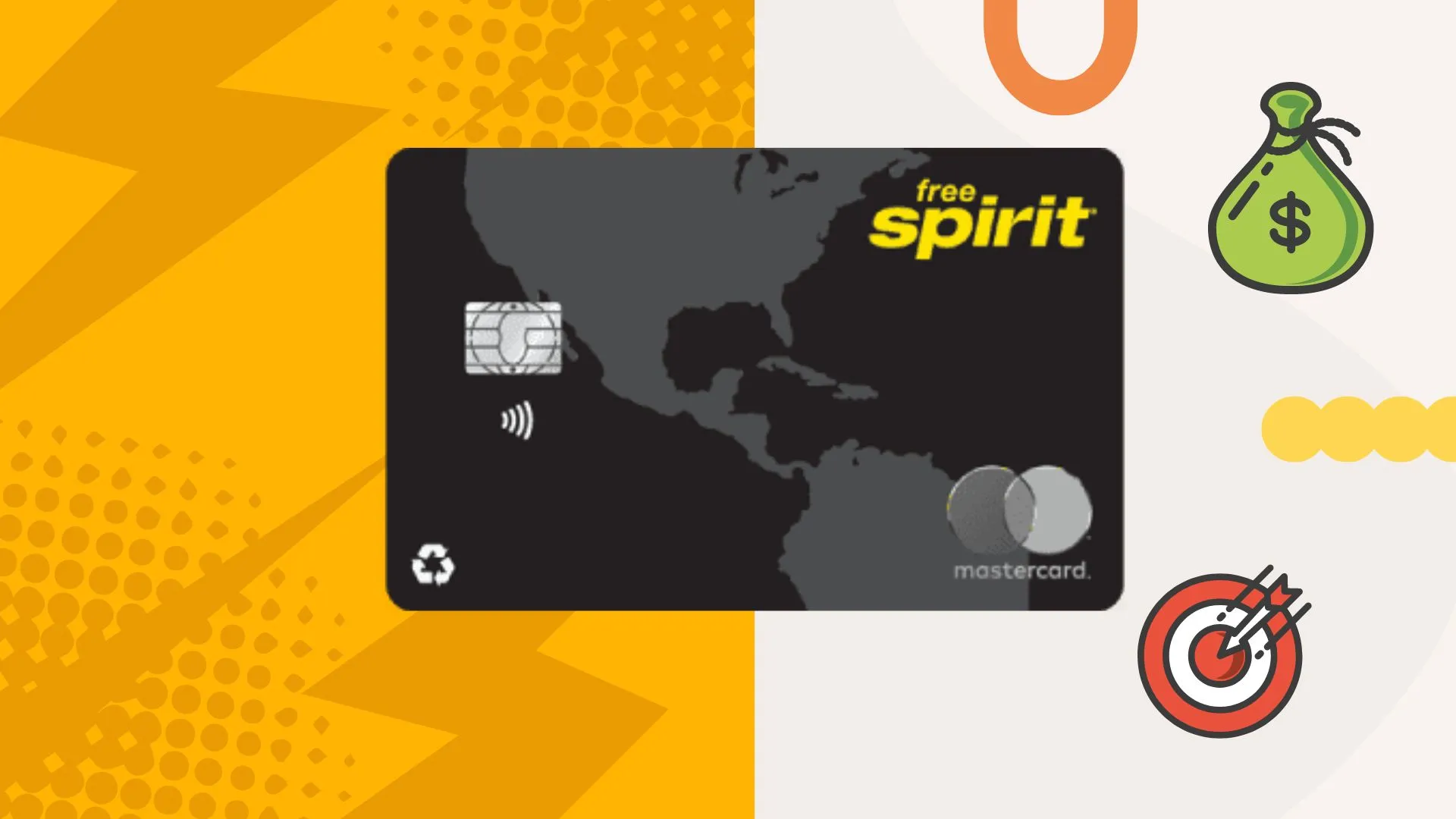
Spirit confirmed that its Free Spirit Points Mastercard, issued by First Bank & Trust through Mercury Financial, will cease benefits after March 31, 2026.
Cardholders have been notified that associated perks will end, though the airline has extended Free Spirit Silver elite status through the end of 2026 as a transitional measure.
Co-branded credit cards play a vital role in airline economics, often generating significant upfront payments and recurring revenue. While larger carriers rely heavily on exclusive agreements with major banks, Spirit adopted a dual-bank structure that included a “second-look” product for customers with lower credit scores.
That strategy allowed Spirit to reach near-prime borrowers who may not have qualified for cards issued by Bank of America, its primary card partner.
However, the Mercury-issued product was marketed selectively and did not offer a public application channel.
Financial Pressures Mount
Spirit’s broader financial challenges have intensified in recent months. The airline has undergone a second bankruptcy filing within a short period, a rare occurrence that underscores mounting liquidity pressure.
To maintain payment processing capabilities, Spirit reportedly posted substantial collateral to its credit card processors. At the same time, it has reduced capacity by cutting routes and returning aircraft to lessors in an effort to lower operating costs.
The carrier also divested valuable airport assets, including gates at Chicago O’Hare International Airport, which were acquired by larger competitors, View From the Wing reported.
These measures reflect an urgent effort to preserve cash while restructuring debt obligations.
Operational Challenges Continue
Spirit’s operational reliability has faced scrutiny as staffing shortages and fleet adjustments disrupt schedules.
Employees have departed in notable numbers, adding pressure to flight operations and customer service performance.
The airline operates on a high-density, low-fare model that depends on maintaining low costs while stimulating demand with competitive pricing. However, major network carriers have increasingly matched base fares, narrowing Spirit’s pricing advantage.
Despite these challenges, Spirit continues to promote ancillary products such as its Big Front Seat, which offers additional space at a premium. The airline aims to balance ultra-low fares with optional upsell products as it rebuilds financial stability.
Industry analysts note that frequent flyer programs often serve as valuable collateral in airline financing.
Spirit previously leveraged its loyalty program to secure significant funding, demonstrating the strategic importance of co-brand partnerships even for low-cost carriers.
Bottom Line
As the Mercury Financial partnership ends, Spirit must rely more heavily on its primary banking relationship and broader restructuring plan.
The coming months will test whether the airline can stabilize revenue streams while restoring operational confidence.
Stay tuned with us. Further, follow us on social media for the latest updates.
Join us on Telegram Group for the Latest Aviation Updates. Subsequently, follow us on Google News
