

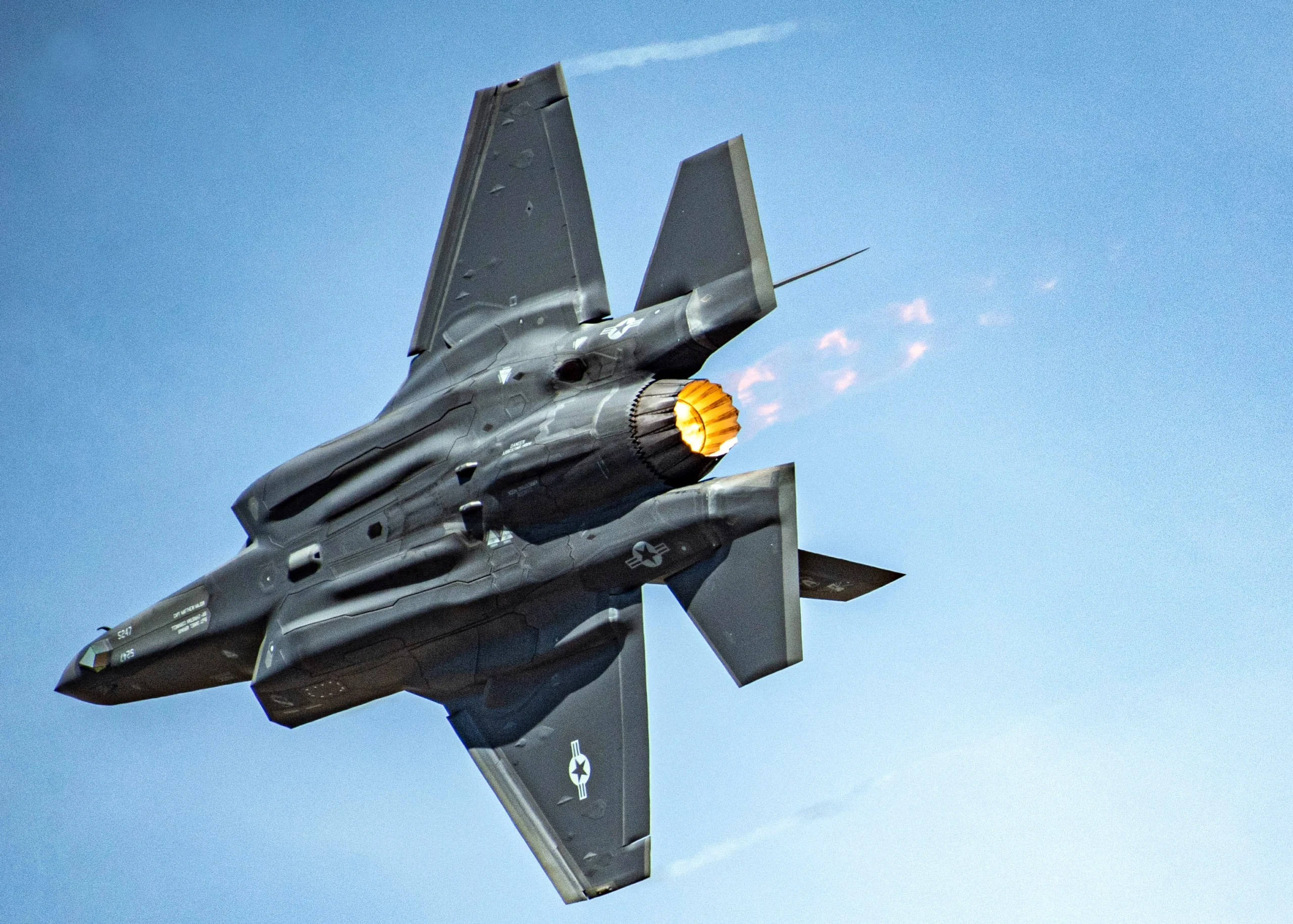
AMSTERDAM- National defense debates now intersect with reliance on foreign-controlled military systems like the F-35 fighter jet.
Discussion intensified after Dutch State Secretary for Defence Gijs Tuinman suggested the F-35’s software could theoretically be modified if the United States ever restricted critical system upgrades to partner nations.
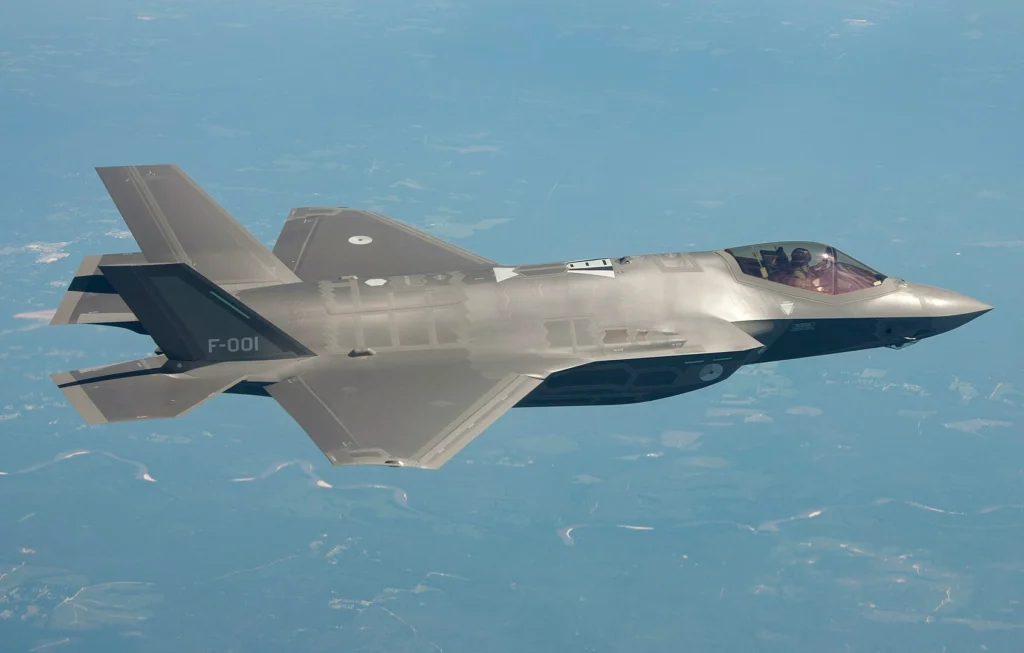
F-35 Jets Could Be Hacked
The controversy emerged after Tuinman compared the possibility of altering F-35 software protections to jailbreaking a smartphone during a February 2026 Dutch radio podcast. His remarks came amid continuing debate over transatlantic defense relations.
Concerns have circulated in Europe over whether access to upgrades, mission data files, or spare parts could be limited during political disputes with Washington.
The F-35 Joint Program Office has repeatedly denied that any remote disable mechanism exists. Officials state that all partners operate under agreements ensuring operational capability.
Still, analysts argue that the absence of a kill switch does not remove dependence on U.S. approval for mission data processing, system upgrades, and logistics support.
Reported by EurAsian Times, these concerns previously influenced procurement debates in several countries reviewing or reconsidering F-35 purchases.
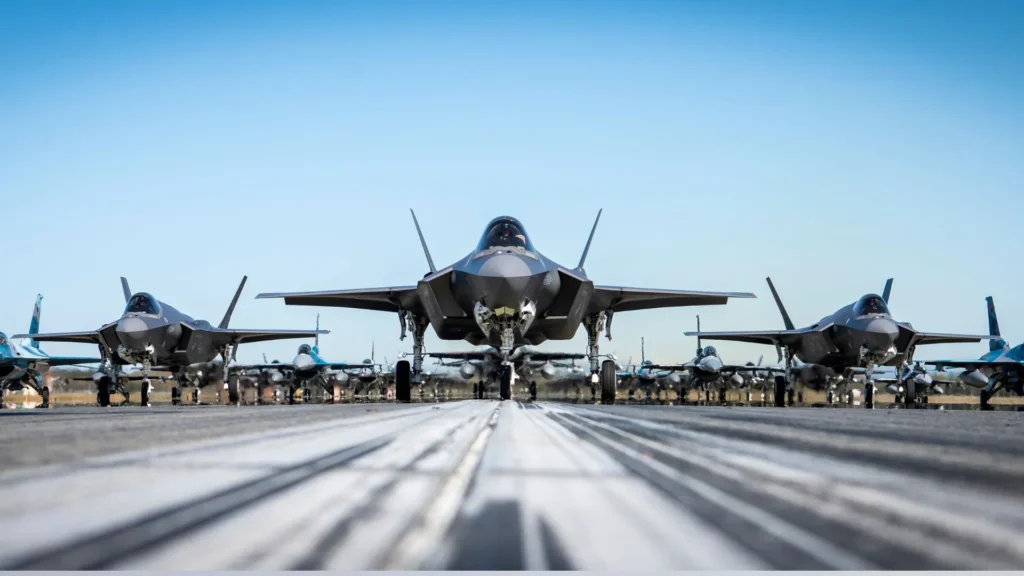
Procurement Concerns Across NATO Partners
The debate over software dependence contributed to procurement hesitation in several allied nations.
Portugal reconsidered earlier plans to acquire the aircraft, while Canada placed its fighter acquisition under review. Denmark and other NATO members also voiced concerns about long-term operational reliance on U.S.-controlled infrastructure.
These discussions highlight how geopolitical tensions can influence major defense purchases even when the aircraft remains technologically advanced.
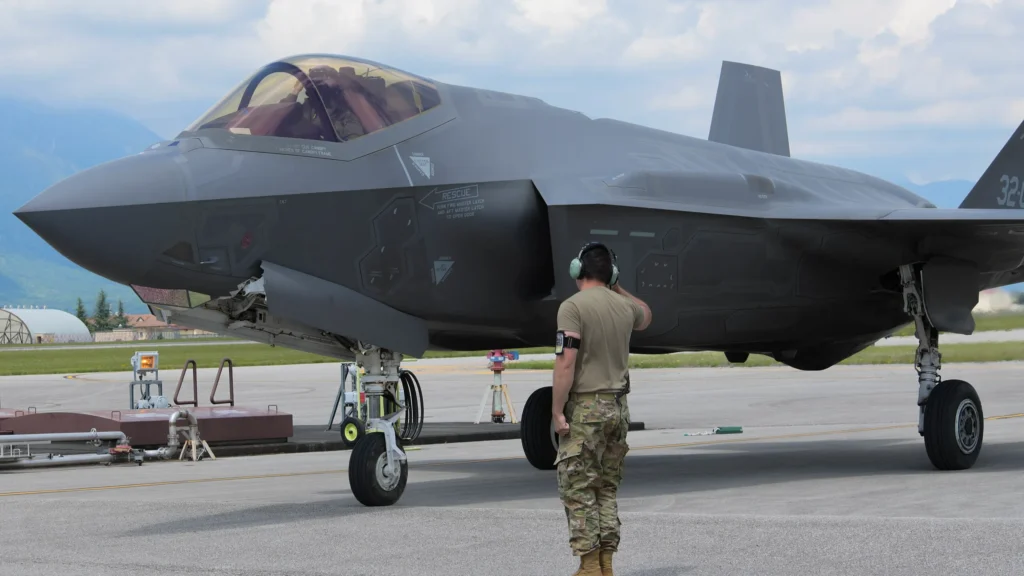
Why Software Control Matters in the F-35
The F-35 Lightning II functions as a software-driven combat aircraft. Its Integrated Core Processor runs more than eight million lines of code controlling sensors, weapons, electronic warfare, targeting, and flight systems.
Logistics and mission systems depend on the Operational Data Integrated Network, or ODIN, which replaced the earlier Autonomic Logistics Information System after persistent performance and reliability problems.
The network handles logistics data, maintenance planning, intelligence uploads, and mission preparation worldwide.
Mission Data Files play a critical role by allowing aircraft to recognize threats and operate effectively in combat. Processing and approval of these files currently require U.S. involvement, limiting independent modification by partner nations.
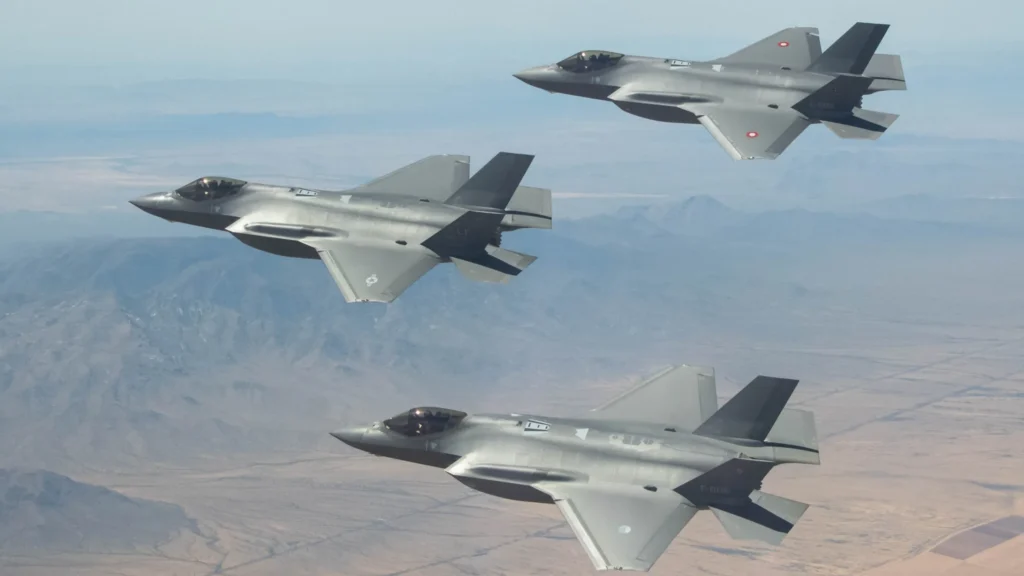
Israel’s Unique Software Freedom
Most F-35 operators cannot independently alter core software systems. However, Israel operates its F-35I Adir variant with locally developed software and can run systems outside the ODIN network.
This capability gives Israel greater operational flexibility, highlighting the limitations other partners face in customizing aircraft systems.
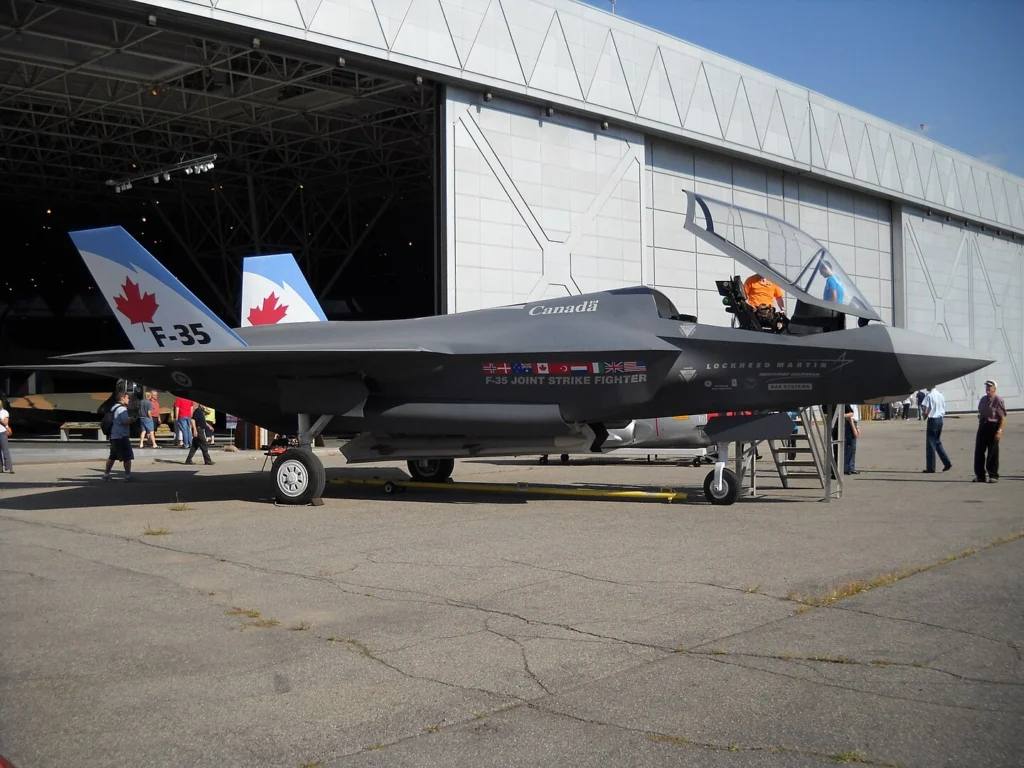
Could an F-35 Really Be Modified Independently?
Jailbreaking normally refers to bypassing manufacturer software restrictions in consumer electronics. Applied to a combat aircraft, it would require breaking through encryption, authentication layers, and anti-tamper systems.
Experts warn that this would be technically complex and risky. F-35 systems include safeguards that could disable components or alert authorities if unauthorized changes occur.
Software errors could ground aircraft or create in-flight safety risks. Mission-critical failures could endanger pilots and compromise entire fleets.
Dependence Goes Beyond Software
Even if software modification were technically possible, aircraft operators still depend on U.S.-controlled supply chains for engines, spare parts, and depot maintenance.
Unauthorized modifications could also lead to legal disputes with Lockheed Martin and exclusion from future official upgrades. Aircraft could then struggle to integrate new weapons or sensors.
Loss of access to updated Mission Data Files would also weaken the aircraft’s ability to counter evolving threats.
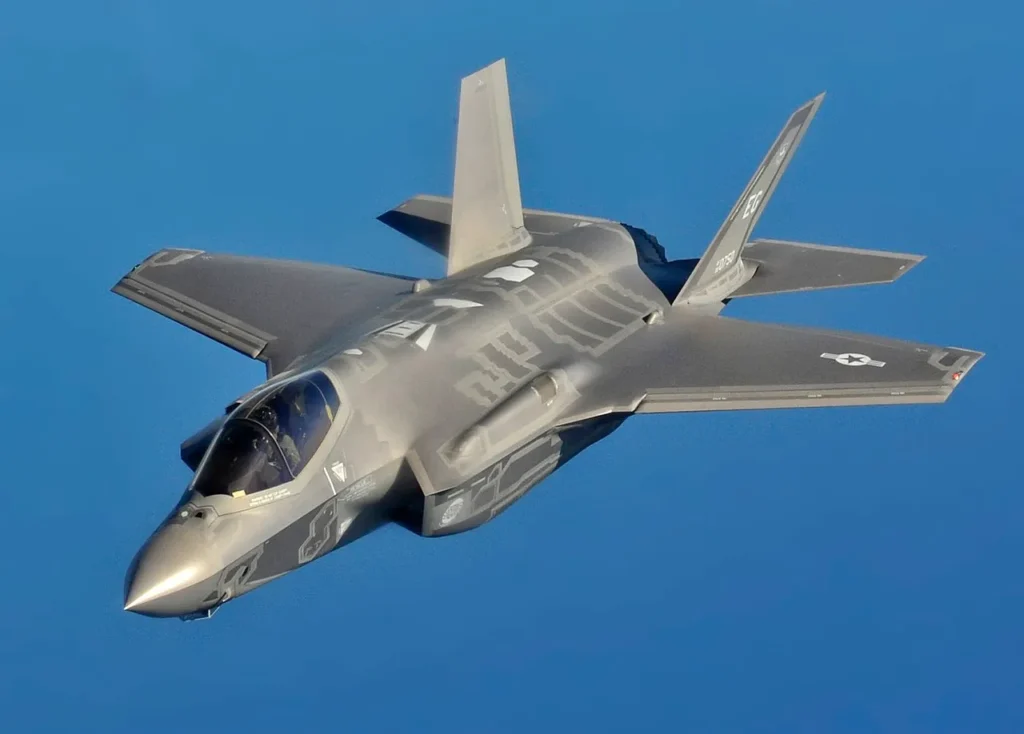
Analysts Question Practicality of Jailbreak Claims
Several defense analysts criticized the comparison, arguing that modifying combat aircraft software is far more complex than altering consumer electronics.
Security experts noted that software errors in smartphones cause inconvenience, but similar errors in combat aircraft could be fatal.
Others emphasized that spare parts and engine supply chains remain under U.S. control, meaning aircraft would still depend on Washington even if software protections were bypassed.
Online commentators also questioned whether European states possess the necessary technical resources to execute such modifications.
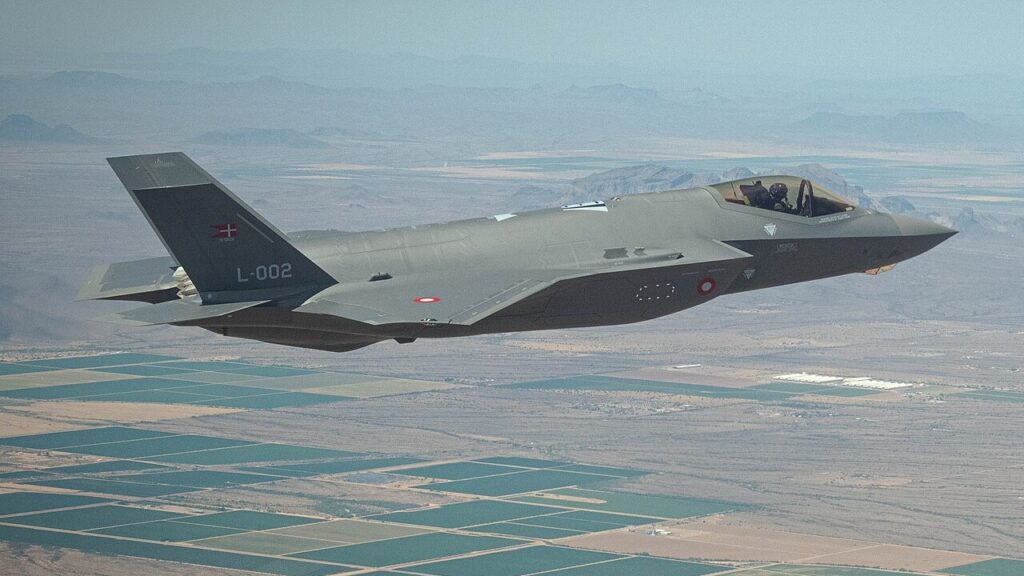
Netherlands Continues Support for F-35 Fleet
Despite controversy, Dutch authorities continue to support the country’s F-35 program. The Netherlands is replacing its F-16 fleet with F-35A fighters as part of NATO defense commitments.
Dutch F-35 aircraft are also reported to have nuclear delivery capability within NATO’s deterrence framework.
Officials maintain that it remains uncertain whether the United States would ever block upgrades or disrupt supply chains, since doing so would weaken a multinational partnership built around the aircraft.
Stay tuned with us. Further, follow us on social media for the latest updates.
Join us on Telegram Group for the Latest Aviation Updates. Subsequently, follow us on Google News
