

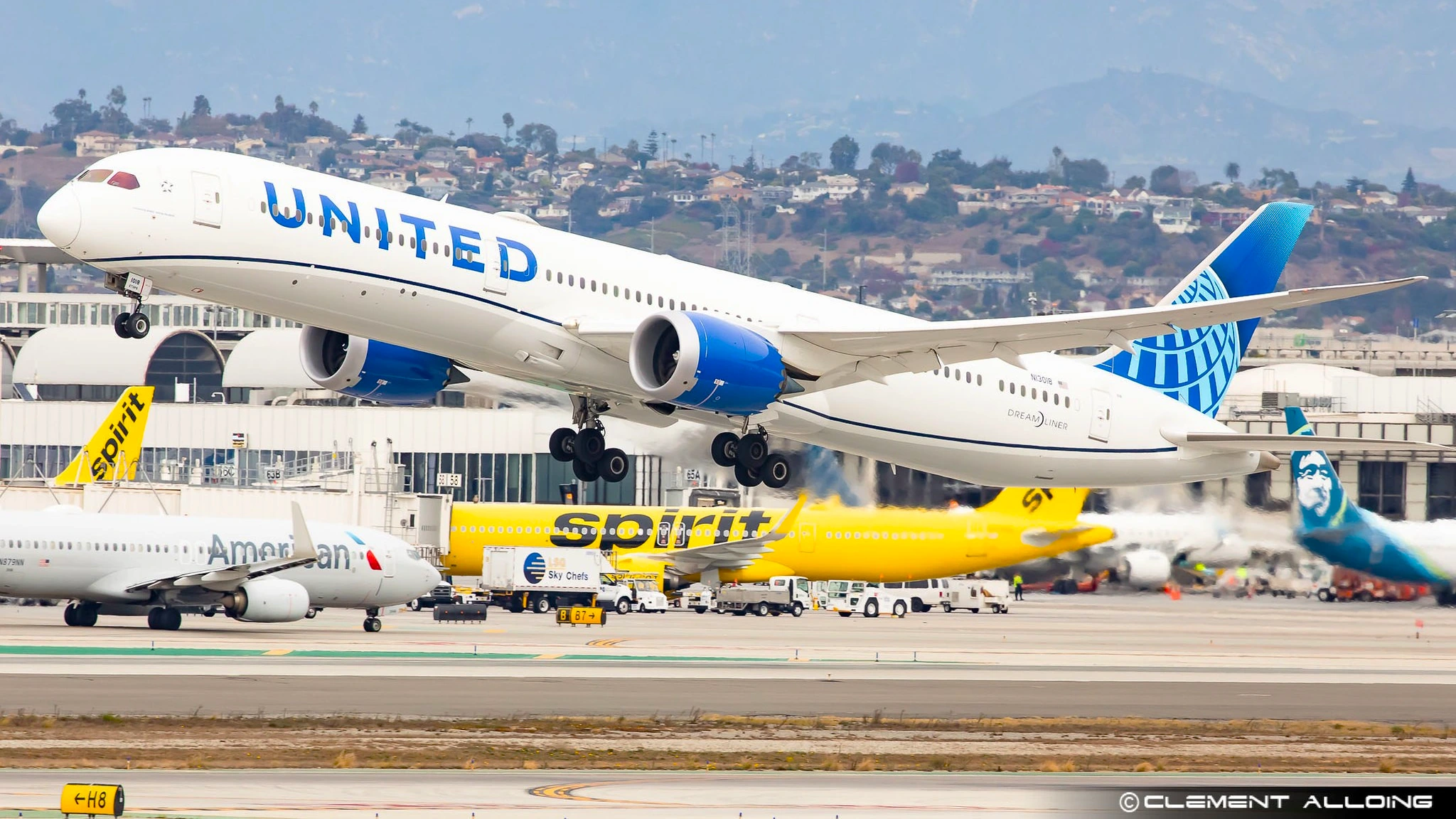
CHICAGO- United Airlines (UA) strengthens its hold at Chicago O’Hare (ORD) after buying Spirit Airlines’ (NK) final two gates, raising competitive pressure on rival American Airlines (AA).
The acquisition signals a strategic escalation as airlines compete for passenger loyalty and long-term revenue at one of the nation’s busiest hubs.
United Buys Spirit Airlines Chicago Gates
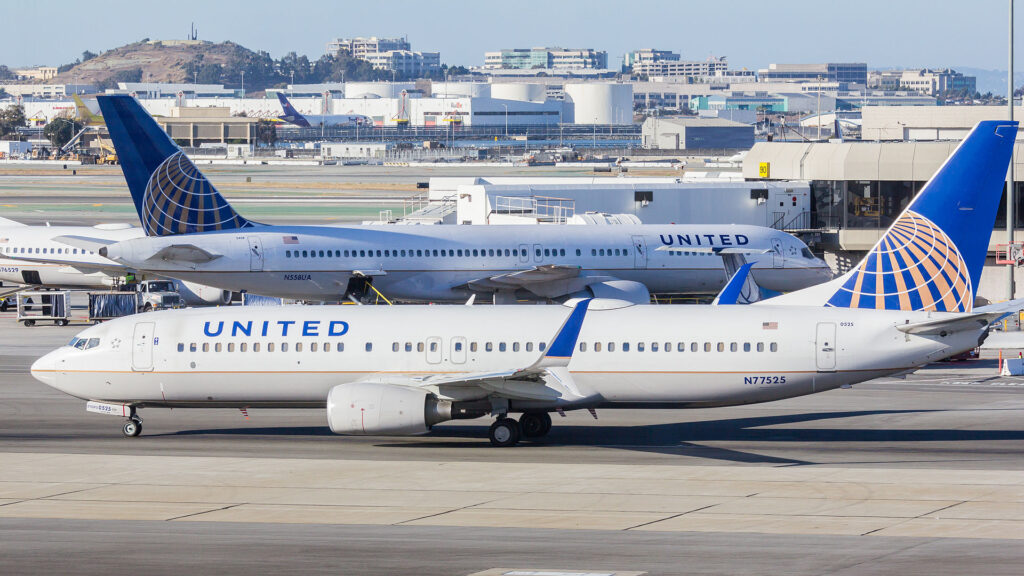
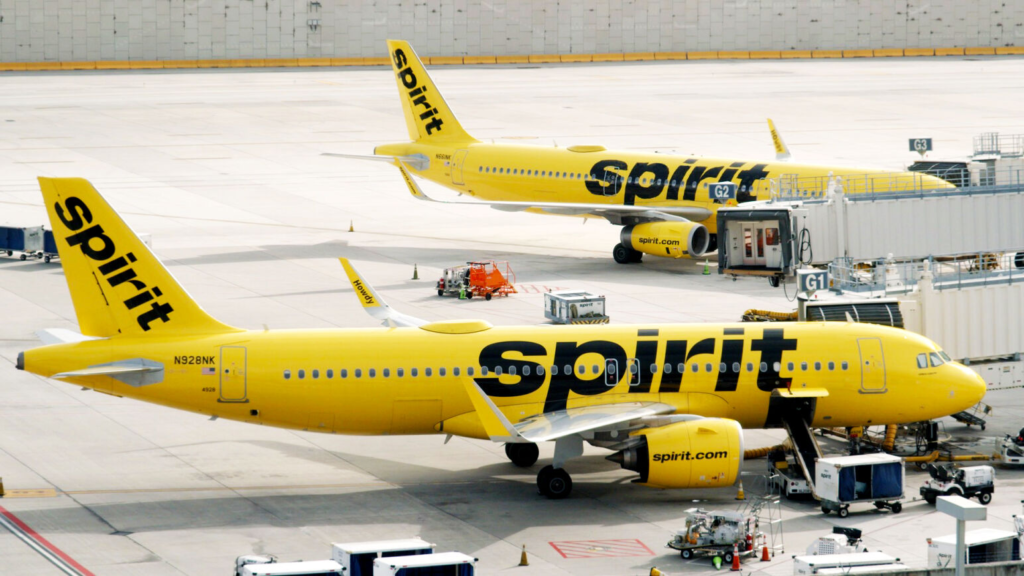
United Airlines has agreed to acquire Spirit Airlines’ remaining gates at Chicago O’Hare, gates G12 and G14, for approximately $30.2 million. A bankruptcy court hearing scheduled for February 24, 2026, will finalize the transfer.
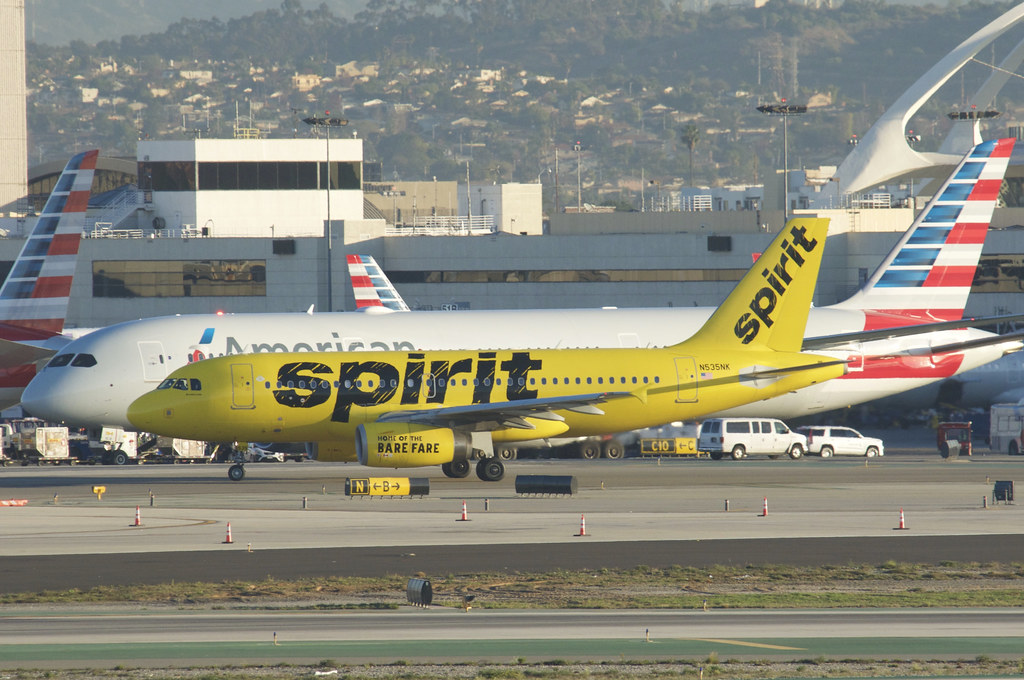
Spirit plans to continue operating its reduced Chicago schedule using common-use gates, allowing the sale without immediate operational disruption.
The move follows earlier gate reshuffling at O’Hare, where American Airlines lost three gates while securing two former Spirit gates for $30 million. United’s latest purchase ensures control over Spirit’s remaining dedicated positions at the airport.
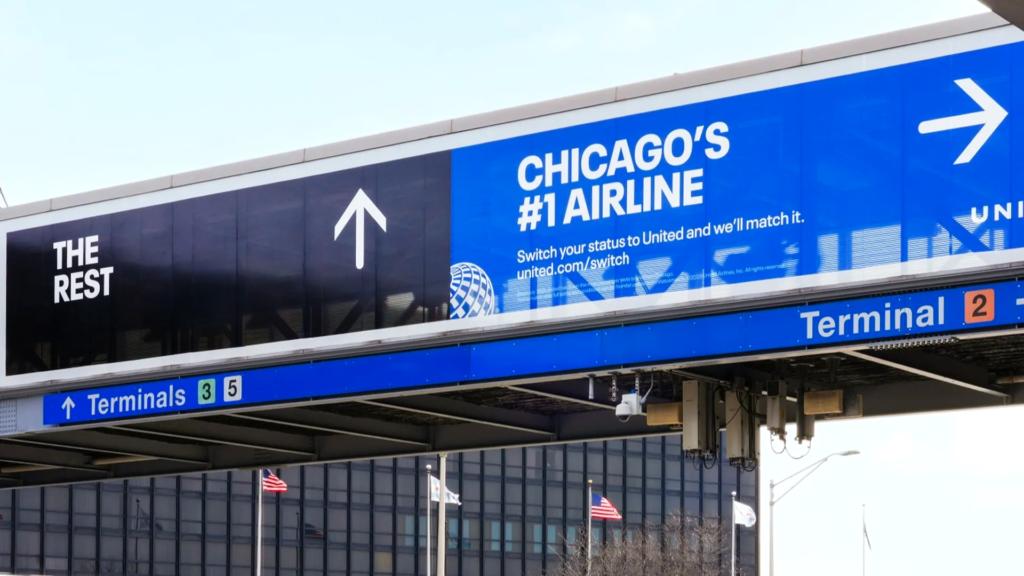
United’s leadership has openly committed to matching any American Airlines expansion at O’Hare. This approach aims to pressure competitors by maintaining aggressive capacity, even if short-term profitability declines.
Industry observers describe this as strategic capacity deployment designed to weaken competitors’ positions while securing long-term dominance, View from the Wing flagged.
Loyalty Revenue Drives Chicago Strategy
Chicago is one of the most valuable loyalty markets in the United States. Airlines depend heavily on co-branded credit card spending and loyalty enrollments rather than ticket sales alone.
United previously shifted strategy to grow domestic capacity partly to improve credit card spending volumes. Though initially criticized by investors, this move helped United rise in airline co-brand card rankings while American slipped.
American Airlines leadership argues Chicago remains critical, citing roughly 20 percent growth in loyalty enrollments and credit card acquisitions over recent months. Retaining market presence is crucial as the airline has already reduced operations in New York and Los Angeles, two other key business markets.
Credit card partnerships generate billions in profit annually, often exceeding direct flight margins. Losing strong hub positions risks weakening long-term financial recovery.
Financial Pressure and Competitive Stakes
United CEO Scott Kirby has publicly suggested American’s Chicago operations lose substantial money, though external analysis indicates margins may still be near system averages once loyalty revenue is considered.
Historical analysis shows airline profitability often improves when loyalty spending is correctly attributed to customer home markets rather than evenly spread across networks.
This context explains why American continues investing in Chicago despite intense competition. Abandoning the market would leave the airline with limited growth opportunities due to slot and gate constraints in other major cities.
United’s aggressive expansion appears aimed at making competition financially painful enough to force rivals to reduce operations, potentially reshaping hub dominance over time.
What the Gate Purchase Means for Travelers
In the short term, capacity battles typically lead to lower fares as airlines compete for passengers. Over time, reduced competition can allow surviving carriers to regain pricing power.
For Chicago travelers, the rivalry means expanded flight options and continued network competition. For airlines, it represents a high-stakes fight over long-term loyalty and revenue leadership in a core U.S. aviation market.
Stay tuned with us. Further, follow us on social media for the latest updates.
Join us on Telegram Group for the Latest Aviation Updates. Subsequently, follow us on Google News
