

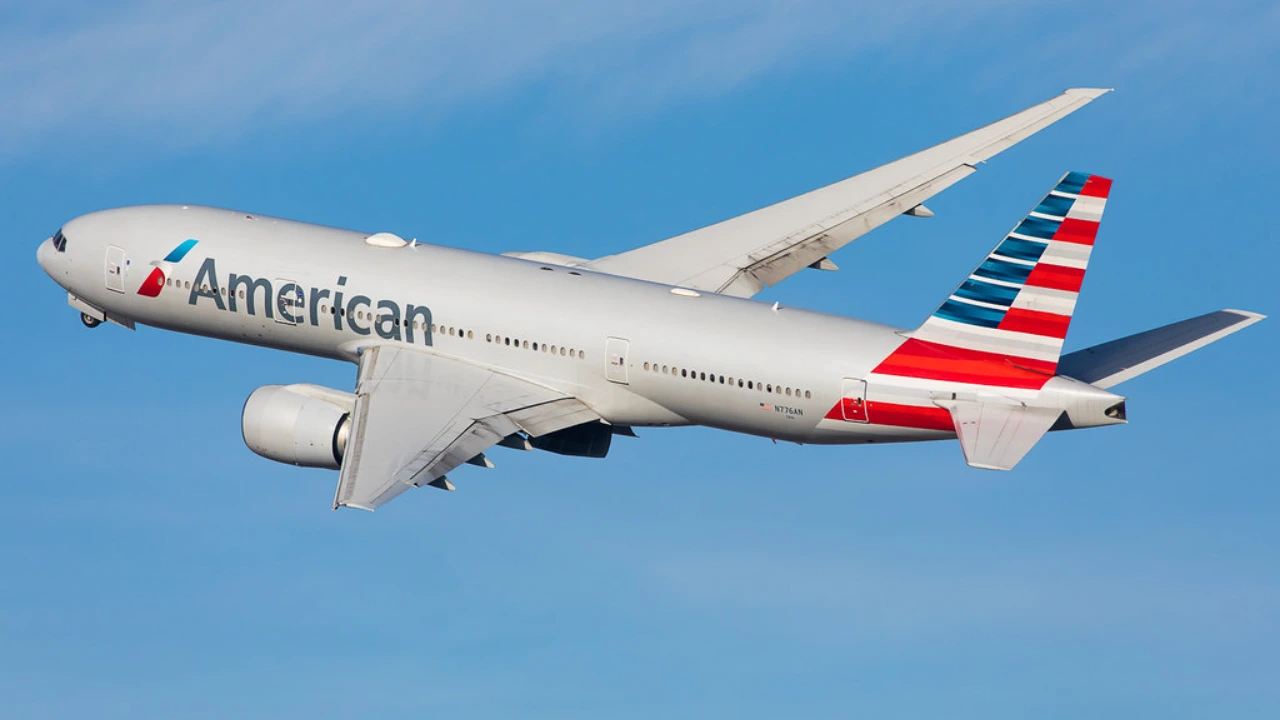
LONDON- American Airlines (AA) flight attendants served meals using emergency flashlights after galley lights failed on a London to Los Angeles flight, yet the aircraft departed as scheduled.
Cabin crew prepared food and drinks in near darkness, raising service and safety concerns while the flight continued under maintenance deferral rules.
American Airlines Crew Serve Meals in Darkness
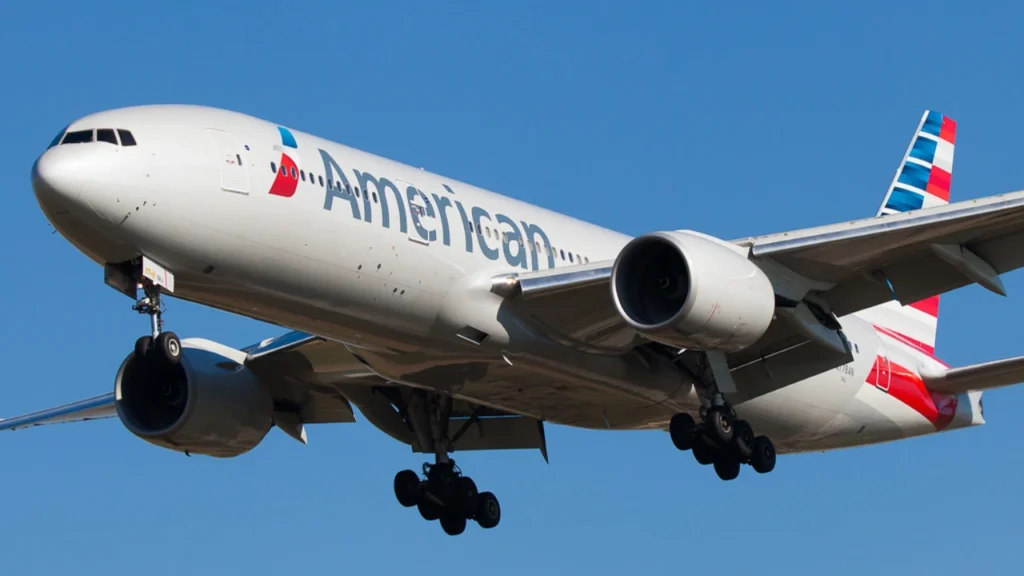
On February 14, 2026, American Airlines Flight AA137 departed London Heathrow (LHR) for Los Angeles despite non-functioning galley lighting. Flight attendants relied on mandatory onboard emergency flashlights to conduct meal and beverage service.
Working in low light complicates meal preparation and increases the risk of spills and burns, especially when handling hot drinks. Limited visibility also reduces efficiency, which often results in fewer service rounds and slower cabin delivery.
Video footage shared online showed crew attaching flashlights near jumpseats to illuminate work areas, highlighting the operational challenge faced during the flight, View from the Wing reported.
Why the Flight Operated Despite the Issue?
Airlines operate under Minimum Equipment List procedures, allowing certain non-critical systems to remain inoperative for a limited period while maintaining safety compliance.
In this case, dispatching the aircraft likely prevented extended delays at Heathrow, where gate availability, crew duty limits, and departure slot restrictions can quickly cascade into network disruptions.
Electrical faults can take minutes or hours to diagnose, and replacement parts may not be immediately available. Operating the flight avoided potential cancellations or prolonged delays affecting passengers and aircraft schedules.
Safety Rules and Crew Preparedness
Aviation regulations require each crewmember to carry a functioning flashlight, ensuring emergency readiness. These devices enabled service continuation, though they were not intended to replace standard galley lighting.
Industry guidance indicates certain cabin lighting faults may be deferred for several days if alternative lighting remains available. The aircraft itself remained safe to operate, but working conditions for meal preparation were less than ideal.
American Airlines did not provide public comment regarding the incident at the time of reporting.
While the aircraft met safety standards, service quality and crew workload were affected. Reduced lighting slows meal plating, limits movement in confined galley spaces, and increases stress during long-haul service.
Such incidents highlight the balance airlines must strike between operational efficiency, passenger experience, and maintenance scheduling on busy international routes.
Stay tuned with us. Further, follow us on social media for the latest updates.
Join us on Telegram Group for the Latest Aviation Updates. Subsequently, follow us on Google News
