


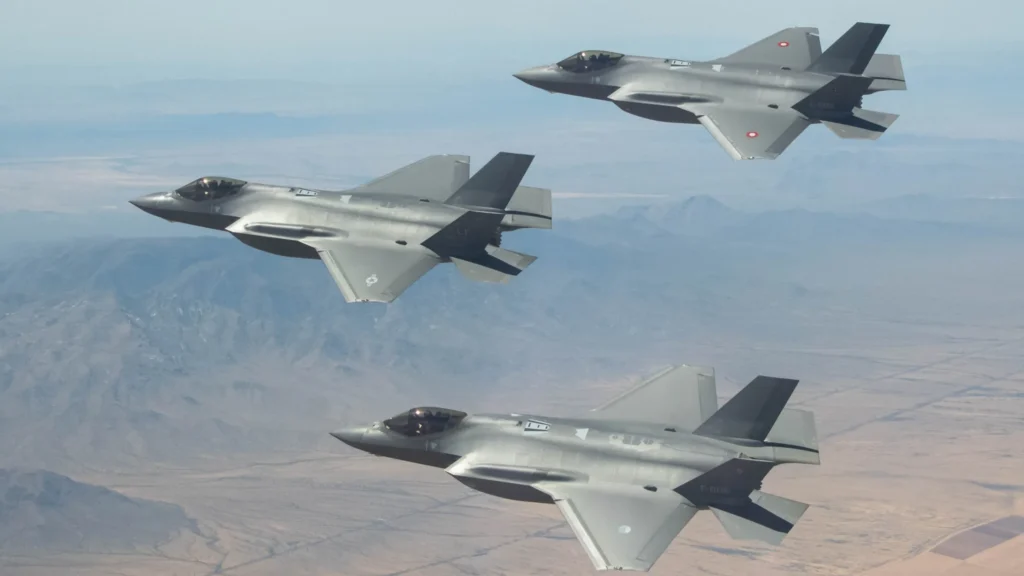
ARLINGTON- The US Air Force confirmed Lot 17 F-35A deliveries include installed radars, countering earlier reports.
The U.S. Air Force stated that all newly delivered F-35A aircraft retain operational radar systems, despite prior reporting suggesting jets arrived without radars amid the transition to the new APG-85 system.
https://commons.wikimedia.org/wiki/File:US_Danish_Dutch_F-35A.jpg
USAF Confirms F-35 Deliveries with Radars
The clarification follows reporting by TWZ, which examined claims that certain Lot 17 F-35A Joint Strike Fighters were delivered without radars due to complications involving integration of Northrop Grumman’s new AN/APG-85 radar.
A spokesperson told TWZ that:
“USAF F-35A lot 17 aircraft are delivering with APG-81 radars.”
The spokesperson added that modernization plans involving the APG-85 remain classified for program security reasons.
Earlier, Defense Daily reported, citing an anonymous source, that aircraft delivered since June had APG-85 mounting configurations incompatible with the existing APG-81 radar, suggesting some jets may have flown without radar systems installed.
According to that report:
“Lockheed Martin has been delivering F-35s to the military services since last June without radars, including all F-35As.”
The same source claimed radar-less aircraft required ballast weight adjustments and operated only alongside radar-equipped F-35s through data links. However, the Air Force now rejects that assertion for its operational fleet.
APG-85 Radar and Block 4 Upgrade Challenges
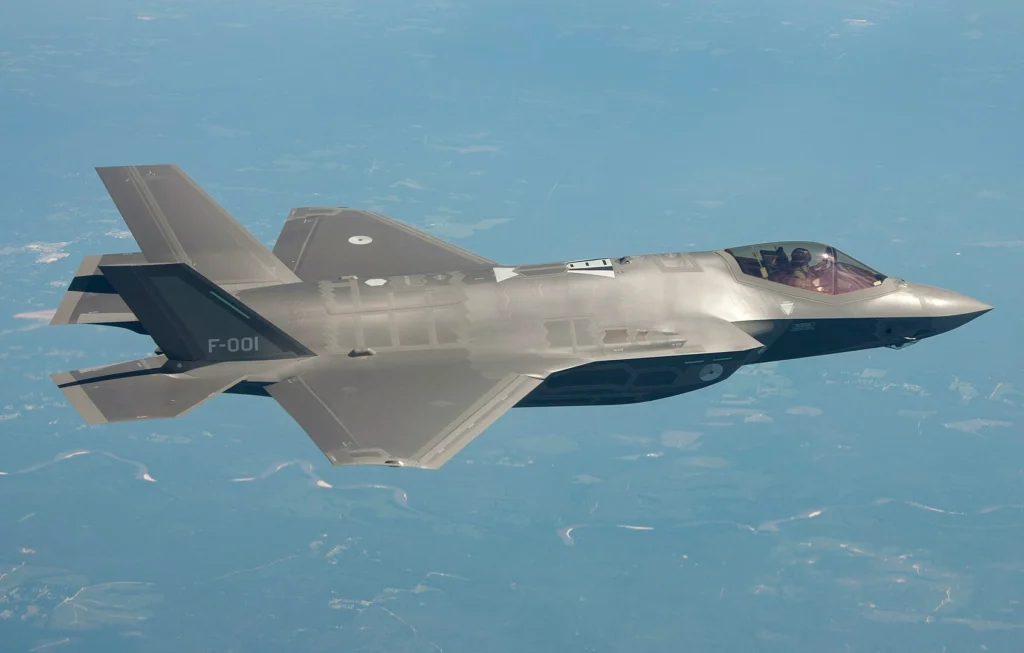
Northrop Grumman has been developing the APG-85 radar since at least 2023 as part of the broader Block 4 modernization package. Block 4 aims to enhance combat effectiveness through multiple upgrades, including:
• Replacement of the AN/AAQ-37 Distributed Aperture System
• Upgraded Electro-Optical Targeting System
• New electronic warfare suite
• Expanded computing and sensor capabilities
The Air Force previously described the electronic warfare upgrade, which integrates with the APG-85 radar, as a high-priority capability.
However, Block 4 continues to face schedule delays and rising costs. Integration also requires increased electrical power generation and thermal management capacity, which depend on engine upgrades that are themselves behind schedule.
ALSO READ: Largest Air Force Fighter Pilots Question Boeing’s Ability to Deliver the F-47 on Time
Questions Remain on Radar Compatibility
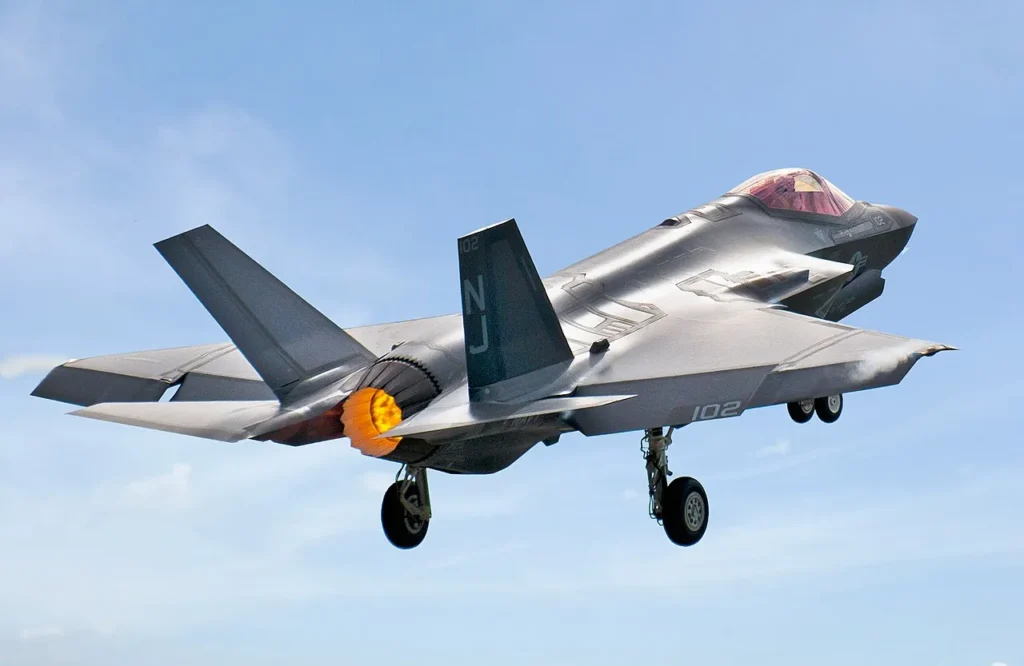
Despite the Air Force’s clarification, unresolved questions remain about compatibility between APG-81 and APG-85 radar configurations.
TWZ noted ongoing uncertainty about whether aircraft configured for APG-85 can temporarily accept APG-81 radars. A prior Breaking Defense report suggested redesign of the forward fuselage might be necessary to accommodate both radar types.
Program officials have not provided further technical details, citing security restrictions.
Delivery Timeline and GAO Findings
Initial plans aimed for F-35s equipped with the full Block 4 upgrade suite to begin arriving in 2025. However, a September 2025 Government Accountability Office report indicated schedules shifted toward delivering a limited portion of upgrades first, while pushing full capability back by at least five years.
The revised timeline highlights ongoing integration challenges across radar, sensors, power systems, and software modernization.
Program Cost and Operational Pressures
The Joint Strike Fighter program remains the most expensive military aviation project in history. Estimated lifecycle costs through the 2070s now reach approximately $2.1 trillion, with the Joint Program Office stating that inflation accounts for nearly half of that total.
Operational and maintenance costs also continue to draw scrutiny as partner nations and U.S. services expand fleet sizes.
Program Outlook
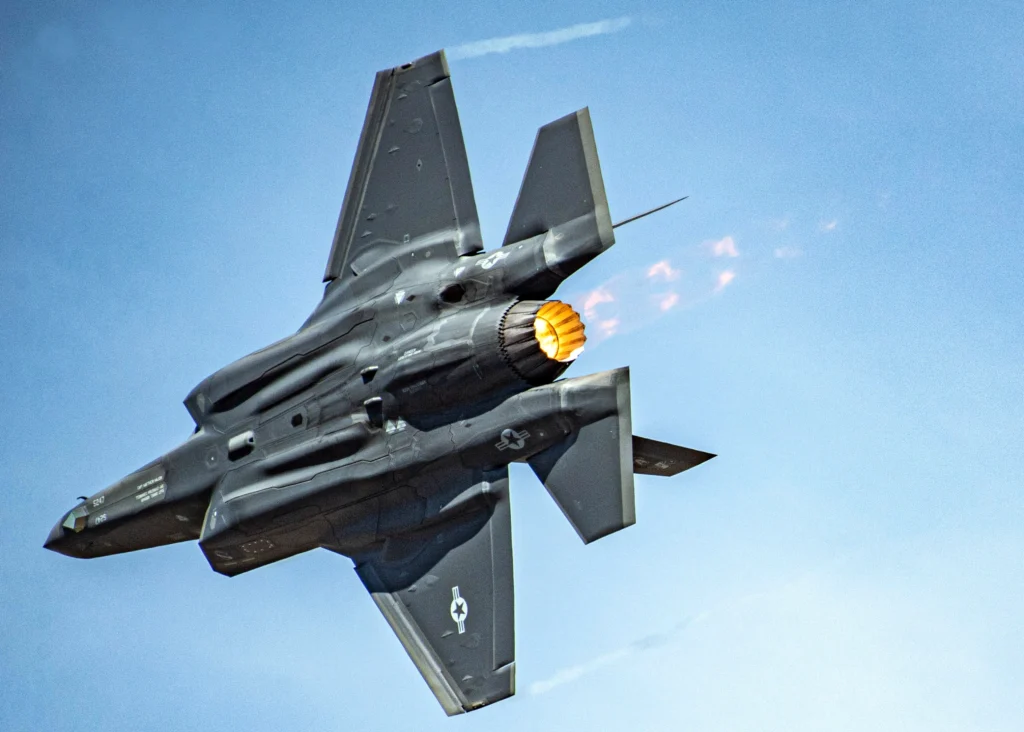
Even though the Air Force confirms radar-equipped aircraft deliveries, the Block 4 modernization effort still faces technical and scheduling hurdles.
Radar integration, power system upgrades, and electronic warfare improvements remain central to the program’s future capability growth.
Stay tuned with us. Further, follow us on social media for the latest updates.
Join us on Telegram Group for the Latest Aviation Updates. Subsequently, follow us on Google News
