

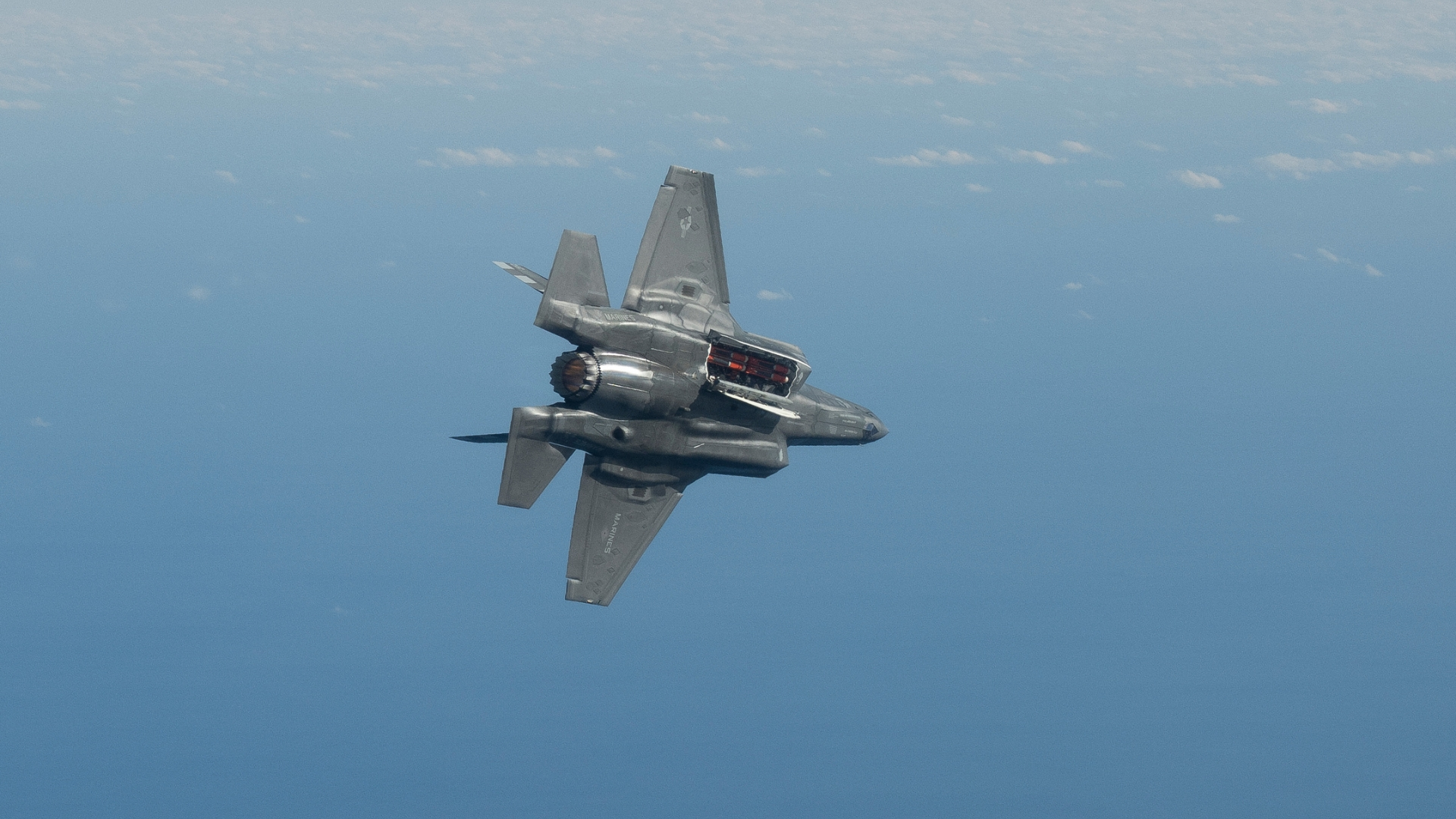
FLORIDA- The United States destroyed 5 Iranian oil tankers on September 8 after Iran fired ballistic missiles at a US Navy warship twice in 2 days. Iran responded with a missile barrage toward a major US base in Jordan.
The strikes came as the Trump administration continued its military and economic pressure campaign against Iran. Additional F-35 and F-16 fighter units are also being deployed to the Middle East as the conflict enters its seventh month.
Five Iranian Tankers Destroyed by US Forces
US Central Command said it destroyed 5 Iranian crude oil carriers on September 8. M/T Kaviz, M/T Charminar, M/T Horizon 1, and M/T Riesco were struck in the Gulf of Oman, while M/T Derya was attacked near Kharg Island.
CENTCOM identified the vessels as Iranian Revolutionary Guard Corps-controlled ships. US Air Force and Navy fighters and drones conducted the attacks, and CENTCOM released video showing several of the tankers on fire.
The US military said the crews were ordered to abandon the ships before the vessels were rendered inoperable.
CENTCOM said Iran had used the tankers as part of a multibillion-dollar shadow network that funds the IRGC and its regional proxies. The command also warned that Iran had no means to defend the vessels.
The operation followed 2 Iranian ballistic missile attacks against an unidentified US Navy warship during the previous 2 days. US officials said the ship was not hit and no service members were harmed.
The tanker attacks followed an earlier US warning that Washington would increase the economic cost to Iran if Tehran continued attacking US forces.
Adm. Brad Cooper, commander of US Central Command, warned on Sept. 5 that the United States would impose an “even higher economic cost” on Iran by striking a “limited and exposed oil fleet” if Tehran did not stop its attacks. The warning followed earlier US strikes on three Iranian tankers.
The Trump administration has adopted tanker strikes as a means of deterring Iranian missile attacks against US aircraft carriers and other Navy vessels in the region.
The repeated exchanges have raised the risk of a return to the broader fighting that marked the first weeks of the war, which is now in its seventh month.
Iran Targets US Base in Jordan
Iran retaliated by launching dozens of ballistic missiles toward Jordan. Iranian forces said the target was Muwaffaq Salti Air Base, a key US airpower hub in the country.
Videos from Jordan showed ballistic missiles and interceptors in the night sky. The Islamic Revolutionary Guard Corps claimed that American fighter aircraft at the base had been damaged, but it provided no evidence for the claim. Initial US accounts said no American personnel were killed.
Iranian officials also threatened further attacks against Jordan, Kuwait, and Bahrain. They warned that commercial oil tankers near ports in those countries could be targeted because the ports had been used by US forces.
US Uses Economic Pressure
The tanker strikes form part of a broader US campaign that also includes economic sanctions and a blockade intended to pressure Tehran to stop interfering with traffic through the Strait of Hormuz and accept other US demands.
The continued exchanges show that Iran has not backed down despite the pressure. The conflict is increasingly affecting military forces, oil shipping, and other regional infrastructure.
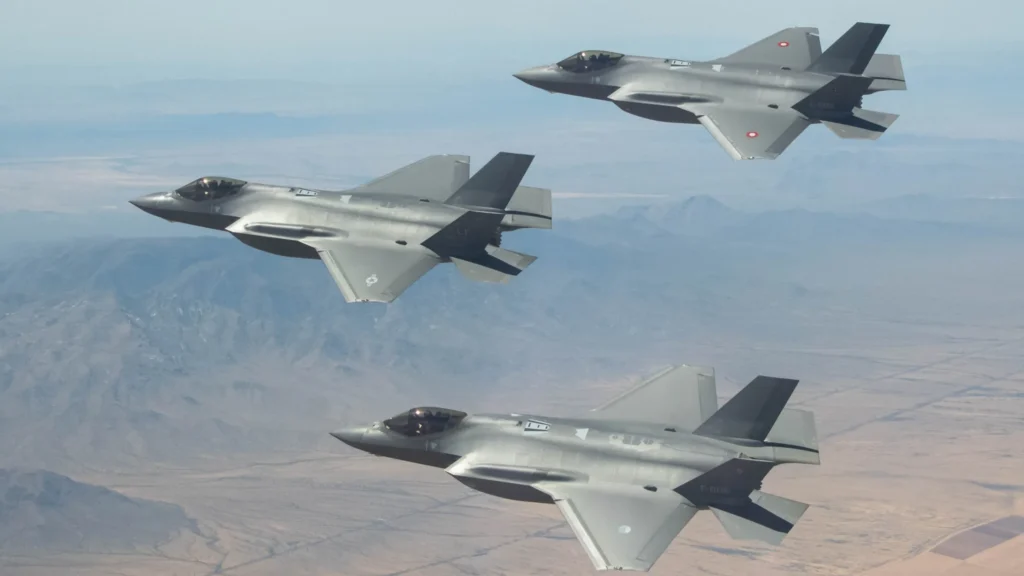
Wisconsin F-35s Head to Middle East
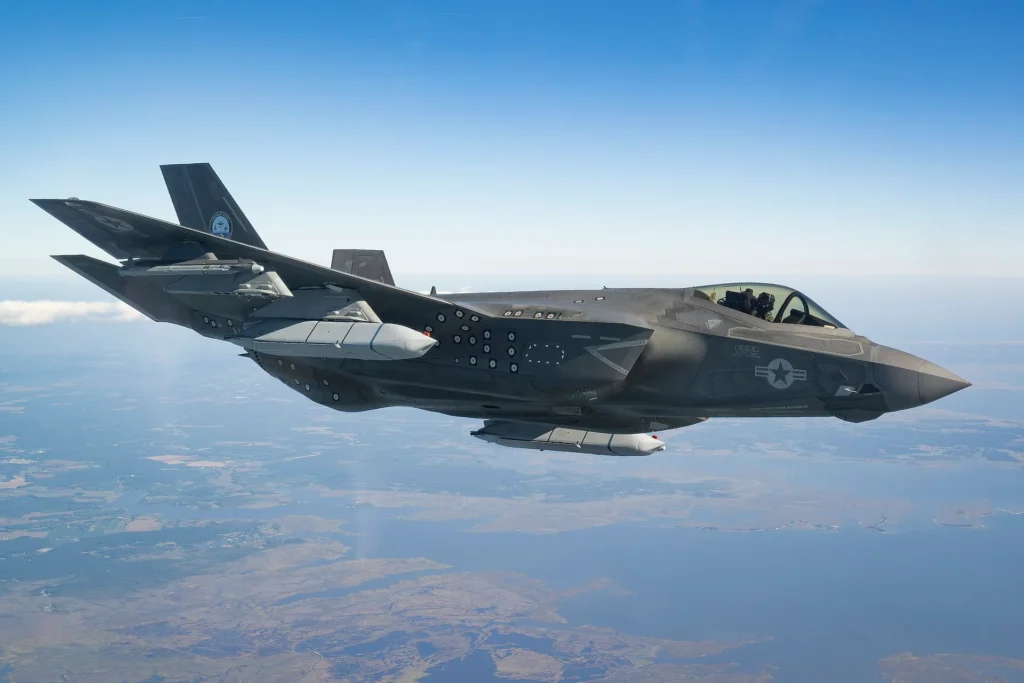
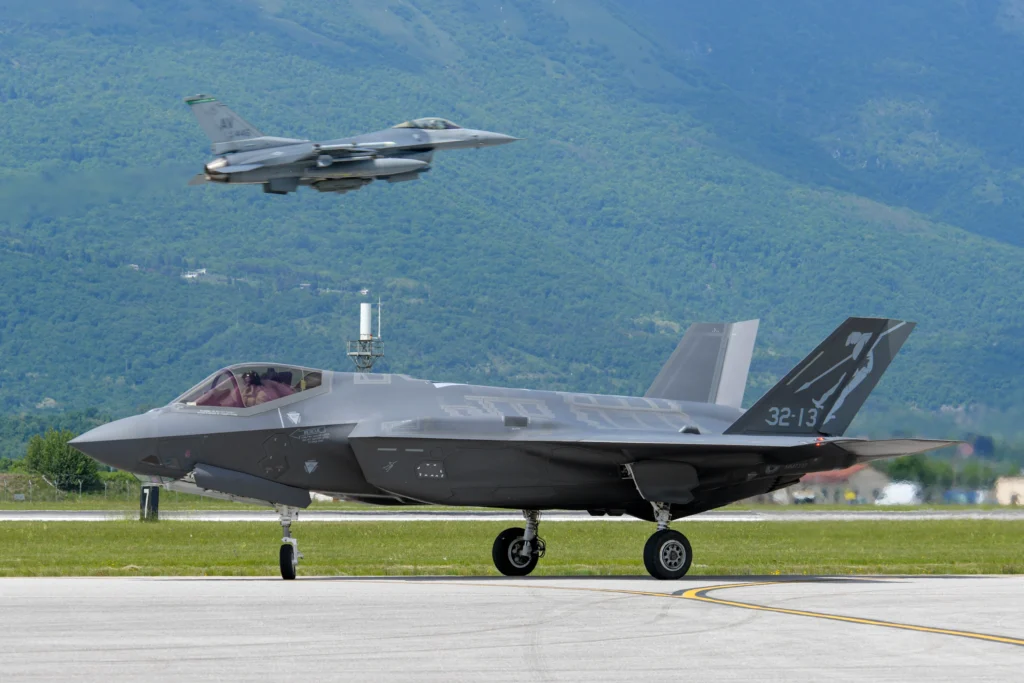
Fresh US fighter aircraft are also moving into the region. F-35 Lightning II fighters from the Wisconsin Air National Guard’s 115th Fighter Wing are deploying to the Middle East and are expected to arrive in the coming days.
The Wisconsin unit is replacing the Vermont Air National Guard’s 158th Fighter Wing. The Vermont unit, known as the “Green Mountain Boys,” completed a roughly 9 month deployment that covered South America and the Middle East.
During that deployment, the Vermont unit supported the capture of Venezuelan President Nicolás Maduro before moving to the Middle East for operations against Iran.
Airmen returned to Vermont on Sept. 6 and were greeted by Chief of the National Guard Bureau Air Force Gen. Steven Nordhaus.
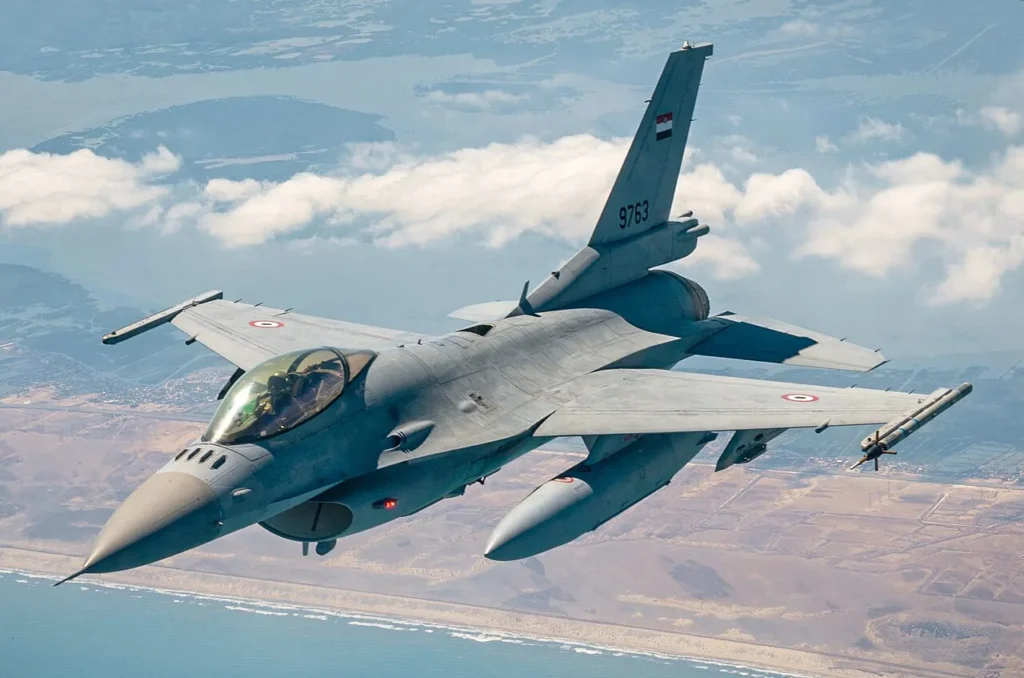
Ohio F-16s Reinforce Regional Forces
F-16s from the Ohio Air National Guard’s 180th Fighter Wing also deployed to the Middle East late last week. The deployment is replacing F-16s from the 555th Fighter Squadron of the 31st Fighter Wing.
The returning 555th Fighter Squadron aircraft are heading back to Aviano Air Base in Italy. Known as the “Triple Nickel,” the squadron had been deployed to the Middle East since last November, substantially longer than the Air Force’s typical 6 month rotation.
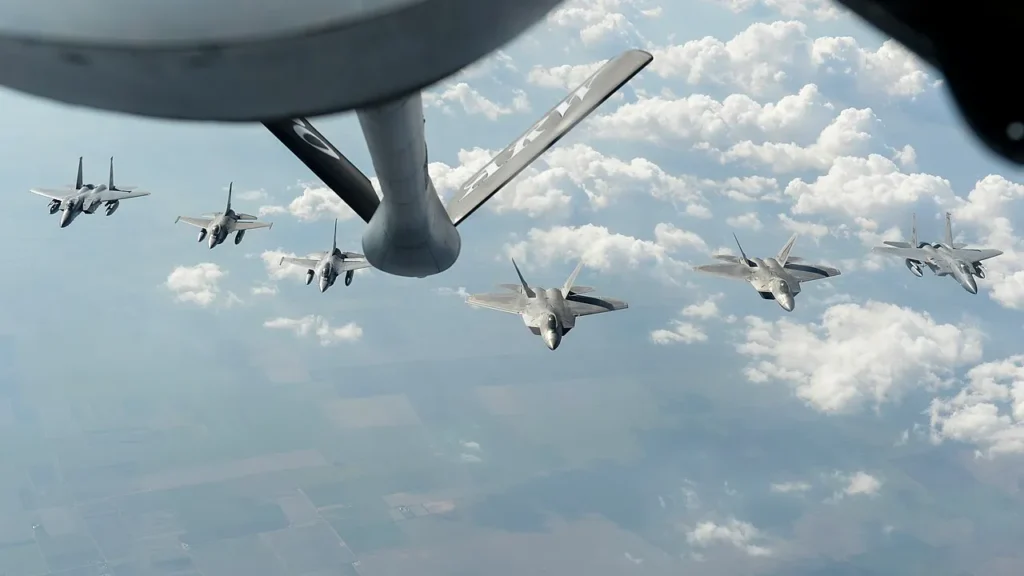
The Air Force has dozens of F-16, F-35, and F-15E Strike Eagle fighters and A-10 Thunderbolt II attack aircraft in the Middle East, supported by other aircraft and scores of tankers. More rotations are expected in the coming weeks.
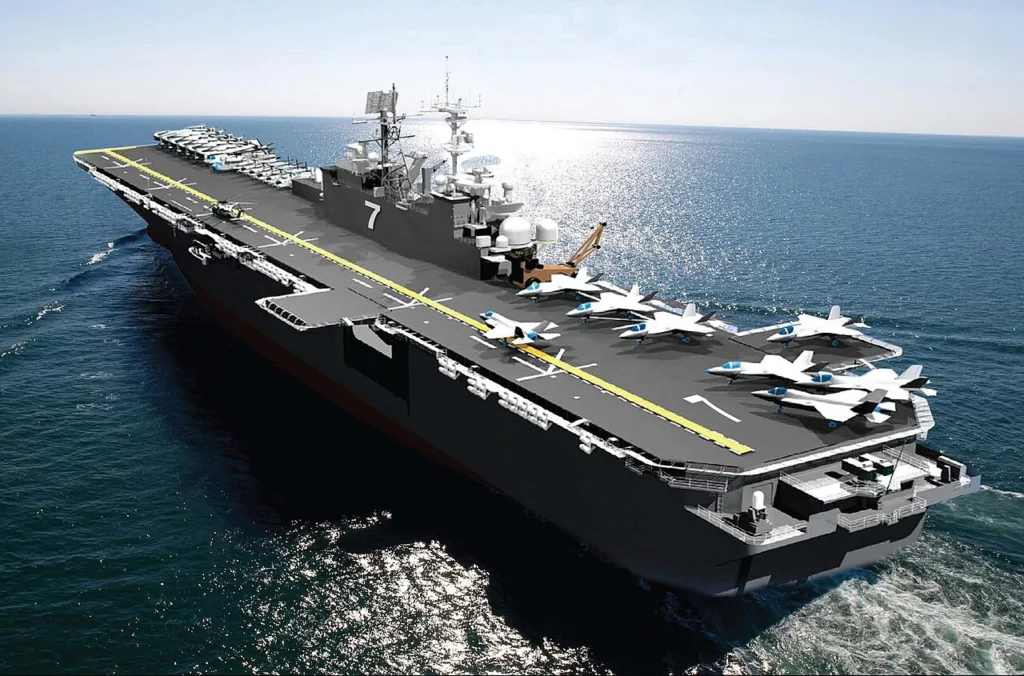
US Navy Keeps 2 Carriers in Region
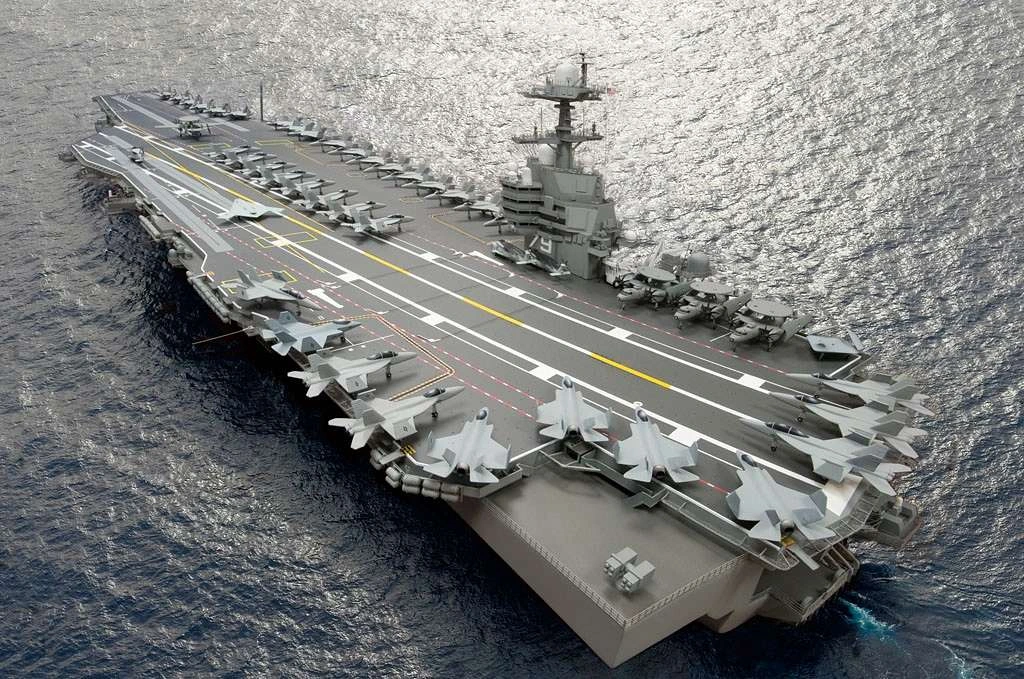
The US Navy has 2 aircraft carriers and their embarked carrier air wings supporting operations in the Middle East: USS George H.W. Bush and USS George Washington. Around 20 surface vessels are also supporting the force.
The Navy has also maintained extended deployments during operations against Iran. USS Abraham Lincoln is heading home after a 9 month deployment.
Before that, USS Gerald R. Ford spent 11 months deployed and, like Vermont’s 158th Fighter Wing, supported operations involving both Venezuela and Iran.
Treasury Expands Sanctions on Iran
As the military confrontation continued, the US Treasury Department announced new sanctions targeting 36 entities and individuals connected to Iran’s aviation sector under Operation Economic Outcast.
Treasury said the targets included networks supporting Iran’s ability to move weapons, personnel, and illicit cargo, as well as front companies, foreign intermediaries, and deceptive transshipment routes used to obtain aircraft and sensitive technology.
The action also targeted companies supporting Mahan Air, an Iranian airline that US officials have linked to the IRGC.
Treasury said the measures were part of efforts to restrict Iran’s aviation procurement and support networks.
Houthi Attacks Add to Regional Tensions
The conflict is also affecting other parts of the region. Iran-backed Houthi forces fired missiles and drones at energy facilities in southern Saudi Arabia on Sept. 8, adding another active front to the regional fighting.
Air & Space Forces provided the original reporting on the tanker strikes and the incoming US fighter rotations.
Stay tuned with us. Further, follow us on social media for the latest updates.
Join us on Telegram Group for the Latest Aviation Updates. Subsequently, follow us on Google News
