

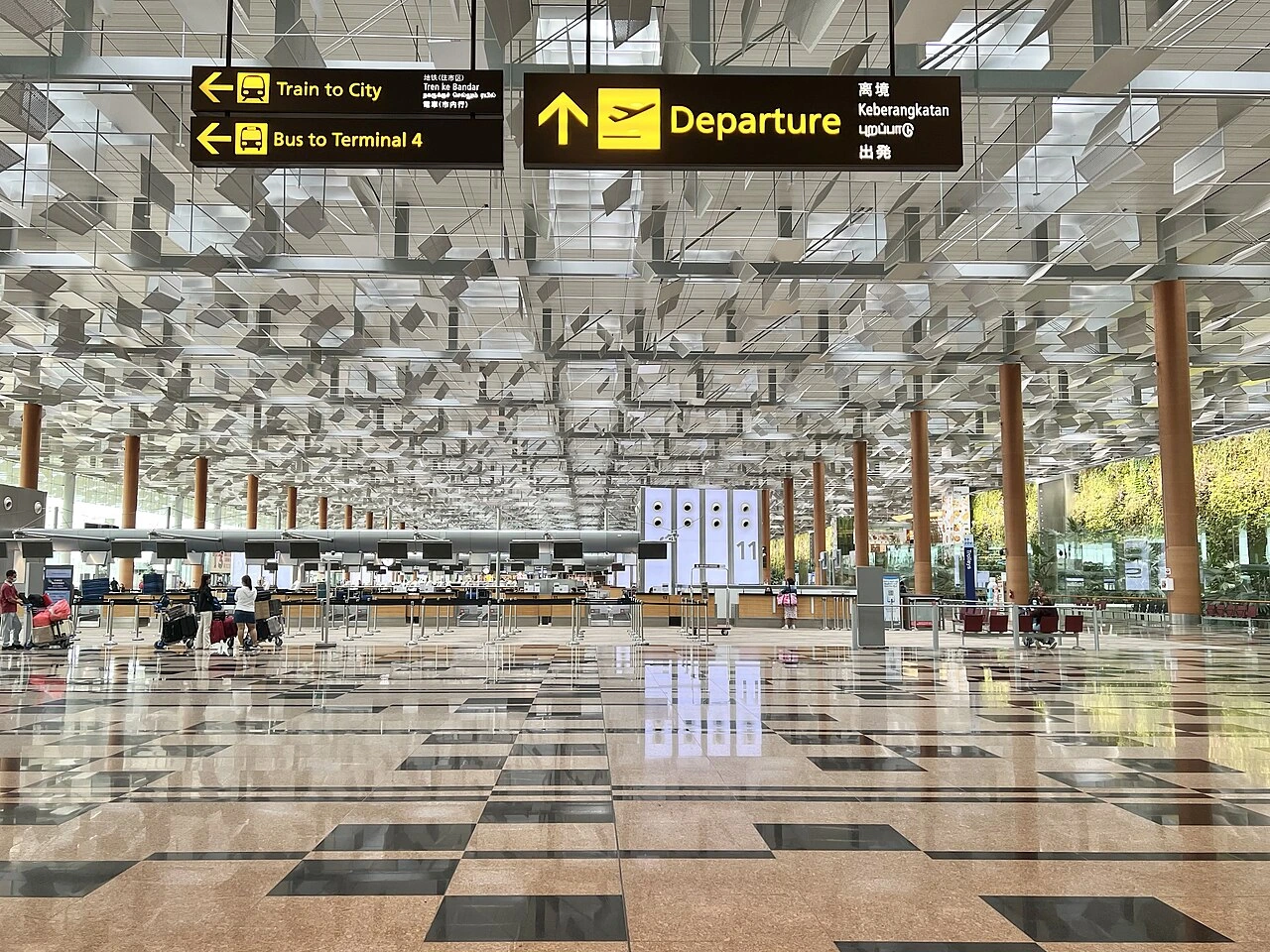
For international travellers, the immigration experience often creates the first and last impression of a country. Fast-moving queues, efficient border control procedures, modern e-gates, courteous officers, and well-organised arrival halls can significantly improve the overall passenger journey.
Conversely, long waiting times and complicated procedures can quickly undermine an otherwise excellent airport experience.
The Skytrax World Airport Awards 2026 recognise the airports that deliver the world’s best immigration services, based on passenger feedback covering arrivals, departures, transit immigration, waiting times, queue management, e-gate efficiency, priority processing, and the professionalism of immigration staff.
10 Best Airport Immigration Services in the World in 2026
According to Skytrax, the award evaluates every aspect of border control services that travellers encounter throughout their airport journey.
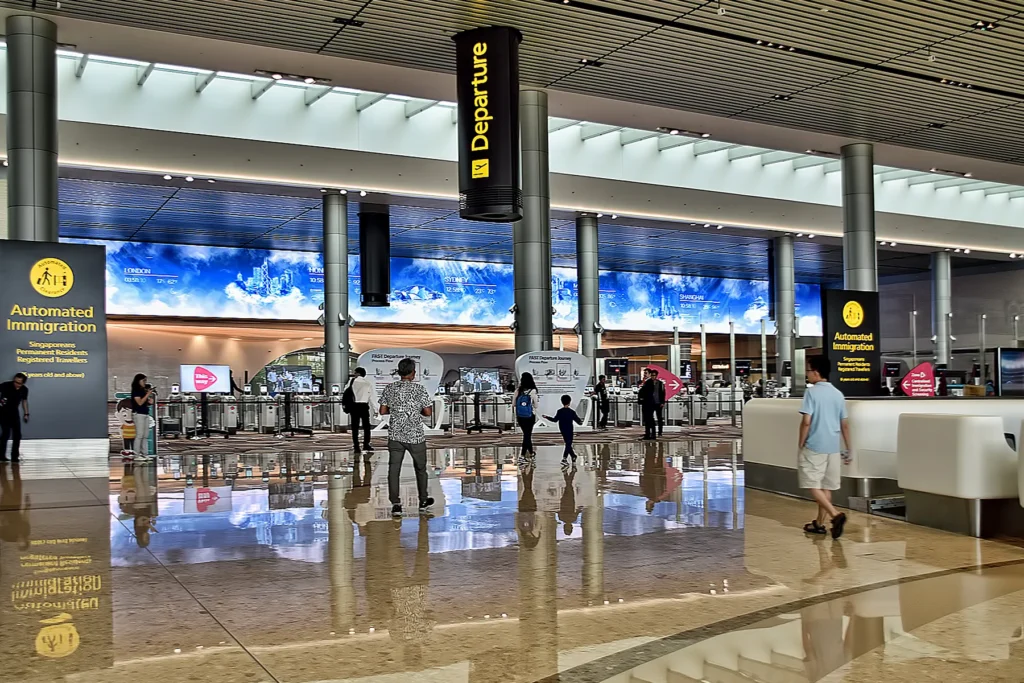
1. Singapore Changi Airport (Singapore)
Singapore Changi Airport claims the title of the world’s best airport immigration service in 2026. The airport has long been recognised for combining cutting-edge technology with exceptional operational efficiency, and its immigration facilities are no exception.
Travellers arriving at Changi benefit from highly automated processing systems, advanced biometric verification, and some of the shortest immigration waiting times among major international airports.
The airport’s immigration halls are spacious, clearly signposted, and designed to process large numbers of passengers without creating congestion.
One of Changi’s biggest strengths is consistency. Whether passengers arrive during peak holiday periods or quieter travel seasons, processing times remain remarkably efficient. Immigration officers are also frequently praised for their professionalism and courtesy.
The airport’s overall commitment to passenger experience has helped it maintain its position among the world’s aviation leaders, with immigration services playing a major role in that success.

2. Bahrain International Airport (Bahrain)
Bahrain International Airport ranks second globally thanks to its highly efficient border control operation and modern passenger processing systems.
The opening of Bahrain’s new terminal significantly enhanced the airport’s immigration facilities, creating a smoother and faster experience for international travellers.
Passengers frequently praise the airport’s organised queues, modern infrastructure, and streamlined procedures. The immigration halls are spacious and designed to minimise bottlenecks, while technology helps reduce processing times.
Bahrain’s relatively manageable passenger volumes compared to some larger global hubs also allow immigration officers to provide more personalised service. The result is an arrival experience that feels efficient without being rushed.
As Bahrain continues strengthening its position as a regional aviation hub, its immigration services remain among its most highly rated features.
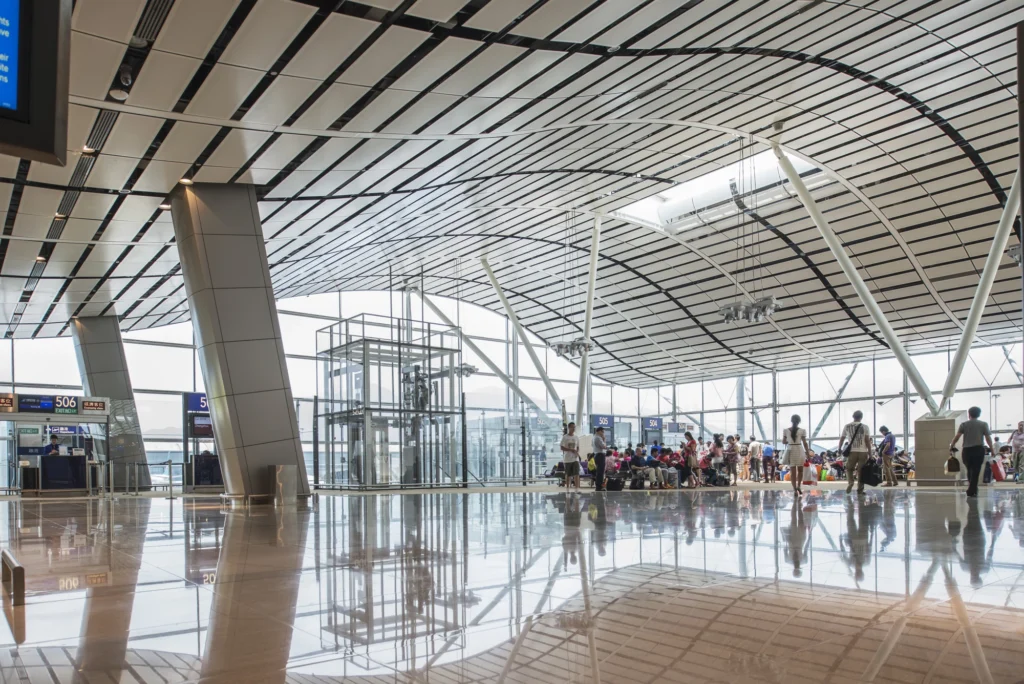
3. Hong Kong International Airport (Hong Kong)
Hong Kong International Airport continues its strong reputation for operational efficiency by securing third place in the global rankings. The airport’s immigration system is widely regarded as one of the most effective in Asia, combining technology, organisation, and professional service.
Travellers benefit from well-designed arrival facilities, extensive use of automated processing, and consistently efficient border control procedures. Even during busy periods, queues generally move quickly due to effective staffing and advanced infrastructure.
Hong Kong’s long-standing role as a major international gateway has helped shape a border control system designed to handle large numbers of global travellers while maintaining high service standards.
Passengers frequently highlight the professionalism and efficiency of immigration officers, contributing to the airport’s strong overall reputation.

4. Seoul Incheon International Airport (South Korea)
Seoul Incheon Airport remains one of the world’s most admired airports and ranks fourth for immigration services in 2026.
The airport has built a reputation for combining advanced technology with exceptional customer service.
The immigration process at Incheon is characterised by modern automated systems, efficient queue management, and clear passenger guidance. Signage is available in multiple languages, helping international visitors navigate procedures easily.
Incheon also benefits from excellent terminal design. Immigration facilities are spacious, reducing congestion and allowing passengers to move through border control quickly.
For many visitors arriving in South Korea, the airport provides a seamless introduction to the country’s reputation for technological innovation and efficiency.
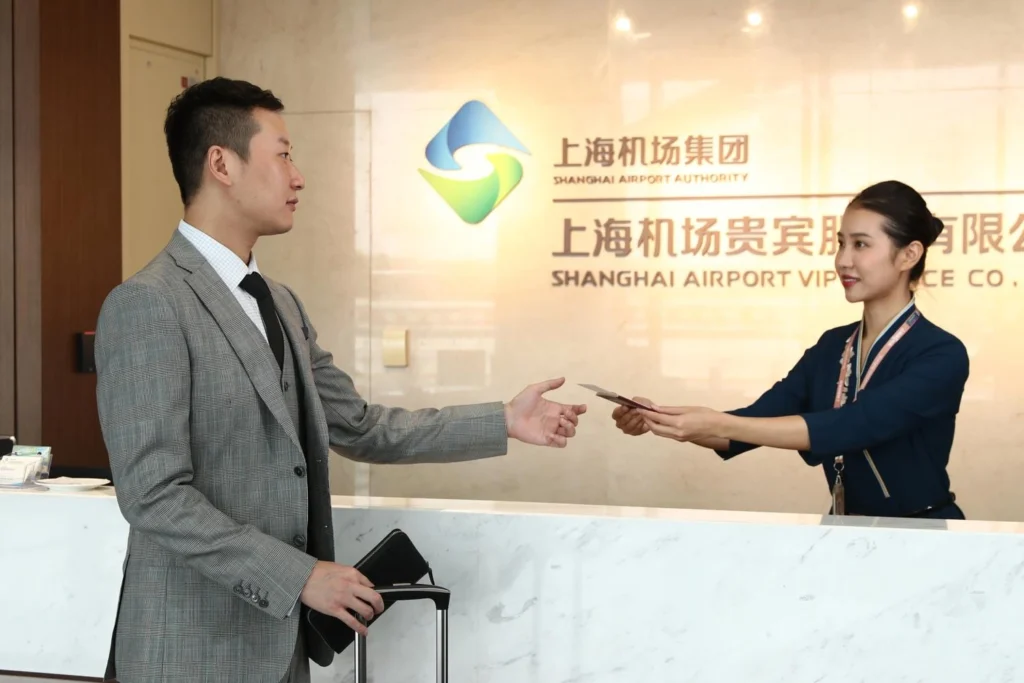
5. Shanghai Hongqiao International Airport (China)
Shanghai Hongqiao Airport secures fifth place thanks to significant improvements in passenger processing and immigration efficiency. The airport has become one of China’s strongest performers in customer service categories and continues to receive praise from international travellers.
Modern immigration facilities, increasing use of automated technology, and improved queue management have helped reduce waiting times substantially. The airport’s efficient layout also contributes to smoother passenger flows through border control areas.
Shanghai’s importance as a major business and financial centre means immigration services must handle a large number of international travellers while maintaining high security standards.
The airport’s performance reflects China’s broader investment in modernising aviation infrastructure and improving passenger experiences.

6. Riyadh King Khalid International Airport (Saudi Arabia)
Riyadh ranks sixth globally and continues to improve its international reputation as Saudi Arabia expands tourism and business travel under its Vision 2030 initiatives.
Immigration facilities have benefited from significant investment in technology and infrastructure. Automated systems, improved staffing levels, and streamlined visa procedures have all contributed to a faster and more efficient experience for travellers.
Passengers increasingly report shorter waiting times and improved organisation compared to previous years. The airport’s modern facilities and enhanced customer service standards have helped elevate Riyadh’s position among the world’s leading airports for immigration services.
As international visitor numbers continue growing, maintaining efficient border control remains a major priority.
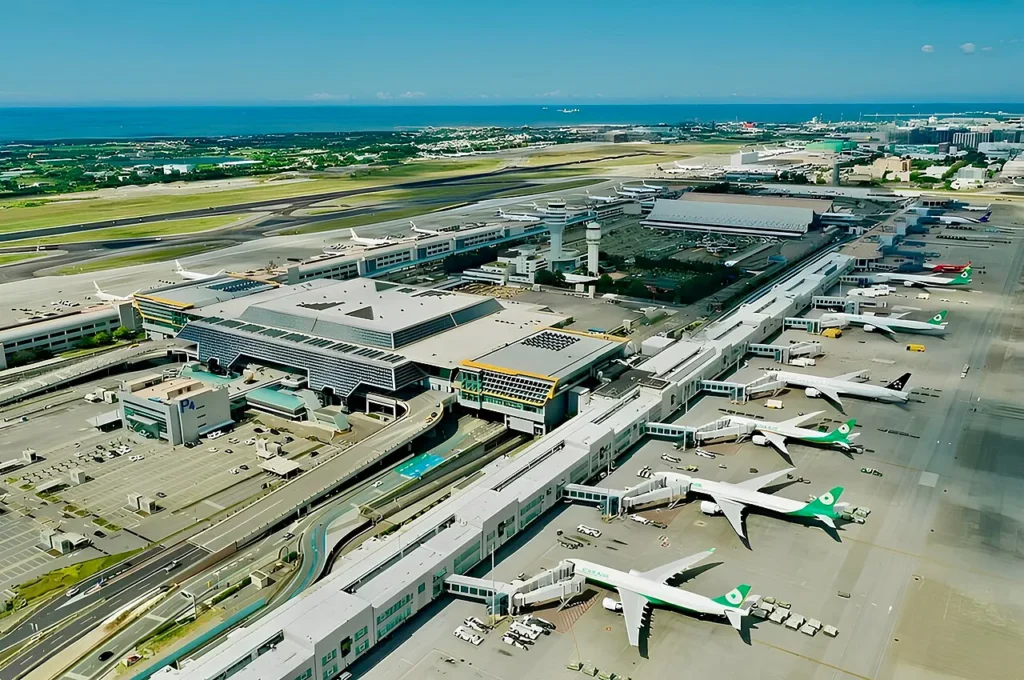
7. Taiwan Taoyuan International Airport (Taiwan)
Taiwan Taoyuan Airport earns seventh place through its combination of efficiency, professionalism, and passenger-friendly processes. The airport serves as Taiwan’s primary international gateway and handles millions of travellers annually.
Immigration facilities are modern, well organised, and supported by advanced technology. Automated clearance systems help reduce waiting times while maintaining high security standards.
Passengers frequently praise the courteous attitude of immigration officers and the airport’s clear signage. The immigration process is generally straightforward, even for first-time visitors.
Taiwan’s reputation for hospitality extends into its aviation sector, helping create a welcoming arrival experience for international travellers.
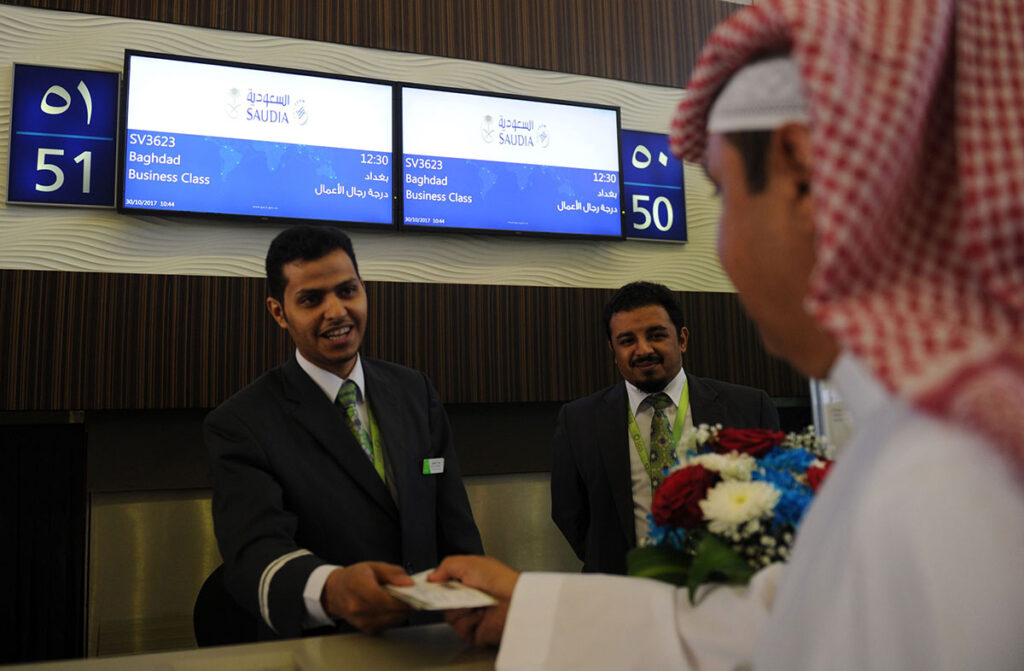
8. King Abdulaziz International Airport, Jeddah (Saudi Arabia)
Jeddah secures eighth position, reflecting the airport’s growing importance as a gateway for both business and religious travel. Millions of international passengers pass through Jeddah every year, particularly during Hajj and Umrah seasons.
Managing such large passenger volumes requires highly efficient immigration operations. Recent investments in technology, digital processing systems, and facility upgrades have significantly improved border control efficiency.
Passengers increasingly report smoother processing, better queue management, and enhanced customer service. The airport’s immigration teams face unique challenges due to seasonal travel peaks but continue delivering strong performance.
Jeddah’s appearance in the global top ten highlights the significant progress made in recent years.
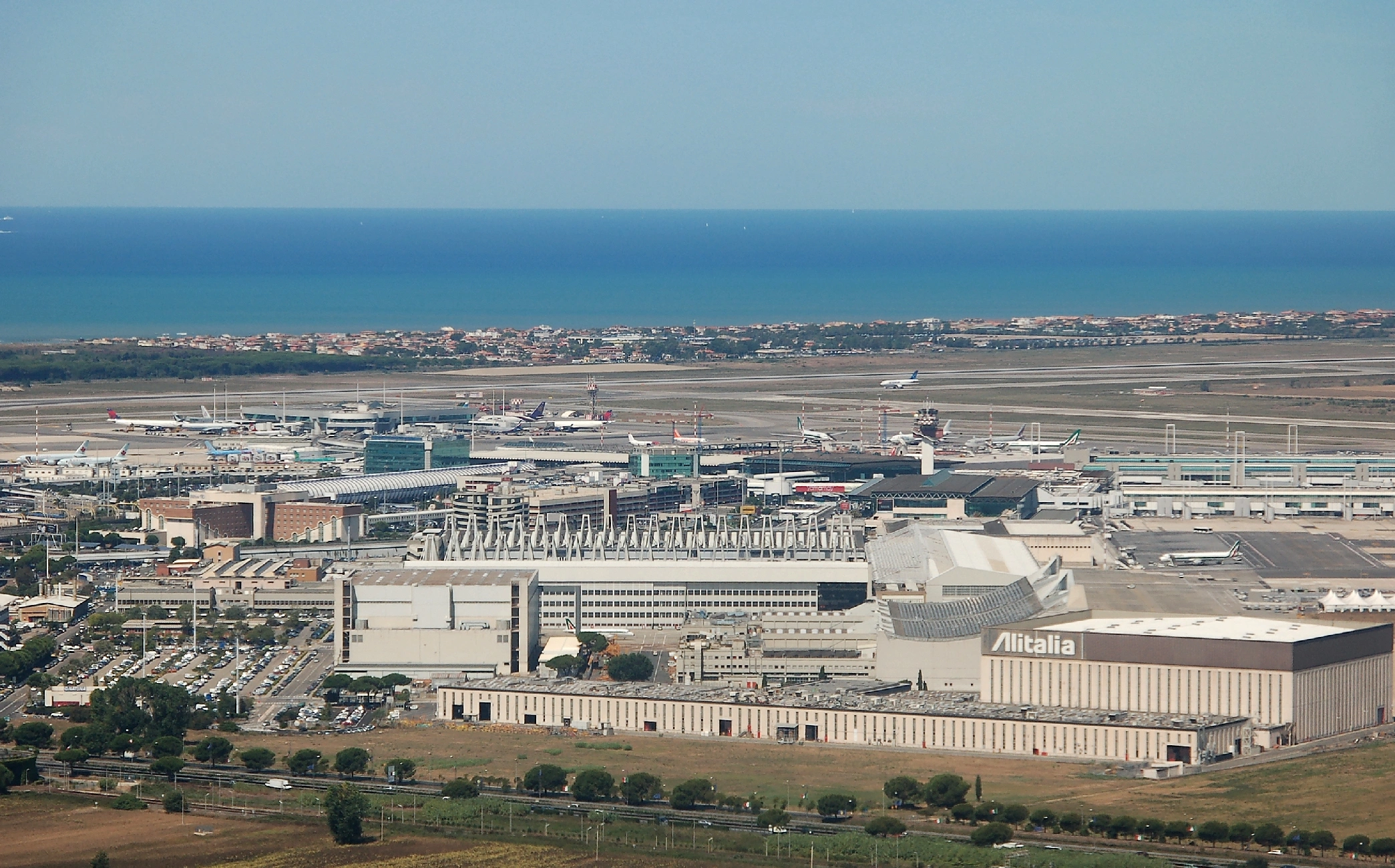
9. Rome Fiumicino Airport (Italy)
Rome Fiumicino Airport continues its remarkable transformation into one of Europe’s leading aviation hubs. Ranked ninth globally for immigration services, the airport combines modern infrastructure with efficient border control procedures.
Recent investments have upgraded immigration facilities, improved passenger flows, and expanded automated passport control systems. These enhancements have helped reduce waiting times while improving overall customer satisfaction.
Passengers frequently praise the airport’s organised layout, professional staff, and efficient processing. As Italy’s busiest airport, Fiumicino handles significant international traffic while maintaining high service standards.
The airport’s strong performance reflects broader efforts to modernise passenger services across all areas of operation.
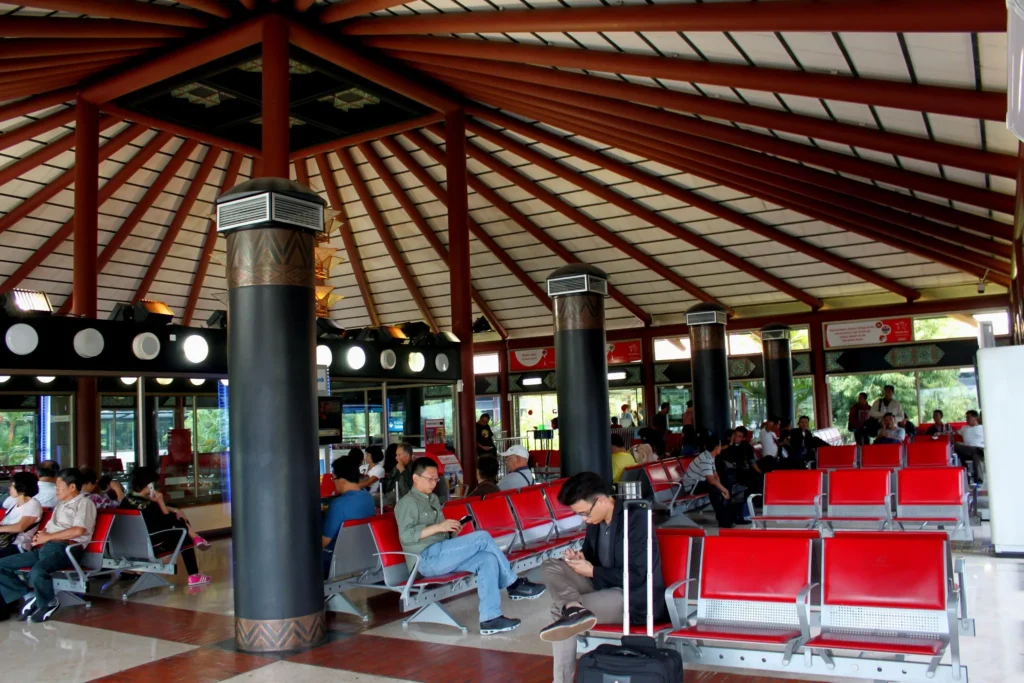
10. Soekarno-Hatta International Airport, Jakarta (Indonesia)
Completing the global top ten is Jakarta’s Soekarno-Hatta International Airport. Indonesia’s largest airport has made significant improvements in immigration efficiency and passenger processing over recent years.
Investments in modern technology, facility upgrades, and staff training have helped create a smoother experience for international arrivals and departures. Automated systems increasingly support immigration operations, reducing queues and improving throughput.
Passengers now experience more organised processing, clearer guidance, and shorter waiting times than in previous years. The airport’s continued investment in customer service has helped strengthen its standing among global aviation hubs.
As Indonesia’s tourism sector continues expanding, efficient immigration services remain critical to supporting international travel growth.
Why Immigration Services Matter
Airport immigration services play a crucial role in shaping passenger perceptions. Travellers often remember their immigration experience as clearly as their flight itself.
Key elements that contribute to excellent immigration services include:
- Fast processing times.
- Efficient queue management.
- Modern e-gate technology.
- Clear signage and passenger guidance.
- Professional and courteous officers.
- Well-designed immigration halls.
- Reliable automated systems.
- Priority processing for eligible passengers.
- Consistent service during peak periods.
- Strong balance between security and efficiency.
Airports that excel in these areas create smoother journeys and improve overall passenger satisfaction.
Growing Role
Many of the world’s highest-ranked airports increasingly rely on biometric verification, facial recognition, automated passport control systems, and digital border processing technologies. These innovations help reduce waiting times while maintaining strong security standards.
Airports such as Singapore Changi, Seoul Incheon, Hong Kong, and Bahrain have demonstrated how technology can transform the immigration experience. Automated systems allow travellers to complete formalities more quickly while enabling officers to focus on complex cases and security monitoring.
As international travel continues to recover and expand, technological innovation will remain central to improving immigration efficiency.
Bottom Line
These airports have distinguished themselves through efficient border control procedures, advanced technology, professional staff, and consistently smooth passenger experiences. Together, they represent the global benchmark for airport immigration services in 2026.
FAQs
According to the Skytrax World Airport Awards 2026, Singapore Changi Airport offers the world’s best airport immigration services thanks to its efficient processing, advanced biometric technology, and consistently short waiting times.
Skytrax evaluates immigration waiting times, queue management, efficiency of border control procedures, availability of automated e-gates, passenger satisfaction, terminal design, and the professionalism of immigration officers.
Asia and the Middle East dominate the rankings, with airports such as Singapore Changi, Hong Kong, Seoul Incheon, Shanghai Hongqiao, Bahrain, Riyadh, Jeddah, and Taiwan Taoyuan all appearing in the global top ten.
Stay tuned with us. Further, follow us on social media for the latest updates.
Join us on Telegram Group for the Latest Aviation Updates. Subsequently, follow us on Google News
