

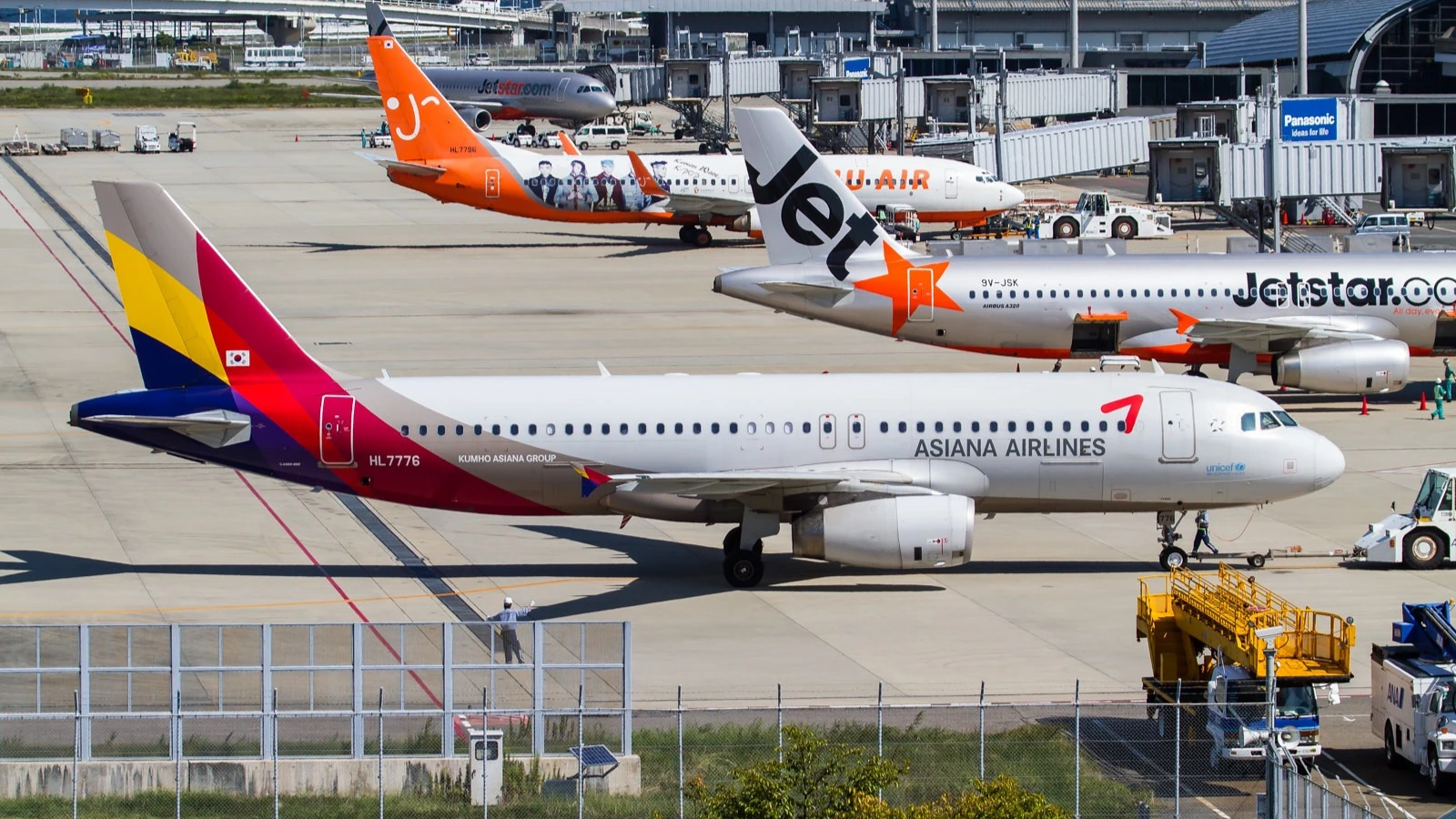
INCHEON— Asiana Airlines (OZ) has announced a major expansion of its China network as cross-border travel demand shows sustained recovery. The carrier will add 28 weekly flights from March 29, marking a 20 percent increase compared with its winter schedule.
The expansion strengthens connectivity between South Korea and multiple Chinese cities, reflecting rising passenger volumes and eased travel restrictions. Asiana will operate a total of 161 weekly flights across 18 China routes under the revised schedule, reinforcing Incheon’s role as a key Northeast Asian hub.
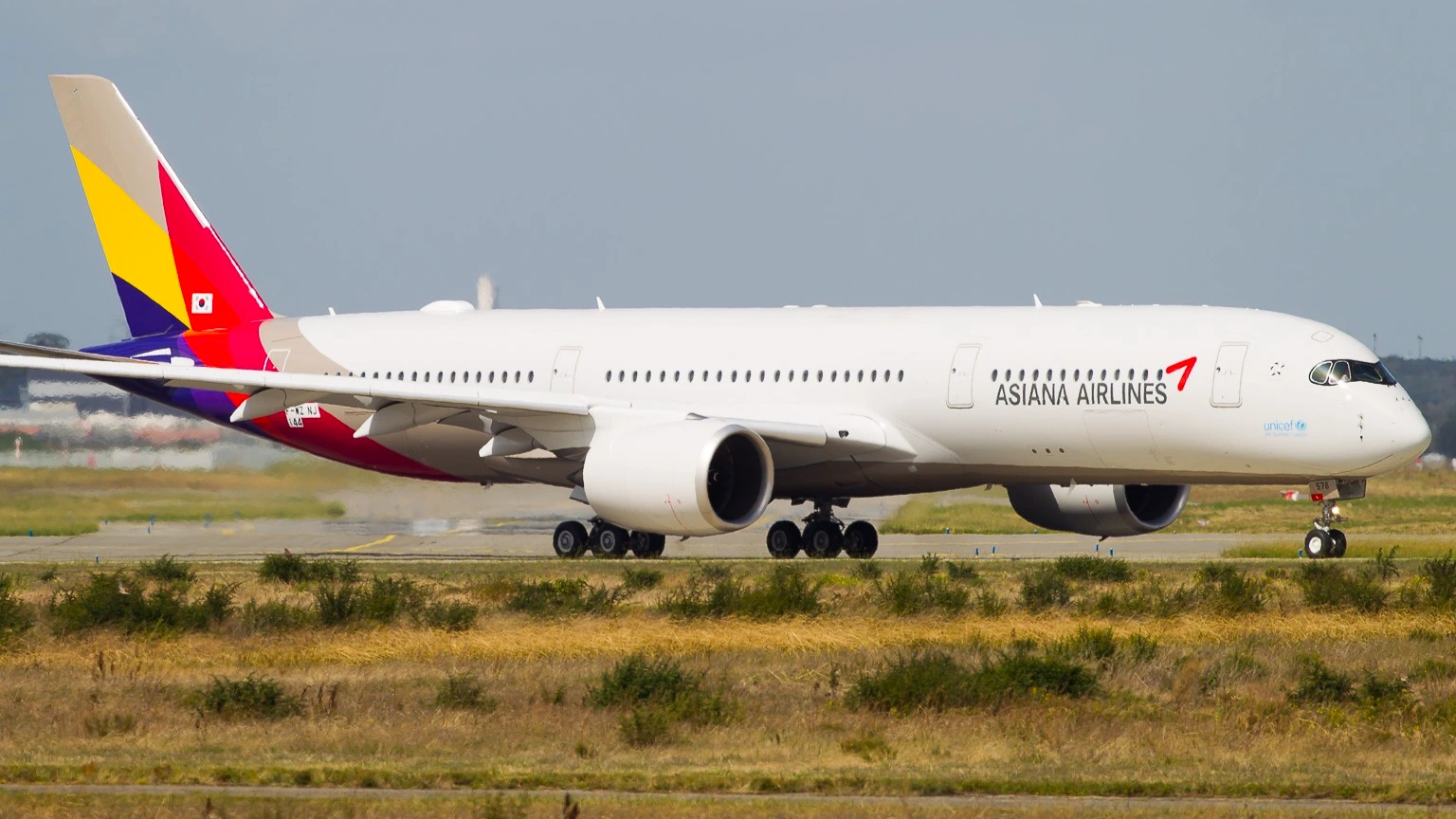
Asiana Airlines Adds China Flights
As part of the network expansion, Asiana will resume daily services on the Incheon–Chengdu (CTU) and Incheon–Chongqing (CKG) routes, which were suspended during the winter season. Both routes will be operated using 188-seat Airbus A321neo aircraft, supporting capacity growth with improved fuel efficiency.
Flights between Incheon and Beijing (PEK) will increase from 17 to 20 per week, responding to higher demand for business and leisure travel. The Incheon–Dalian (DLC) route will also see three additional afternoon services, bringing the weekly total to 10 flights.
Asiana will further increase frequencies on routes to Tianjin (TSN) and Nanjing (NKG), which currently operate three and six weekly flights respectively. These increases are designed to provide passengers with greater scheduling flexibility and improved regional access.
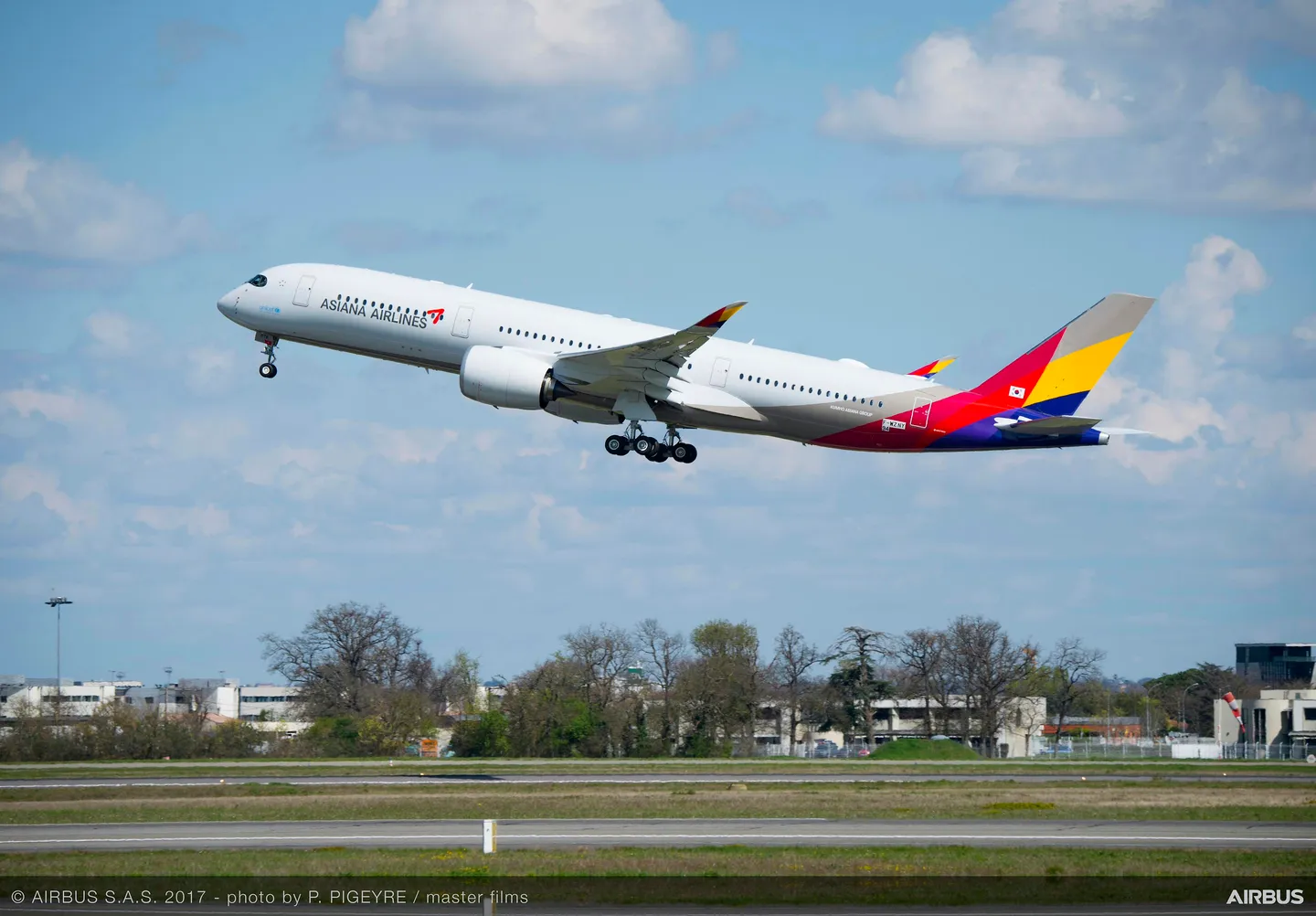
OZ’s Route Frequency Increases
Additional frequency increases are planned later in the spring schedule.
According to the Korean JoongAng Daily, from May 6, Asiana will raise flights on the Incheon–Changchun (CGQ) route from seven to nine per week, reflecting steady passenger growth.
From May 8, the airline will add one more weekly service on the Incheon–Yanji (YNJ) route, increasing the total to eight flights per week. These regional routes cater to both leisure travelers and visiting friends and relatives traffic.
Asiana has highlighted Chengdu and Chongqing as particularly popular destinations for Korean travelers. The cities attract visitors for cultural tourism, cuisine, and regional attractions, contributing to consistent load factor improvements.
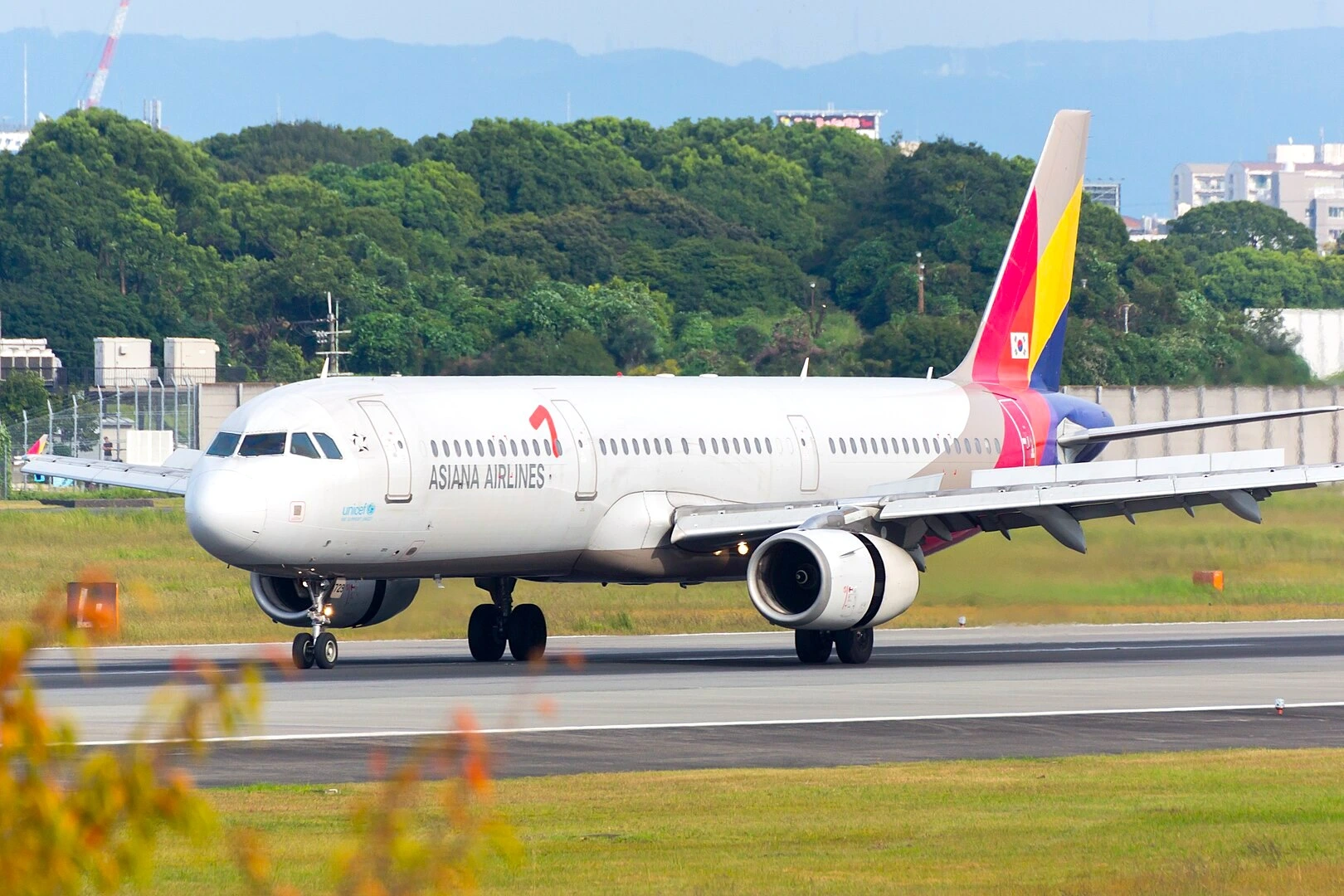
Demand and Market Drivers for Asiana
The airline cited rising travel demand between South Korea and China as a key driver behind the expansion. China’s extension of visa-free entry for Korean nationals through the end of the year has supported outbound travel recovery.
Inbound travel to South Korea has also increased, driven by Chinese visitors interested in shopping, entertainment, and Korean popular culture. Visa-free entry for Chinese tour groups visiting Korea has further strengthened demand.
Asiana has expanded its sales presence in China to support this growth. Since February 2, the airline has operated an official direct sales channel on Ctrip, China’s largest online travel agency.
The carrier also conducted promotional activities on Alibaba-owned travel platform Fliggy during the Singles’ Day period in November 2025. These efforts aim to broaden Asiana’s customer base and stimulate bilateral travel demand.
An Asiana spokesperson said the airline plans to continue increasing capacity between Korea and China to support tourism and economic exchange. The carrier views network growth as a key step in strengthening long-term ties between the two countries.
Stay tuned with us. Further, follow us on social media for the latest updates.
Join us on Telegram Group for the Latest Aviation Updates. Subsequently, follow us on Google News
