

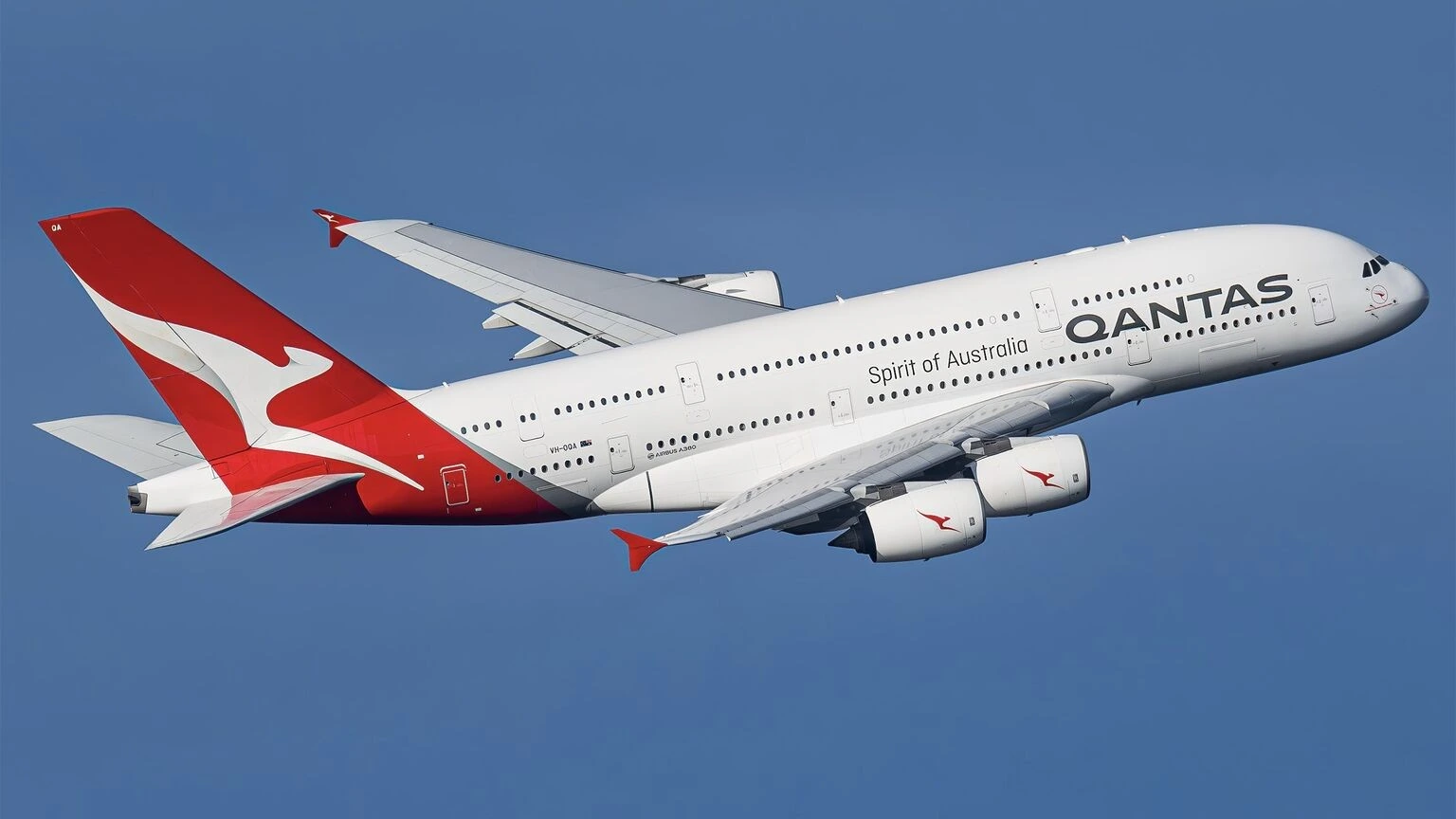
CANBERRA— Qantas Airways (QF) customers are being warned about a new wave of phishing scams that target unused loyalty points and travel credits. The messages, which appear as text alerts, claim that rewards are about to expire and urge recipients to act quickly to avoid losing their points.
The scam activity is closely linked to travel linked with Sydney and wider operations through Sydney Kingsford Smith Airport (SYD), where many Qantas customers are based. Cybersecurity authorities say the fraudulent messages are designed to look urgent and credible, increasing the likelihood that recipients will click on malicious links.

Qantas Phishing Scams
Australia’s national carrier has confirmed it is aware of the scam campaign and has reported the activity to authorities. The airline says the messages often mimic official branding and direct users to fake websites that resemble genuine Qantas login pages.
The latest scam texts promise luxury rewards such as smartphones, household appliances, or retail vouchers. Several messages warn that thousands of loyalty points will expire within days, pushing customers to respond without verifying the source.
Victims are instructed to reply with a single letter or copy a web link directly into their browser. This method can bypass built-in phone security checks and allows criminals to harvest login credentials and personal data.
The National Anti-Scam Centre has identified airline loyalty schemes as a major target for fraud. It now ranks Qantas among the three most impersonated loyalty programs in the country, alongside major telecommunications and retail brands.
Fraudsters Target Loyalty Points
Fraud analysts say loyalty points have become a valuable commodity for criminal networks. Points can be converted into gift cards, flight bookings, or upgrades, and then resold online for cash.
According to The Leader, a recent industry report found that criminals treat loyalty points as a form of shadow currency. Because many travellers check their accounts infrequently, stolen points can go unnoticed for weeks or even months.
While overall airline fraud has declined due to stronger detection tools, criminals are shifting to highly personalised attacks. Australia and the Asia-Pacific region have seen a sharp rise in targeted messages aimed at frequent flyers and inactive loyalty accounts.

https://commons.wikimedia.org/wiki/File:20250413_Boeing_787-9_of_Qantas_(VH-ZNI)_taking_off_from_SYD.jpg
Qantas’ Official Safety Warning
The National Anti-Scam Centre says phishing remains one of the most common scam types reported in Australia. Criminals rely on trusted brands to convince victims to share passwords, banking details, or credit card information.
Authorities are urging travellers to pause before responding to unexpected messages. Customers are advised never to click links in unsolicited texts and to verify account activity only through official airline websites or apps.
In 2025, phishing scams were the second most-reported scam category nationwide. Australians lost an estimated $31.1 million to phishing incidents during the year, with more than 65,000 cases recorded and average losses of around $2,000 per victim.
Qantas has reiterated that it does not ask customers to confirm details or claim rewards through unsolicited text links. The airline says customers who suspect a scam should report it immediately and change their account passwords as a precaution.
Stay tuned with us. Further, follow us on social media for the latest updates.
Join us on Telegram Group for the Latest Aviation Updates. Subsequently, follow us on Google News
