


PARIS- An Air France (AF) arrival at Abidjan triggered a security alert after the aircraft mistakenly taxied into a restricted military area, causing delays and operational disruption.
The incident at Félix Houphouët-Boigny International Airport (ABJ) delayed passenger disembarkation and forced authorities to launch an investigation into ground movement procedures.

Air France A350 Taxiing Error
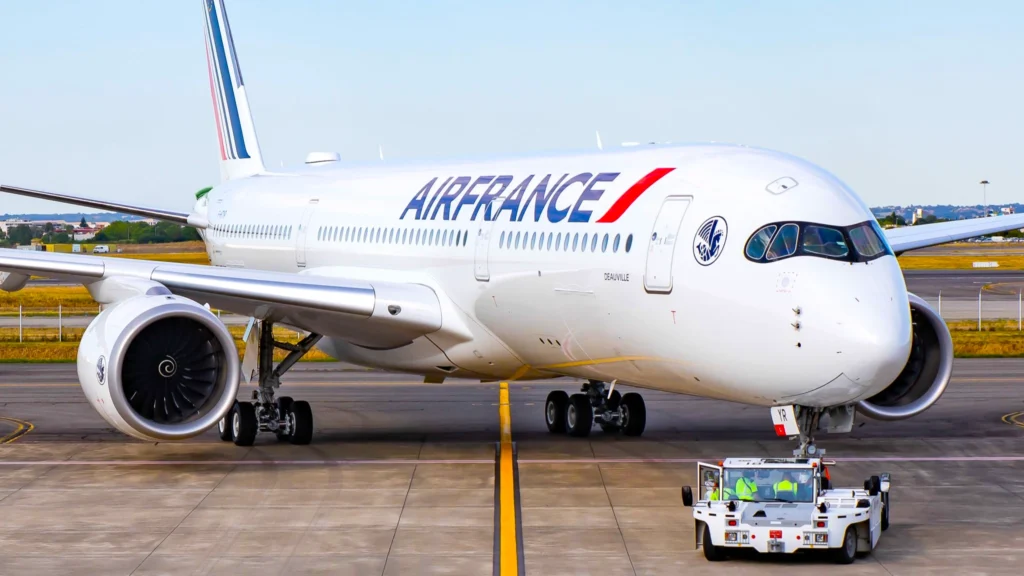
Air France Flight AF702, operated by an Airbus A350-900 registered F-HUVM, completed its scheduled six-hour journey from Paris-Charles de Gaulle Airport (CDG) and landed safely on Runway 03 at 19:27 GMT on February 3, 2026.
The incident occurred after landing during taxi operations. Air traffic control instructed the crew to proceed toward the civilian terminal using a parallel taxiway. Instead, the aircraft turned onto a route leading into the Abidjan Military Air Base.
The incorrect routing placed the wide-body aircraft inside a high-security military zone not designed for civilian aircraft movement. The A350’s size prevented safe maneuvering on the narrow taxiway, leaving the aircraft immobilized, AIRLIVE reported.
Return Flight Cancelled
The flight carried 283 passengers and 12 crew members. No injuries occurred during the event.
Airport ground teams deployed specialized towing equipment to carefully move the aircraft out of the restricted area. The recovery operation took several hours before the aircraft reached a civilian parking stand where passengers were finally able to disembark.
The extended delay disrupted airport operations late into the evening. The operational consequences extended beyond passenger inconvenience.
The scheduled return service to Paris, Flight AF703, was canceled due to the aircraft’s delayed availability and the need for safety checks.
Air France dispatched technical personnel from Paris to inspect the aircraft, focusing on the landing gear and tire condition after operating on a taxiway not designed for such an aircraft’s weight and size.
Investigation and Safety Review Underway
Ivorian aviation authorities have opened a formal investigation to review communications between the control tower and the cockpit crew.
The inquiry aims to determine how the aircraft deviated from the assigned taxi route and entered a restricted military area. Findings may lead to procedural adjustments to prevent similar events.
Airport authorities and airline operators typically review signage clarity, ground movement instructions, and cockpit navigation coordination following such incidents.
Similar Incident
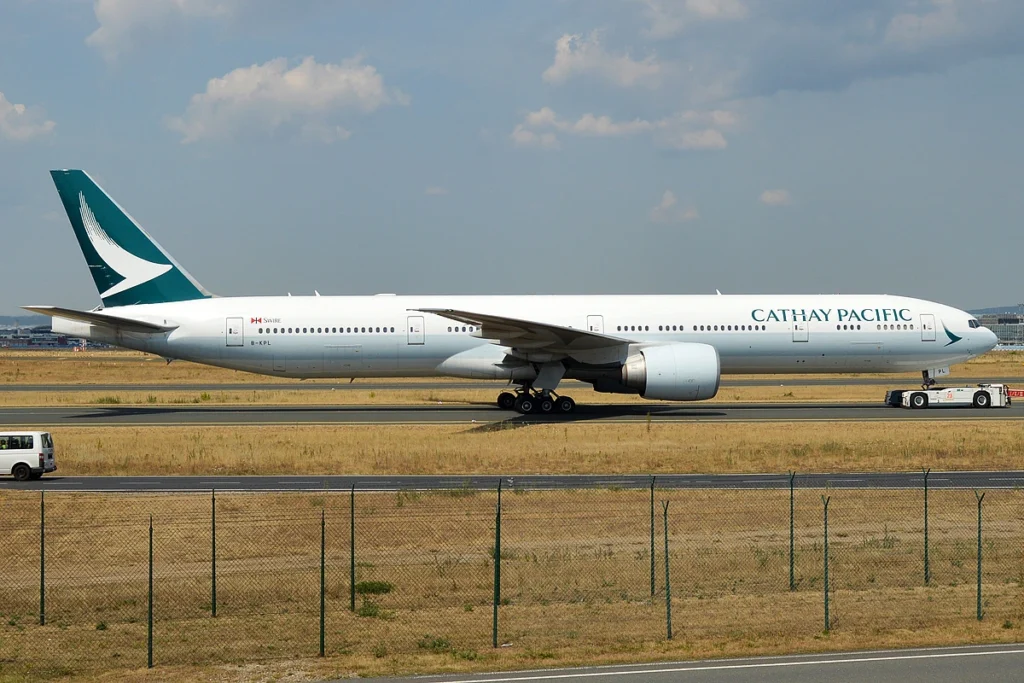
Cathay Pacific (CX) reported a taxiway deviation involving a departing aircraft at Manila, briefly disrupting airport operations before normal traffic resumed.
Air traffic controllers delayed arrivals to maintain safety while the aircraft corrected its route and departed safely.
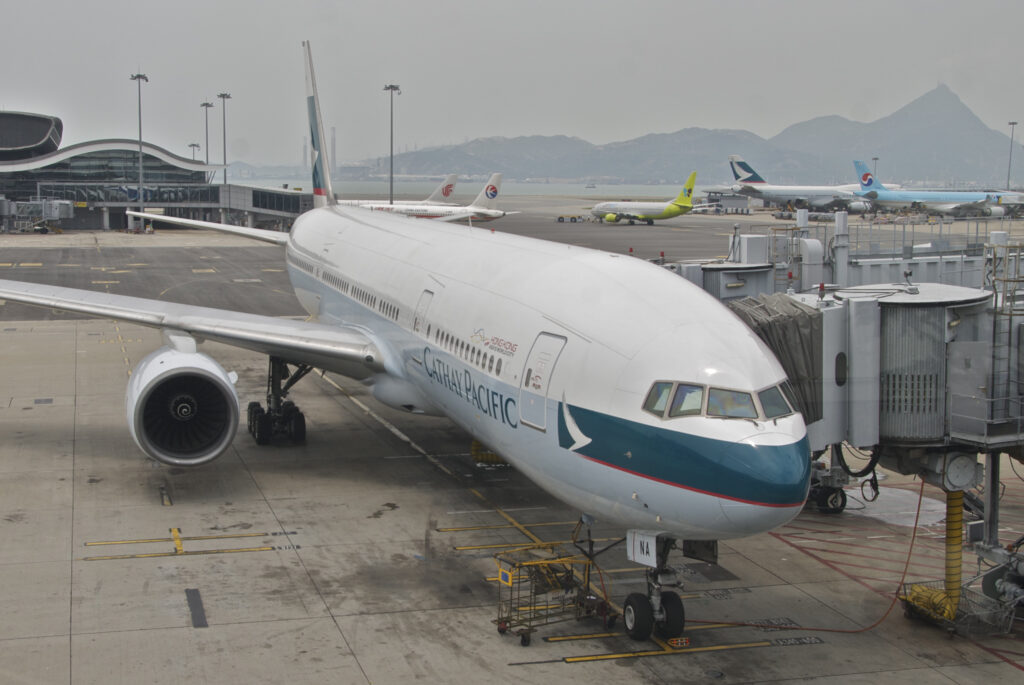
Cathay Pacific flight CX918, scheduled from Manila to Hong Kong, used an incorrect taxiway during ground movement prior to departure. The deviation occurred before takeoff and did not affect passenger or crew safety.
Airport authorities responded immediately to prevent congestion on active runways. Air traffic controllers managed aircraft separation and temporarily delayed two inbound flights while resolving the situation.
After traffic sequencing was stabilized, controllers cleared the Cathay Pacific aircraft for departure. Runway operations then returned to normal flow without further disruption.
Air Traffic Control Response and Flight Delays
Manila’s air traffic controllers adjusted arrival sequences to maintain safe aircraft separation. Such measures are standard procedure when unexpected ground movement conflicts occur.
Controllers ensured that no aircraft entered unsafe proximity, preventing potential runway incursions or taxiway conflicts. Temporary delays allowed safe movement of all aircraft in the vicinity.
Cathay Pacific confirmed it has begun an internal investigation while cooperating with Philippine aviation authorities. The review covers cockpit procedures, airport ground markings, taxiway signage, and coordination between pilots and air traffic services.
Standard operating procedures require pilots to strictly follow taxi instructions, particularly at busy airports with intersecting taxiways and ongoing construction or layout changes.
Findings from the review will guide improvements in operational training and procedures where required.
Taxiway Deviations at Major Airports
Aviation analysts note that taxiway deviations remain uncommon but possible at large airports handling heavy traffic volumes. Complex layouts and simultaneous aircraft movements increase workload during taxi operations.
Clear communication between flight crews and controllers remains critical in preventing runway incursions and maintaining smooth ground operations.
Stay tuned with us. Further, follow us on social media for the latest updates.
Join us on Telegram Group for the Latest Aviation Updates. Subsequently, follow us on Google News
