

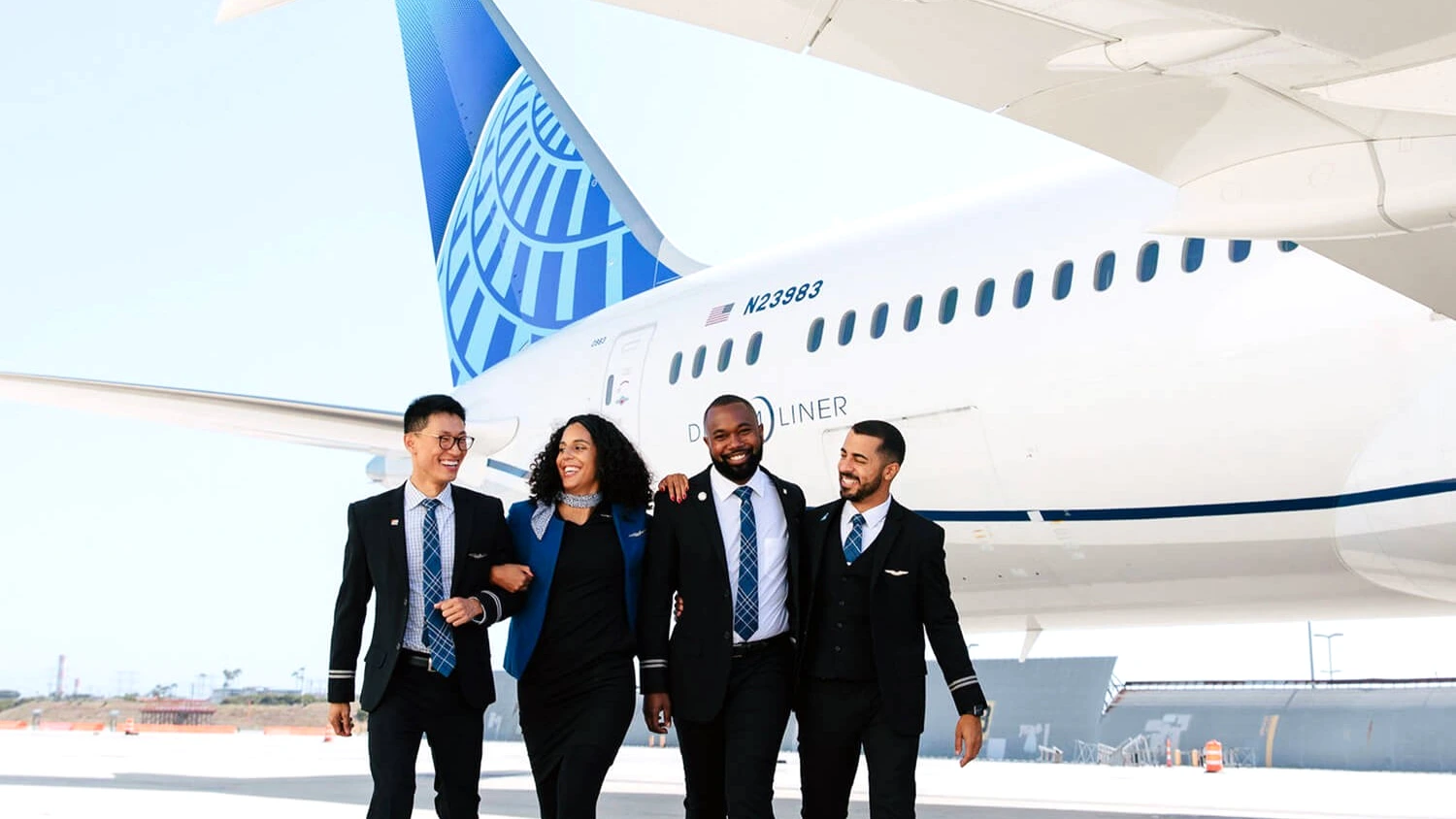
CHICAGO- United Airlines (UA) cabin crew rejected a tentative labor contract, sending both sides back to negotiations as scheduling reforms and pay structure remain disputed.
The airline now links future contract improvements to operational savings, including the adoption of a new scheduling system for flight attendants.
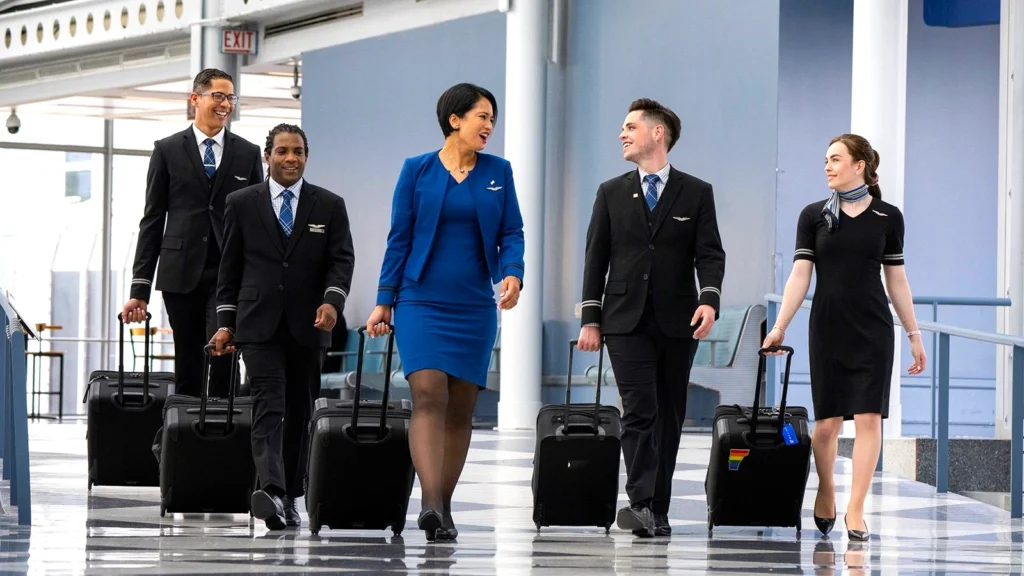
United Begins New Scheduling for Attendants
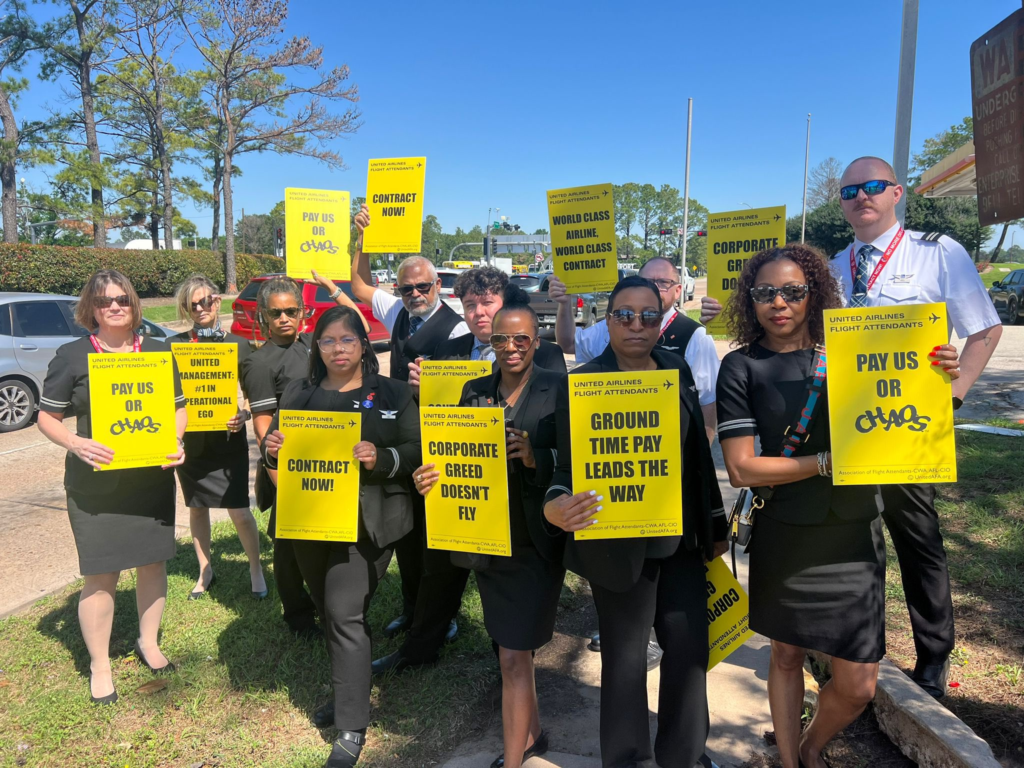
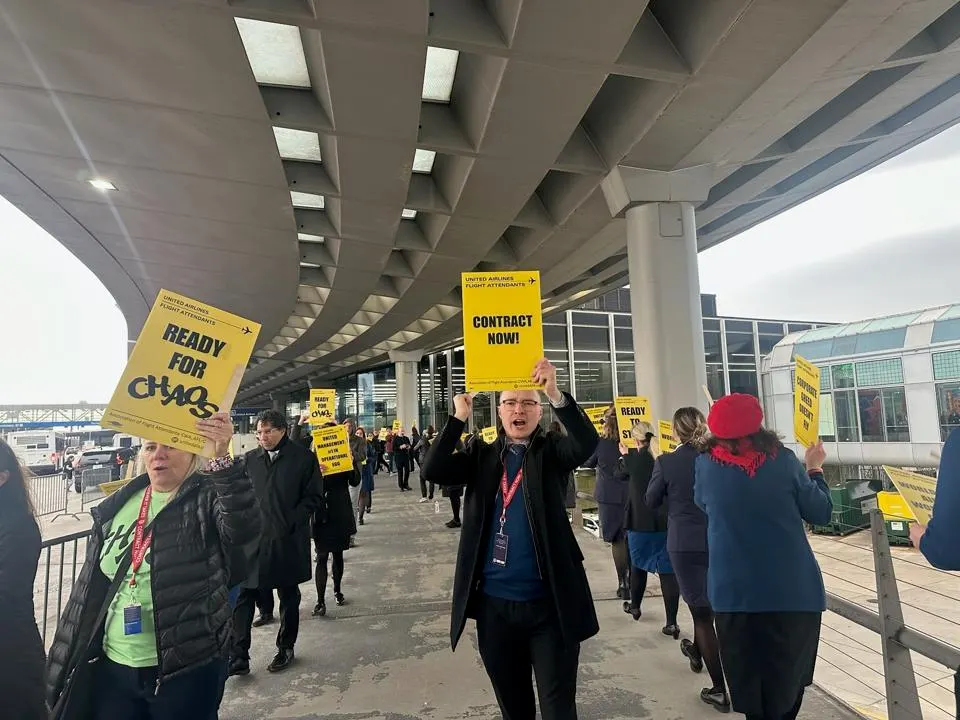
Seventy-one percent of United flight attendants rejected the tentative agreement negotiated between United Airlines and the AFA-CWA union, despite the proposal including pay increases after five years without raises.
Union leaders had argued the deal stretched airline finances to their limits. However, many crew members expected additional gains, particularly compensation for airport standby time and clearer protections around hotel standards during layovers. When those expectations were not fully met, dissatisfaction grew.
The union has since surveyed members to reassess priorities, and negotiations are scheduled to resume. United has also communicated directly with employees, signaling willingness to address airport waiting time pay but insisting overall contract costs cannot increase without tradeoffs.
This situation has placed scheduling reform at the center of negotiations, View from the Wing reported.

How the Preferential Bidding System Changes Scheduling
United is promoting the adoption of the Preferential Bidding System, known as PBS, to replace the current monthly line bidding system.
Under today’s system, management builds fixed monthly schedules, and flight attendants bid for those lines based on seniority. After the assignment, crews trade or drop trips to adjust schedules.
PBS works differently. Flight attendants submit preferences for trips, days off, layovers, or report times. A system then assigns trips based on those preferences while respecting staffing rules and seniority.
PBS does not change how trips are constructed, nor does it eliminate trading or pickups. It replaces only the line creation process.
Major U.S. carriers such as American Airlines, Delta Air Lines, and JetBlue Airways already use PBS, and United pilots have operated under it for over two decades.
Why United Wants PBS in the Agreement
United argues PBS improves operational efficiency and reduces last-minute scheduling disruptions. The airline believes better staffing alignment reduces administrative work and operational costs.
Management also says these efficiencies free funds that can support pay and benefit improvements within the same financial limits.
Operational goals include:
- Better matching of staffing levels with flight demand
- Fewer manual schedule adjustments
- Reduced last-minute reassignment disruptions
- Integration of training and vacation scheduling
- Removal of separate vacation relief bidding processes
United also stresses implementation would take years, involving union participation, testing, and training phases.
Why Many Flight Attendants Resist PBS
Despite airline support, many flight attendants remain skeptical.
PBS can feel complex and unpredictable, especially for mid-seniority crew members who may see monthly schedule variations. Workers who rely on consistent schedules for commuting or childcare worry about reduced predictability.
Some crew members also dislike the strategic nature of PBS bidding, which often requires learning system tactics to obtain desired trips.
When preferences are not awarded, employees often feel the system worked against them even when results reflect seniority rules.
PBS as Both Strategy and Bargaining Tool
PBS serves two roles in negotiations.
First, United genuinely wants to modernize scheduling. Second, the system provides bargaining flexibility because operational savings can offset new compensation demands without increasing total contract cost.
Negotiators may ultimately present PBS adoption as a necessary tradeoff for improved pay or additional benefits. Removing PBS from negotiations later could also help secure agreement approval if talks stall.
For now, both sides return to the bargaining table with a clearer understanding that scheduling reform may determine how much financial improvement becomes possible in the next contract.
Stay tuned with us. Further, follow us on social media for the latest updates.
Join us on Telegram Group for the Latest Aviation Updates. Subsequently, follow us on Google News
