

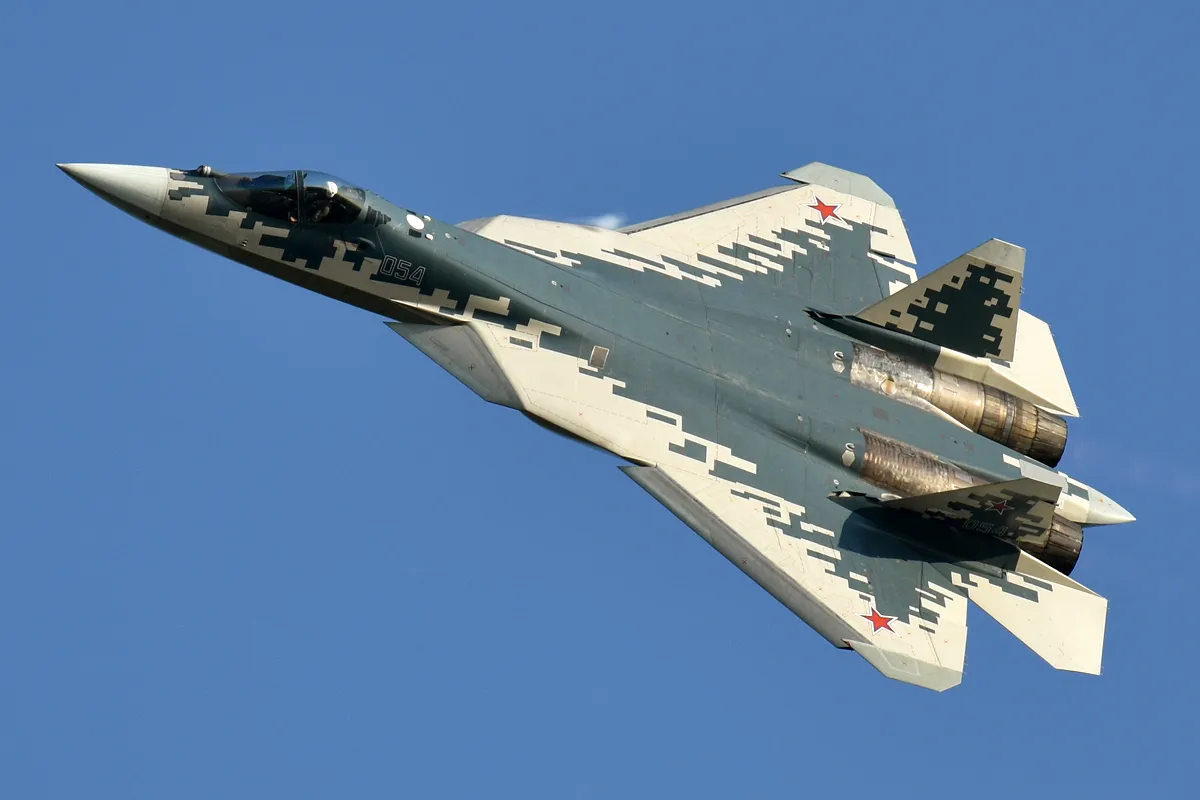
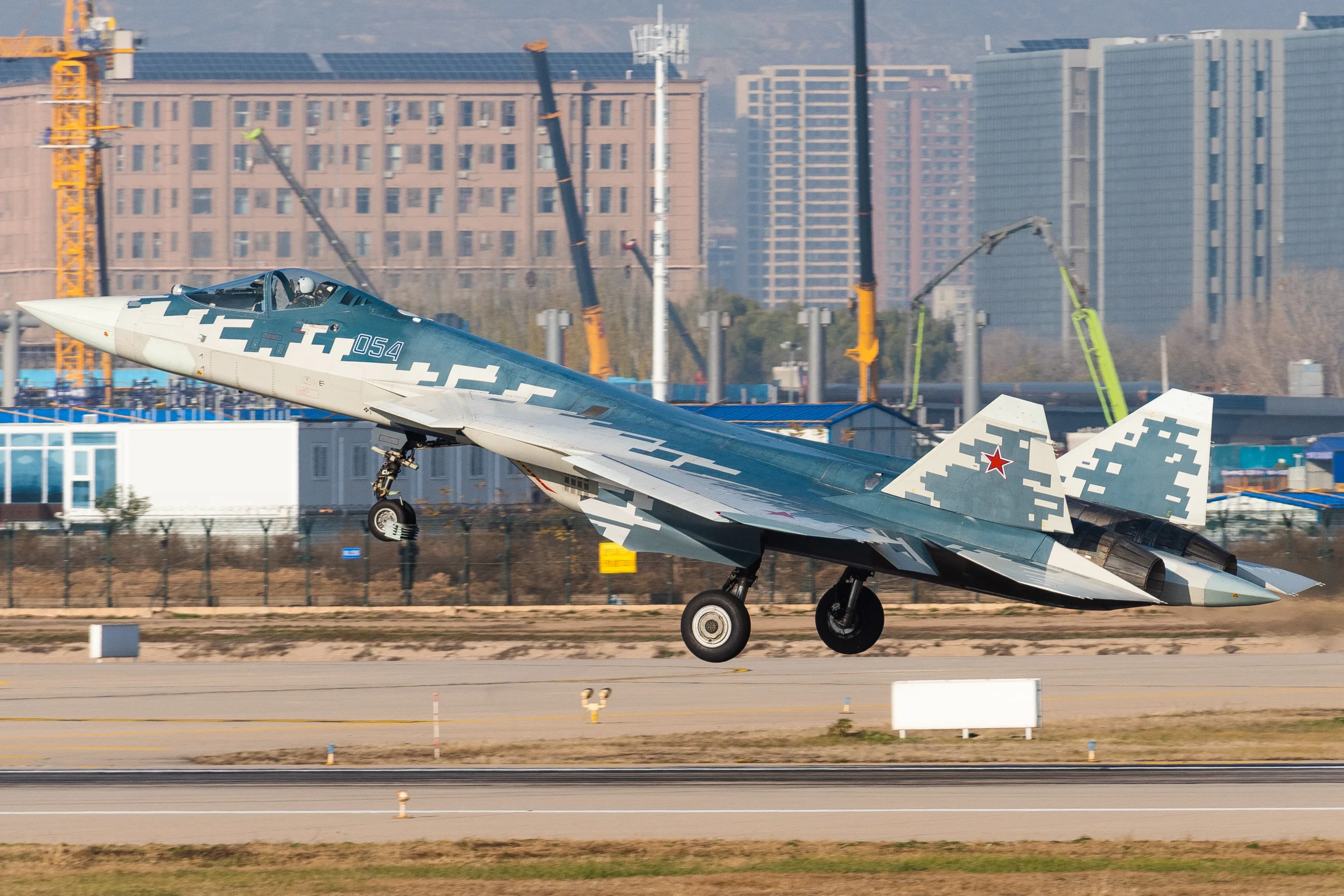
DELHI- India is once again at the center of a complex geopolitical and defense debate as the United States signals possible sanctions over the acquisition of Russian-made Su-57 stealth fighter jets. The warning comes at a time when New Delhi has recently secured trade relief from Washington, including a sharp reduction in tariffs.
While the tariff rollback appeared to reset bilateral momentum, a fresh challenge is emerging under the Countering America’s Adversaries Through Sanctions Act, or CAATSA. The proposed action could affect India’s expanding defense cooperation with the US, even as it evaluates future combat aircraft options to bridge capability gaps in the Indian Air Force.
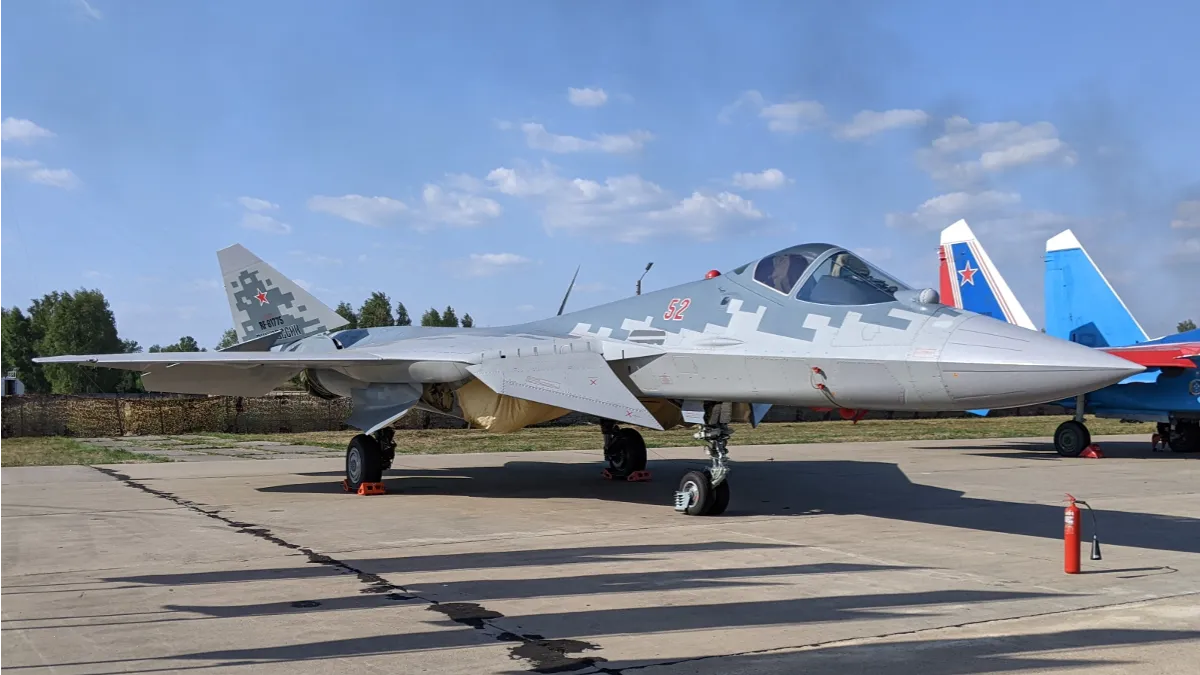
https://commons.wikimedia.org/wiki/File:Sukhoi_Su-57_RF-81775_Army-2022.jpg
US Sanction Warning on Su-57 Jet Deal
The immediate trigger for renewed CAATSA concerns is the US government’s warning to Algeria over its confirmed purchase of Russian Su-57 fighter jets.
Algeria became the first export customer of the fifth-generation aircraft in 2025, with deliveries reportedly underway, prompting Washington to describe the deal as problematic under US sanctions law.
US officials have indicated that major arms transactions with Russia could invite penalties, especially when they involve entities already on the US sanctions list. Russia’s state-owned Rostec, the parent company behind the Su-57 program, remains designated under US financial restrictions, increasing the risk of secondary sanctions for partner countries.
These developments matter for India because New Delhi is reportedly assessing a proposal involving the co-production of two to three Su-57 squadrons, Eurasian Times reported.
The option is being studied as an interim solution until India’s indigenous Advanced Medium Combat Aircraft enters service in the next decade.
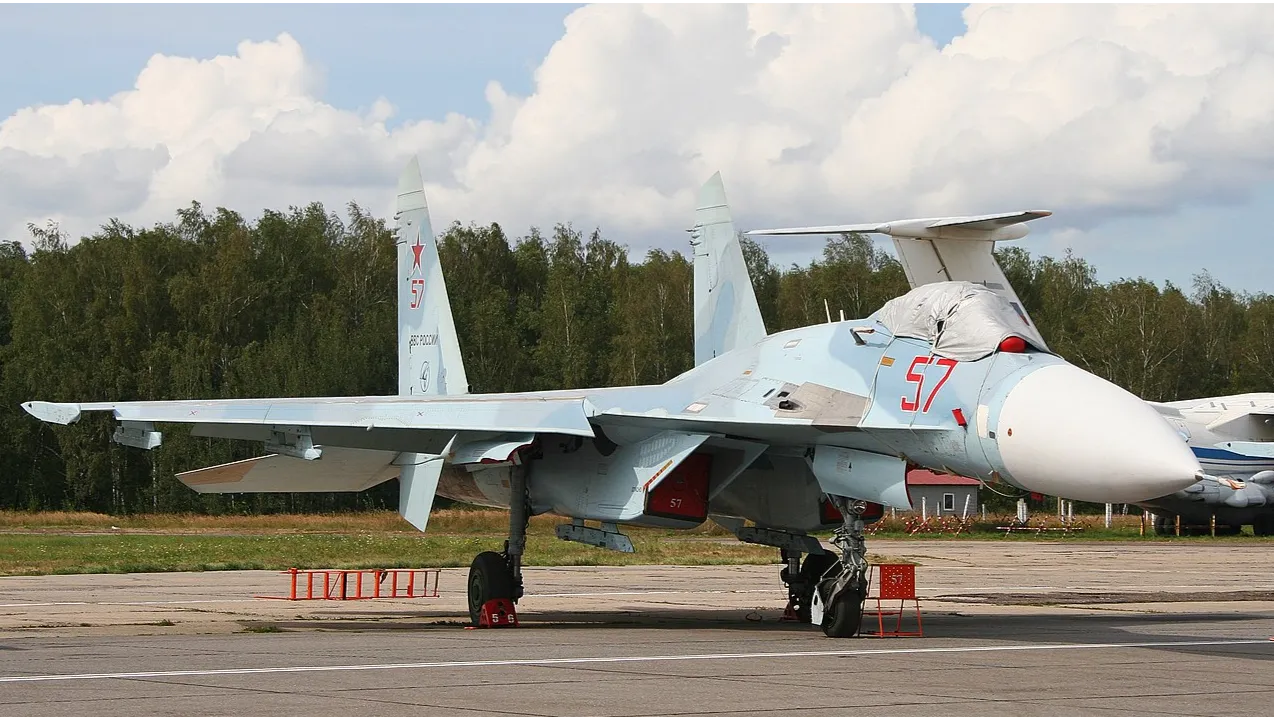
https://commons.wikimedia.org/wiki/File:Sukhoi_Su-27SM-3_Flanker_57_red_(8507408933).jpg
India Defense Exposure
Any CAATSA action against India would carry wide-ranging consequences beyond a single aircraft program.
India currently has multiple high-value defense procurements underway with the United States, including MQ-9B armed drones, Apache attack helicopters, Stryker infantry vehicles, and Javelin anti-tank missiles.
More critically, India’s Tejas fighter program relies on American GE engines, with 180 Tejas Mk1A aircraft scheduled for delivery to the Indian Air Force. Sanctions restricting technology transfers or export licenses could directly disrupt this production line and delay fleet modernization plans.
India’s defense planners are also mindful that CAATSA provisions allow Washington to suspend or deny export approvals to sanctioned entities.
Such measures would not only affect future acquisitions but could also strain existing supply chains supporting operational platforms.
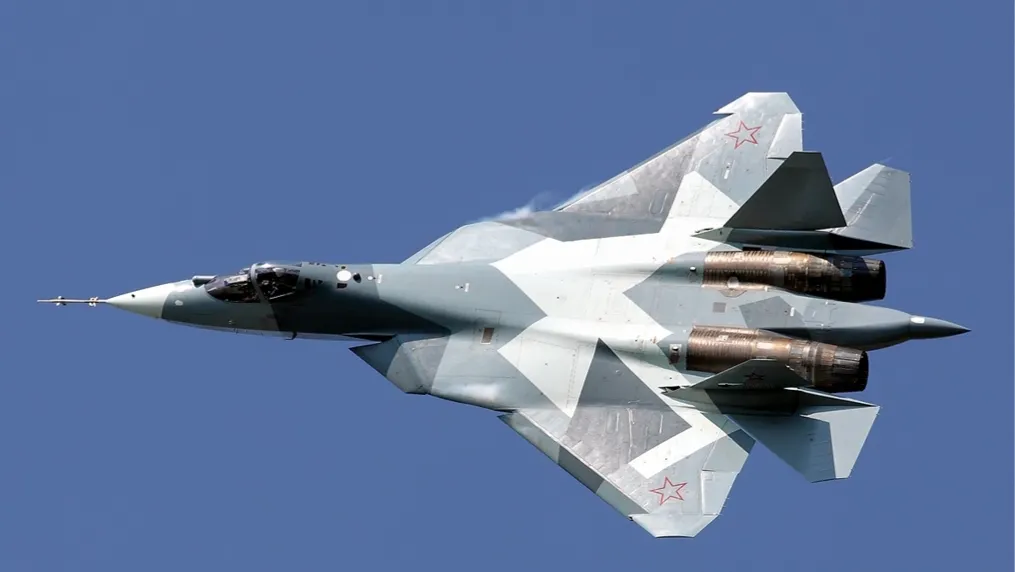
https://commons.wikimedia.org/wiki/File:Sukhoi_T-50_Maksimov.jpg
CAATSA Precedents
Past cases show that CAATSA enforcement is not always uniform. Turkey faced sanctions and removal from the F-35 program after acquiring the Russian S-400 air defense system, despite being a NATO ally.
India, however, avoided similar penalties after purchasing five S-400 regiments in 2018.
The US Congress later endorsed a waiver recommendation for India, and Washington has previously issued limited sanctions exemptions, including for India’s involvement in Iran’s Chabahar Port project.
These precedents suggest that India could again seek preferential treatment if Su-57 negotiations advance.
Bottom Line
The current US administration has shown a willingness to apply economic pressure even on strategic partners.
With several major defense deliveries pending and long-term industrial cooperation at stake, India is expected to weigh its options carefully before moving forward with any Russian stealth fighter deal.
Stay tuned with us. Further, follow us on social media for the latest updates.
Join us on Telegram Group for the Latest Aviation Updates. Subsequently, follow us on Google News
