

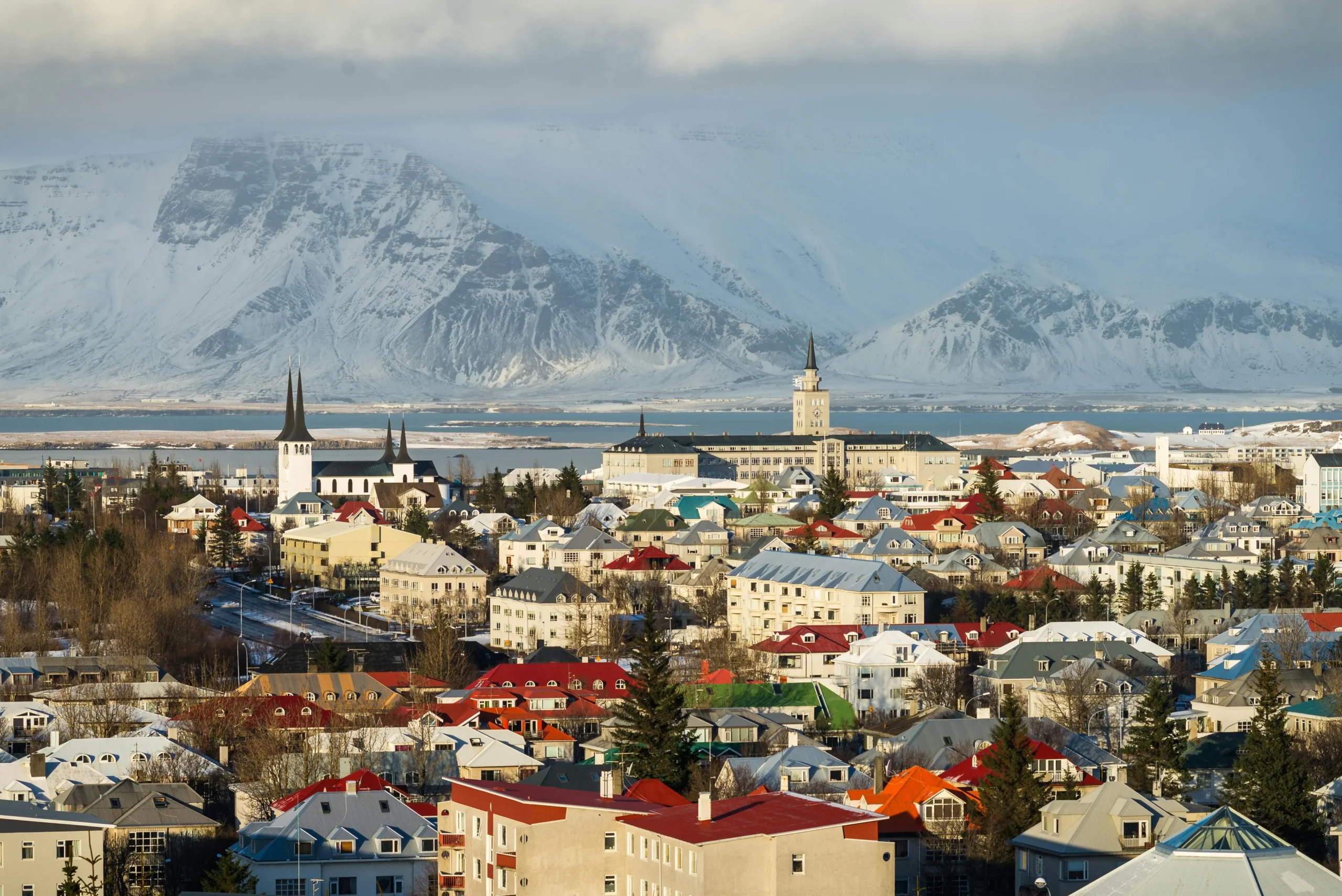
When travelers dream up their ideal vacation, safety is often assumed rather than examined. Yet in a world shaped by uncertainty, global headlines, and rapidly changing conditions, feeling genuinely secure can be just as important as scenery, cuisine, or culture.
A recent global study has brought that reality into sharp focus by naming Reykjavik, Iceland, the safest city in the world—a distinction that reinforces the capital’s long-standing reputation for calm, trust, and livability.
Reykjavik’s appeal, however, goes far beyond statistics. It is a city where safety and beauty coexist effortlessly, where walkable streets meet dramatic seascapes, and where world-class cultural institutions sit just minutes from volcanic landscapes and glaciers. For travelers seeking peace of mind without sacrificing inspiration, Reykjavik offers a rare balance.
Why Reykjavik is the Safest City?
The ranking comes from a comprehensive assessment conducted by Berkshire Hathaway Travel Protection, a leading travel insurance provider known for its annual safety index.
For this study, the company analyzed feedback from more than 1,500 American travelers who evaluated cities they had personally visited, as reported by Travel and Leisure.
Respondents scored destinations across multiple criteria, including crime rates, terrorism risk, emergency response capabilities, health standards, transportation safety, and overall inclusivity.
After combining traveler sentiment with global safety data, Reykjavik emerged at the top. It outperformed major international cities such as Seoul, Dubai, Honolulu, and Copenhagen, particularly in measures related to violent crime and personal security.
The result was not a surprise to many seasoned travelers, but it offered quantitative confirmation of what visitors often describe intuitively: Reykjavik feels safe.
Low Crime and High Social Trust
One of Reykjavik’s strongest advantages is its exceptionally low crime rate. Violent crime in Iceland is extremely rare, and serious offenses such as armed robbery or assault occur at a fraction of the rate seen in larger global cities.
This sense of safety is not limited to tourist zones but extends across residential neighborhoods and public spaces.
The city’s relatively small population—around 135,000 residents—plays a significant role. Community connection is strong, and social trust is deeply ingrained in Icelandic culture.
It is not uncommon to see children playing outside unattended or locals leaving bicycles unlocked, small but telling indicators of collective confidence in public safety.
Iceland’s robust social welfare system and emphasis on equality further contribute to stability. Access to healthcare, education, and social services reduces many of the underlying pressures that can lead to crime in other urban centers.

A Walkable, Visitor-Friendly Capital
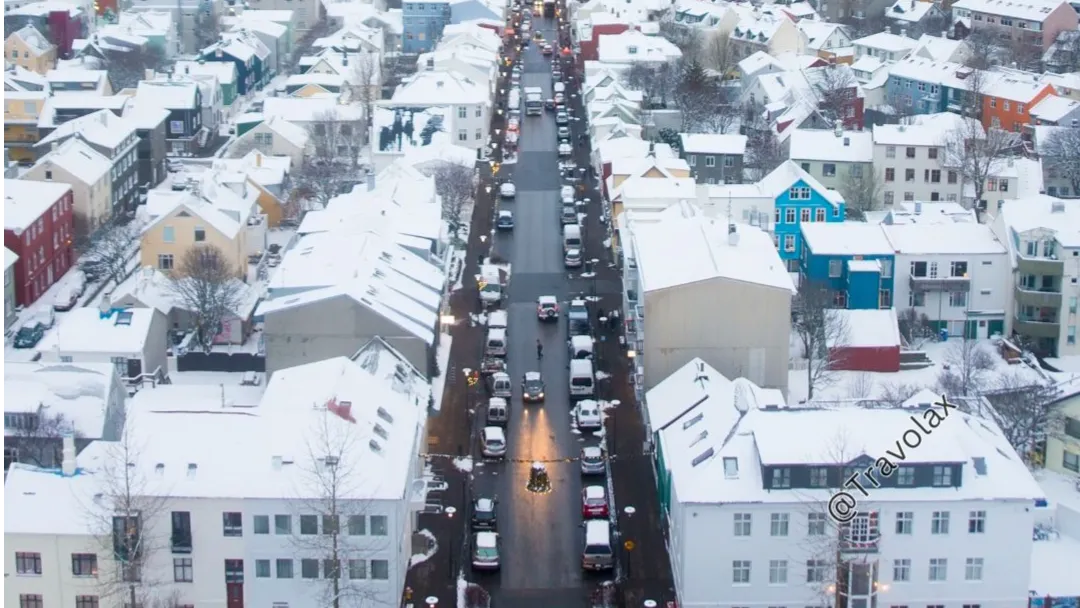
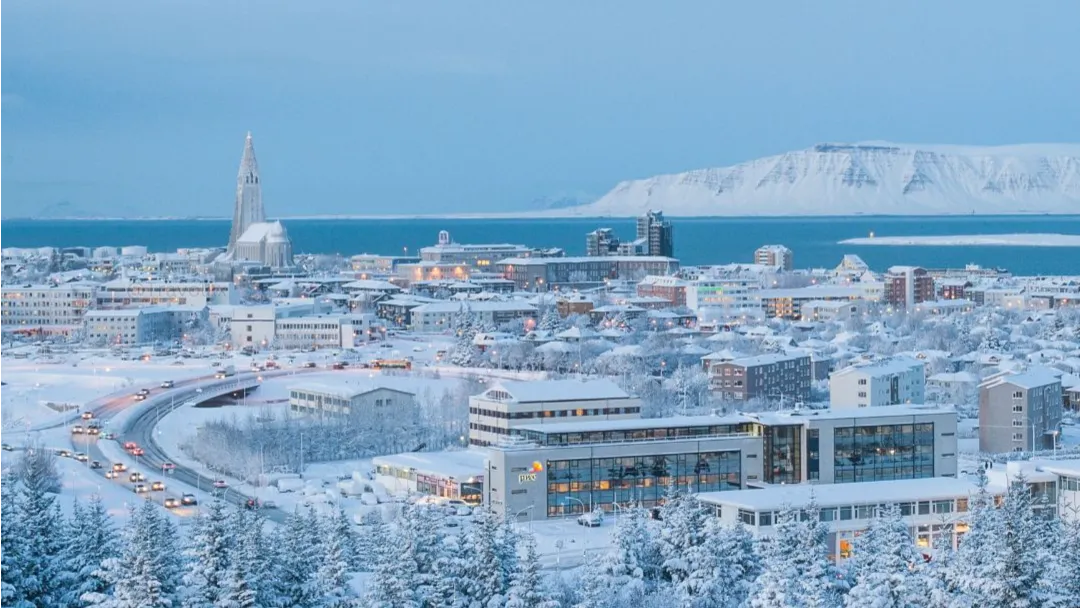
Reykjavik’s compact layout enhances both safety and accessibility. The city center is highly walkable, allowing visitors to explore on foot without relying heavily on taxis or public transport. Streets are well-lit, signage is clear, and English is widely spoken, making navigation straightforward even for first-time visitors.
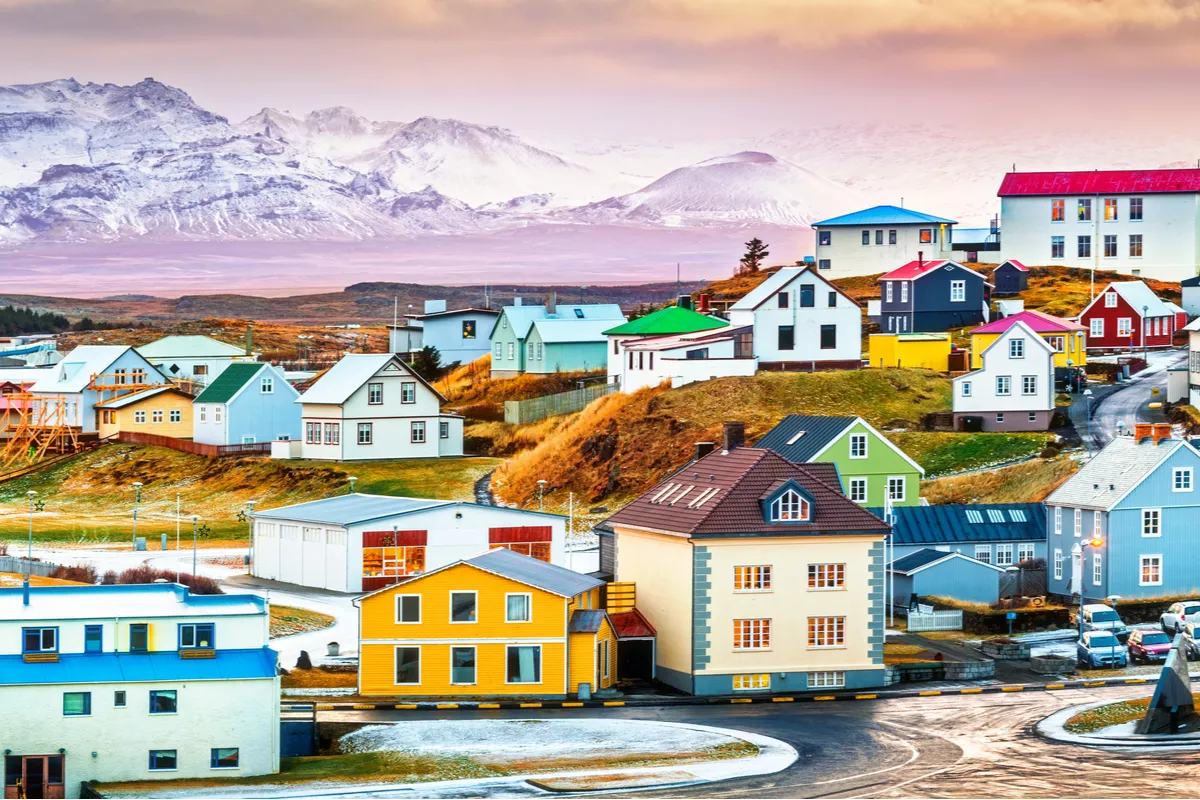
Colorful buildings line central streets such as Laugavegur and Skólavörðustígur, where cafes, bookstores, and boutique shops create a lively but relaxed atmosphere.
The absence of overwhelming crowds contributes to a sense of ease, even during peak travel seasons.
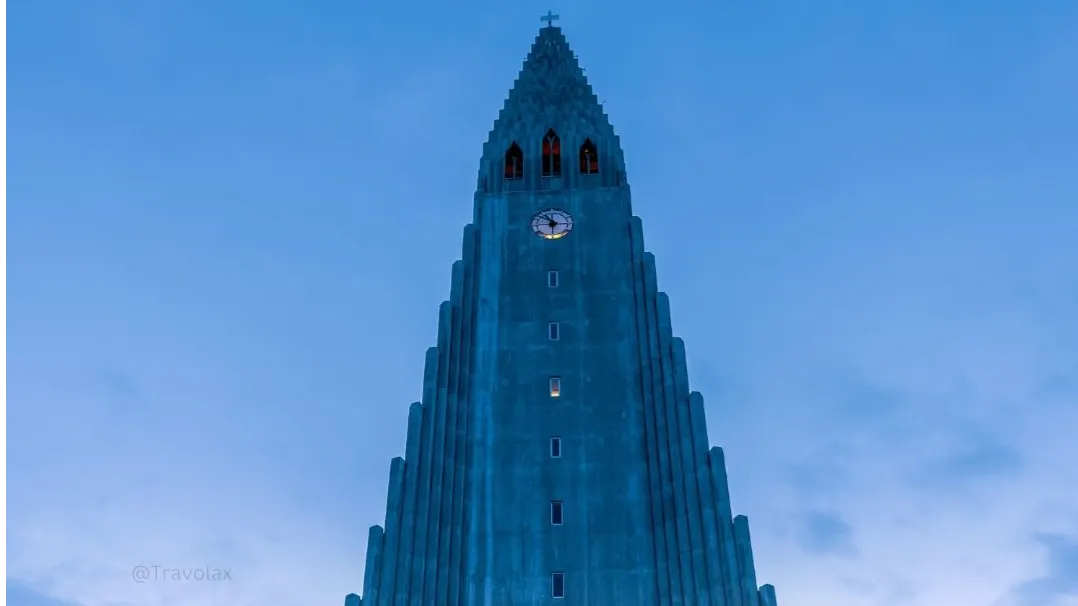
At the heart of the city stands Hallgrímskirkja, Reykjavik’s most iconic landmark. Inspired by Iceland’s basalt lava flows, the church’s striking design reflects the natural forces that shape the island.
Visitors can take an elevator to the top for panoramic views that stretch across the city and out to the surrounding mountains and ocean.
Travolax | Travel for Less – X
Culture, Architecture, and the Arts
Despite its modest size, Reykjavik offers a rich cultural scene. The Harpa Concert Hall and Conference Centre, located along the waterfront, is a centerpiece of modern Icelandic architecture.
Its glass facade mirrors the changing light of the sky and sea, while its interior hosts concerts, festivals, and international events year-round.
Museums add further depth to the city’s cultural identity. The National Museum of Iceland traces the country’s history from Viking settlement to modern independence, while the Reykjavík Art Museum showcases contemporary and modern works across multiple locations.
Together, they provide meaningful context for understanding Iceland’s past and present.
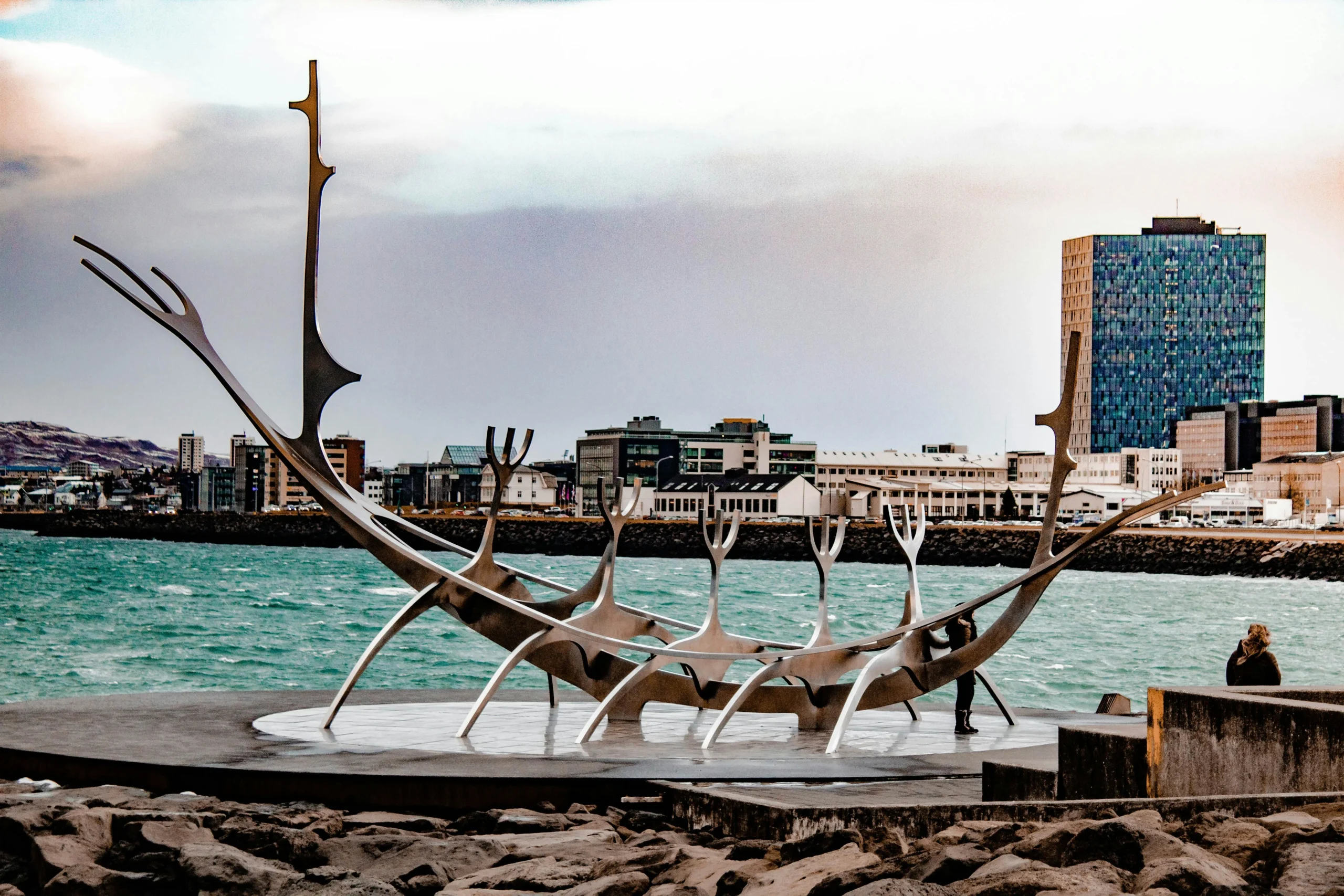
Public art installations, including the Sun Voyager sculpture along the shoreline, invite quiet reflection and reinforce the city’s connection to exploration, nature, and storytelling.
Easy Access to Iceland’s Natural Wonders
One of Reykjavik’s greatest strengths is its proximity to some of the most dramatic landscapes in the world. Just outside the city lies the famous Golden Circle route, a loop that includes Þingvellir National Park, the erupting geysers of the Geysir area, and the powerful Gullfoss waterfall.
These sites can be visited comfortably in a single day.
The Blue Lagoon and Sky Lagoon, both within easy reach of the capital, offer geothermal bathing experiences that blend relaxation with otherworldly scenery. Their mineral-rich waters and minimalist Nordic design have become symbols of Icelandic wellness culture.
For travelers drawn to adventure, glaciers such as Langjökull and Vatnajökull provide opportunities for ice cave exploration and guided hikes.
In winter, the skies around Reykjavik often glow with the Northern Lights, while summer brings long daylight hours and easy access to coastal drives.
Travolax | Travel for Less – X
A Safe Base for Exploring Iceland
Reykjavik also serves as a practical and secure base for longer journeys across Iceland.
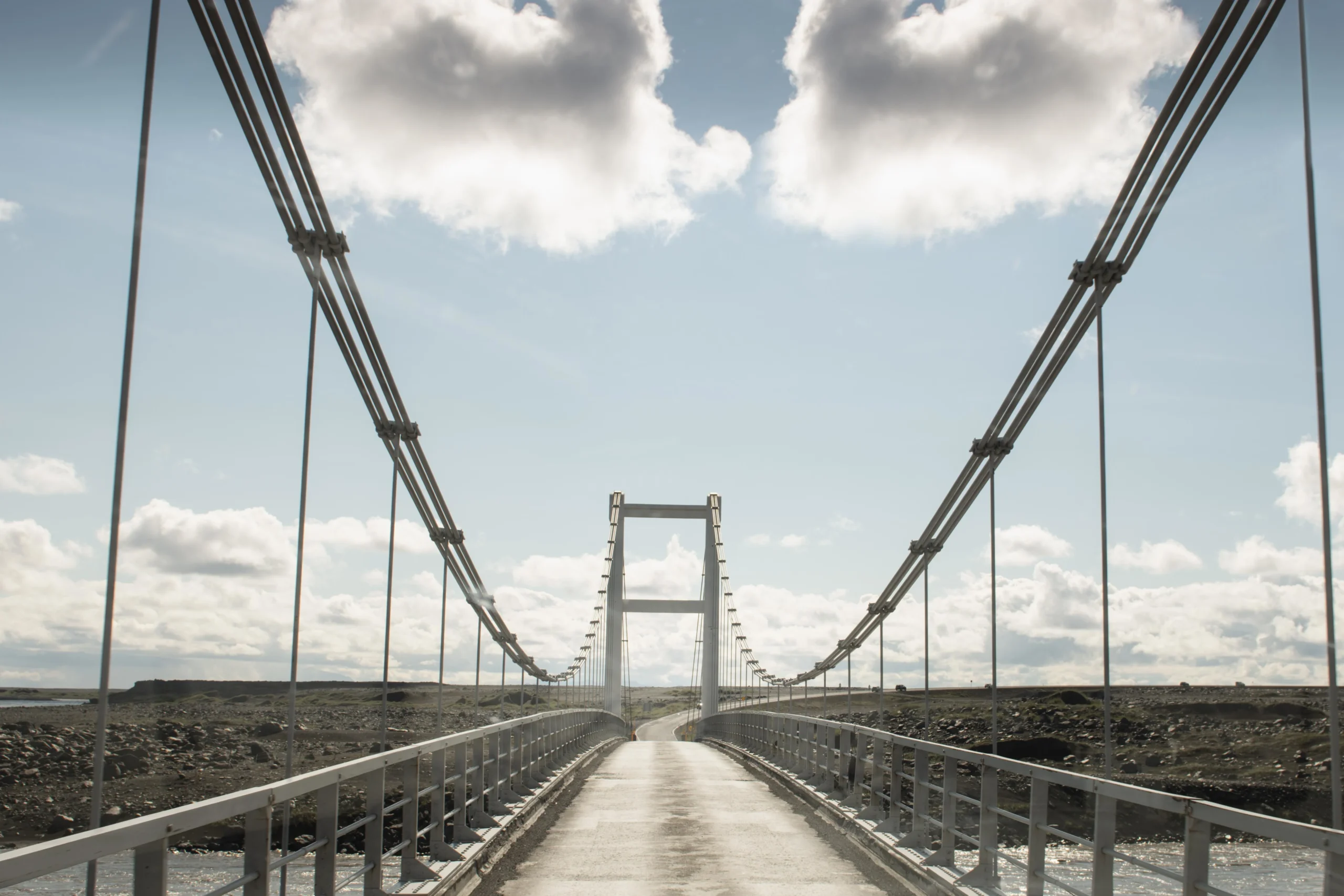
The famous Ring Road, which circles the island, can be driven in about 10 days, starting and ending in the capital. Roads are well-maintained, emergency services are reliable, and tourism infrastructure is designed with safety in mind.
Whether travelers choose short day trips or extended road adventures, Reykjavik provides reassurance at every stage. Its airport connections, medical facilities, and hospitality standards meet or exceed expectations for international visitors.
Travolax | Travel for Less – X
Where Safety Enhances Beauty
What sets Reykjavik apart is not only that it is safe, but that safety enhances the overall travel experience. Visitors feel comfortable walking late into the evening, engaging with locals, and exploring without constant vigilance.
That freedom allows the city’s beauty—both natural and cultural—to take center stage.
In a time when many travelers weigh destinations carefully against risk, Reykjavik stands out as a place where security feels natural rather than enforced. It is a city that invites exploration with open arms, proving that the world’s safest city can also be one of its most breathtaking.
For travelers seeking tranquility, inspiration, and peace of mind, Reykjavik is more than a top-ranked destination. It is a reminder that safety, when paired with beauty, can transform a trip into something truly memorable.
Stay tuned with us. Further, follow us on social media for the latest updates.
Join us on Telegram Group for the Latest Aviation Updates. Subsequently, follow us on Google News
