

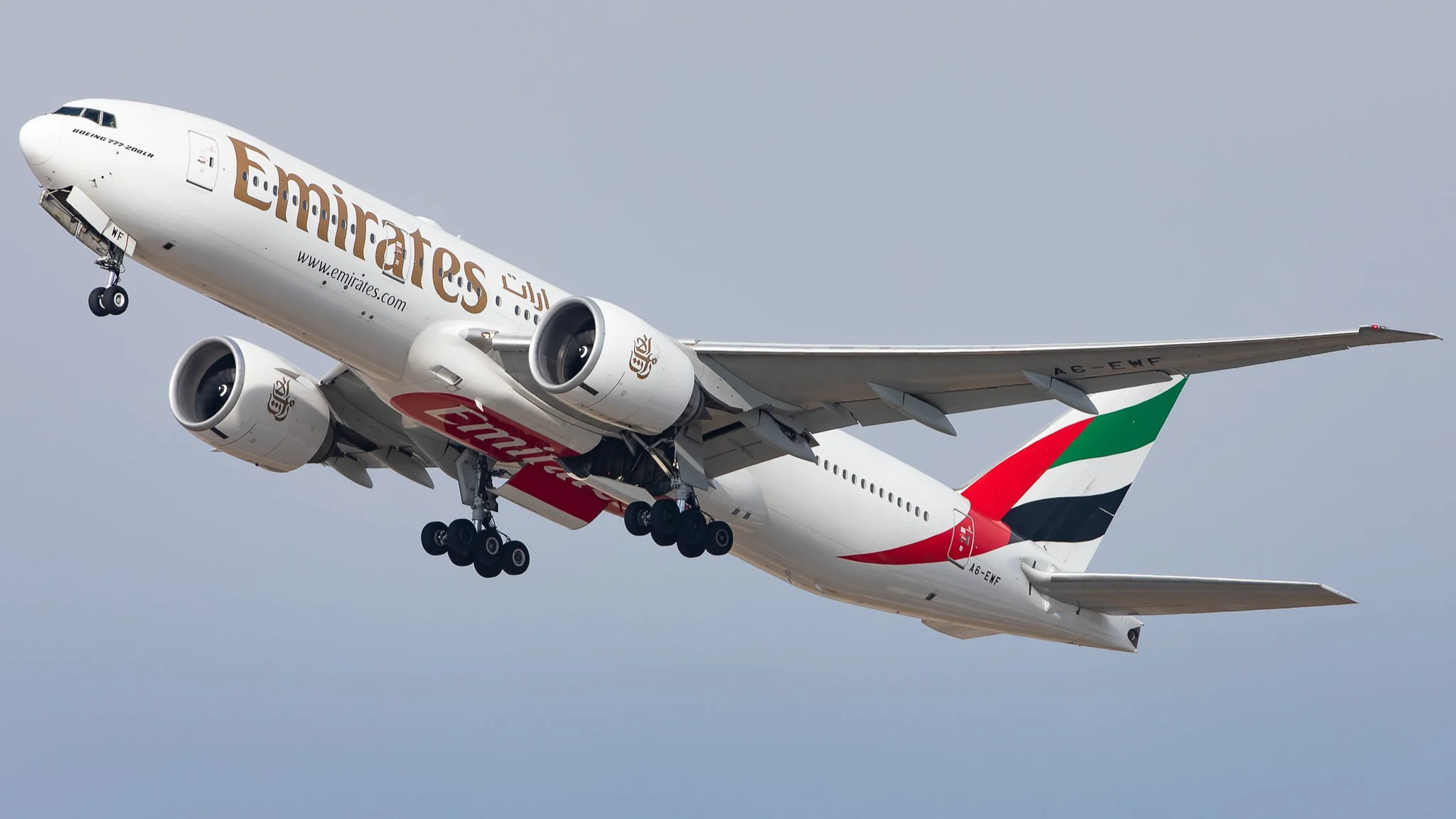
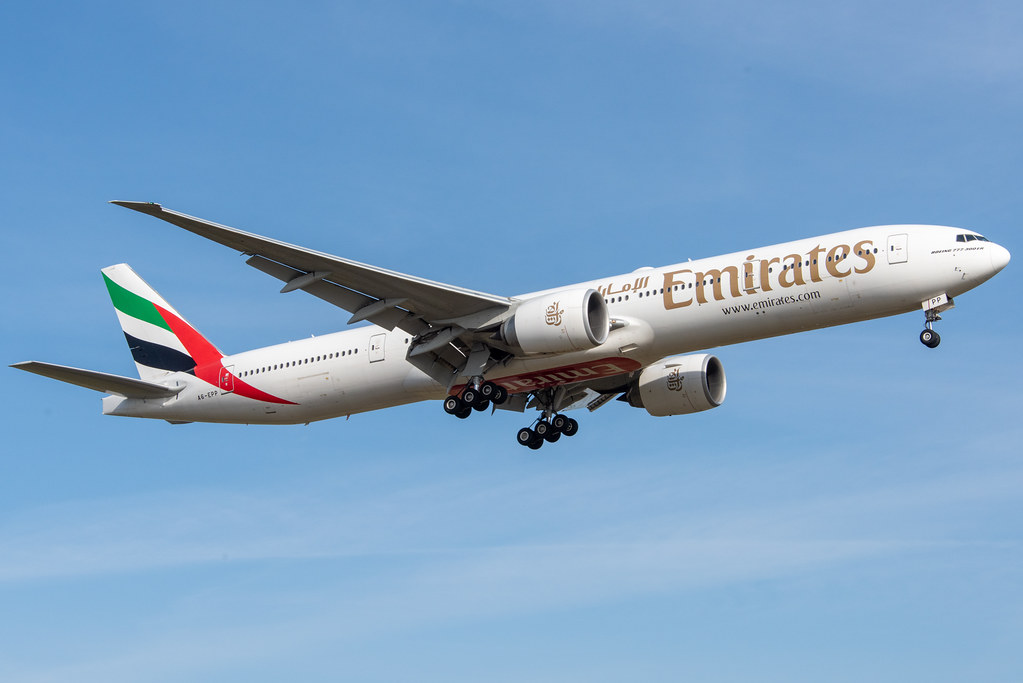
DUBAI- Emirates Airline (EK) will launch a second daily service between Dubai and Tokyo Narita Airport (NRT) starting 1 May, strengthening travel options between the UAE and Japan.
The added frequency improves connections for travelers via Dubai International Airport (DXB) while boosting accessibility to Tokyo, Japan’s key gateway through Narita (NRT).
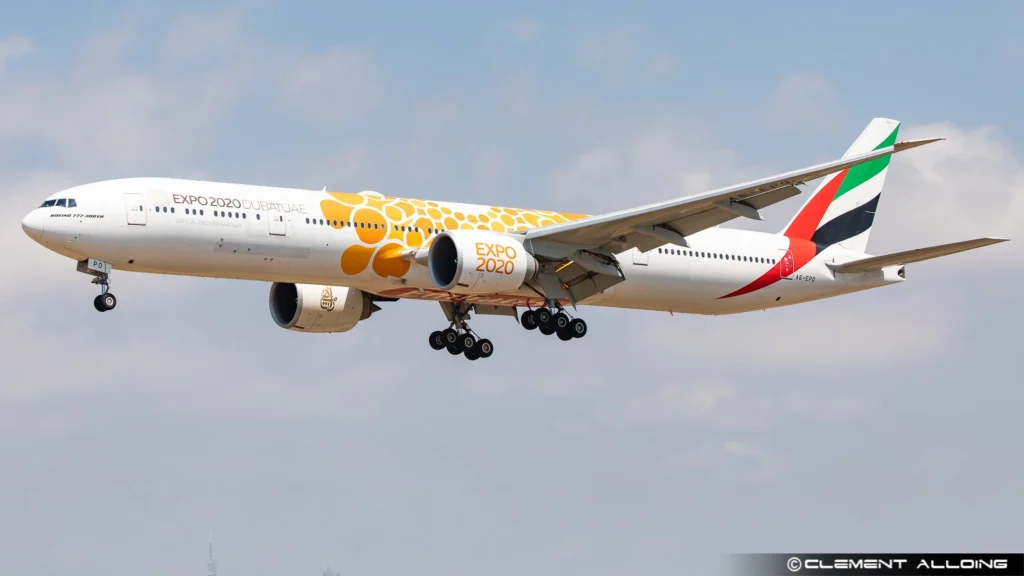
Emirates Second Flight to Tokyo
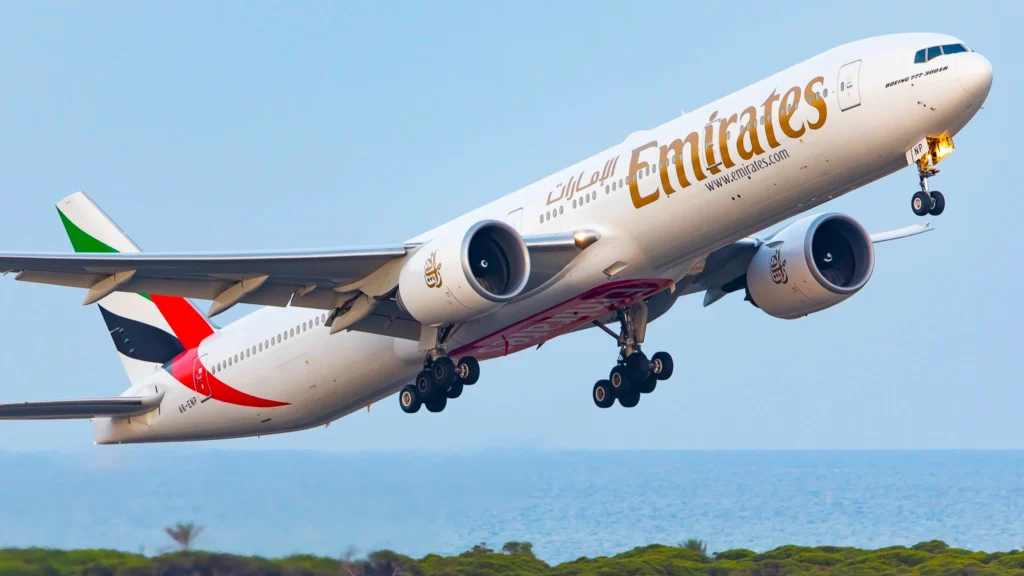
Emirates will operate the additional service using its refurbished Boeing 777-300ER aircraft, offering passengers greater flexibility for both business and leisure travel.
Flight EK320 departs Dubai at 22:30 and lands in Tokyo Narita at 13:30 the following day. The return flight EK321 leaves Narita at 21:30 and arrives in Dubai at 03:50 the next morning. All times are local.
The new frequency improves travel choices for passengers connecting across Europe, the Middle East, Africa, and South America through Dubai. Eastbound travelers benefit from afternoon arrivals in Japan, allowing easier domestic connections.
Westbound passengers gain a convenient early-morning arrival in Dubai, enabling smoother onward connections to cities in Spain, Portugal, France, Italy, South Africa, Egypt, Morocco, Tunisia, and Brazil.
The deployment of the upgraded Boeing 777 ensures a consistent onboard experience for customers traveling to Japan.
Upgraded Aircraft and Cabin Experience
The retrofitted Boeing 777-300ER features Emirates’ latest four-class configuration:
- 8 First Class Suites
- 40 Business Class seats in a 1-2-1 layout
- 24 Premium Economy seats
- 260 next-generation Economy seats
Cabins include modern design elements, new color palettes, wood finishes, and Emirates’ signature Ghaf Tree motifs.
Passengers across all cabins enjoy regionally inspired meals, including Japanese options such as Kaiseki-style dining. Emirates’ inflight entertainment system, ice, provides over 6,500 channels of movies, series, music, podcasts, and documentaries, including extensive Japanese-language content.
Tickets are available through emirates.com, the Emirates mobile app, travel agencies, and Emirates ticket offices.
Emirates Network and Capacity in Japan
Emirates has operated in Japan since 2002 and currently runs services to three major gateways: Tokyo Narita, Tokyo Haneda, and Osaka. Premium Economy is available on flights operated by a mix of Boeing 777 and Airbus A380 aircraft.
From 1 May, Emirates will operate 28 weekly flights to Japan, offering more than 22,500 weekly seats. The airline will also provide up to 1,240 tonnes of weekly cargo capacity, supporting Japanese exports to markets across the GCC, Europe, and Africa.
Premium Services and Domestic Connectivity
Emirates recently introduced its Chauffeur-drive service for premium passengers in Narita, enhancing the ground experience. The same service will extend to Osaka starting 1 March.
Domestic travel options across Japan are supported through partnerships with Japan Airlines (JAL) and All Nippon Airways (ANA), enabling connections to 36 destinations, including 26 domestic and 10 regional routes. The new Narita frequency increases flexibility for travelers connecting to these cities.
Japan Travel Guide
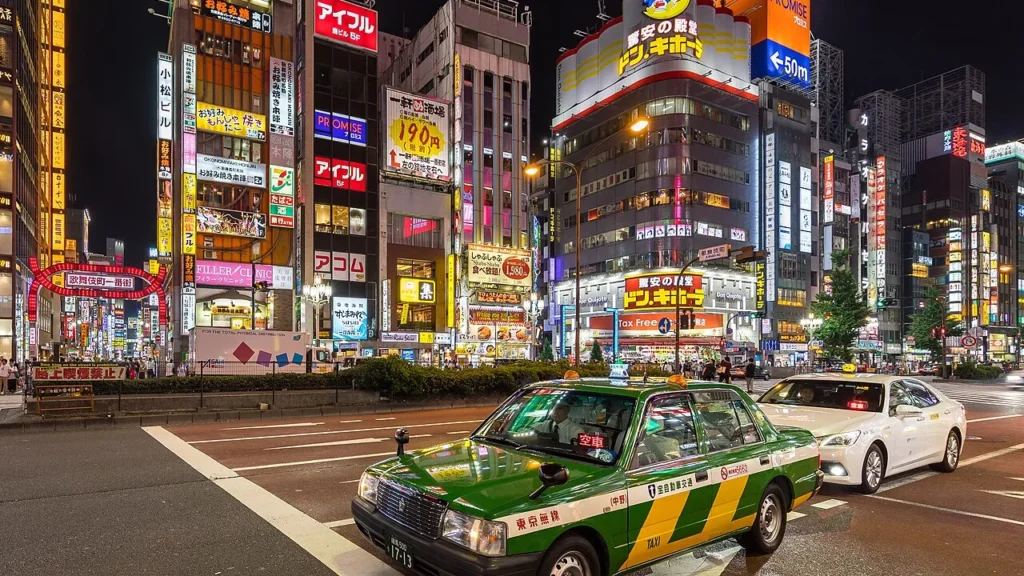
Japan blends ultramodern cities with centuries-old traditions, offering travelers culture, food, and natural beauty in one destination.
Visitors experience efficient transport, historic temples, vibrant food districts, and safe, welcoming communities across the country.
Exploring Japan’s Must-Visit Regions
Japan offers diverse travel experiences, from busy urban centers to quiet countryside retreats.
Tokyo
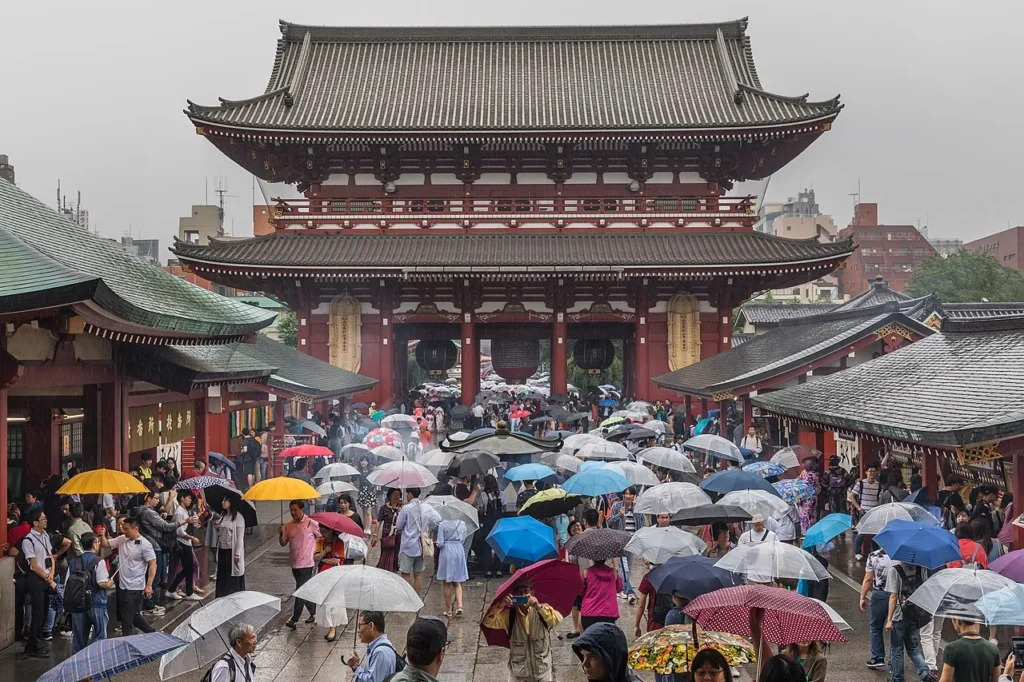
Tokyo combines modern technology with historic districts. Travelers visit Shibuya Crossing, Tokyo Tower, and Asakusa’s Senso-ji Temple while enjoying shopping, dining, and nightlife across districts like Shinjuku and Harajuku.
Kyoto
Kyoto preserves Japan’s cultural heart with temples, shrines, tea houses, and historic streets. Highlights include Kinkaku-ji, Fushimi Inari Shrine, and the traditional Gion district. Spring cherry blossoms and autumn foliage attract visitors worldwide.
Osaka
Osaka is known as Japan’s food capital. Visitors enjoy street foods like takoyaki and okonomiyaki while exploring Osaka Castle and entertainment areas such as Dotonbori and Universal Studios Japan.
Hiroshima and Miyajima
Hiroshima promotes peace through the Peace Memorial Park and Museum. Nearby Miyajima Island draws visitors with its iconic floating torii gate and scenic coastal views.
Mount Fuji and Hakone
Mount Fuji remains Japan’s most recognizable natural landmark. The Hakone region offers hot springs, hiking trails, Lake Ashi cruises, and museums with mountain views.
Okinawa
Okinawa differs culturally from mainland Japan, offering tropical beaches, coral reefs, and Ryukyu heritage sites. It attracts visitors seeking relaxed island experiences and marine activities.
Essential Facts Travelers Should Know
- Population: About 125 million
- Capital: Tokyo
- Language: Japanese
- Currency: Japanese Yen (JPY)
- Time Zone: UTC +9
- Country Code: +81
- Driving Side: Left
- Electricity: 100V, Type A and B plugs
- Literacy Rate: Nearly 100 percent
- Life Expectancy: Around 84 years
- Public Transport: Highly efficient nationwide rail network
- UNESCO Sites: 25 cultural and natural heritage sites
- Safety Level: Considered very safe for travelers
Culture, Etiquette, and Daily Life
Hospitality and Behavior
Respect and courtesy guide public behavior. Quiet conduct in trains and public places is common, and hospitality, known as omotenashi, ensures visitors feel welcomed.
Tipping Culture
Tipping is uncommon in Japan and may confuse. Service quality is included in hospitality standards.
Dining Etiquette
Meals often begin with itadakimasu as a sign of gratitude. Punctuality and polite conduct are valued when dining with others.
Traditional Clothing
Kimono and hakama remain important during ceremonies and festivals, reflecting Japan’s heritage.
Transportation and Connectivity
Japan’s transportation network connects cities through punctual trains, buses, and subways. The Shinkansen bullet train reaches speeds up to 320 km/h, making intercity travel fast and reliable.
Urban transit systems are easy to navigate, and ride-hailing services operate in major cities for convenience.
Japanese Cuisine Highlights
Japanese cuisine focuses on seasonal ingredients and presentation.
Popular dishes include sushi, ramen, tempura, and regional specialties like Hiroshima-style okonomiyaki and Hokkaido seafood. Kaiseki dining offers multi-course seasonal meals, while matcha tea remains central to cultural rituals.
Best Time to Visit Japan
Spring, from March to May, offers mild weather and cherry blossom viewing nationwide. This season attracts large crowds.
Autumn, from September to November, brings cool temperatures and vibrant foliage. Travel becomes more comfortable with fewer visitors, though early autumn may experience typhoons.
Travel Safety and Emergency Information
Emergency Numbers:
- Police: 110
- Fire and Ambulance: 119
U.S. Embassy Tokyo:
1-10-5 Akasaka, Minato-ku, Tokyo
Phone: +81-3-3224-5000
Japan maintains low crime rates and strong public safety systems, making it suitable for solo and family travelers.
Stay tuned with us. Further, follow us on social media for the latest updates.
Join us on Telegram Group for the Latest Aviation Updates. Subsequently, follow us on Google News
