

SINGAPORE– Singapore has taken a global lead in sustainable aviation after the Civil Aviation Authority of Singapore announced a landmark partnership to create the world’s first airport testbed dedicated to next-generation aircraft propulsion technologies.
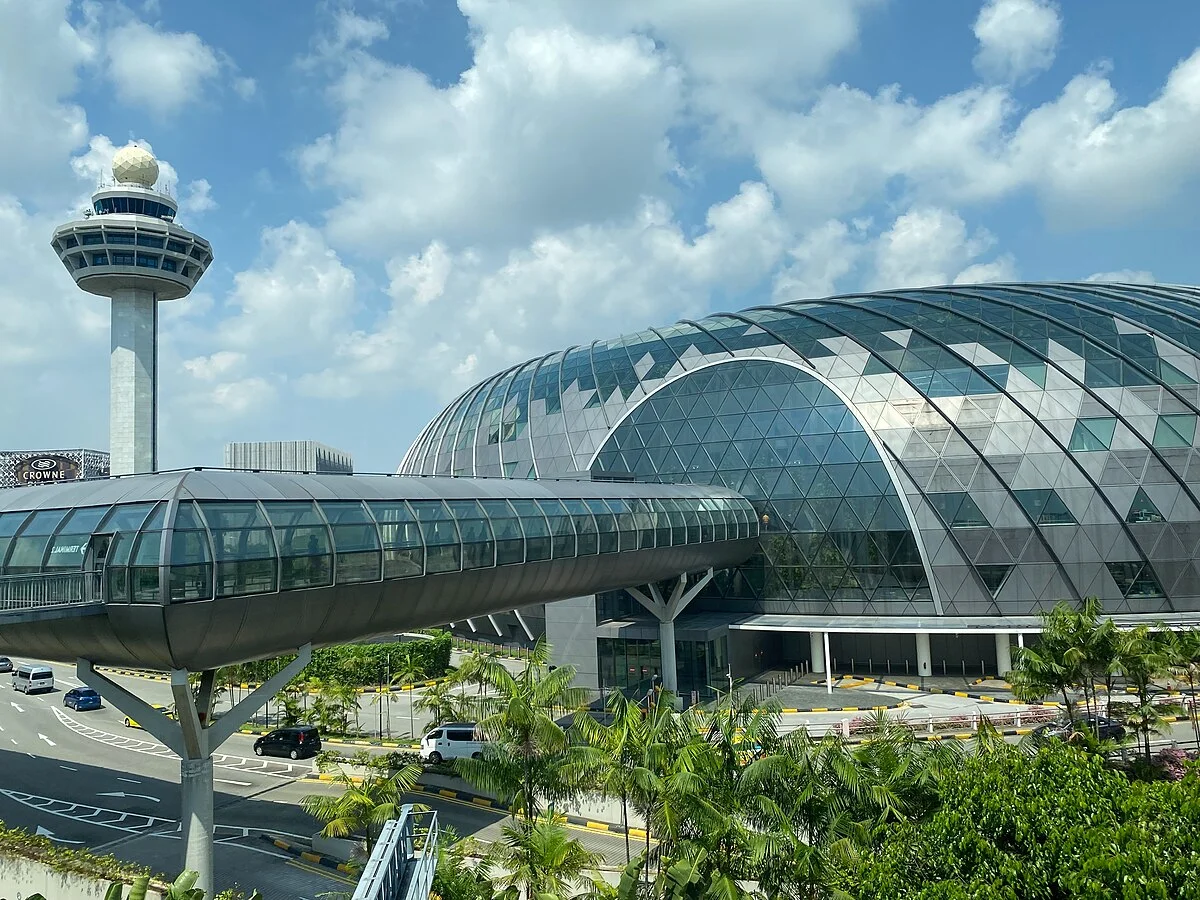
The Memorandum of Understanding was signed on February 2, 2026, at the third Changi Aviation Summit, positioning Singapore as a global reference point for future aircraft operations. Testing activities are planned at Changi Airport (SIN) and Seletar Airport (XSP).

Singapore to Host Open Fan Engine Focus
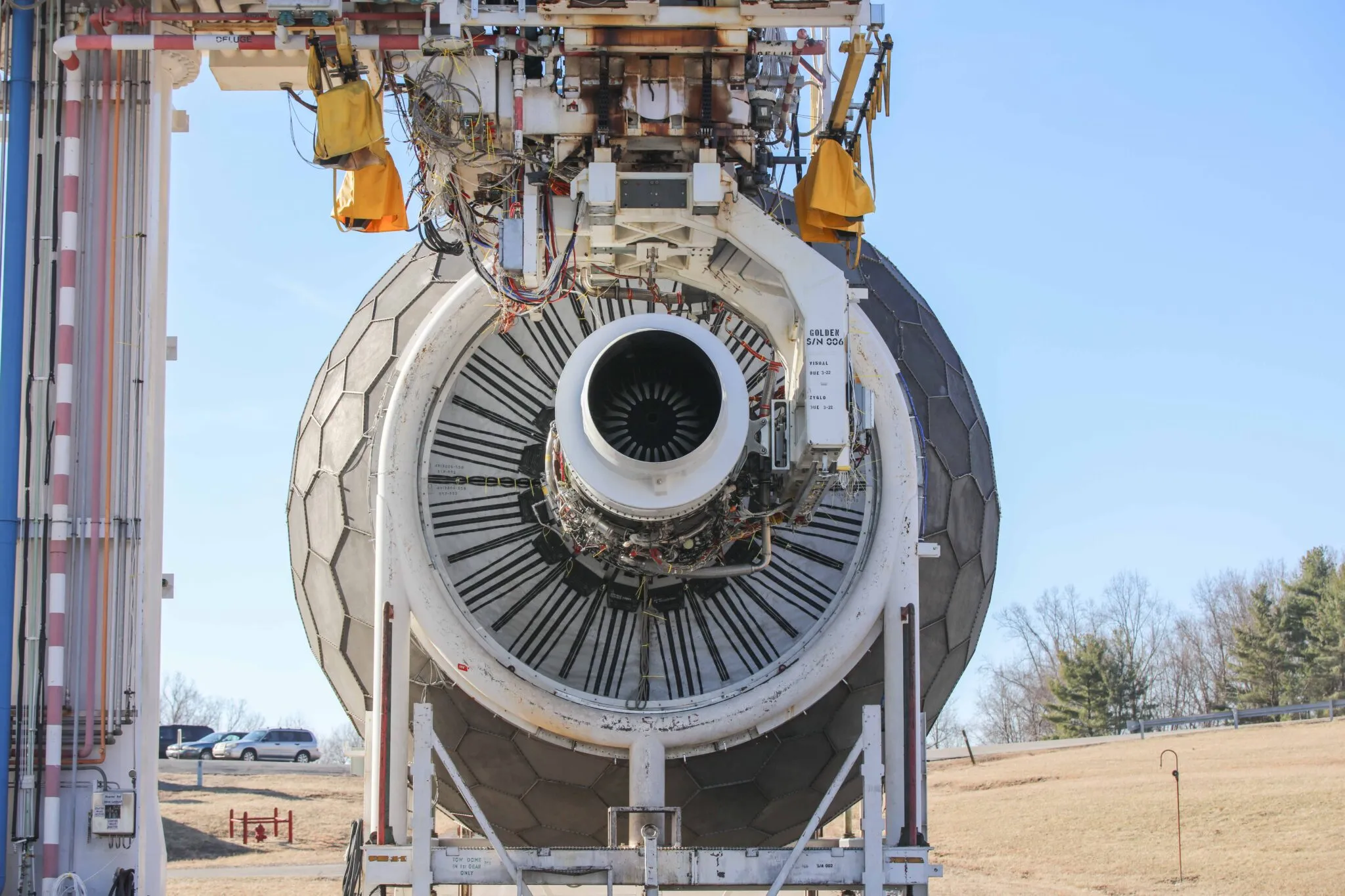
The collaboration centers on CFM International’s RISE technology demonstration program, which aims to transform commercial aircraft propulsion for the next generation of narrowbody aircraft.
A key element of the program is the Open Fan engine architecture, which removes the traditional engine casing to allow a larger fan diameter with reduced aerodynamic drag.
CFM designed the RISE program to deliver more than 20 percent improvement in fuel efficiency compared with today’s in-service commercial engines.
Beyond efficiency gains, the Open Fan architecture targets lower carbon emissions, reduced noise footprints, and compatibility with future hybrid-electric systems, making it a foundational technology for long-term sustainable air transport.
By establishing Singapore as the primary testing ground, the partners intend to move Open Fan technology beyond laboratory and flight-test environments.
The focus will shift to understanding how such engines affect daily airport operations, from aircraft movement areas to maintenance workflows and turnaround processes.
Airport Readiness Framework
Under the MOU, the three parties will jointly develop a comprehensive airport readiness framework to support the integration of Open Fan engines into existing aviation ecosystems.
This framework will address aircraft design considerations, potential infrastructure modifications, operational procedure updates, safety standards, and regulatory approval processes.
Singapore’s aviation ecosystem will play a central role in this effort by providing technical expertise across airport planning, safety oversight, and regulatory development.
The goal is to produce a globally applicable blueprint that airports, airlines, and manufacturers can use when preparing for next-generation propulsion technologies.
The partners also plan to conduct operational trials using RISE Open Fan engine demonstrators at Changi or Seletar.
These trials will validate the readiness framework and assess the operational feasibility of deploying such engines in active airport environments, rather than controlled test settings.
Industry Leadership Statements
CAAS Director-General Han Kok Juan noted that the testbed will allow companies to develop real-world protocols that can support large-scale global deployment of new propulsion technologies.
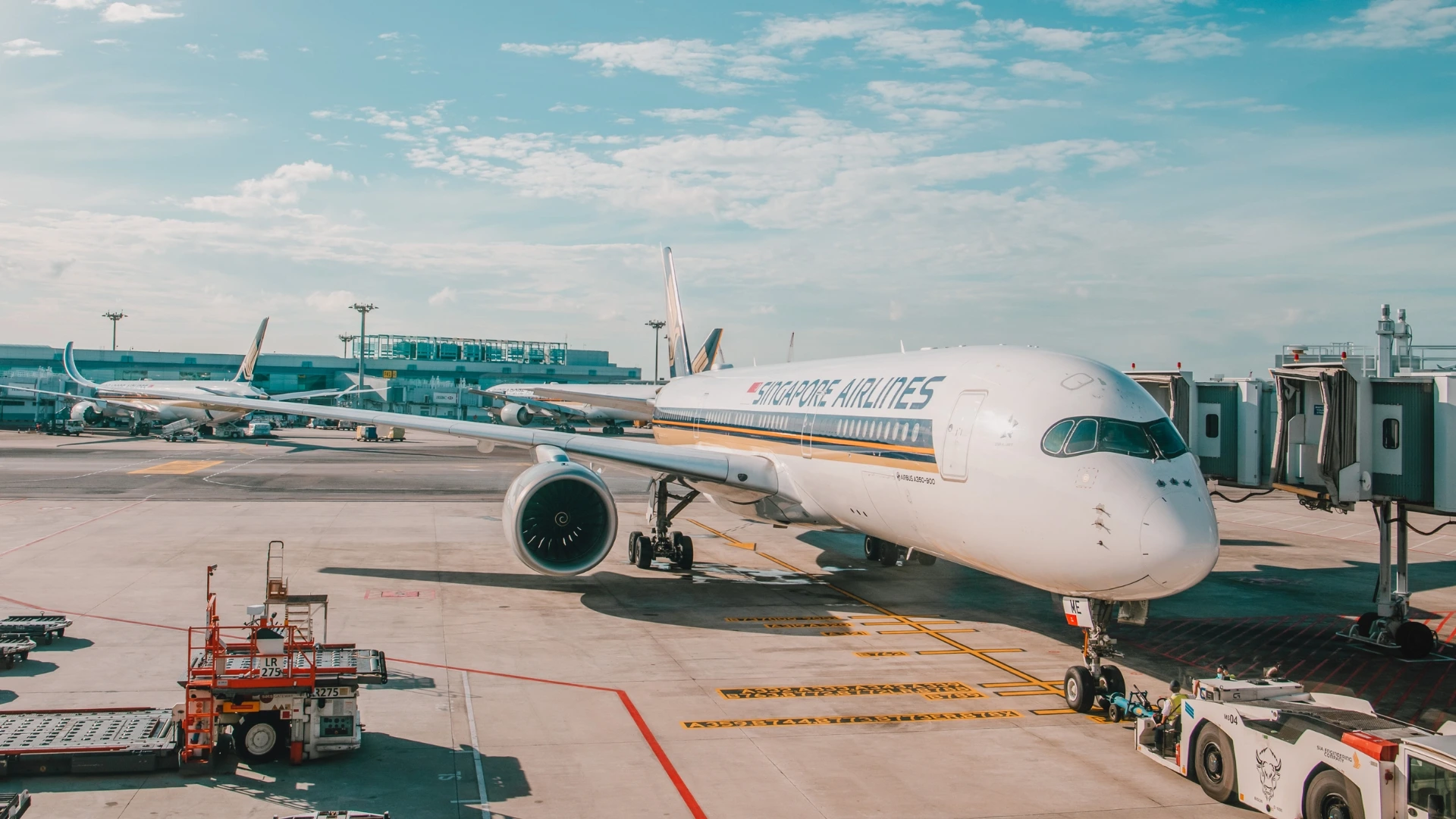
Airbus Executive Vice-President Engineering for the Commercial Aircraft business, Remi Maillard, said the partnership will help mature future propulsion systems by testing them against operational requirements.
He added that Singapore’s advanced aerospace ecosystem makes it an ideal environment to support Airbus’s long-term commitment to sustainable aviation.
The initiative places Singapore at the center of global efforts to prepare airports for the next era of aircraft propulsion, with implications that extend well beyond its own borders.

Bottom line
Singapore’s move to establish the world’s first airport testbed for next-generation propulsion technologies places the country at the forefront of global aviation innovation.
The partnership between CAAS, CFM International, and Airbus is expected to create a globally transferable blueprint that will help airports and airlines prepare for aircraft capable of delivering more than 20% fuel efficiency improvements.
As the industry pushes toward lower emissions and more sustainable operations, Singapore’s testbed positions it as a critical reference hub for the next era of commercial aviation propulsion.
Stay tuned with us. Further, follow us on social media for the latest updates.
Join us on Telegram Group for the Latest Aviation Updates. Subsequently, follow us on Google News
