

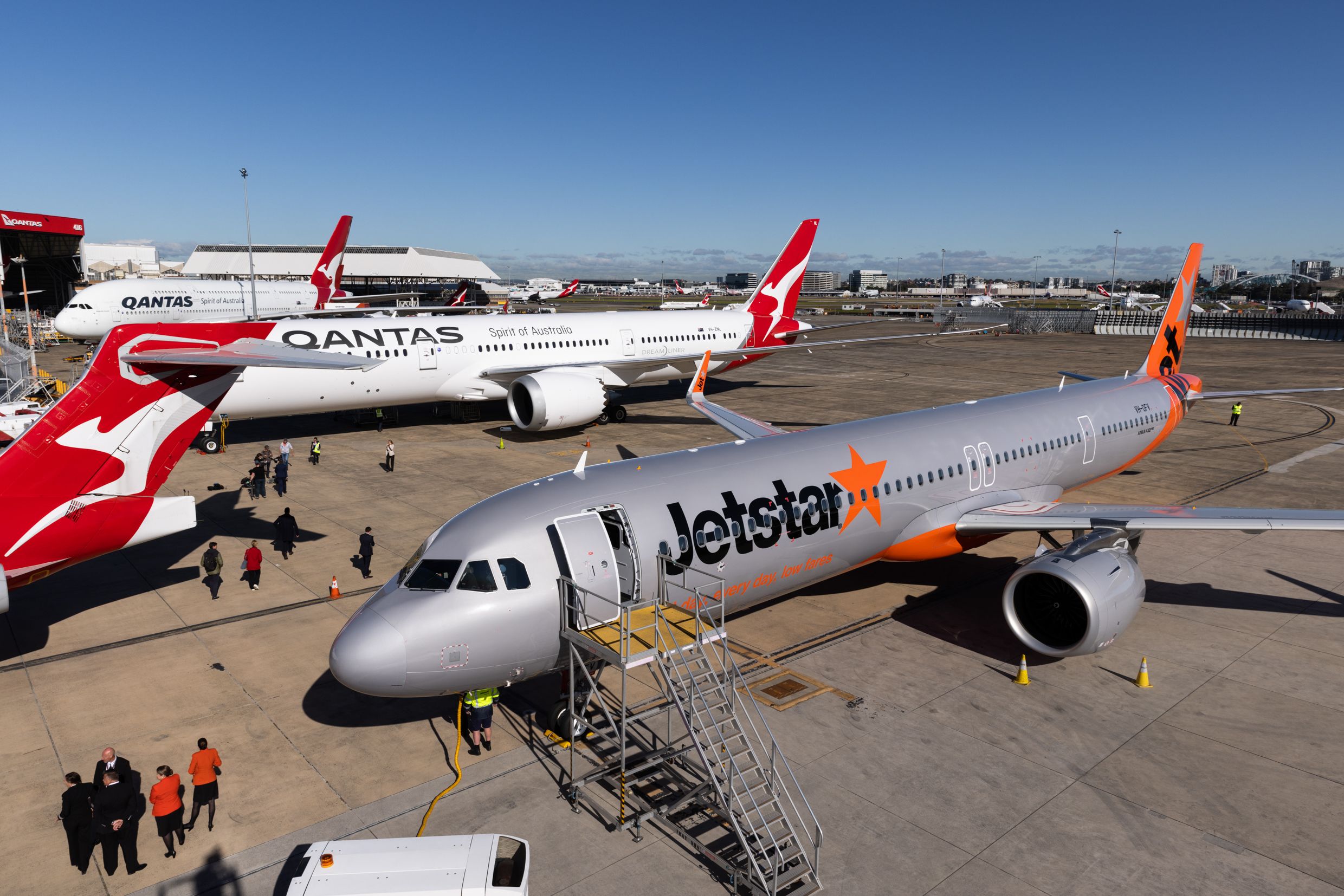
CANBERRA- Qantas Airways (QF) has announced a strategic decision to divest its 33.32 per cent stake in Jetstar Japan (GK), marking a major shift in focus towards strengthening its core domestic operations, the airline said on February 3, 2026.
Qantas’ plan comes as part of its broader effort to prioritize growth across its home market, where it operates alongside Jetstar Airways (JQ), even while the Group executes its largest fleet renewal programme to date. The airline’s decision underscores ongoing financial and operational pressures in international low‑cost carrier sectors.

Qantas Divestment Strategy
Under the terms of the proposed transaction, Qantas intends to sell its entire shareholding in Jetstar Japan to the airline’s existing partners and new investors.
Japan Airlines (JL) will remain the largest stakeholder with around 50 per cent ownership, while Tokyo Century Corporation will hold about 16.7 per cent. The Development Bank of Japan is also expected to join the shareholder group as part of the strategic transition.
According to Channel News Asia, the final agreement and shareholder restructure are expected to be concluded by July 2026, subject to regulatory approvals.
Following the sale, Jetstar Japan aims to undergo a comprehensive rebranding process, including the removal of the Jetstar name and the launch of a new brand identity by mid‑2027.
Qantas said the divestment will give the airline greater flexibility to allocate capital and management focus towards its domestic operations, which are key to sustaining long‑term profitability and service reliability.
The airline has cited softer corporate travel demand and rising fuel costs in international markets as key factors in its decision to tighten strategic priorities.
Impact on Jetstar Japan
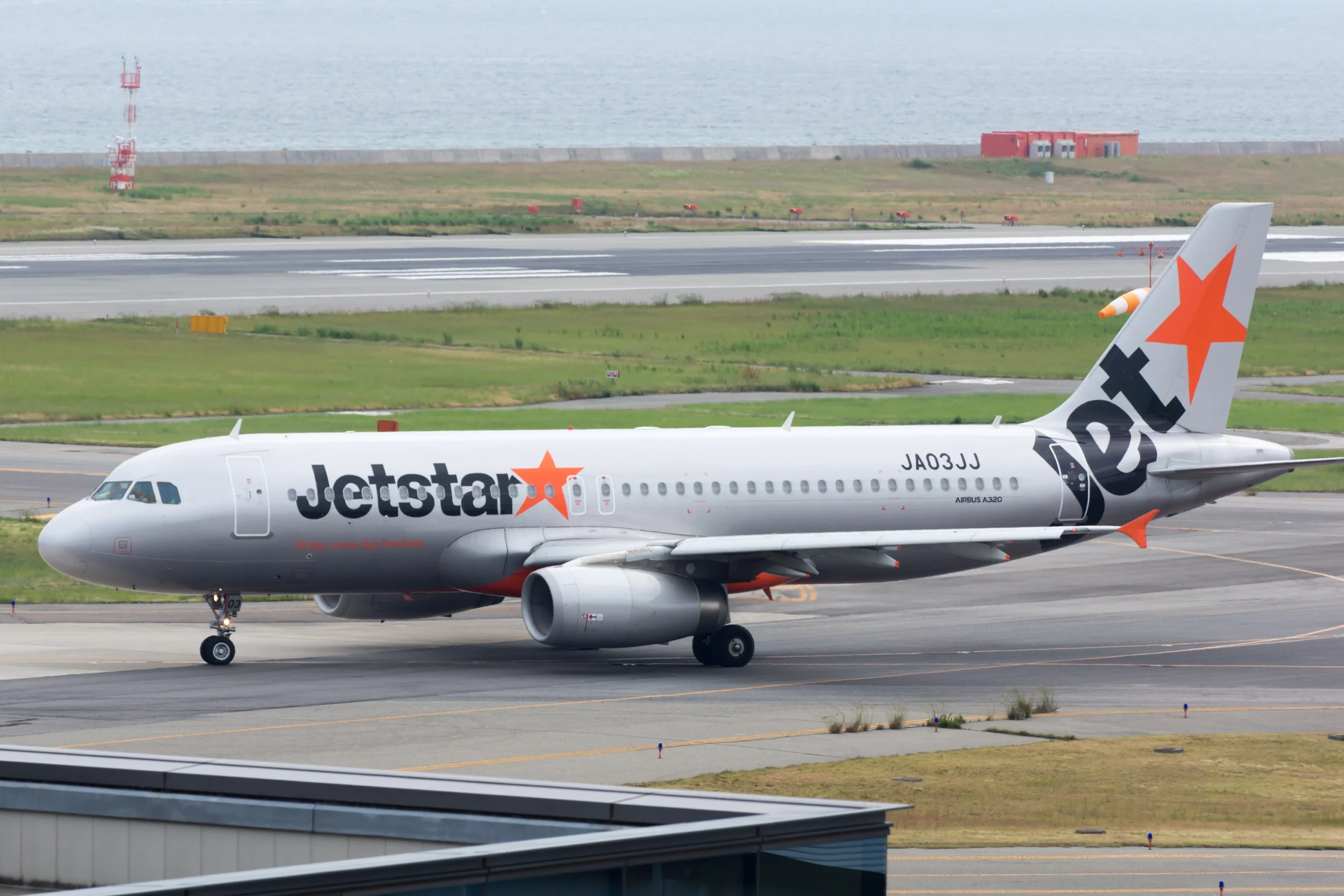
Jetstar Japan, based at Tokyo Narita Airport (NRT), currently serves a network of domestic and international routes using Airbus aircraft under the airline code GK.
The airline will continue normal operations throughout the ownership transition, with no immediate changes to scheduled flights or customer bookings.
The new Japanese‑led ownership group plans to expand Jetstar Japan’s international reach as part of its growth strategy while maintaining synergies with JAL’s broader network.
Industry analysts suggest the rebranding will help the carrier carve out a distinct identity in the low‑fare segment of the Japanese aviation market.
For passengers and partner airlines, codeshare arrangements and existing schedules between Qantas, Jetstar Airways, and JAL are expected to remain intact during and after the transition phase, ensuring continuity of service across connected routes between Australia and Japan.
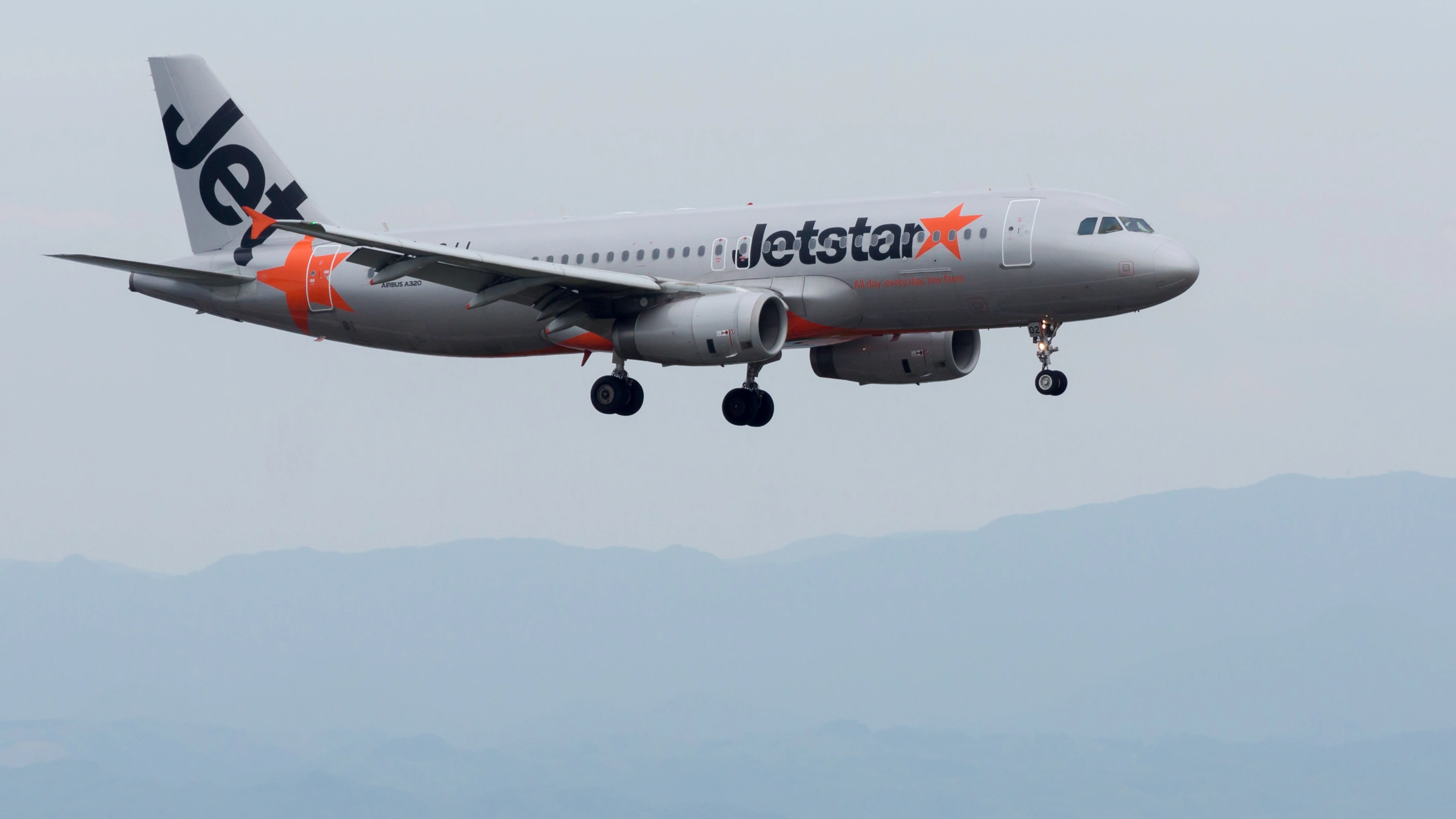
https://commons.wikimedia.org/wiki/File:Jetstar_Japan,_A320-200,_JA10JJ_(18383763555).jpg
Market and Shareholder Reaction
Financial markets reacted modestly to the news, with Qantas’ share price edging higher as investors responded positively to the airline’s renewed focus on its domestic franchise.
Japan Airlines’ shares also saw gains, reflecting confidence in the revised structure and long‑term outlook for Jetstar Japan under consolidated Japanese ownership.
Qantas has reiterated that this divestment does not alter its broader international service plans between Australia and Japan, including its long‑haul routes or partnerships, which will continue to operate as scheduled.
The airline remains committed to its fleet modernisation strategy and strengthening its overall competitive position.
Stay tuned with us. Further, follow us on social media for the latest updates.
Join us on Telegram Group for the Latest Aviation Updates. Subsequently, follow us on Google News
