


VANCOUVER– Air Canada (AC) customer service agents are approaching a pivotal moment that could affect tens of thousands of travellers across the country. The union representing these frontline workers is entering crucial contract negotiations with the airline, and if both sides don’t reach an agreement soon, a strike could legally follow.
The situation has caught the attention of the aviation sector and frequent flyers alike, given recent labour unrest in Canada’s airline industry. Air Canada’s customer service agents, who work in airports such as Toronto Pearson International Airport (YYZ), as well as at contact centres, perform essential functions from ticketing to passenger care.
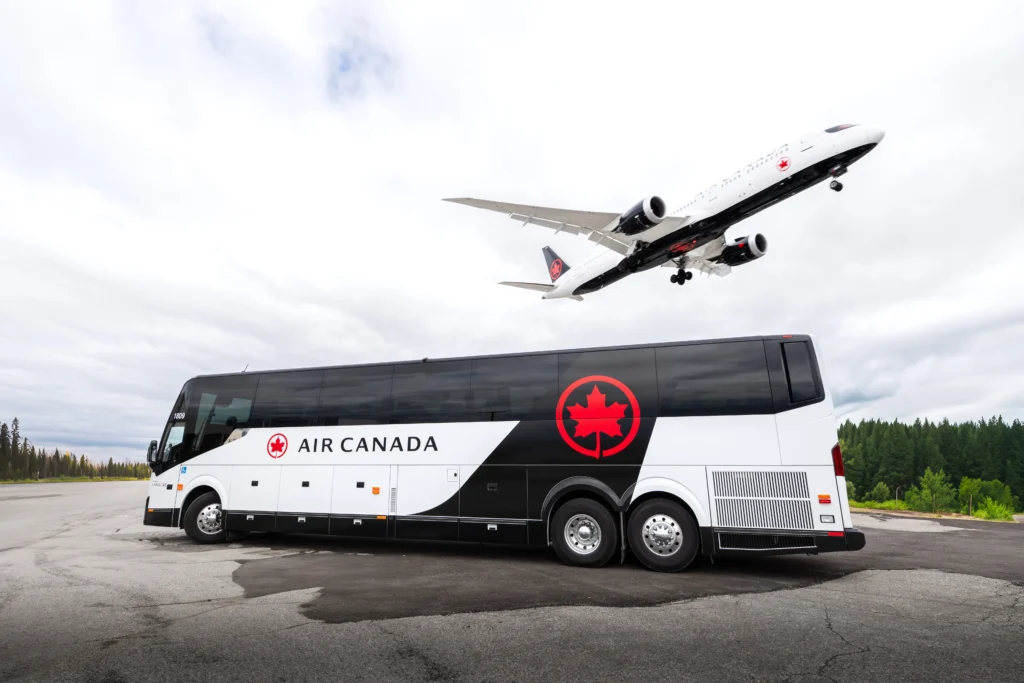
Air Canada Customer Agents to Strike
Unifor Local 2002, which represents about 5,800 customer service agents, has opened talks with Air Canada leadership to negotiate a new collective agreement.
Agents are pushing for improvements in wages, predictable schedules, and working conditions that reflect the demands of their roles. Union leaders argue that enhanced job protections and fair compensation are crucial to support safe and reliable airline operations.
Air Canada and Unifor began discussions in late January, marking the official start of bargaining. The union highlights that its members often handle high‑pressure customer interactions and logistical challenges.
In these moments, customer service agents are often the first point of contact for travellers seeking rebookings or support.
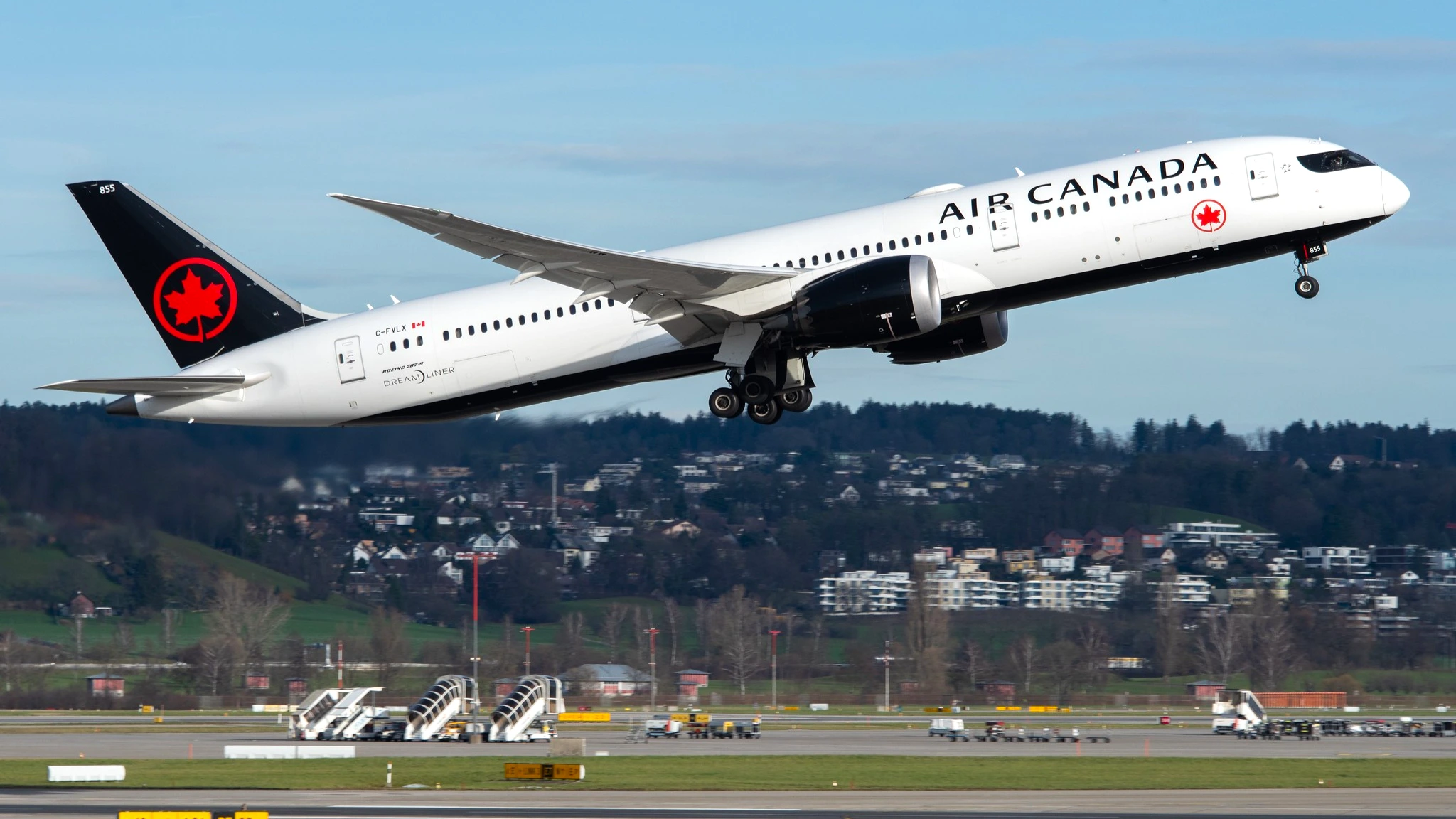
Strike Possibility
Under Canada’s labour laws, a strike can only occur after a series of procedural steps once the existing contract expires. After the contract end date, there is a federal conciliation period of up to 60 days, followed by a mandatory 21‑day cooling‑off period.
Only after these stages can either party legally initiate job action, including a strike. While Unifor Local 2002 says it is too early to predict a strike date, the union remains focused on reaching a fair agreement through talks.
Any job action would require careful planning and could vary in scope depending on strategic decisions made by the union and the airline.
The union has stressed that its objective is to negotiate terms that reflect the critical work its members perform, not to cause disruptions for travellers.

Key Issues at Stake
Customer service agents are calling for several contract enhancements that align with broader trends in aviation labour negotiations.
Their chief concerns include competitive wages in light of rising living costs, job security, respect for seniority, and working conditions that support safety and long‑term sustainability. Union leaders believe that these issues have grown more urgent given the industry’s recovery and financial performance.
Air Canada has reported strong operating revenues in recent quarters, and employees expect their compensation to reflect the airline’s performance.
Agents also cite the sacrifices made during the COVID‑19 pandemic and point to these contributions as a basis for improved contract terms.
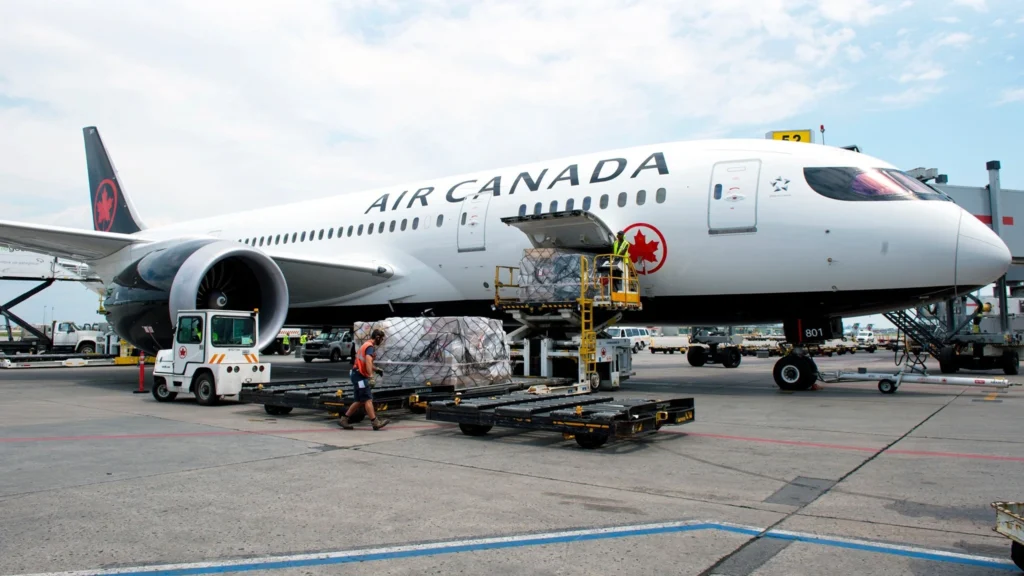
What Will Happen Next?
As negotiations continue, both Air Canada and Unifor Local 2002 appear committed to talks that could avert a work stoppage.
However, travelers and industry observers are watching closely, mindful of how recent labour disputes — including the significant flight attendant strike in August 2025 — have disrupted travel plans and airport operations nationwide.
Air Canada’s consumer base is particularly sensitive to the prospect of strikes and cancellations due to past experiences with contract disputes leading to widespread delays and service interruptions.
The coming weeks will be critical in determining whether customer service agents and the airline can agree on terms that satisfy both sides.
Stay tuned with us. Further, follow us on social media for the latest updates.
Join us on Telegram Group for the Latest Aviation Updates. Subsequently, follow us on Google News
