

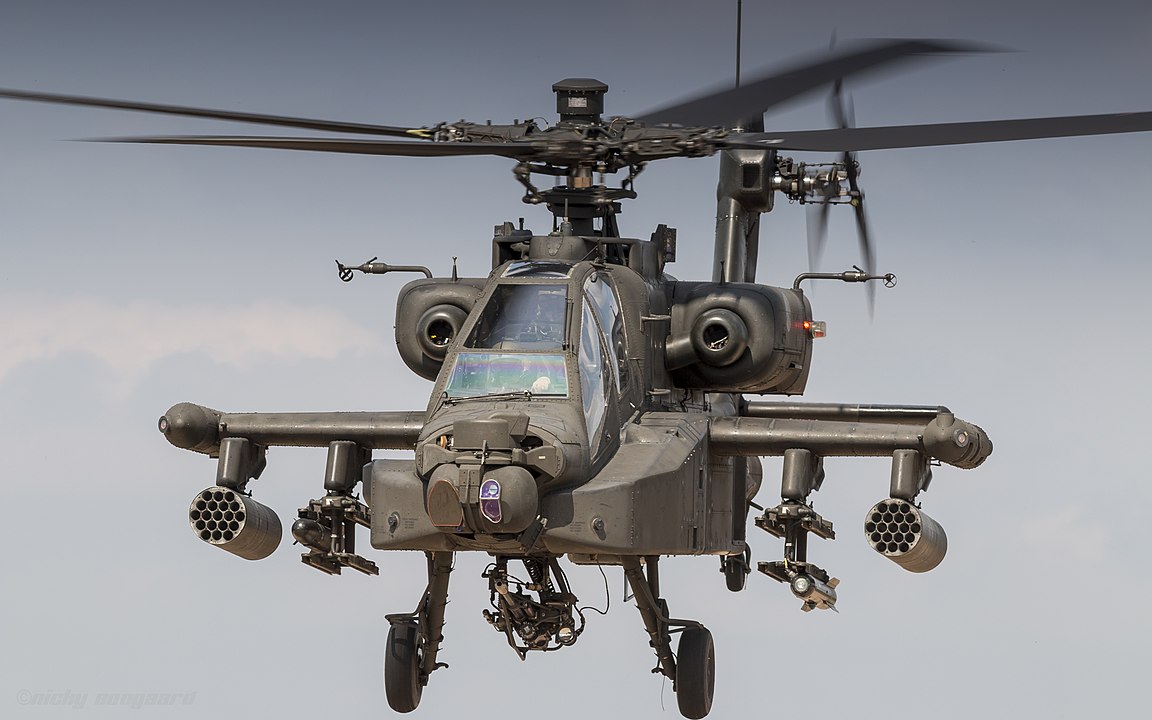
JERUSALEM- Israel has taken a significant step toward modernizing its attack helicopter force by advancing plans to acquire 30 of the most capable attack helicopters available. The U.S. Department of State approved a potential Foreign Military Sale to Israel for 30 Boeing AH‑64E Apache Guardian attack helicopters valued at approximately $3.8 billion.
The agreement involves delivery of the AH‑64E Apache Guardian along with mission equipment, training, and logistical support to the Israel Air Force. This move reflects the growing need for enhanced precision strike, advanced sensors, and increased survivability in complex threat environments.
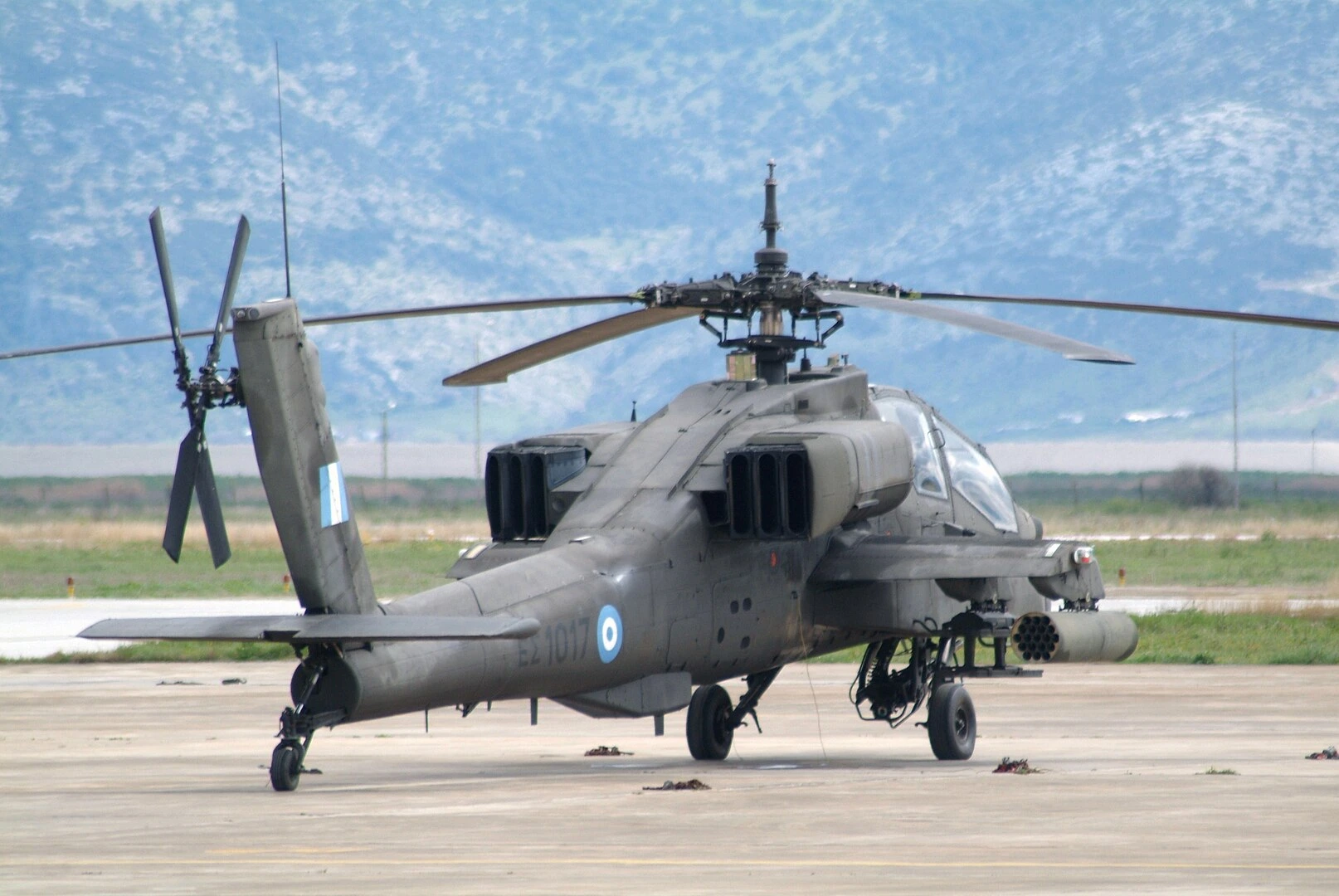
Israel Approves Apache Helicopter Deal
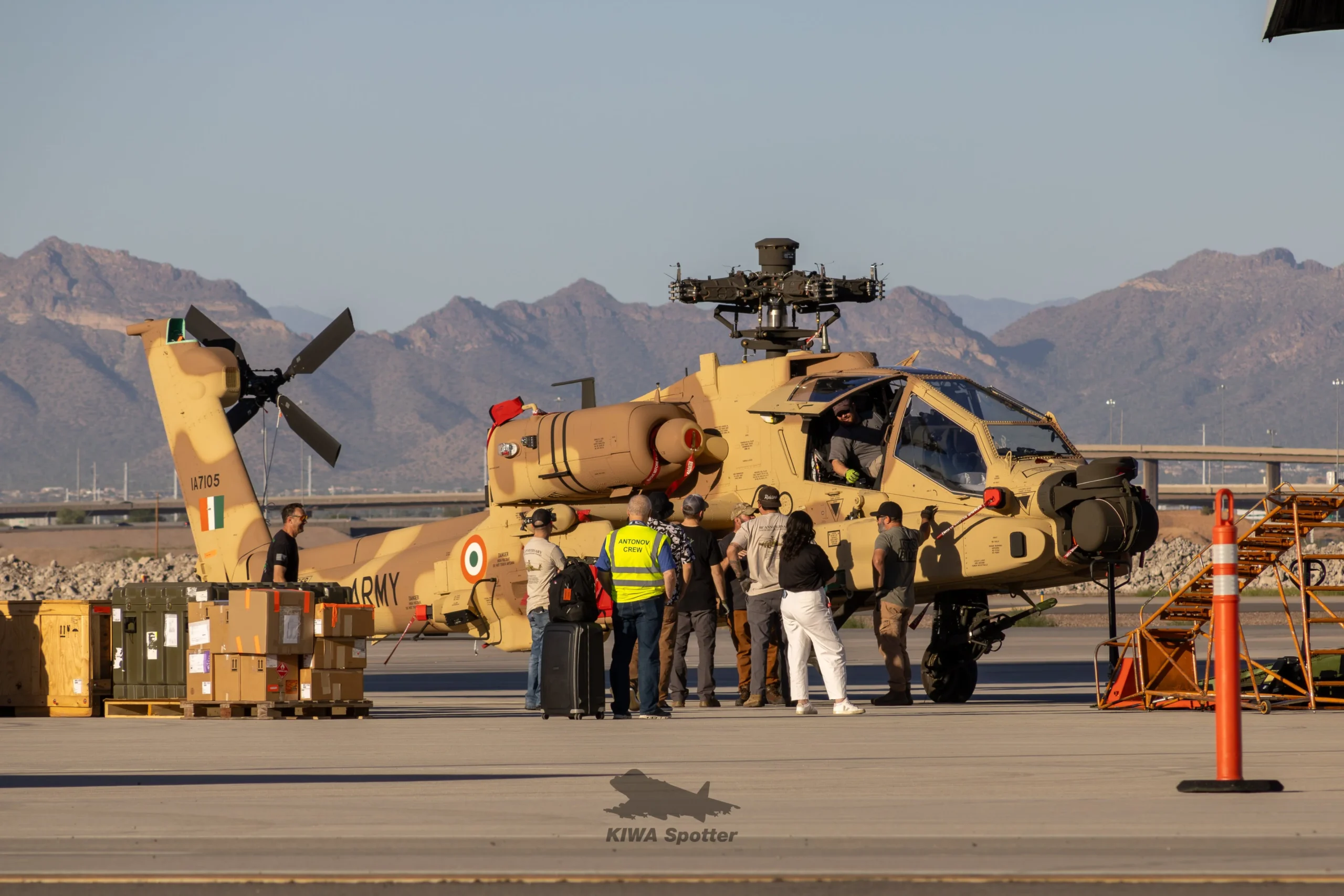
The AH‑64E represents a marked advancement over earlier Apache models currently in Israeli service, such as the AH‑64A Peten and AH‑64D Saraf.
The helicopter is powered by more robust T700‑GE‑701D engines that improve payload capacity, hot‑and‑high performance, and overall maneuverability. Its upgraded composite rotor system supports higher cruise speeds and longer operational reach compared with its predecessors.
The Guardian’s avionics suite features an open systems architecture that allows rapid software enhancements and easier integration of new sensors and weapons.
Its enhanced mission computer and data links improve situational awareness and reduce crew workload, particularly in missions involving simultaneous threats.
This improved digital backbone supports more effective execution of precision strike and reconnaissance tasks in dynamic combat zones.
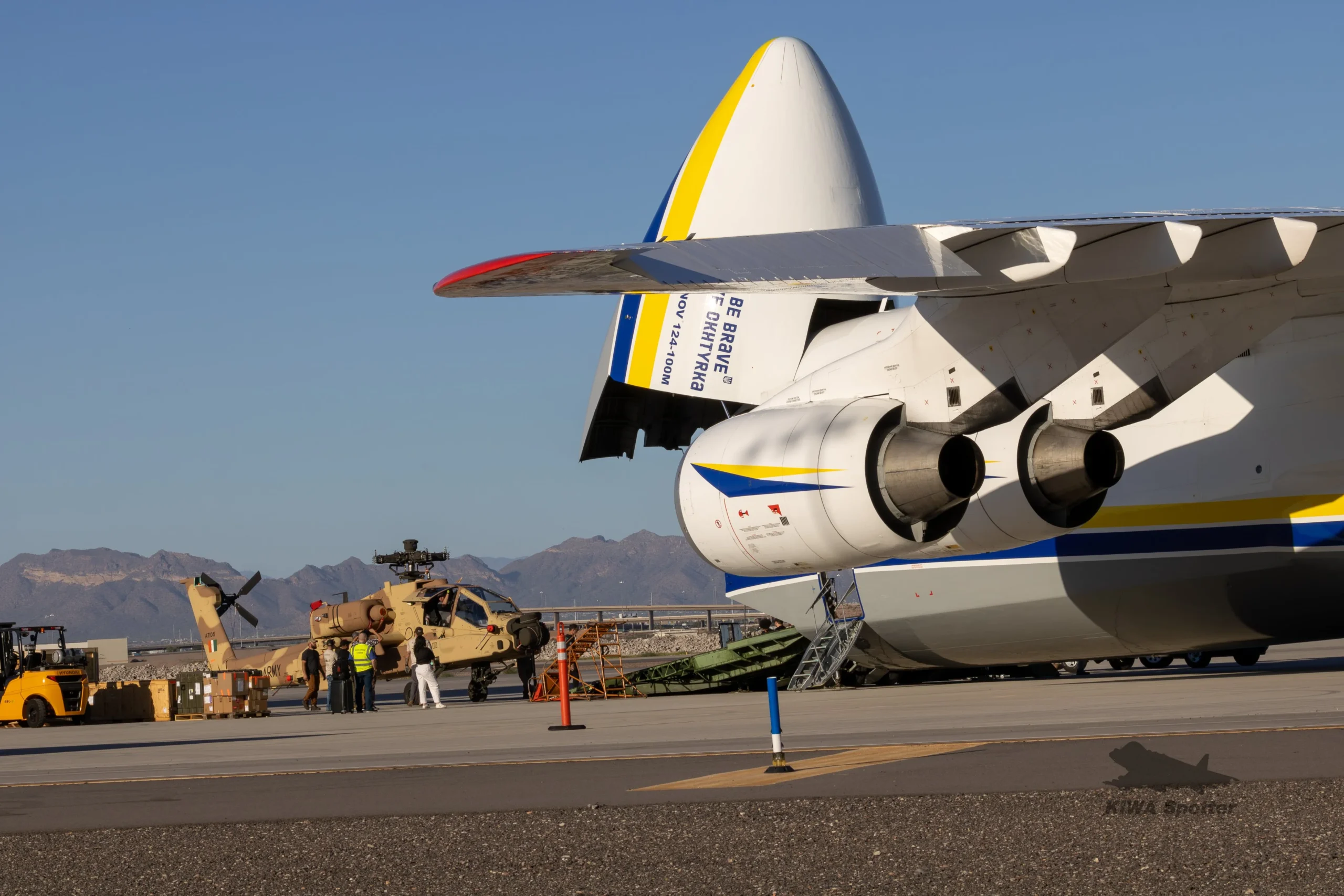
Operational Features
Sensors and targeting capabilities on the AH‑64E also outpace earlier variants. The aircraft combines advanced target acquisition and night vision systems, providing extended detection ranges and clearer imaging for target engagement.
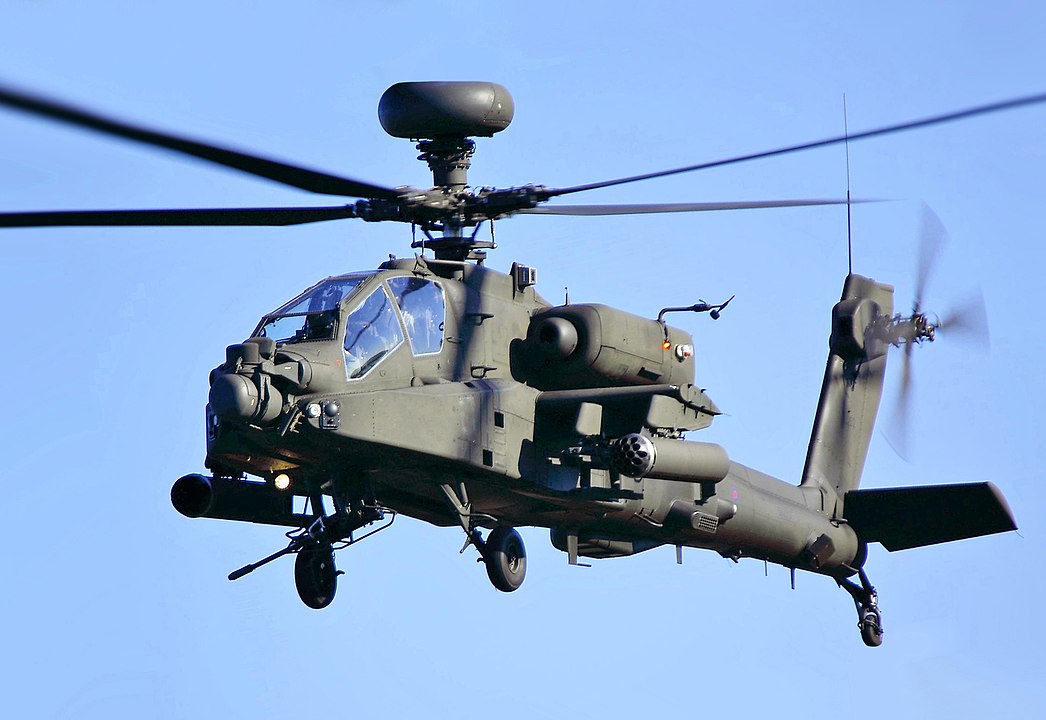
When equipped with the AN‑APG‑78 Longbow fire control radar, it can detect and classify multiple targets while remaining masked by terrain.
A compelling feature of the AH‑64E is its innate support for manned‑unmanned teaming. The helicopter is designed to receive and process real‑time feeds from unmanned aerial systems.
This capability allows crews to identify targets beyond line of sight, reduce risk exposure, and rapidly cue weapons, enhancing operational flexibility.
The AH‑64E’s survivability suite includes upgraded missile warning sensors and digital electronic warfare integration.
These systems are optimized to counter modern infrared‑ and radar‑guided threats, reflecting design lessons from recent conflicts where attack helicopters have faced advanced air defense systems.
Strategic Impact of Apache
The acquisition will mark a generational transition in Israel’s attack helicopter fleet. With 30 new AH‑64E Guardians, the Israel Air Force can rationalize operations around a single, future‑proof helicopter platform.
This reduces sustainment complexity, cuts long‑term costs, and significantly enhances combat effectiveness.
From a strategic perspective, analysts view the AH‑64E as particularly well‑suited to the evolving threat environment of the Middle East. Regional adversaries operate modern attack helicopters, armed drones, mobile missile launchers, and capable short‑ and medium‑range air defense systems.
The Apache’s ability to use Longbow radar cueing and networked sensors offers Israel a decisive advantage in engaging mobile and concealed threats at a distance.
Bottom Line
The potential acquisition of 30 AH‑64E Apache Guardians underscores Israel’s focus on maintaining technological and operational superiority in a challenging security environment.
The advanced engines, sensors, communications, and survivability systems embedded in the Guardian platform offer a substantial leap over legacy aircraft.
As Israel prepares to integrate these helicopters into its force structure, the move is poised to shape attack aviation strategy well into the 2030s.
Stay tuned with us. Further, follow us on social media for the latest updates.
Join us on Telegram Group for the Latest Aviation Updates. Subsequently, follow us on Google News
