


DUBAI- Recently, Emirates Airlines (EK) reduced aircraft capacity on its Bali flight service, sparking debate over whether policy negotiations influenced operations.
Airport authorities state the change reflects seasonal demand decline rather than government intervention, though aviation officials linked approvals to ongoing negotiations.
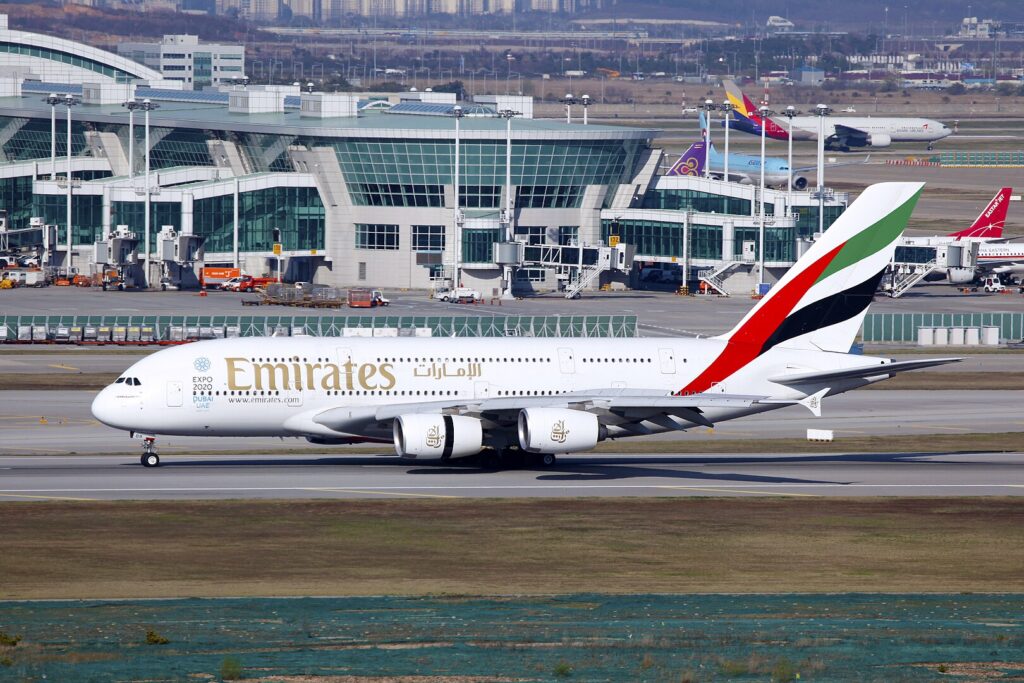
Emirates No Longer Flies A380s to Bali
Emirates began operating Airbus A380 flights between Dubai and Bali in June 2023, making it the only airline deploying the world’s largest passenger aircraft to Indonesia. The double-deck aircraft attracted strong interest due to its capacity and passenger comfort.
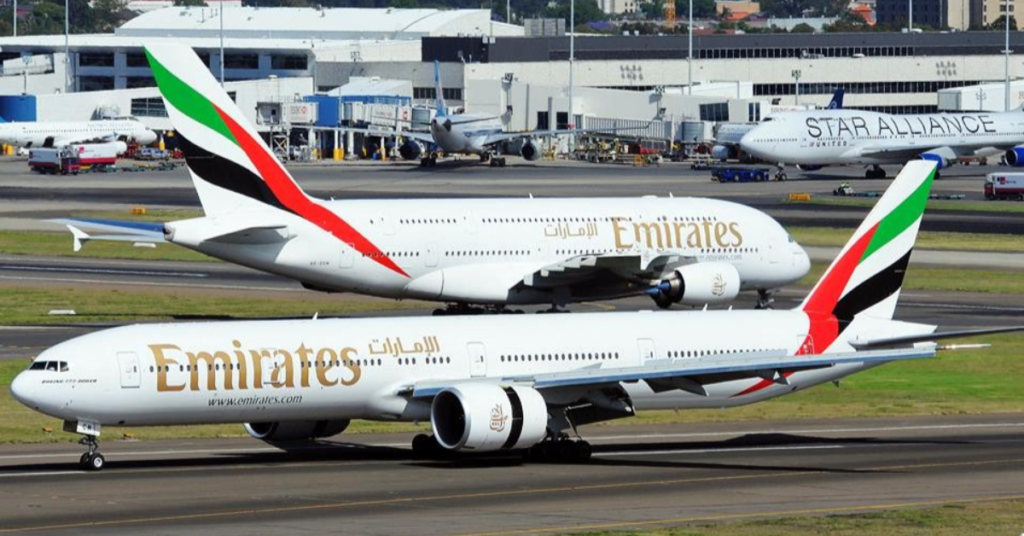
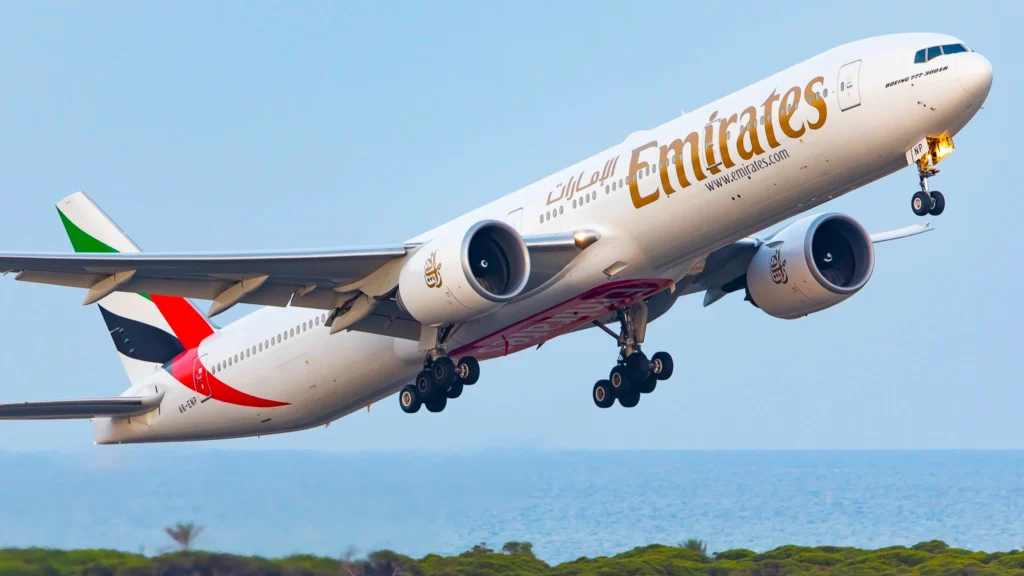
Beginning January 2026, Emirates replaced the A380 with Boeing 777 aircraft on the Dubai to Denpasar route. Service frequency remains daily, but passenger capacity declined significantly.
Typical Emirates A380 aircraft carry between 480 and 615 passengers depending on configuration, while Boeing 777 aircraft on the route carry roughly 350 passengers. The downgrade, therefore, reduces available seats by approximately 25 to 35 percent per flight.
Indonesia’s Director General of Civil Aviation, Lukman Laisa, stated that requests for additional A380 operations are currently on hold while discussions continue with Emirates. According to his remarks, Indonesia seeks:
• Maintenance and engineering involvement within Indonesia
• Greater recruitment of Indonesian pilots and cabin crew
• Expansion of Emirates service beyond Jakarta and Bali to other Indonesian cities
“I have only requested three things from Emirates, namely an MRO involvement in Indonesia, more Indonesian crew, and more Indonesian destinations other than just Jakarta and Bali.
Indonesia’s Director General of Civil Aviation, Lukman Laisa
Qatar employs 90 Indonesian pilots, Etihad 40 Indonesian pilots –- this is not to mention the number of cabin crew these airlines employ. There are only six pilots at Emirates. They only want to give us one Indonesian crew, while we are asking for three crew members because of the use of the Airbus A380.
So, because of this lack of Indonesian manpower, I am withholding requests for three Airbus A380 aircraft to Bali. Additionally, permission to use Airbus A380 aircraft in Bali I am still keeping on ‘hold.’ We desire progress in our negotiations with Emirates, advising them that we have qualified workers available for the Jakarta-Dubai air service.”
These comments suggested aircraft approvals could be part of broader aviation cooperation discussions.
However, Ngurah Rai Airport officials provided a different explanation, stating that the change reflects seasonal travel patterns rather than policy pressure.
Emirates has not publicly clarified the reason.
Airport Authority Attributes Change to Seasonal Demand
Ngurah Rai Airport Communications Head Gede Eka Sandi Asmadi confirmed the airline independently chose to operate smaller aircraft due to reduced travel demand during the low season.
Airlines routinely swap aircraft types to match passenger bookings, especially after peak holiday periods. Bali typically sees strong demand from June through September and again in December, while early-year months often record lower visitor volumes.
Industry data shows Bali handled roughly 24 million passengers in 2024, approaching pre-pandemic levels but still experiencing seasonal swings that affect airline planning.

Impact on Travelers and Ticket Availability
The downgrade does not reduce flight frequency but limits available seats per flight. Travelers may experience:
• Faster seat sellouts during busy periods
• Slight fare increases during peak travel weeks
• Reduced availability of premium cabin seats compared to A380 operations
However, off-peak travelers may benefit from competitive fares as airlines adjust prices to stimulate demand.
Passengers specifically seeking the A380 experience must now check aircraft schedules before booking, as operations remain subject to seasonal changes, OMAAT flagged.
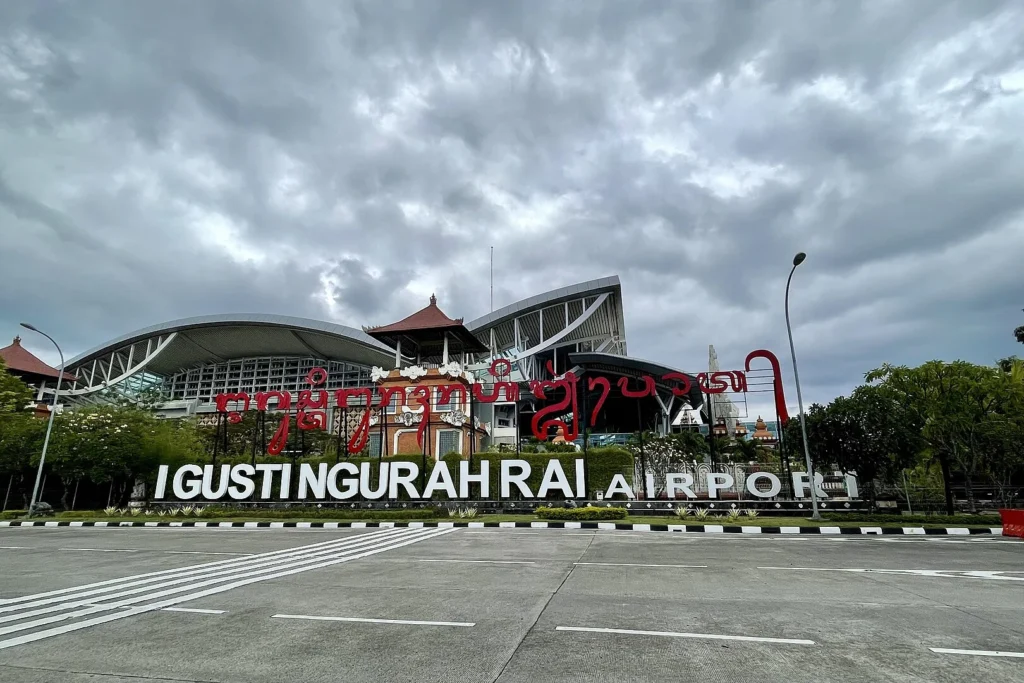
Bali Airport Expansion and Future Capacity Goals
Despite the aircraft change, Bali continues expanding its aviation infrastructure to support long-term tourism growth.
Government plans include:
• Expanding Ngurah Rai Airport capacity to 32 million passengers in the near term
• Increasing capacity further toward 42 million passengers
• Long-term target of handling up to 55 million passengers annually
Indonesia has also confirmed the construction of North Bali International Airport, creating a dual airport system to support tourism and reduce congestion in the south.
This strategy aims to position Bali as a regional transit hub comparable with Singapore, Bangkok, and Kuala Lumpur.

AirAsia Adds New Australia Connectivity
While Emirates reduces aircraft size, Indonesia AirAsia expands international connectivity.
From March 10, 2026, AirAsia launches daily Melbourne to Denpasar flights with promotional fares starting at AUD 199. Australia remains Bali’s largest inbound tourism market, supporting steady travel demand year-round.
The service departs Melbourne at 6:00 AM and arrives in Bali at 9:35 AM, with evening return flights landing in Melbourne the following morning.
ALSO READ: AirAsia Indonesia to Operate Daily Flights from Asia’s Most Visited Island to Adelaide
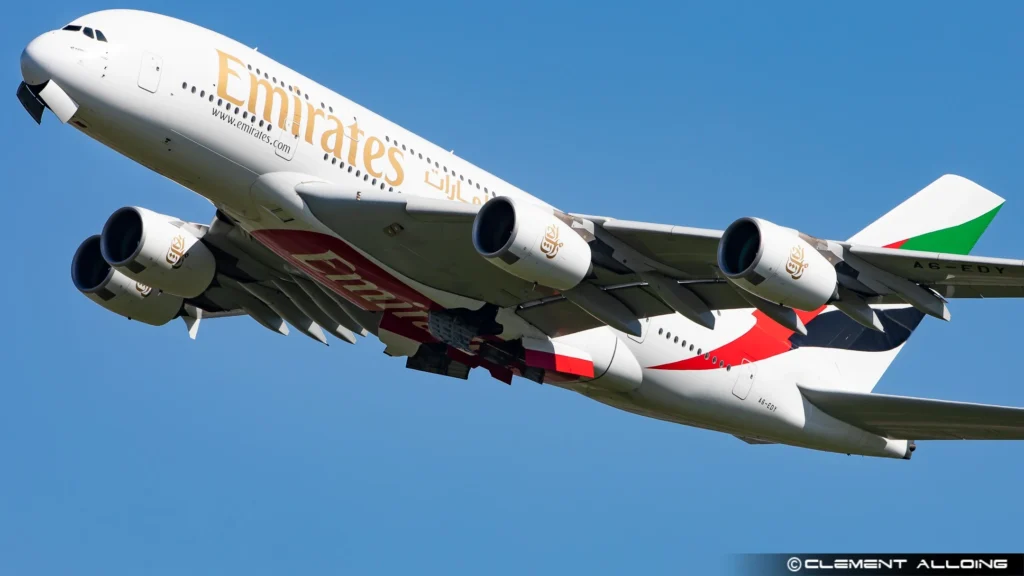
Will Emirates A380 Flights Return?
A380 service could return during future peak seasons if demand strengthens. Airlines often restore larger aircraft when passenger loads justify higher capacity.
Any policy developments between Indonesia and the Emirates could also influence future route expansion, though no official decision has been announced.
For now, Boeing 777 aircraft continue daily service without schedule reduction.
Bottom Line
Emirates replaced its Airbus A380 flights to Bali with Boeing 777 aircraft in early 2026. Aviation officials linked aircraft approvals to broader negotiations, while airport authorities maintain the change reflects seasonal demand adjustments.
Despite aircraft changes, Bali continues expanding airport capacity and attracting new international routes, reinforcing its position as a major global tourism destination.
Stay tuned with us. Further, follow us on social media for the latest updates.
Join us on Telegram Group for the Latest Aviation Updates. Subsequently, follow us on Google News
