

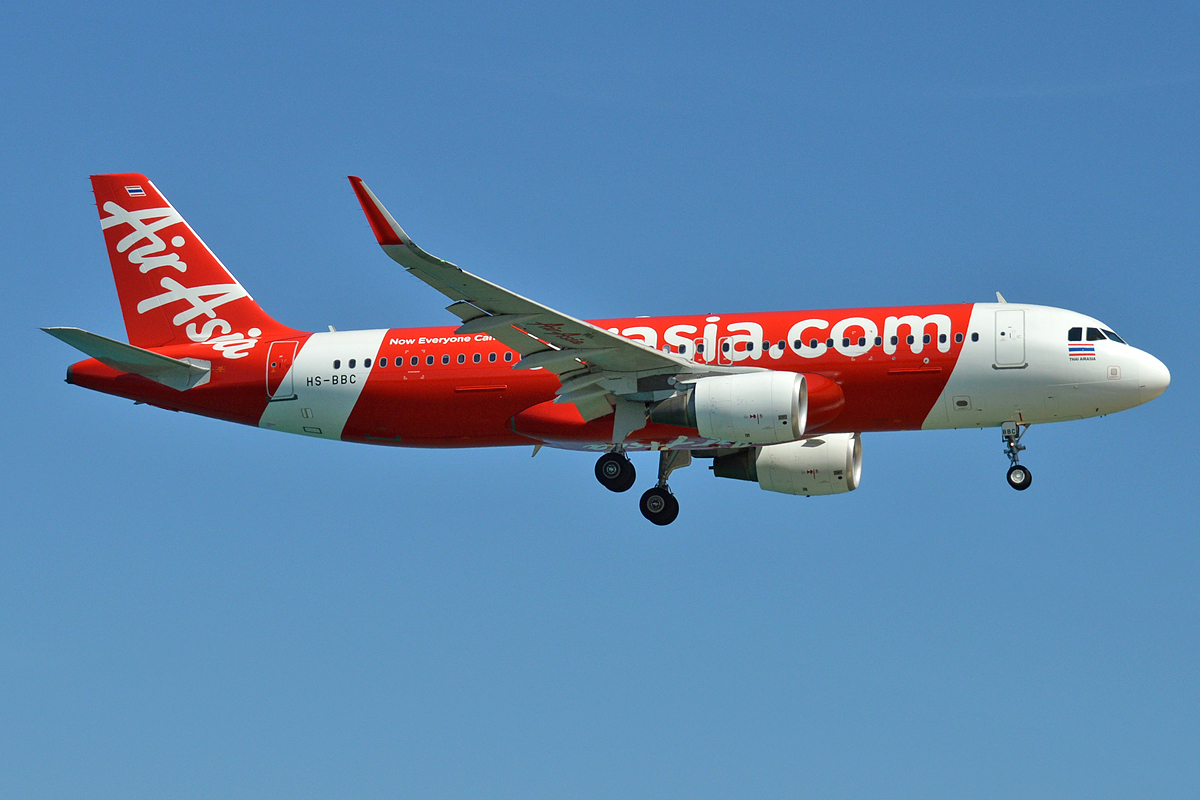
BALI- Indonesia AirAsia (QZ) will upgrade its Adelaide (ADL) to Bali (DPS) service to daily flights starting 22 March 2026, responding to strong passenger demand between South Australia and Indonesia.
The expanded schedule boosts annual seat capacity while improving access to over 130 destinations across Asia through Bali connections.
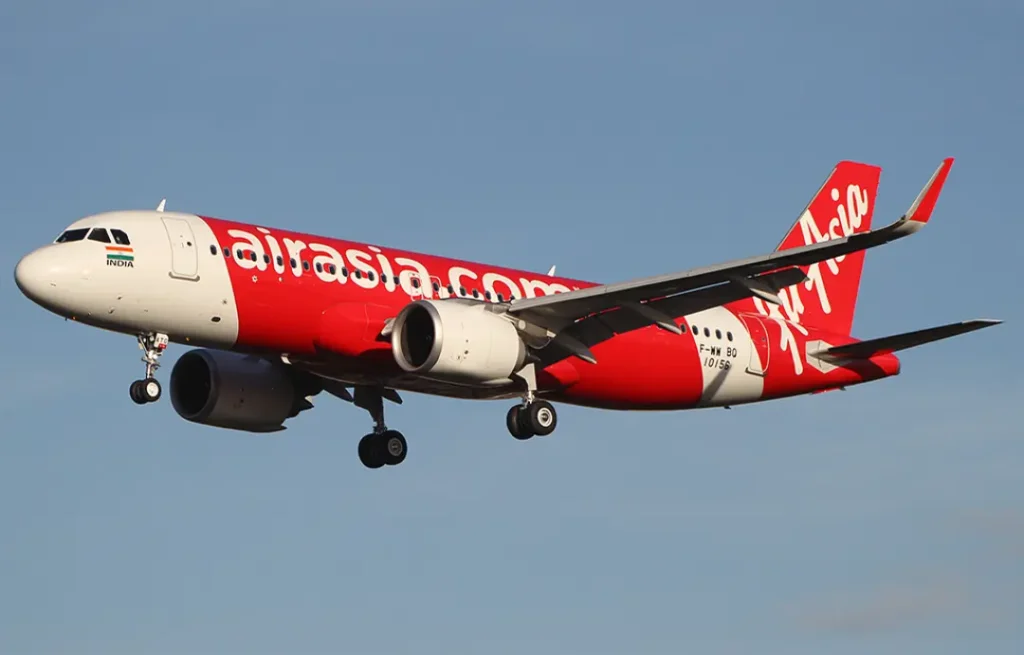
AirAsia Indonesia Bali to Adelaide Flights
Indonesia AirAsia’s move from four weekly services to daily operations highlights Bali’s position as Adelaide’s largest and fastest-growing international destination. Since launching the route in June last year, demand has consistently increased among South Australian travelers seeking leisure and onward connections.
Flights will operate using Airbus A320-200 aircraft configured with 180 seats, creating more than 56,000 visitor seats annually through Adelaide Airport. The route also provides cost-effective connections across Southeast Asia and beyond.
Travelers can connect via Bali to cities such as Jakarta, Bangkok, Phuket, and Komodo Island, as well as longer-haul destinations including Korea, Japan, India, Thailand, Vietnam, and the Philippines.
Airport officials note that Bali also serves as an efficient one-stop gateway for Asian travelers visiting South Australia, helping strengthen inbound tourism.
Indonesia AirAsia Flight Schedule
Effective 22 March 2026
| Route | Flight Number | Departure | Arrival | Frequency |
|---|---|---|---|---|
| Denpasar – Adelaide | QZ 420 | 23:45 | 06:25 | Daily |
| Adelaide – Denpasar | QZ 421 | 07:05 | 10:55 | Daily |
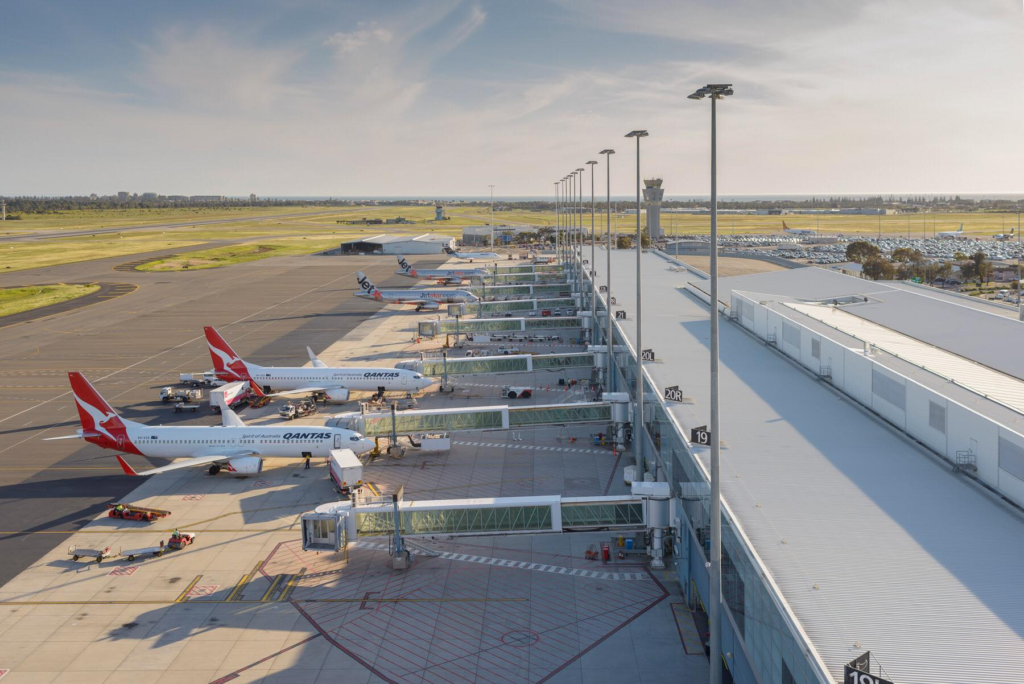
Adelaide Airport’s International Growth Momentum
Adelaide Airport recorded 1.17 million international passenger arrivals in 2025, representing a 20.7 percent year-on-year increase. The airport also saw a 32 percent rise in international inbound seats following the launch of new overseas routes.
Currently, 12 airlines operate services from Adelaide to 11 international destinations. Additional expansion continues, with China Eastern Airlines scheduled to begin Adelaide–Shanghai services in mid-2026.
Affordable travel options remain a major factor in expanding passenger demand and achieving future network growth targets for the airport.
Benefits for South Australian Travelers
Daily services provide greater schedule flexibility and competitive fares for holiday travelers. Increased frequency also improves connection options across AirAsia’s network, allowing passengers to reach multiple Asian destinations via a single stop in Bali.
For Indonesia AirAsia, Adelaide represents a key gateway in Australia, supporting both leisure travel and broader regional connectivity.

Bali Travel Guide
Bali remains one of Southeast Asia’s most visited islands, offering affordable travel, diverse landscapes, and strong cultural appeal for every type of traveler.
From beaches and temples to diving, hiking, and wellness retreats, the island combines natural beauty with easy travel infrastructure and budget-friendly options.
Complete Travel Guide to Exploring Bali
Bali attracts backpackers, honeymooners, surfers, yoga travelers, and digital nomads due to its variety of experiences packed into a relatively small island. Visitors find tropical beaches, volcanic mountains, terraced rice fields, traditional temples, nightlife, and world-class diving all within short travel distances.
While Kuta and Ubud draw the largest crowds, quieter regions reveal a calmer side of the island. Northern and eastern Bali offer less crowded beaches, lower accommodation prices, and more authentic local experiences.
Travelers seeking culture often base themselves in Ubud, known for temples, dance performances, craft markets, and nearby rice terraces. Adventure seekers prefer coastal and island regions for diving, surfing, and snorkeling.
Careful route planning helps visitors balance popular attractions with offbeat destinations for a smoother travel experience.
Top Attractions and Experiences in Bali
Scuba Diving and Marine Life
Bali is among Indonesia’s best diving destinations. Popular dive sites include the USAT Liberty shipwreck in Tulamben and Manta Point near Nusa Penida. Divers also visit between July and October for a chance to see mola mola, also called ocean sunfish.
A standard two-tank dive usually costs around 1,500,000 IDR, depending on location and operator.
Hindu Temples and Sacred Sites
Thousands of temples exist across Bali, making them central to island life. Besakih Temple, known as the Mother Temple, sits on Mount Agung’s slopes and remains the island’s largest temple complex.
Access to sacred areas may be restricted during ceremonies, and climbing Mount Agung can be limited during religious periods.
Nusa Islands Escape
Nusa Lembongan, Nusa Penida, and Nusa Ceningan provide quieter alternatives to mainland Bali. These islands offer strong surf breaks, scenic coastal cliffs, and excellent diving opportunities, often at lower prices.
Cultural Experiences in Ubud
Ubud serves as Bali’s cultural heart, featuring traditional performances, temples, art markets, and culinary experiences. Nearby Tegalalang Rice Terraces provide scenic views and opportunities to interact with local farmers.
Sunrise Trek at Mount Batur
Many travelers hike Mount Batur before dawn to watch sunrise views across the caldera. Guided climbs are required, typically costing about 400,000 IDR per person.
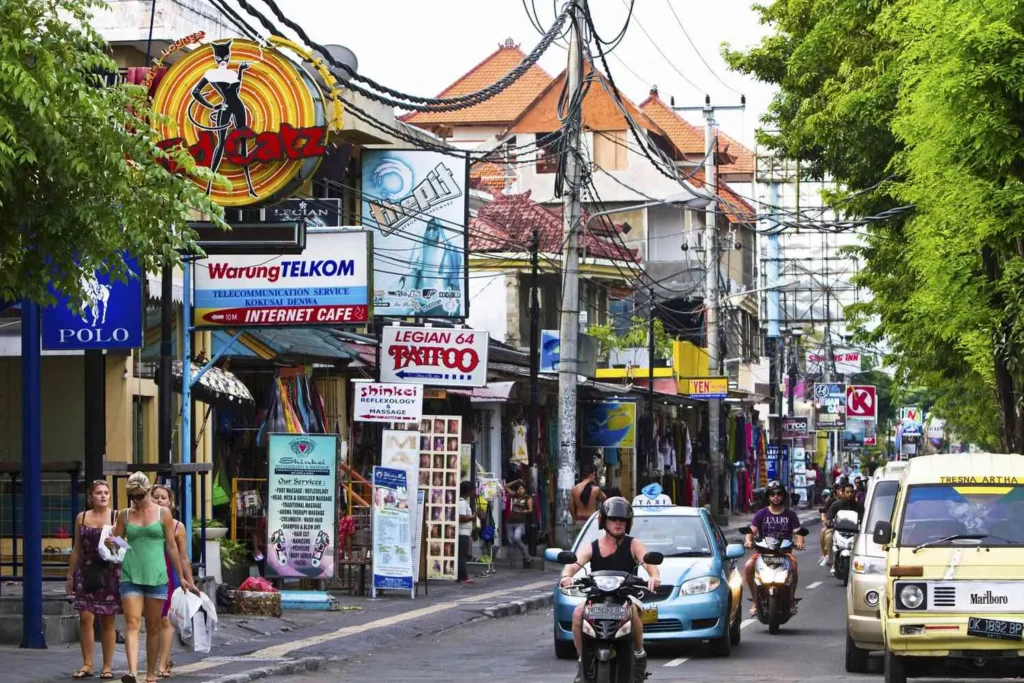
Adventure and Wellness Activities
Outdoor Adventures
Visitors enjoy rafting, paragliding, ATV rides, mountain biking, jungle trekking, and zip-lining across the island. Prices vary, but many activities remain affordable compared to global adventure destinations.
Hot Springs and Spa Culture
Natural hot springs around Lake Batur and Banjar offer relaxing experiences surrounded by tropical scenery. Bali’s spa culture also remains famous, with traditional massages often available from 200,000 IDR.
Surfing Opportunities
Bali accommodates surfers of all skill levels. Beginners often take lessons costing about 350,000 IDR, while board rentals typically start at 150,000 IDR per day.
Yoga and Retreat Programs
Yoga retreats and training centers operate across Bali, especially around Ubud and Canggu. Short retreats start around 4,750,000 IDR, while advanced teacher training programs cost significantly more.
Local Cooking Classes
Cooking classes teach travelers how to prepare Balinese dishes such as nasi goreng, satay, and sambal. Courses often include market visits and cost about 350,000 IDR.
Practical Travel Information
Safety Advice
Bali remains generally safe for travelers, with violent crime rare. Petty theft and bag snatching occur in crowded areas, so visitors should secure valuables and use reputable taxis or ride-share apps.
Cash payments reduce risks linked to ATM fraud, and travelers are advised to withdraw money inside banks when possible.
Accommodation Options
The island offers hostels, guesthouses, hotels, and villas suitable for every budget. Popular areas include Canggu, Ubud, Kuta, and Seminyak, with prices ranging from budget dormitories to luxury villas.
Average Travel Costs
Hostel beds start around 55,000 IDR per night, while budget hotels usually range between 375,000 and 800,000 IDR. Street food meals often cost about 10,000 IDR, making local dining very affordable.
Daily budgets vary widely, from roughly 425,000 IDR for backpackers to over 2,350,000 IDR for upscale travelers.
Money-Saving Tips
Travelers can lower expenses by eating local food, bargaining in markets, staying outside crowded tourist zones, and using ride-share apps instead of taxis.
Reusable filtered water bottles help reduce plastic waste while saving money.
Transportation Options
Travelers move around Bali using taxis, scooters, buses, or ride-share services. Scooter rentals start around 90,000 IDR per day but require driving experience due to busy traffic conditions.
Ferries connect Bali with Lombok and the Gili Islands, with prices depending on route and boat type.
Best Time to Visit
Bali experiences a tropical climate with dry season from April to September and rainy season from October to March. May through September offers the best weather for beach visits, hiking, and diving.
Peak tourist periods include July, August, and major holiday seasons when prices increase.

Adelaide Travel Guide
Adelaide and its surrounding regions offer one of Australia’s most rewarding one week journeys, blending food, wine, beaches, and wildlife.
This itinerary connects the city with leading wine regions, coastal towns, and optional Kangaroo Island adventures for a balanced South Australia experience.
Exploring South Australia in Seven Days
A seven day plan centered on Adelaide allows travelers to enjoy urban culture, premium wine regions, coastal scenery, and wildlife encounters without rushed travel. Each destination sits within comfortable driving distance, making self drive travel practical and enjoyable.
Arrival and First Experiences in Adelaide
Adelaide’s compact CBD makes exploration simple on arrival. North Terrace serves as the city’s cultural spine, linking museums, galleries, and gardens within walking distance.
Dining options reflect the city’s multicultural identity, with strong Italian, Asian, and Mediterranean influences. Laneways and Eat Streets such as Peel Street, Leigh Street, Gouger Street, and Rundle Street offer strong restaurant choices for both lunch and dinner.
Staying within the CBD simplifies movement before beginning regional travel.
Glenelg Beach and Adelaide Central Market
Glenelg offers an easy seaside escape via tram from the city center. Visitors can explore the beach, marina, art spaces, and cultural museums or book sailing experiences when weather allows.
Returning to the city, Adelaide Central Market remains a major highlight. Operating since 1869, the covered market hosts more than 70 traders selling local produce, meats, cheeses, breads, and specialty foods. It is an ideal place to gather supplies before beginning the road journey.
Clare Valley Wine Region
The drive to Clare Valley takes roughly two hours north of Adelaide. The region is internationally known for Riesling, though excellent red varieties also appear across cellar doors.
Cycling along the Riesling Trail provides one of the best ways to visit wineries. The 35 km trail connects several towns and vineyards, allowing relaxed tastings combined with scenic countryside views. Many wineries serve platters or meals, making lunch stops easy to plan.
Barossa Valley Highlights
Traveling onward to Barossa Valley introduces one of Australia’s most established wine regions. Historic towns such as Kapunda and Tanunda provide bakery stops, cafés, and supply stores before winery visits begin.
Lunch at estate restaurants such as Seppeltsfield or Hentley Farm adds a premium dining experience. Many accommodations sit close to cellar doors, allowing short walks between tastings.
Cycling routes connecting Angaston, Nuriootpa, Tanunda, and Lyndoch offer safe paths through vineyards while food stops such as Maggie Beer’s Farm Shop and Barossa Valley Cheese Company provide breaks between tastings.
Adelaide Hills and McLaren Vale
Driving south toward McLaren Vale passes through Adelaide Hills, known for scenic landscapes and cool climate wineries. Stops in towns like Woodside or Hahndorf offer chocolate shops, heritage buildings, and German-influenced dining.
McLaren Vale specializes in bold red wines and relaxed vineyard experiences. The d’Arenberg Cube adds a modern attraction, combining art, architecture, and interactive wine experiences in a striking five-level structure.
Victor Harbor Coastal Excursion
Victor Harbor, located about 40 minutes from McLaren Vale, delivers coastal scenery and wildlife opportunities. Visitors can walk to Hindmarsh Falls, ride the historic Cockle Train, or explore Granite Island via the horse-drawn tram or walking bridge.
Boat tours operate for seal, dolphin, and seasonal whale sightings between May and October. Dining stops along the return drive include cliffside restaurants overlooking Gulf St Vincent.
Kangaroo Island Extension
Travelers with additional time often extend the journey to Kangaroo Island, reached by ferry in about 90 minutes from the mainland. The island ranks among Australia’s best wildlife destinations.
Highlights include Flinders Chase National Park, Remarkable Rocks, Admiral’s Arch, and Kelly Hill cave tours. Hanson Bay and surrounding conservation areas provide reliable koala and kangaroo sightings.
Visitors can also enjoy craft breweries, boutique wineries, gin distilleries, sand dune adventures at Little Sahara, and quiet beaches across more than 500 km of coastline.
Travel Planning and Logistics
Renting a car is essential for regional travel. Most routes involve comfortable highway driving, with wineries and towns spaced conveniently for day trips.
Travelers returning from regional areas should allow sufficient time for airport transfers, especially when returning from McLaren Vale or Kangaroo Island.
Stay tuned with us. Further, follow us on social media for the latest updates.
Join us on Telegram Group for the Latest Aviation Updates. Subsequently, follow us on Google News
