

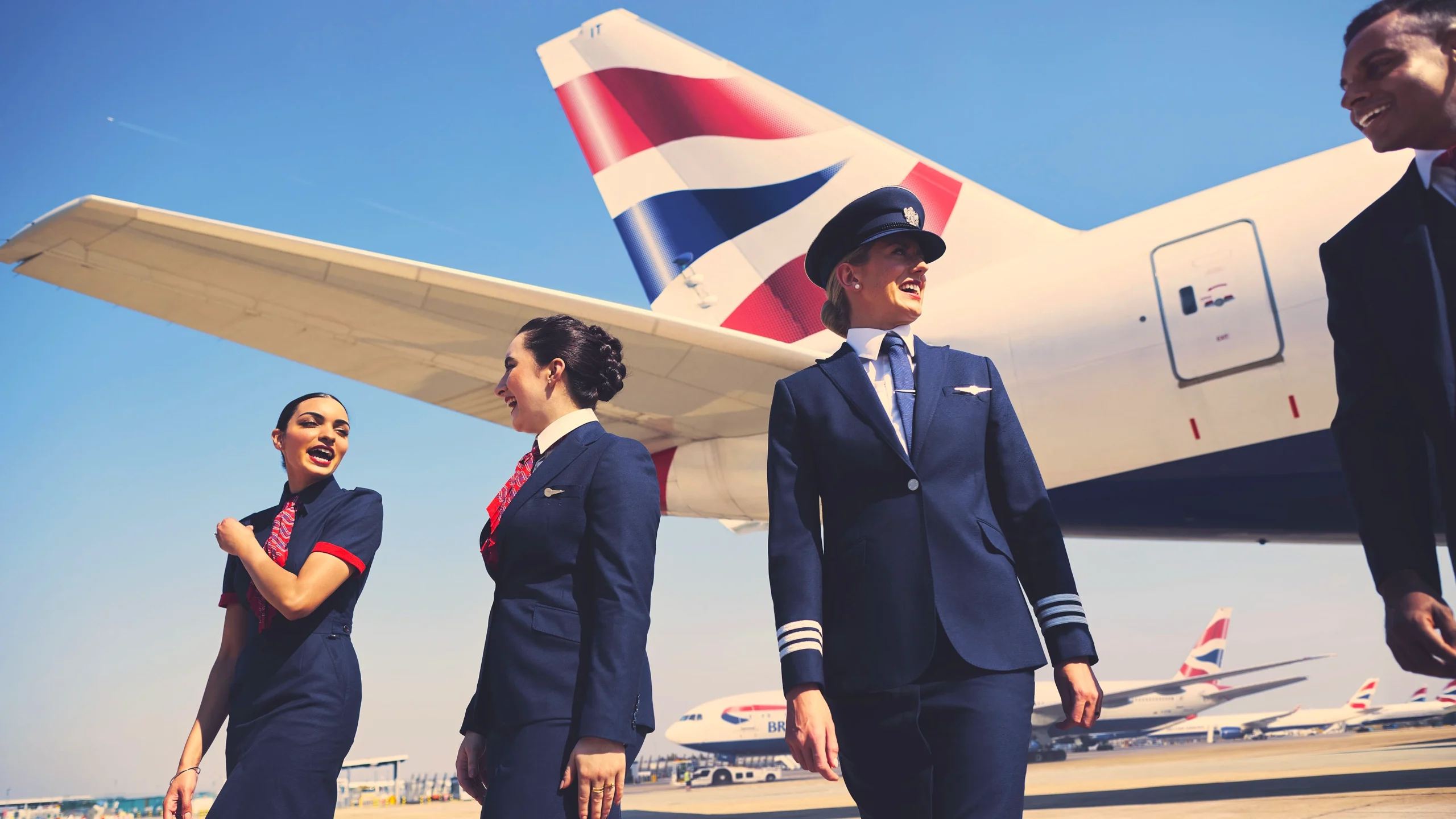
LONDON- British Airways (BA) has abandoned plans to introduce a necktie-style accessory for female cabin crew and frontline airport staff following a widespread internal revolt. The decision comes just days before the accessory was due to become mandatory.
The issue affects cabin crew and airport employees operating mainly from London Heathrow Airport (LHR), where staff strongly objected to what they described as a masculine and impractical uniform change.
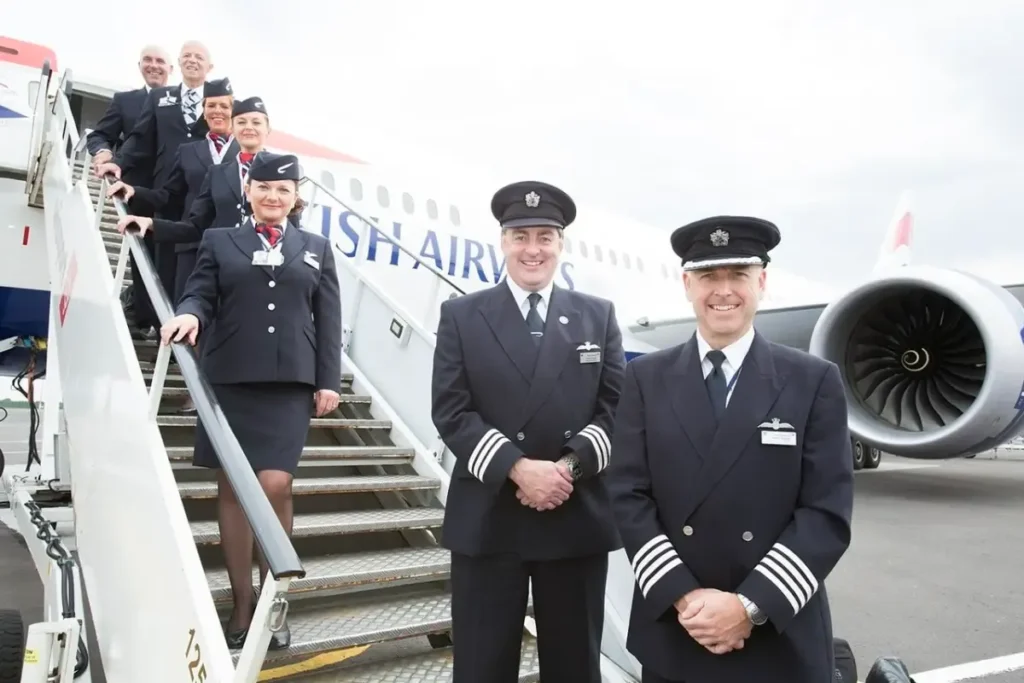
British Airways Controversial Twilly Uniform
The latest dispute stems from British Airways’ October 2023 uniform rollout, its most controversial redesign in recent history.
Savile Row designer Ozwald Boateng created the collection to modernize the airline’s image and introduce more gender-neutral options.
Instead, many employees reacted with frustration. Female cabin crew were particularly critical of a frilled neck scarf that hung straight down the center of the chest, closely resembling a man’s necktie.
Staff described the look as overtly masculine and misaligned with professional comfort standards.
Further dissatisfaction centered on a red triangular design stitched upward on female skirts and the introduction of see-through blouses. Crew members raised concerns about privacy, fit, and suitability for long-haul duties, stating the uniform failed to reflect the realities of frontline work.
British Airways later conceded that the uniform “wasn’t quite hitting the mark” and confirmed it would make changes after receiving extensive complaints.

From Frilled Scarf to Twilly Accessory
One of the airline’s proposed fixes was to discontinue the frilled scarf, which British Airways had already stopped manufacturing, and replace it with a flat fabric strip known as a twilly.
The twilly originates from Hermès, which introduced the narrow scarf in the 1930s as a versatile fashion accessory.
Typically around two inches wide, the twilly is designed to be worn in multiple ways around the neck or head. In recent years, it has gained renewed popularity, with fashion influencers using twillies to wrap the handles of Birkin and Kelly handbags.
Despite its flexibility, British Airways imposed strict wearing instructions. Management told staff to wrap the twilly behind the neck, with two long ends hanging vertically and secured with what appeared to be a tie pin.
Employees argued that this styling removed all versatility and made the accessory indistinguishable from a men’s necktie.
White Shirt Change and Workwear Comparisons
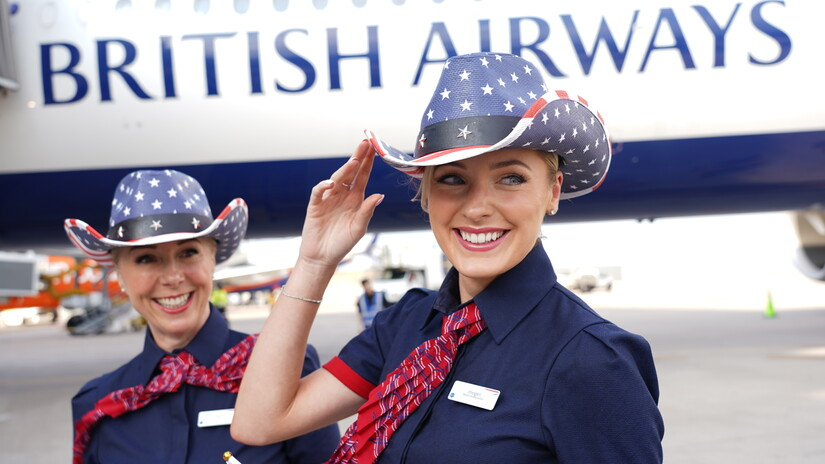
Tensions increased further when British Airways replaced the sheer ivory blouse with a plain white shirt.
Combined with the fixed twilly design, the female crew said the overall look closely mirrored men’s blue-collar workwear rather than a contemporary airline uniform.
The airline had already issued the new twilly to frontline managers after production of the frilled scarf ended. The airline had planned to enforce the change from February 2, leaving little time for further consultation.
Last-Minute Climbdown and Policy Review
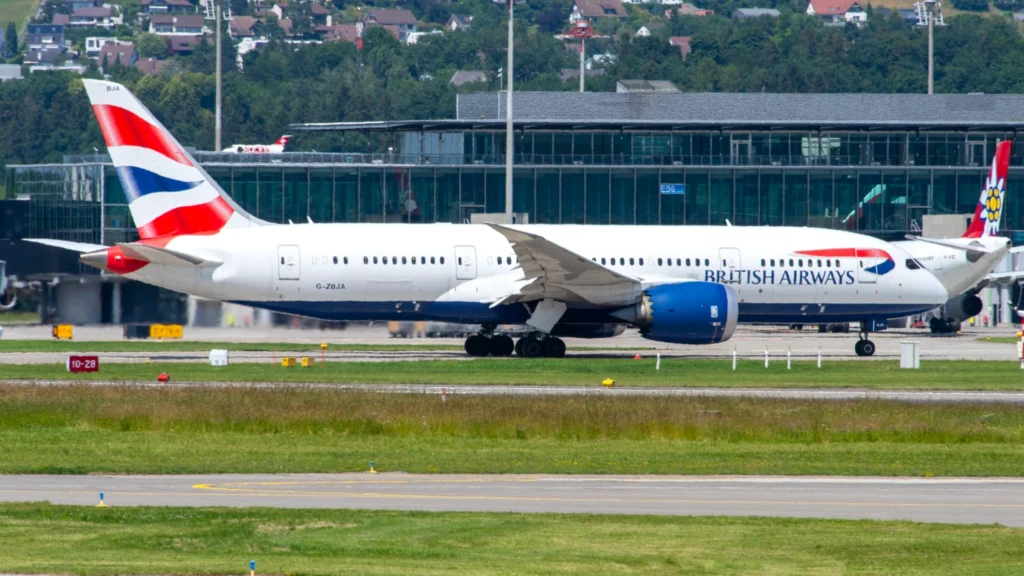
With only days remaining before the rollout, British Airways executed a last-minute reversal. The airline confirmed that it would pause implementation and review employee feedback to develop new standards for wearing the twilly.
According to PYOK, the decision marks another embarrassing U-turn for the carrier, which has faced repeated criticism over appearance and conduct rules in recent months.
This follows a separate incident in which British Airways withdrew new guidelines that appeared to ban pilots and cabin crew from drinking coffee in public and required them to consume water only “discreetly.”
In an internal memo, the airline admitted the guidance had “given the impression” that eating and drinking were prohibited, although it said this was not the intention.
British Airways is once again reviewing its uniform and appearance policies. Recent history suggests that aligning corporate image goals with employee expectations remains a persistent challenge.
Stay tuned with us. Further, follow us on social media for the latest updates.
Join us on Telegram Group for the Latest Aviation Updates. Subsequently, follow us on Google News
