

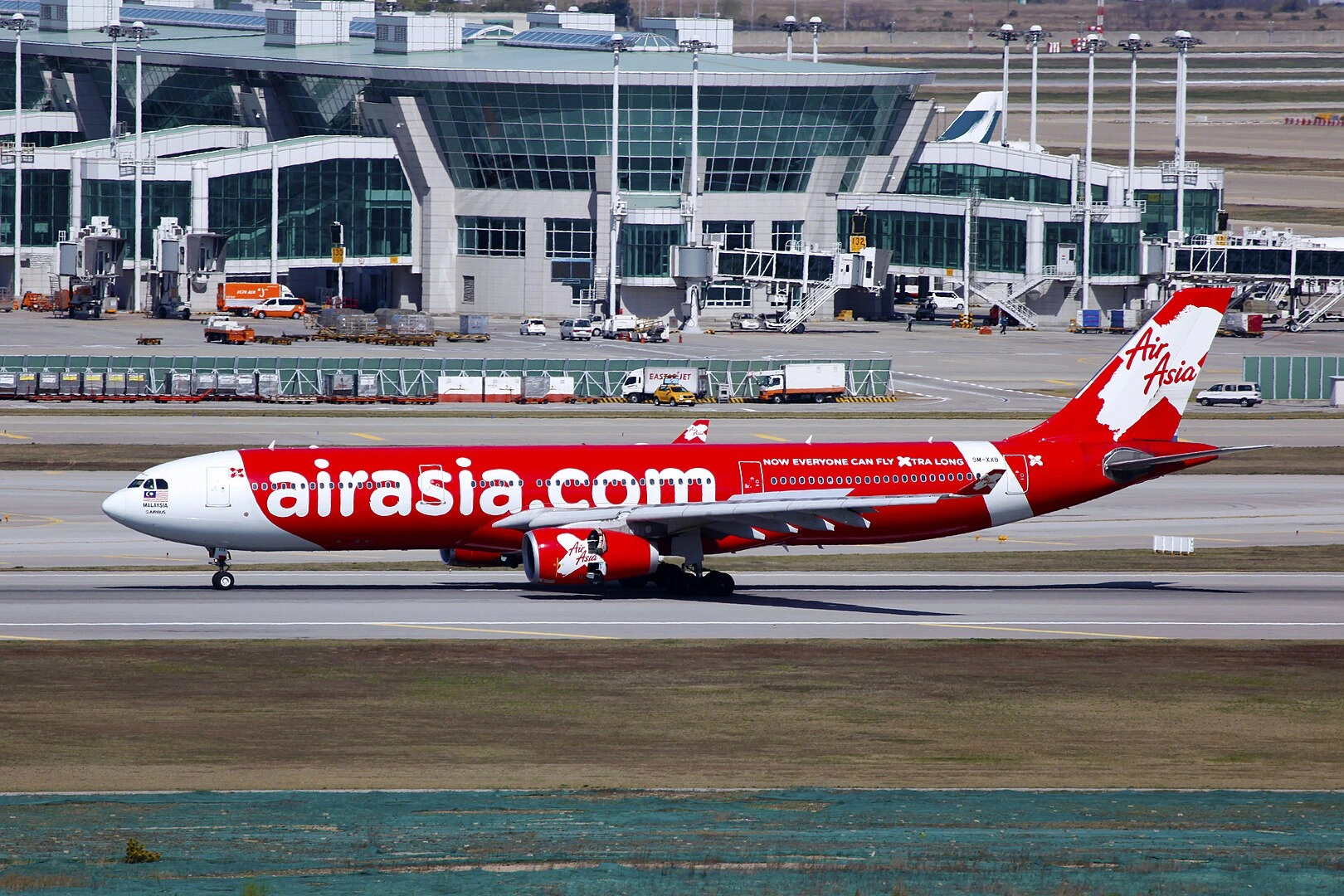
SEPANG— AirAsia X (D7) has confirmed the resumption of direct flights between Kuala Lumpur International Airport (KUL) and Gimhae International Airport (PUS), Busan, reinforcing its long-haul expansion strategy in North Asia. The service will restart on 17 June 2026, restoring nonstop connectivity between Malaysia and South Korea’s largest coastal city.
The four-times-weekly operation will become AirAsia X’s 21st destination overall and its second in South Korea after Seoul. The airline positions the route as a response to sustained travel demand between Southeast Asia and North Asia, while also supporting Malaysia’s inbound tourism objectives ahead of Visit Malaysia 2026.
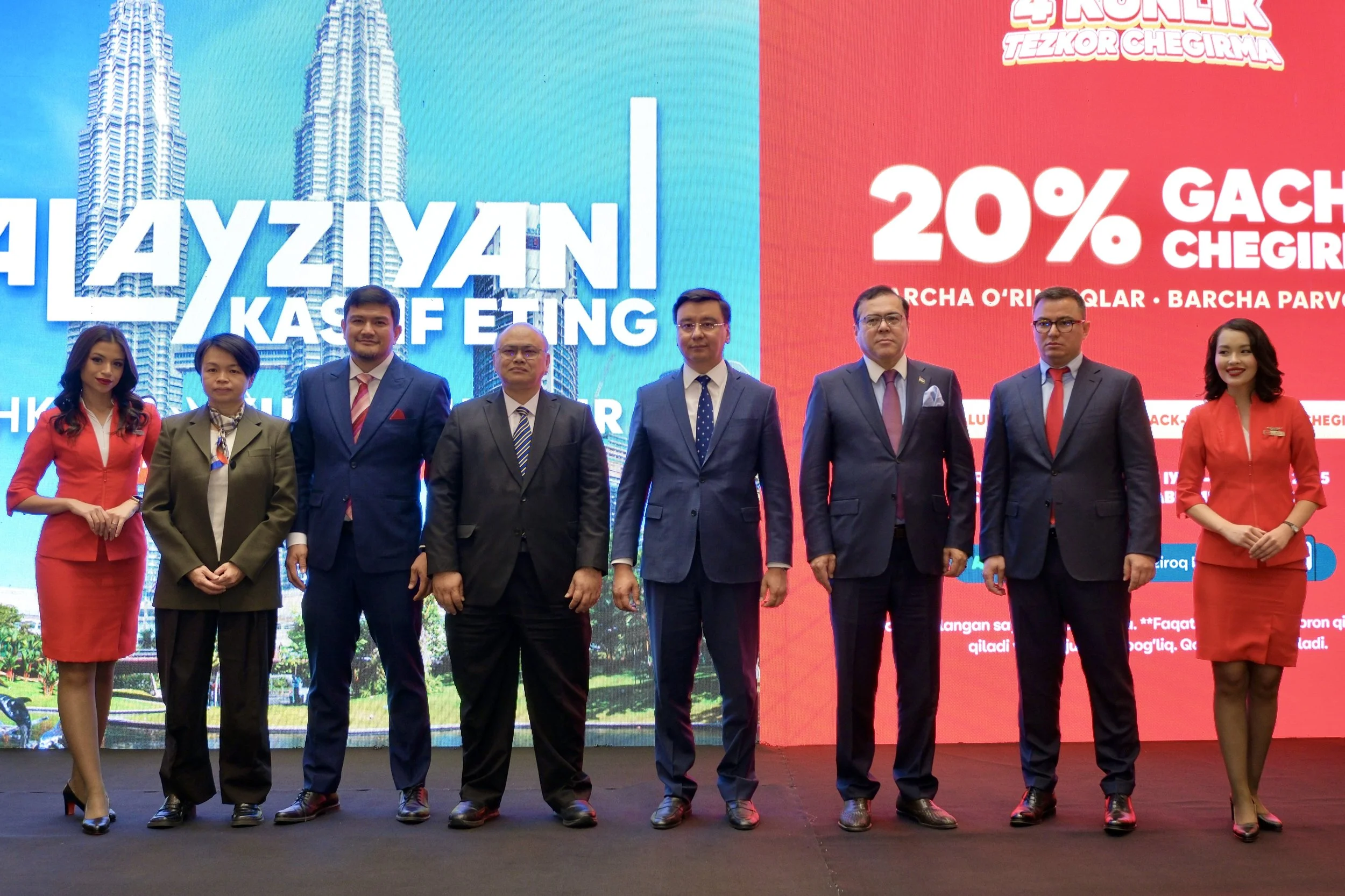
AirAsia X Busan Flights
AirAsia X will operate the Kuala Lumpur–Busan route four times a week, offering a consistent schedule designed to serve both leisure and visiting friends and relatives traffic.
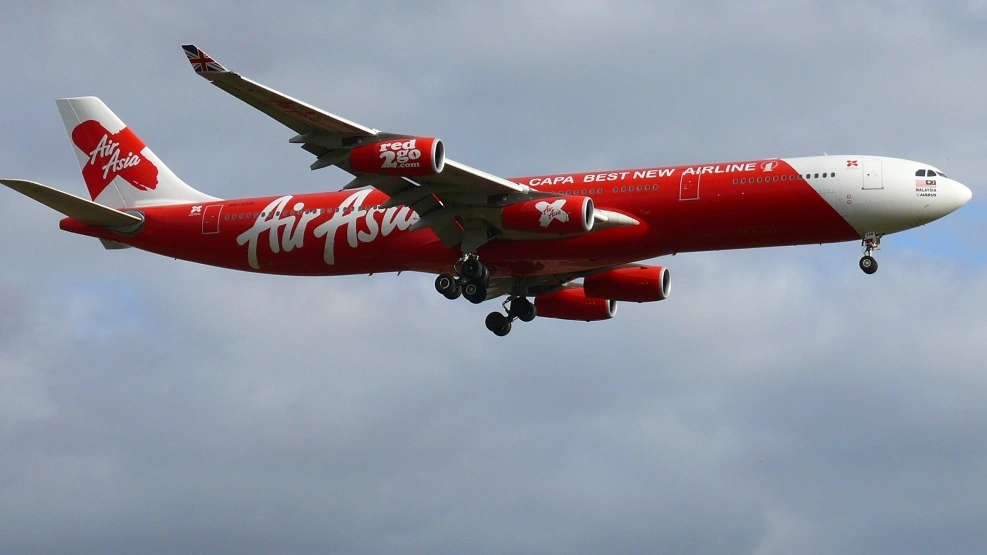
The airline will deploy its Airbus A330-300 fleet on the sector, maintaining a two-class configuration that includes Economy and Premium Flatbed cabins.
The route restoration strengthens AirAsia X’s standing as the only Malaysian carrier offering direct flights between Kuala Lumpur and Busan. It also complements the airline’s existing services to Seoul, allowing AirAsia X to broaden its coverage across South Korea’s key population and tourism centres.
Benyamin Ismail, Chief Executive Officer of AirAsia X, said the route’s return reflects disciplined network growth and renewed confidence in long-haul demand.
He noted that Busan adds depth to the airline’s South Korea presence while enabling more travellers to access affordable long-haul travel options.
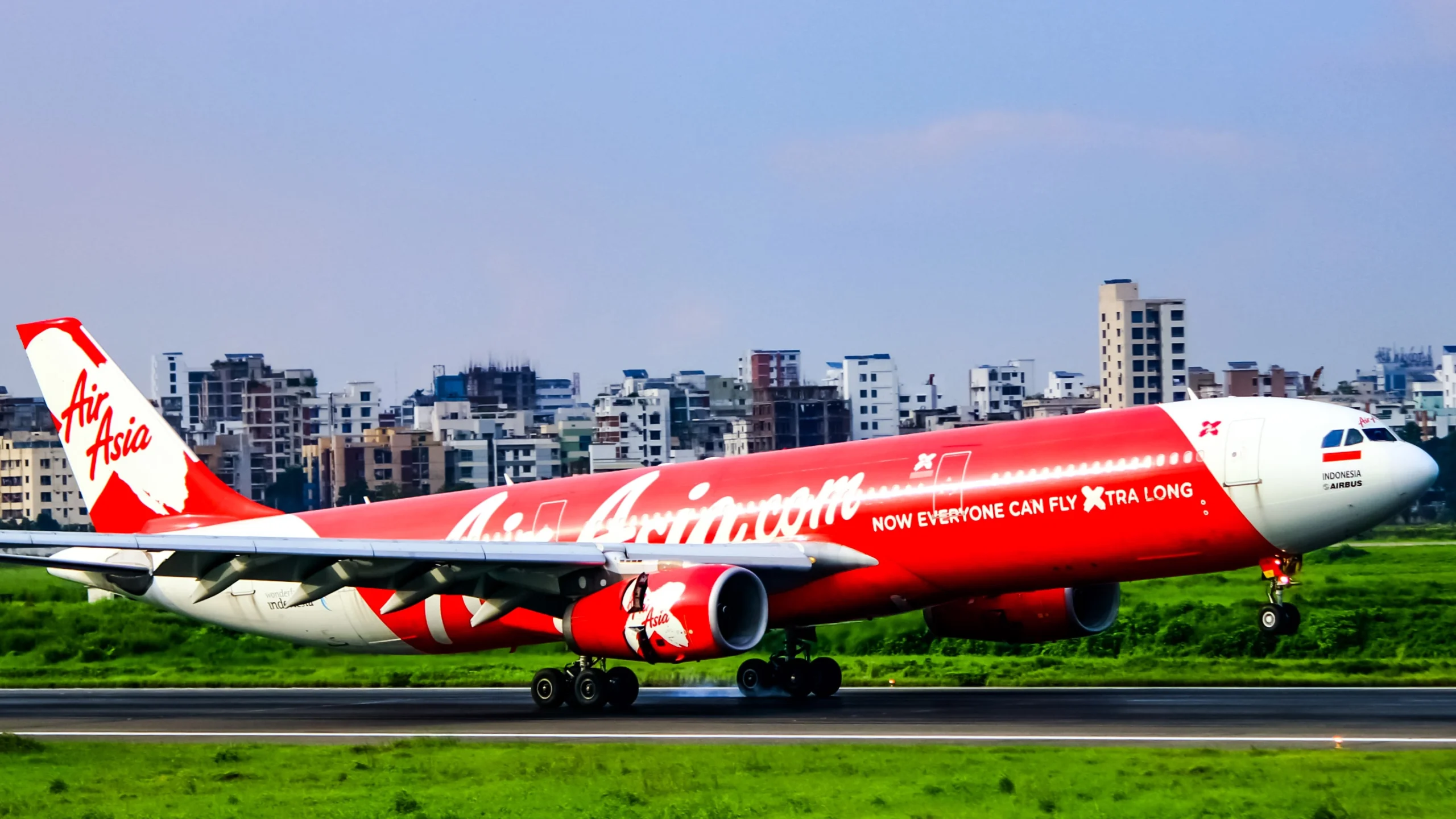
https://commons.wikimedia.org/wiki/File:AirAsia_X_Airlines.jpg
Network and tourism impact
Busan is South Korea’s second-largest city and a major port, cultural hub, and tourism gateway. The city is known for its beaches, mountain scenery, and landmark attractions such as Jagalchi Fish Market and Gamcheon Culture Village, alongside hosting the internationally recognised Busan International Film Festival.
From Malaysia’s perspective, the restored route is expected to contribute to inbound tourism flows, particularly during the Visit Malaysia 2026 campaign. South Korea remains an important source market, and direct air connectivity is viewed as a key enabler for sustaining visitor growth.
For AirAsia X, North Asia continues to represent its strongest growth region.
The airline’s strategy focuses on rebuilding and expanding routes with proven demand, supported by cost-efficient widebody operations and competitive fare offerings.
Promotional Fares
To mark the relaunch, AirAsia X has introduced limited-time promotional fares across both cabin classes. Economy Class fares start from RM299 all-in for one-way travel, while Premium Flatbed seats are available from RM999 all-in for one-way journeys.
The promotional fares are available for booking until 18 January 2026, with travel valid between 17 June and 30 November 2026.
The pricing strategy aligns with AirAsia X’s broader objective of stimulating early demand while reinforcing its value proposition in the long-haul low-cost segment.
The airline expects the combination of competitive fares, direct connectivity, and rising travel demand to support strong load factors once the service resumes.
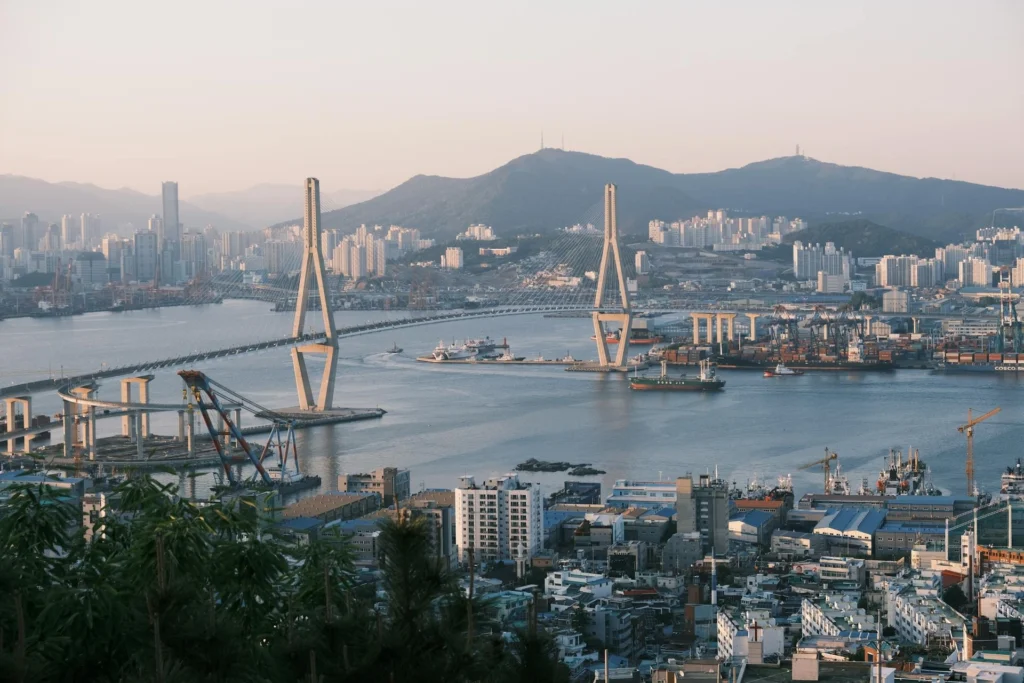
Busan Travel Guide
is a coastal city known for beaches, hillside villages, temples, and modern urban districts spread across a rugged landscape. This three-day itinerary is designed for first-time visitors who want broad coverage without wasting time in transit.
Arriving via Korean Air (KE), Asiana Airlines (OZ), or Air Busan (BX) through Busan Gimhae International Airport (PUS), the city rewards travelers who plan efficiently. This guide explains how to navigate Busan’s layout while seeing its most important attractions in three days.
Understanding Busan’s Geography and Travel Challenges
Busan’s size and terrain define how the city works. Mountains, hills, and a long coastline divide neighborhoods into distinct zones, making travel slower than expected for first-time visitors.
The city expanded rapidly during the Korean War when displaced populations settled wherever land was available. Small hillside communities formed independently and were later absorbed into the city. Today, places like Gamcheon Culture Village, Huinnyeoul Culture Village, and Dakbatgol Mural Village remain residential neighborhoods shaped by that history.
Busan’s metro system is reliable but limited in coverage. Many attractions require additional walking or bus connections. For travelers with limited time, guided day tours and selective use of buses significantly reduce transit delays.
Getting to Busan and Moving Around the City
Arriving by Air or Train
Busan Gimhae International Airport (PUS) serves domestic and regional international routes. The airport light rail connects to Sasang Station, where passengers transfer to Metro Line 2 for access to central districts.
Travelers arriving from Seoul can use the KTX high-speed train from Seoul Station to Busan Station. The journey takes approximately two to three hours.
Navigation apps such as Naver Maps and KakaoMap are essential, as Google Maps has limited functionality in South Korea.
Public Transport and Transit Cards
The T-money card works on buses, metros, and trains nationwide. It can be purchased or reloaded at convenience stores and metro stations and reused across multiple cities.
Where to Stay for a Short Visit
Seomyeon is one of the most practical areas for a short stay. It sits at the intersection of major metro lines, offers direct airport access, and has a dense selection of restaurants and shops.
Hotels in this area also benefit travelers joining guided tours, as many tours use Seomyeon as a central pickup point.
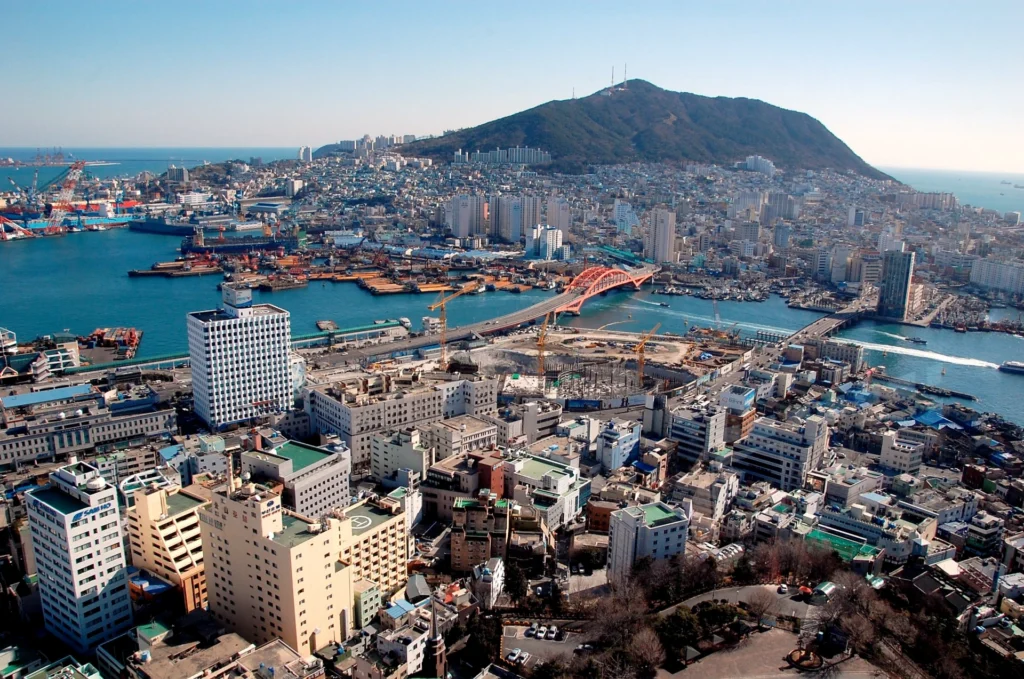
Day 1: Coastal Highlights and Cultural Villages
Guided City Tour Overview
The first day focuses on attractions located far apart and difficult to reach independently. A guided city tour using a minibus allows efficient access to multiple coastal and hillside locations.
Typical stops include Haedong Yonggungsa Temple, Cheongsapo Daritdol Observatory, Haeundae Blueline Park, Huinnyeoul Culture Village, and Gamcheon Culture Village.
Haedong Yonggungsa Temple
This seaside Buddhist temple stands directly on the rocky coast, offering open views of the sea. Unlike most Korean temples, it is not located in the mountains. Entry is free, and early visits help avoid crowds.
Cheongsapo Daritdol Observatory
The glass-floor observation deck extends over the water, providing views of the coastline and surrounding city. The platform is a short stop but adds visual contrast to the day’s itinerary.
Haeundae Blueline Park
The coastal sky capsule ride follows an elevated track above the shoreline. The route between Cheongsapo and Mipo offers consistent ocean views and typically shorter queues when boarded from Cheongsapo.
Huinnyeoul Culture Village
This car-free hillside neighborhood overlooks the bay and features murals, cafes, and narrow pedestrian streets. Its layout and ocean views create a quiet contrast to Busan’s denser districts.
Gamcheon Culture Village
Gamcheon is known for its colorful hillside houses, art installations, and layered streets. Originally a refugee settlement, it has become one of Busan’s most recognizable neighborhoods. Viewpoints near local cafes offer the best perspectives of the village’s layout.
Day 2: Coastal Walks and City Beaches
Oryukdo Park and Skywalk
Oryukdo Park marks the start of the Haeparang-gil coastal trail. Travelers can either walk a longer section of the path or visit the Oryukdo Skywalk, a free glass platform extending over the sea.
Gwangalli Beach and Surroundings
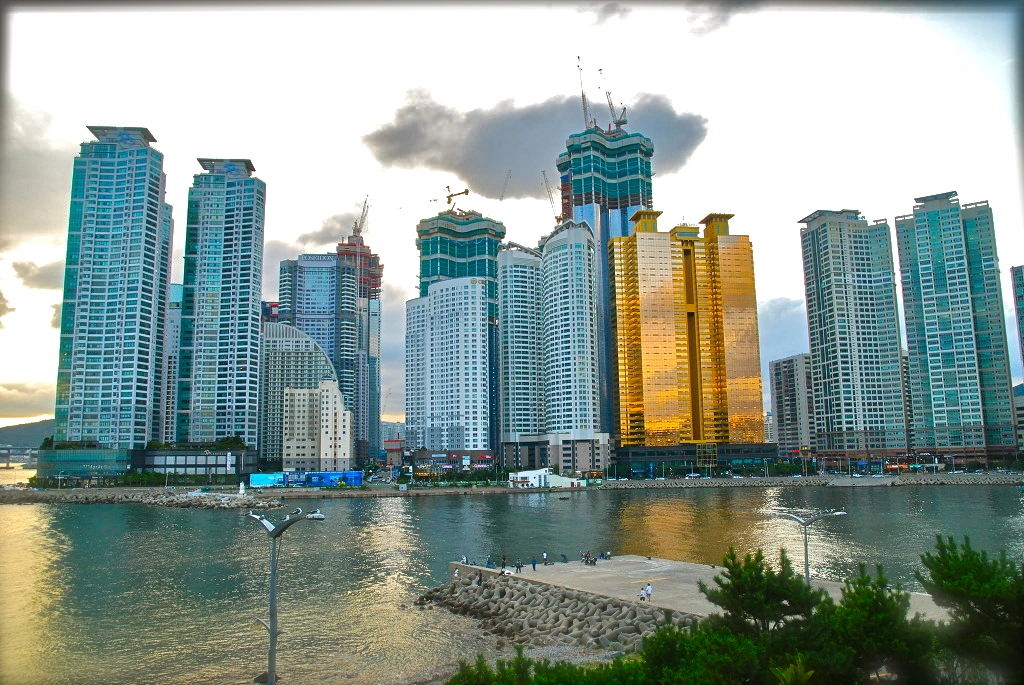
Gwangalli Beach combines an urban skyline with a wide sandy shoreline. The Gwangan Bridge dominates the view, especially after sunset.
Millak Live Fish Sashimi Market is popular with locals who buy fresh seafood and eat it nearby. The surrounding area also features cafes, breweries, and casual restaurants.
Gwangalli Drone Show
On Saturdays, drone light shows take place over the bay. Hundreds of drones form coordinated patterns in the sky, offering a short but memorable evening event during warmer months.
Day 3: Local Neighborhoods and Temples
Dakbatgol Mural Village
This hillside village is accessible by public transport and known for its murals and painted stairways. A small cable car operates within the village to assist elderly residents and may be used by visitors when available.
Nampo District and Busan Tower
The Nampo area serves as a commercial hub with shopping streets, street food, and cultural landmarks. BIFF Square and Gwangbokdong Fashion Street are key pedestrian areas, while Yongdusan Park offers access to Busan Tower.
Samgwangsa Temple
Located on the slopes of Baekyangsan Mountain, Samgwangsa Temple is known for its scale and vibrant architecture. During festival seasons, lantern displays fill the grounds, but the site remains visually striking year-round.
Extending the Itinerary Beyond Three Days
Travelers with additional time can explore attractions such as Songdo Skywalk, Songdo Marine Cable Car, Spa Land Centum City, Taejongdae Park, and the Busan Museum of Art.
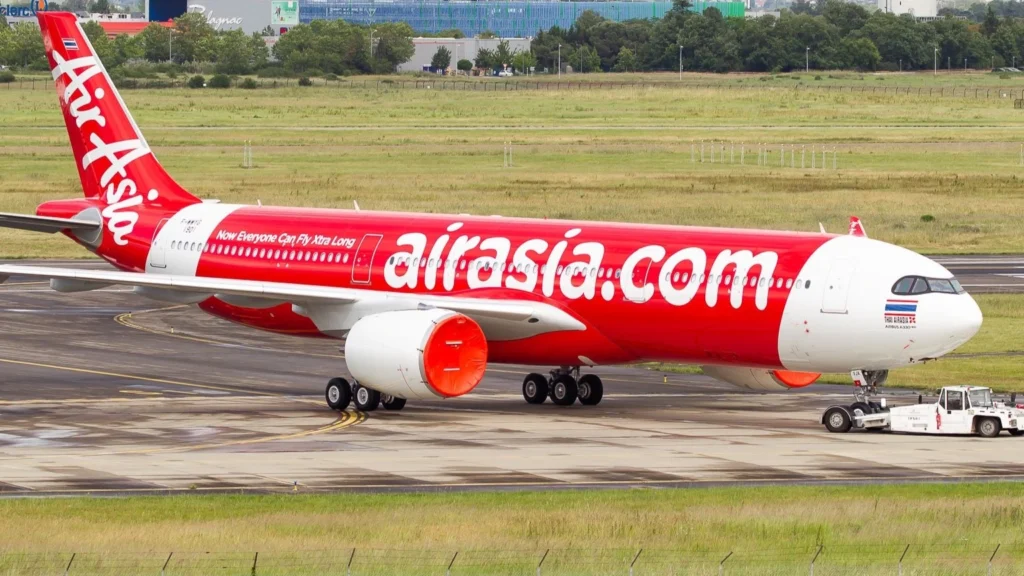
https://commons.wikimedia.org/wiki/File:Air_Asia_X_Airbus_A340-300.jpg
Bottom Line
The resumption of Kuala Lumpur–Busan flights marks a calculated expansion for AirAsia X as it deepens its footprint in North Asia.
With four weekly services, competitive fares, and strategic timing ahead of Visit Malaysia 2026, the route positions the airline to capture both outbound and inbound travel demand while strengthening its long-haul network.
Stay tuned with us. Further, follow us on social media for the latest updates.
Join us on Telegram Group for the Latest Aviation Updates. Subsequently, follow us on Google News
