

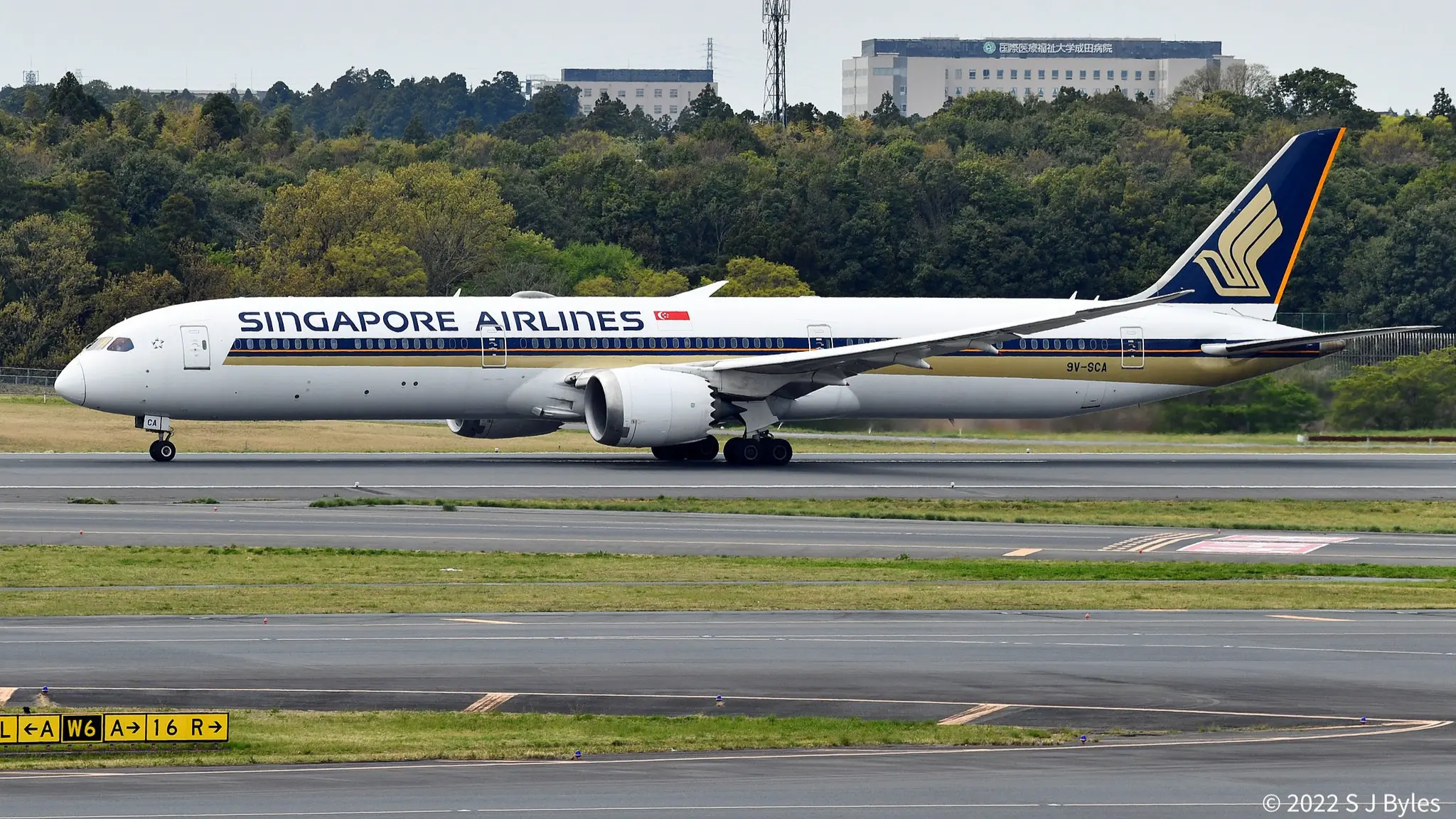
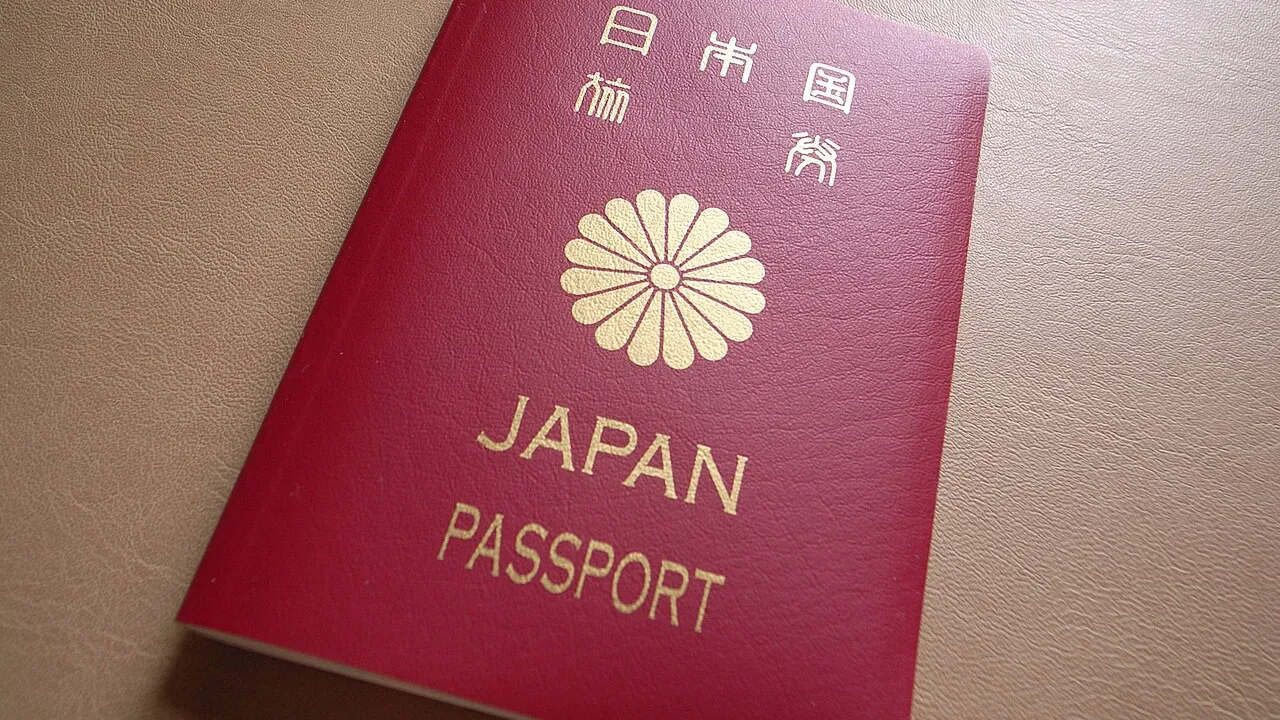
SINGAPORE- A Japanese woman discovered she had lost her passport only a day after arriving in the city-state, following a flight operated by Singapore Airlines (SQ). The incident occurred after she flew from Nagoya to Singapore and cleared immigration without physically presenting her travel document.
The passenger, identified as Nao, arrived at Singapore Changi Airport (SIN) on January 14, 2026, after departing from Nagoya’s Chubu Centrair International Airport (NGO). She later shared her experience on Instagram, highlighting how Singapore’s passport-less immigration system allowed her to exit the airport without realizing her passport was missing.
https://commons.wikimedia.org/wiki/File:Japanese_passport_crimson.jpg
Singapore Airlines Passenger Loses Passport
Nao explained that she had unknowingly left her passport onboard the aircraft. She only became aware of the loss the following morning, after receiving an unexpected email from the airport’s lost and found operator.
According to her account, the flight landed in Singapore at approximately 4:10 pm on January 14. After disembarking, Nao cleared immigration using facial recognition technology and returned home without opening her bag to retrieve her passport.
At 9:29 am the next day, she received an email from SATS’ lost and found department. The message informed her that her passport had been located and was being securely held at the baggage arrival station at Terminal 2.
The email included instructions and a QR code to schedule an appointment for passport collection. Initially, Nao suspected the message was fraudulent, as she had no memory of misplacing her passport and had already passed through immigration controls without issue.

Changi Clearance System
Nao later realized that Singapore’s automated immigration clearance system had enabled her to exit the airport without manual document checks. In her post, she remarked that facial recognition technology was so seamless that she did not notice her passport was missing.
Singapore Changi Airport has progressively expanded biometric clearance for arriving passengers, reducing reliance on physical passport checks.
The system allows eligible travelers to complete immigration formalities using facial data previously enrolled with authorities.
While expressing relief at recovering her passport, Nao also raised concerns about personal data security, reported Mothership.
She questioned how SATS had obtained her email address, though she acknowledged the efficiency and safety of the process and thanked the staff for safeguarding her document.
https://commons.wikimedia.org/wiki/File:9V-STN_Airbus_A330_Singapore_Airlines_(7590243826).jpg
Bottom Line
The incident underscores how advanced airport automation can occasionally mask human error.
While Singapore’s biometric immigration systems enhance efficiency and convenience, travelers remain responsible for safeguarding essential travel documents.
The case also highlights the role of airline and airport ground handlers in promptly recovering and returning lost property.
Stay tuned with us. Further, follow us on social media for the latest updates.
Join us on Telegram Group for the Latest Aviation Updates. Subsequently, follow us on Google News
