


DELHI- Iran-linked airspace restrictions have prompted India’s largest airline, IndiGo (6E), to extend flight suspensions across parts of Central Asia and the Caucasus, deepening the operational impact of regional instability on long-haul narrowbody routes.
IndiGo Airlines confirmed on Tuesday that it has extended the cancellation of flights to and from Tbilisi (TBS), Almaty (ALA), Baku (GYD), and Tashkent (TAS) until February 11, 2026, citing escalating tensions and security concerns linked to developments in Iranian airspace
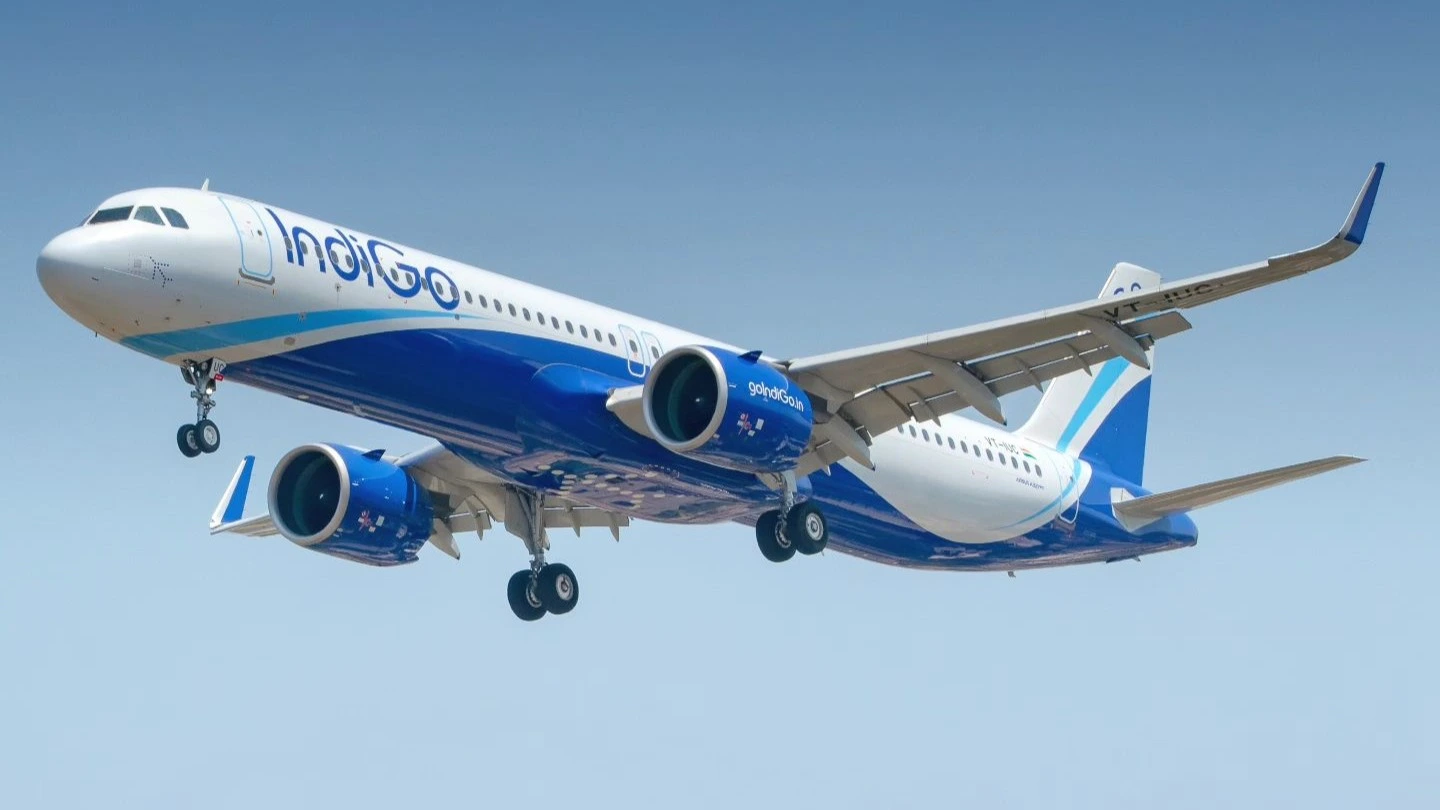
IndiGo Extends Cancellation of Central Asia Flights
IndiGo stated that the extended suspensions are directly linked to its decision to avoid Iranian airspace, which is typically overflown on services between India and destinations in the Caucasus and Central Asia.
In a travel advisory, the carrier said it had made “additional adjustments” to its schedule after monitoring developments around Iran, adopting a proactive safety-first approach.
An airline official noted that rerouting around Iranian airspace significantly increases flight distance and fuel burn, making operations commercially and technically unviable on these sectors.
Key operational factors include:
- The average sector length is six to seven hours on these routes
- Dependence on single-aisle Airbus A320neo aircraft
- Limited fuel reserves for extended detours
As a result, IndiGo opted for cancellations rather than operating flights with restrictive payloads or compromised margins.

A320neo Operational Limits
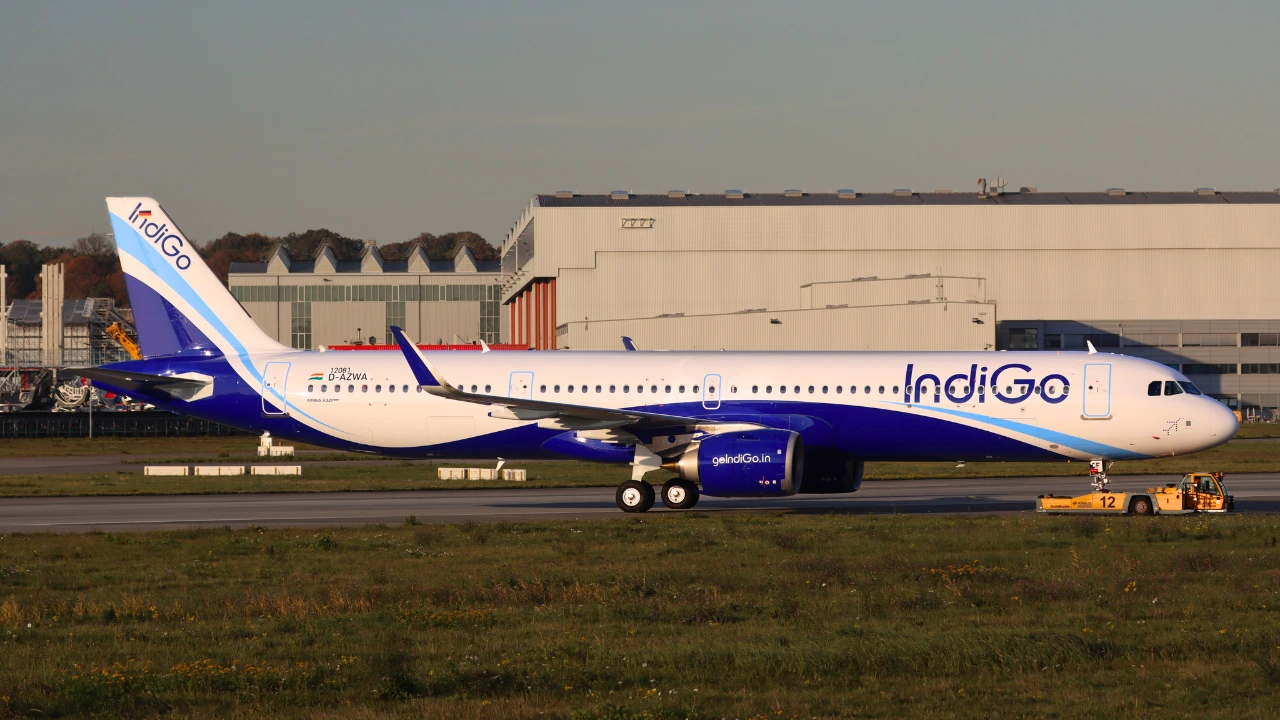
IndiGo deploys Airbus A320neo aircraft on routes to Tbilisi, Almaty, Baku, and Tashkent, reflecting its broader narrowbody-focused international expansion strategy.
While the A320neo offers improved fuel efficiency, its operational range remains sensitive to prolonged diversions, especially when alternate routings require significant detours around restricted airspace.
Aviation analysts note that widebody aircraft can absorb such reroutes more easily due to higher fuel capacity, but IndiGo’s fleet strategy prioritizes cost efficiency and high-frequency narrowbody operations.
The airline has increasingly faced similar constraints in recent years as geopolitical flashpoints disrupt traditional air corridors across Eastern Europe, West Asia, and parts of Africa.
Regional instability impact
The current airspace disruption follows weeks of unrest in Iran, where nationwide protests erupted in late December after a sharp fall in the value of the rial.
The demonstrations spread rapidly across the country and were met with a severe security response, including prolonged internet restrictions and widespread arrests.
International tensions have also escalated, with the United States warning of potential consequences if the crackdown continues, adding another layer of uncertainty for airlines operating near or over Iranian territory.
For global carriers, Iranian airspace represents a critical east-west transit corridor, and any prolonged avoidance has ripple effects across scheduling, fleet utilization, and network planning.
Bottom Line
IndiGo’s decision to extend cancellations until February 11 underscores how geopolitical instability can directly constrain airline operations, particularly for carriers reliant on narrowbody aircraft for medium- to long-haul international routes.
As long as Iranian airspace remains off-limits, services to parts of Central Asia and the Caucasus are likely to remain vulnerable to further disruption.
Stay tuned with us. Further, follow us on social media for the latest updates.
Join us on Telegram Group for the Latest Aviation Updates. Subsequently, follow us on Google News
