

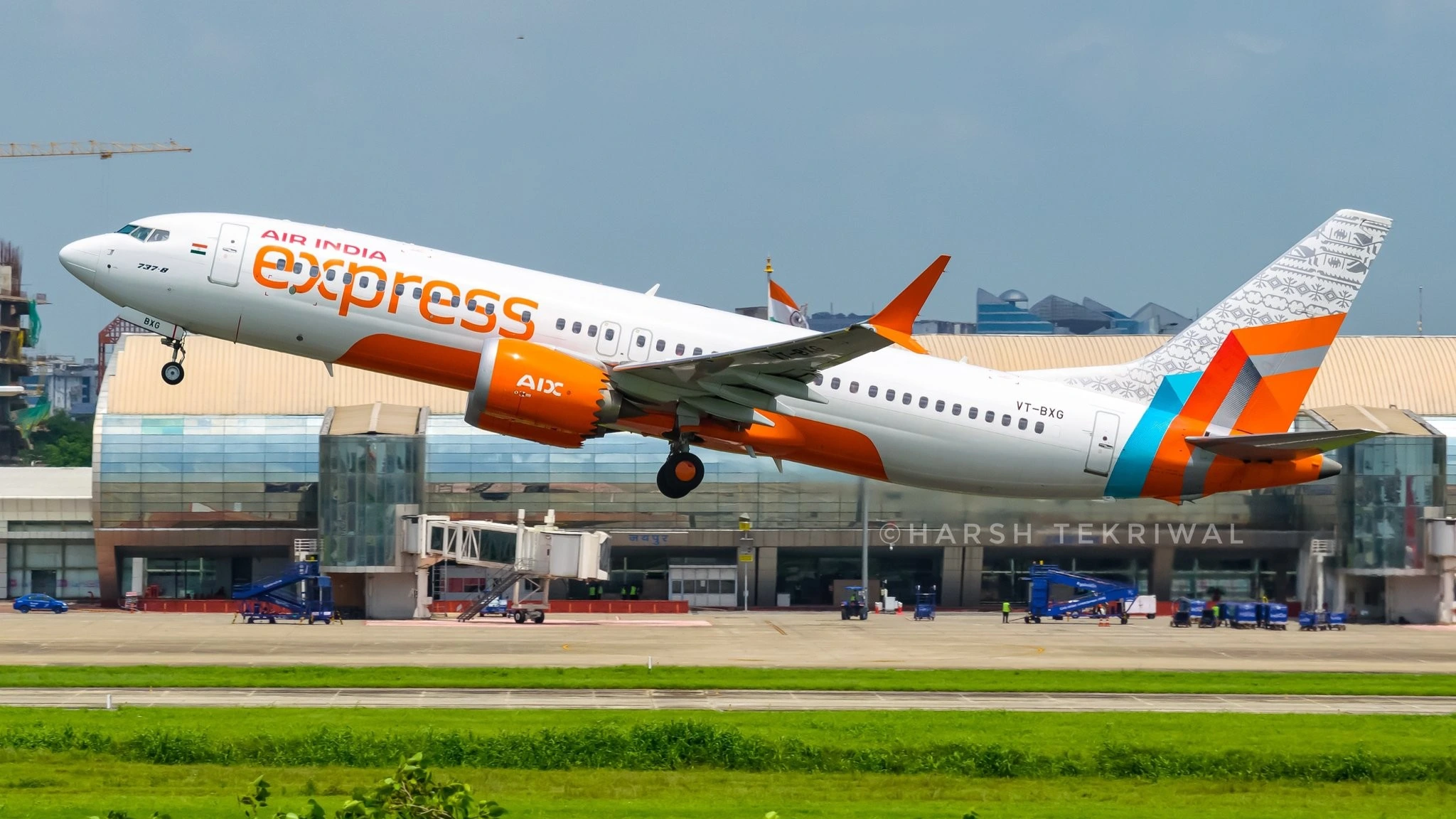
BENGALURU- Air India Express (IX) is continuing its rapid network reshaping under the Tata Group’s consolidation strategy. The latest developments clearly underline where the airline’s future focus lies. While some cities are seeing capacity reductions and route exits, others—particularly Bengaluru—are emerging as key growth hubs for the low-cost airline operator.
Recent slot filings and schedule updates indicate a major realignment for the Summer 2026 season. One of the most notable changes includes Air India reducing its operations, with the freed-up capacity being redeployed by Air India Express to launch new international routes.
At the same time, the airline’s footprint in Hyderabad continues to shrink, shifting away from secondary hubs in favor of fewer, stronger bases.
Air India Express Enhances Bengaluru Flights
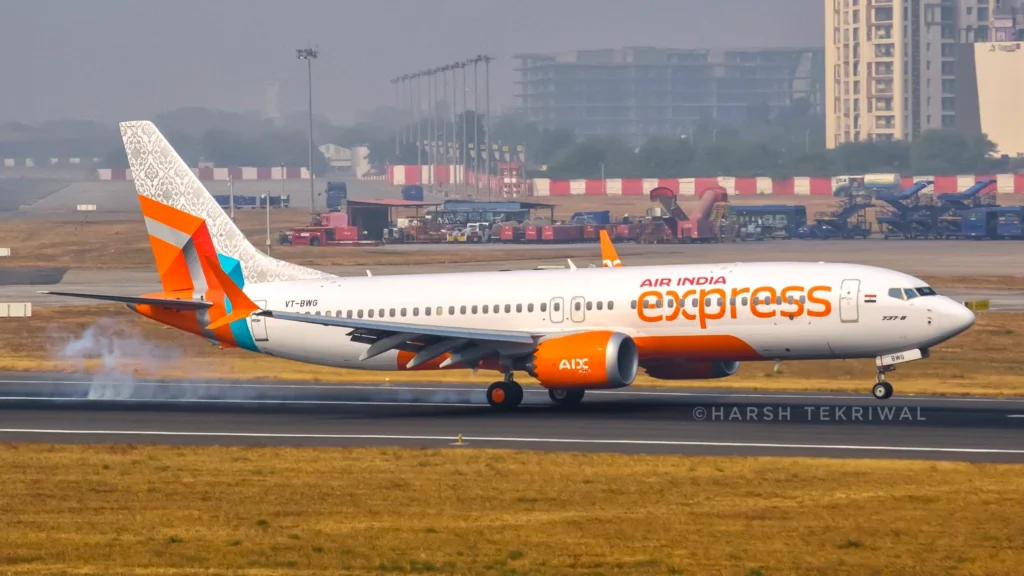
Air India Express will significantly strengthen its international presence from Bengaluru starting Summer 2026 with the launch of daily services to both Doha and Dubai. As per the latest slot filings, the airline will operate daily Boeing 737-8 services on the Bengaluru–Doha and Bengaluru–Dubai routes.
Schedule:
Bengaluru – Dubai, IX 920 will depart from Bengaluru at 08:10 pm IST and will reach Dubai at 10:40 pm local time. The return flight IX 921 will depart from DXB at 11:40 pm local time and will land in Bengaluru the next day, early morning at 05:25 am IST.
The Bengaluru – Doha, IX 999 will depart from Bengaluru at 08:35 pm IST and will reach Doha at 10:25 pm local time. The return flight IX 998 will depart from Doha at 11:35 pm local time and will land in Bengaluru the next day, early morning at 06:15 am IST.
Air India to Reduce Flights
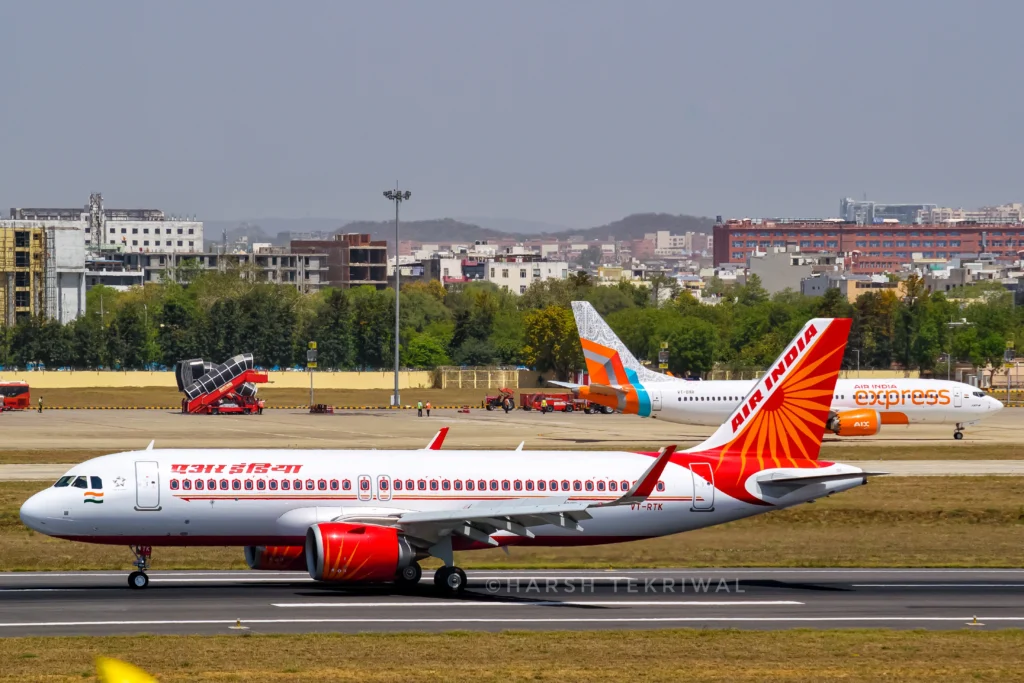
As per the latest slot filings for Summer 2026, Air India is set to reduce its Mumbai–Doha service from twice daily to once daily.
The reduction marks a notable change on one of the most competitive India–Gulf routes, traditionally dominated by full-service and hybrid carriers.
The freed-up slots are expected to be utilised by Air India Express, which plans to launch Bengaluru–Doha services from Summer 2026. This move aligns with the Air India Group’s strategy of shifting short- and medium-haul international operations increasingly towards Air India Express, while Air India focuses more on long-haul and premium-heavy routes.
For Dubai, Air India will end its Chennai – Dubai flights from the summer of 2026. Air India Express will be getting the slots, and the airline will use them to fly on the Bengaluru – Dubai sector. For an airline building a hub, Dubai was always a no-brainer route.
Bengaluru Emerges as Air India Express’ Strongest Hub
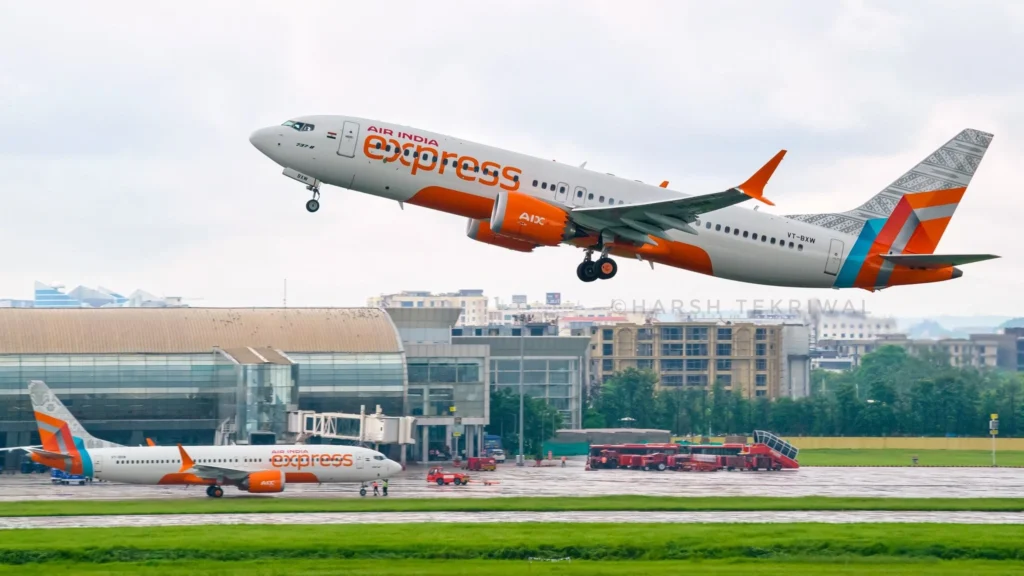
With the addition of Doha and Dubai in Summer 2026, Bengaluru is fast becoming Air India Express most important hub in the country.
As of now, the airline operates to 43 destinations from Bengaluru, which includes 36 domestic destinations and 7 international destinations. With the planned additions of Dubai and Doha in Summer 2026, the international tally will rise to 9 destinations, further strengthening BLR’s role as a major international gateway for the airline.
Bengaluru offers a unique mix of High business travel demand, with its strong IT and corporate traffic, and large expatriate population. The city has high outbound leisure demand and offers consistent year-round load factors.
Unlike some seasonal markets, Bengaluru provides stable traffic across both domestic and international routes. This makes it ideal for sustained narrowbody operations, particularly on medium-haul Gulf routes.
Air India Express has also benefited from better slot availability compared to Mumbai or Delhi and strong feed from Tier-2 and Tier-3 cities. The addition of new flights fits neatly into this strategy, complementing existing Gulf routes while strengthening the airline’s presence in West Asia.
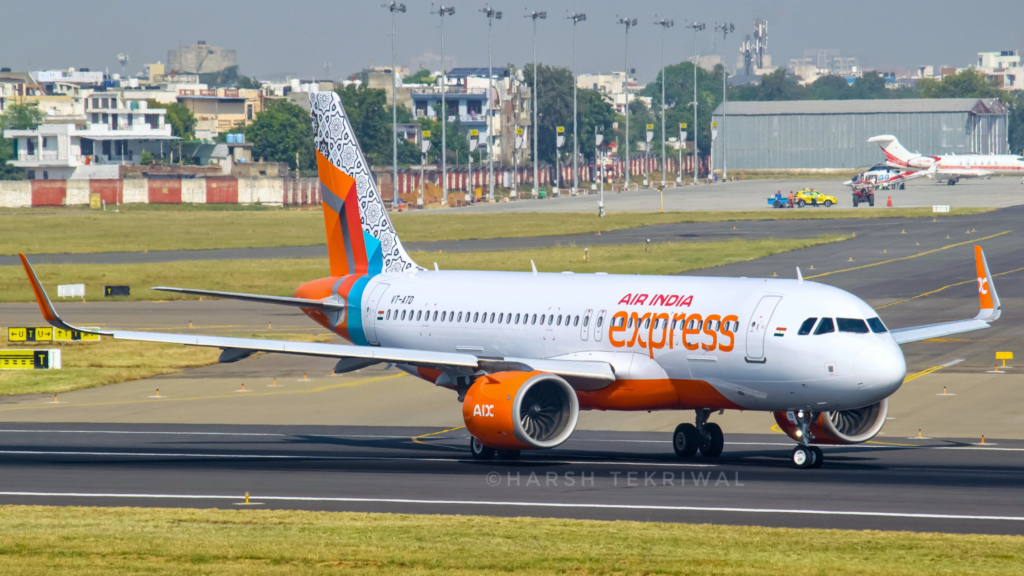
Hyderabad Network Continues to Shrink Sharply
While Bengaluru continues to grow, Hyderabad tells a very different story. Air India Express’ network from Hyderabad has seen a significant contraction going into Winter 2025 and further into early 2026.
Until October 2025 (Winter 2025), Air India Express operated close to about 21 destinations. By January 2026, this was reduced to just 9 destinations. Average daily departures are down from about 25 in October to 15 in January.
This represents a sharp downsizing for a city that once had Air India Express’ strong presence. Slot data clearly shows multiple route withdrawals and frequency reductions, particularly on domestic sectors. Several international routes have either been suspended or downgraded in frequency.
The reduction appears to be structural rather than seasonal, indicating a long-term repositioning rather than a temporary adjustment.
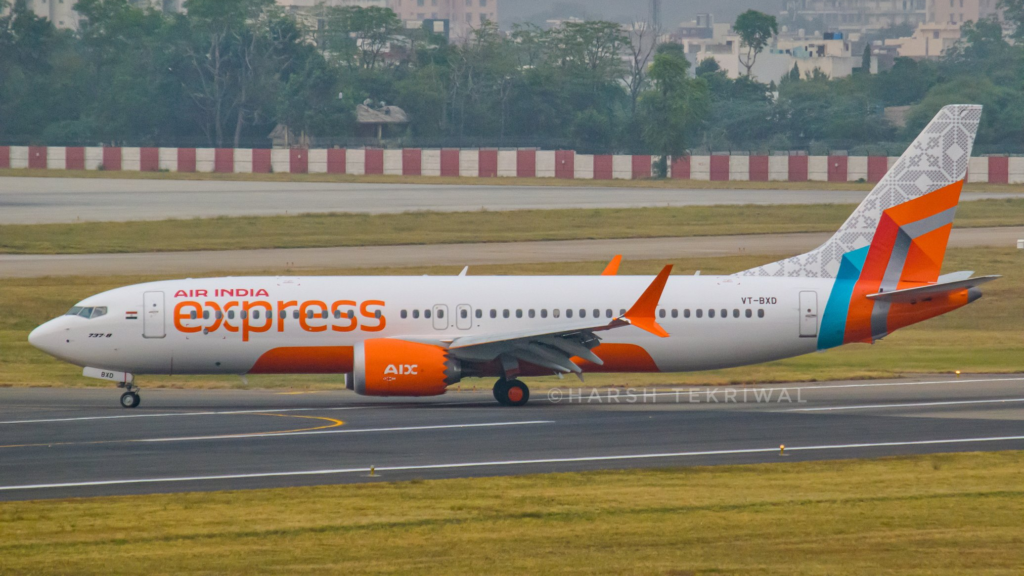
Chennai & Kerala Airports Also Seeing Gradual Reductions
Hyderabad is not alone. Chennai, another city that had a strong presence of Air India Express, has also seen reduced frequencies on select routes. The airline has been rationalizing the underperforming sectors from Chennai. Further, Chennai has seen the biggest hit in international networks. The airline has completely withdrawn overseas operations.
Air India Group once operated a handful of international flights to cities like Dammam, Kuwait, Muscat, Colombo, etc. A few of the Kerala Airports have also seen reductions, but not significant ones.
The airline seems to be prioritising Bengaluru (Primary Hub), Kerala airports (Kochi, Kozhikode, Kannur) & select North Indian cities. This aligns with traffic patterns where labour and VFR demand are strongest.
Potential Reasons for This Shift
There could be multiple factors contributing to the decline in Air India Express’ network:
1. Overlapping Capacity with IndiGo
Hyderabad & Chennai are heavily dominated by IndiGo. IndiGo offers higher frequencies and better overall connectivity from these airports.
Competing head-on with IndiGo on domestic routes has proven increasingly difficult for Air India Express, especially without a strong connecting international hub model. This could be the reason why the airline is now focusing on building a defined hub in Bengaluru.
2. Network Rationalisation Post-Merger
Post the Air India–Vistara–AIX consolidation, Air India has clearly chosen to concentrate on international narrowbody flying into select hubs. The airline seems to be operating Middle East flights from Delhi and Mumbai. Air India seems to be avoiding spreading aircraft thinly across multiple secondary bases.
3. Better Economics Elsewhere
Cities like Bengaluru offer strong Gulf-bound traffic along with strong domestic demand. This will, in turn, help airlines create a Hub. Hyderabad & Chennai, despite their size, do not always offer the same yield balance for low-cost international flying.
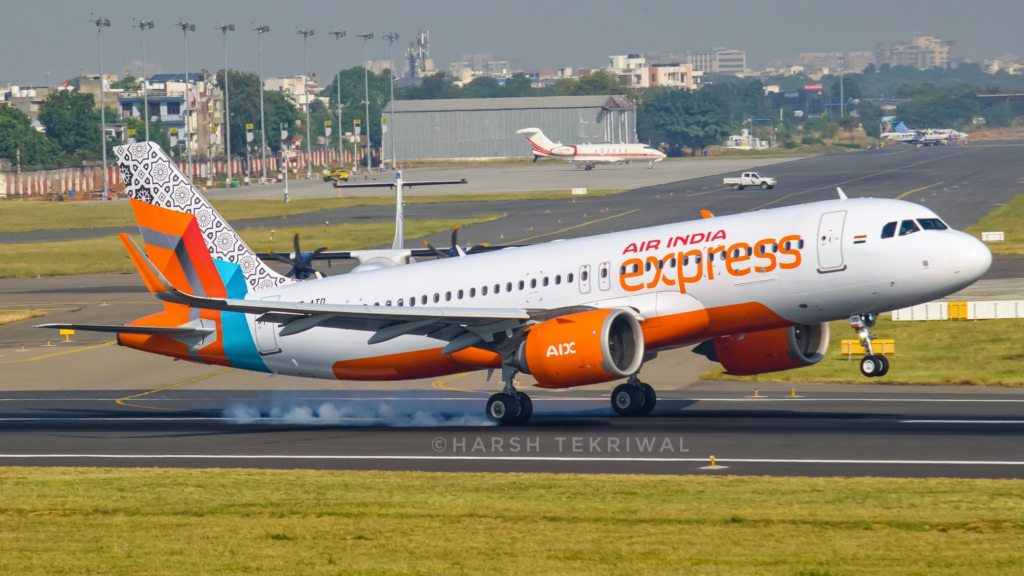
Strategic Shift: Fewer Hubs, Stronger Focus
What we are witnessing is a clear strategic shift. Rather than operating a wide but shallow network, Air India Express is now focusing on fewer hubs, which will enable higher aircraft utilization while providing the ability to compete with IndiGo to some extent. This can help Air India Express to better align with Air India’s long-haul network.
So far, it seems like the strategy will be that Air India will handle long-haul and premium traffic while Air India Express focuses on short- and medium-haul leisure and VFR markets. This should help with network overlap.
Looking ahead to Summer 2026 and beyond, Bengaluru will continue to grow as a major Air India Express international hub. Doha and Dubai additions will strengthen Gulf connectivity. Other cities will have a limited role, with a smaller network. The strategy also suggests that Air India Express is trying to position itself as a strong hub carrier, rather than a multiple focus-cities airline trying to be everywhere at once.
Stay tuned with us. Further, follow us on social media for the latest updates.
Join us on Telegram Group for the Latest Aviation Updates. Subsequently, follow us on Google News
