

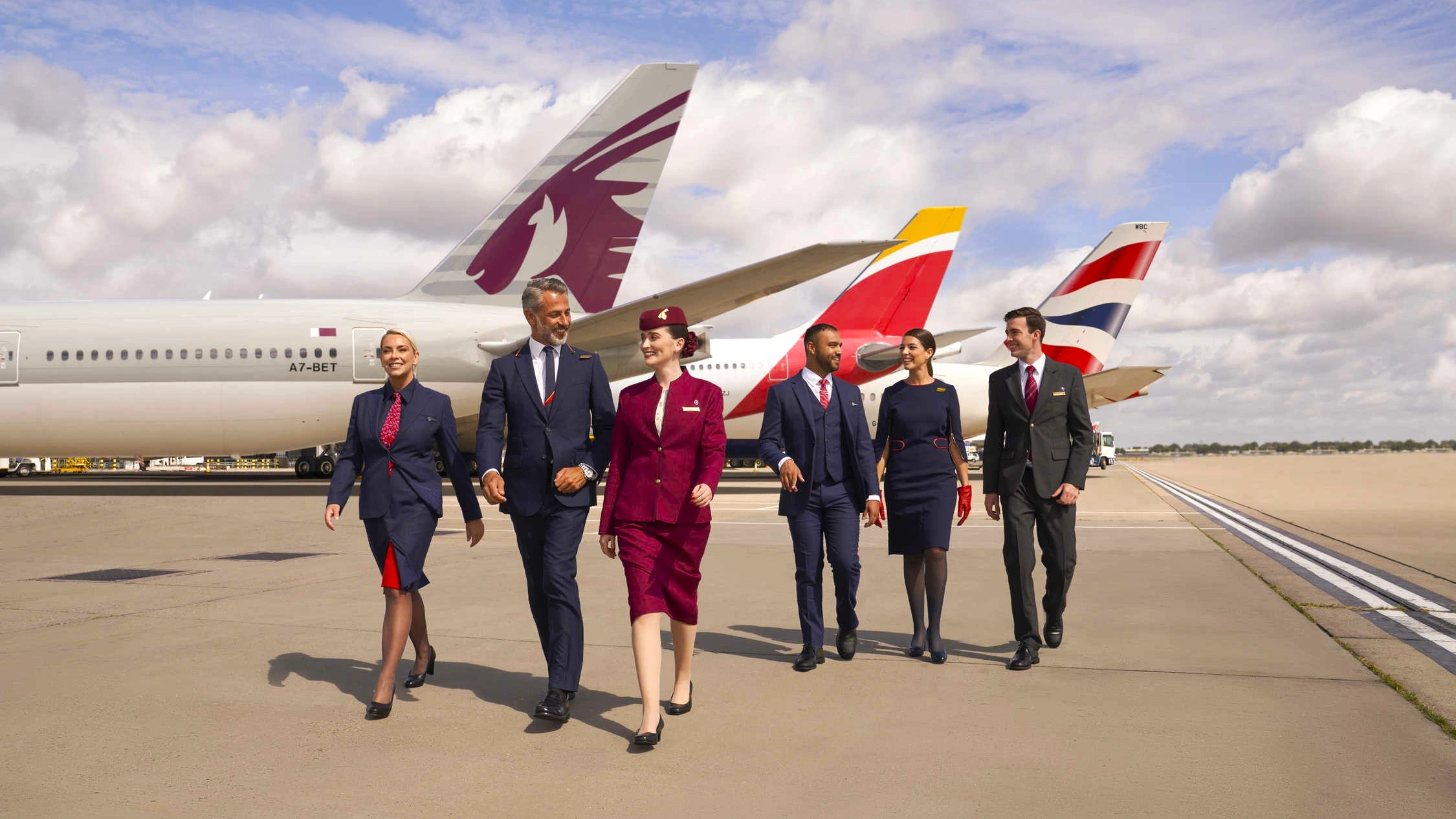
LONDON- British Airways (BA) is headquartered operationally in London, while its parent company, International Airlines Group, is based in Madrid. The airline operates primarily from London Heathrow Airport (LHR), while its sister carrier, Iberia (IB), is centered at Madrid Barajas Airport (MAD).
The belief that British Airways is controlled directly by Spain overlooks how IAG is structured, where decisions are made, and how leadership is distributed across the group.
How British Airways Became Part of IAG
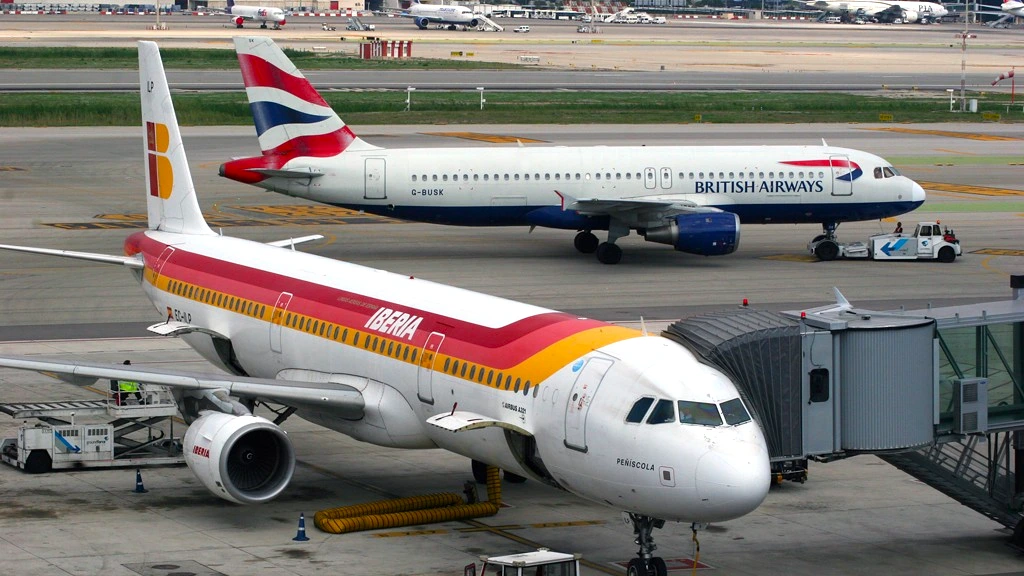
British Airways’ connection to Spain began during a wave of airline consolidation across Europe in the late 2000s. Facing financial pressure and rising competition, British Airways sought a strategic partner to stabilize its future.
In 2009, British Airways and Iberia announced plans to merge. The deal was completed in 2011, creating International Airlines Group, commonly known as IAG. British Airways and Iberia remained separate brands, each with its own operating certificate, fleet strategy, and labor agreements.
Willie Walsh, then CEO of British Airways, became the first chief executive of IAG. The merger was structured as a merger of equals, not an acquisition by either side.
Why IAG Is Headquartered in Madrid
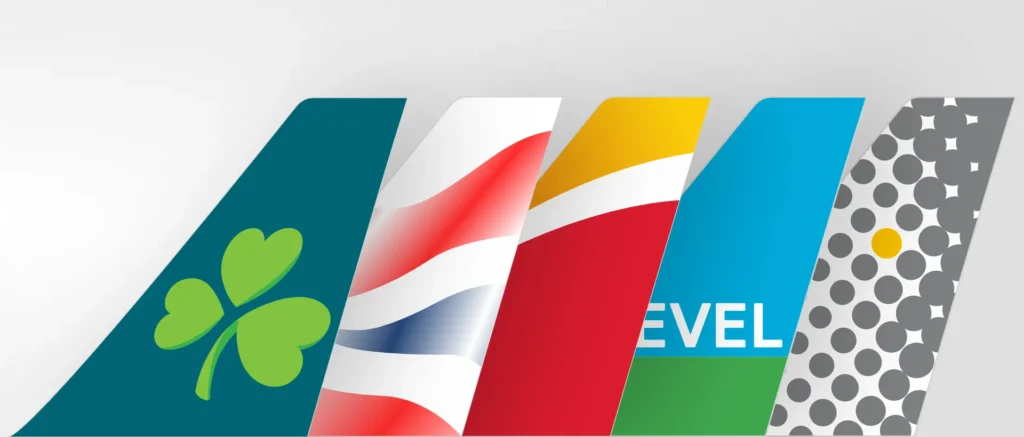
IAG was incorporated and headquartered in Madrid for several practical reasons. At the time of the merger, Iberia had already completed a major restructuring and was in a stronger financial position than British Airways.
Spanish corporate law also allowed for a simpler holding company structure. Another factor was regulatory risk. With uncertainty growing around the United Kingdom’s future in the European Union, placing the parent company inside an EU member state protects traffic rights and ownership rules.
According to PYOK, this decision was primarily strategic and legal, not cultural or political.
Where Decisions Are Actually Made
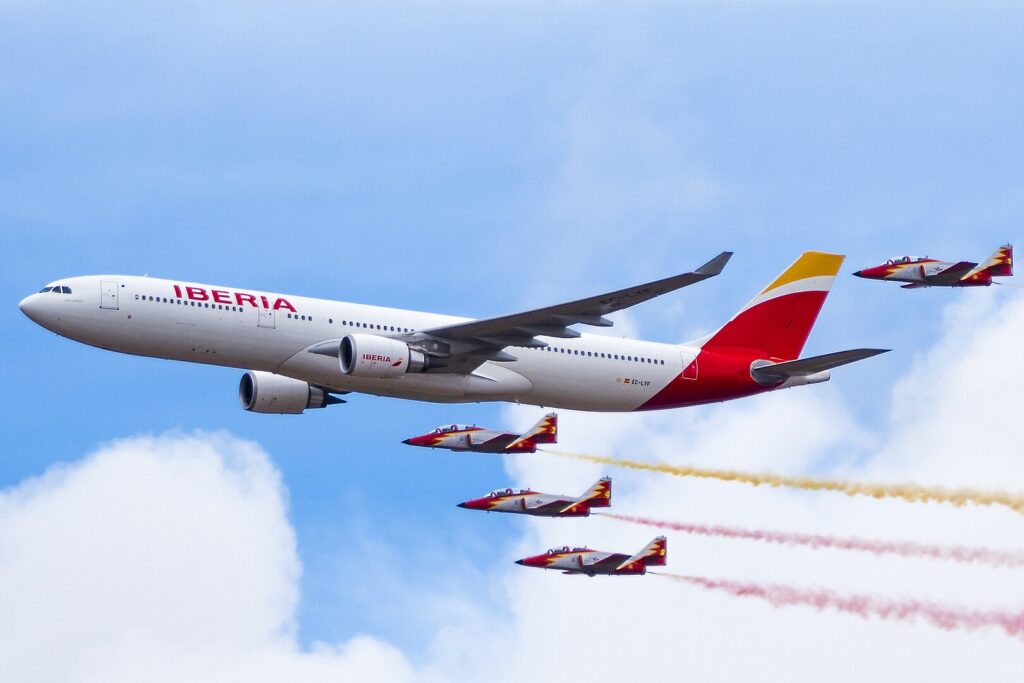
Although IAG is registered in Spain, much of its senior management operates from London. Key executives work from British Airways’ Waterside campus near Heathrow Airport.
IAG shares are traded on both the London Stock Exchange and the Madrid Stock Exchange. This dual listing reflects the group’s multinational identity rather than dominance by any one country.
The current IAG CEO, Luis Gallego, previously led Iberia but now lives and works in London. Several other senior leaders are also based in the UK, reinforcing London’s role as a major decision-making center.
Leadership Nationality in Global Aviation
British Airways has not had a British chief executive since 2005. This is often cited as evidence of foreign control, but the pattern is common across global aviation.
Major airlines are frequently led by executives from outside their home countries. Air India is run by a New Zealander, IndiGo by a Dutch executive, and Qantas was led for years by an Irish CEO. Emirates has long been headed by a British national.
Nationality alone does not determine corporate priorities or operational control.
Is Spanish Influence a Fair Concern?
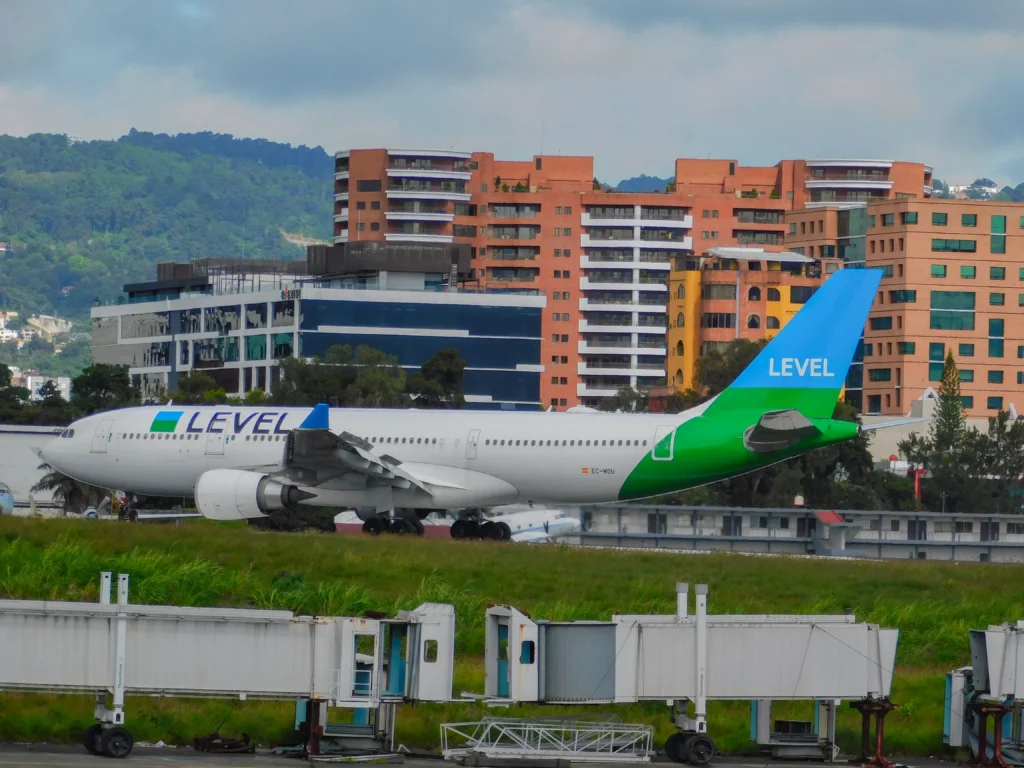
Concerns about IAG’s focus are not entirely unfounded. In recent years, the group has invested heavily in Spain and Latin America. This includes the acquisition of Vueling, the launch of LEVEL from Barcelona, and repeated attempts to buy Air Europa.
British Airways has had to compete internally for fleet investment and network expansion. At the same time, IAG has pursued growth opportunities where returns appear strongest.
Most recently, IAG has expressed interest in acquiring TAP Air Portugal, contingent on gaining a controlling stake. This signals continued emphasis on southern European and transatlantic markets rather than a shift away from British Airways.

The Reality Behind the Ownership Question
British Airways is not owned by Spain, nor is it independently British. It is part of a multinational airline group designed to balance regulatory access, capital efficiency, and market growth.
IAG’s structure reflects modern aviation economics rather than national allegiance. Control is shared, decisions are distributed, and British Airways remains a central pillar of the group, even as Spain plays a significant strategic role.
Stay tuned with us. Further, follow us on social media for the latest updates.
Join us on Telegram Group for the Latest Aviation Updates. Subsequently, follow us on Google News
