


SINGAPORE- World’s best carrier, Singapore Airlines (SQ) waged a four-decade battle to establish profitable routes to Canada, enduring political disputes, two complete withdrawals, and restrictive bilateral agreements. Despite launching services to Vancouver (YVR) in 1988 and Toronto (YYZ) in 1991, the carrier no longer operates any Canadian flights as of 2026.
Air Canada (AC) now stands as the sole operator between Singapore (SIN) and Canada, running five weekly flights to Vancouver using Boeing 787-9 aircraft. The reversal marks a dramatic end to Singapore Airlines’ long struggle for the Canadian market, Mainly Miles exclusively reported.
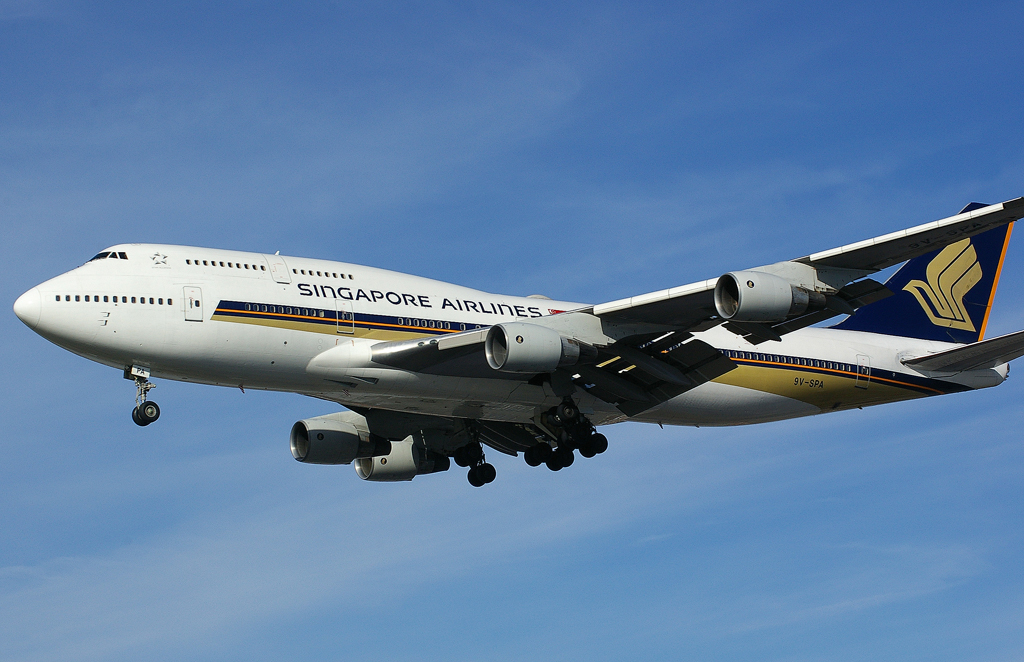
Restrictive 1984 Agreement Blocked Singapore Airlines
Singapore and Canada signed their first bilateral air services agreement in January 1984 after years of negotiations. The deal appeared balanced on paper, granting Singapore Airlines, Air Canada, and Canadian Pacific rights to operate direct services between the two countries with unlimited traffic rights and fifth freedom approvals.
Canada’s divided world aviation policy split international routes between Air Canada and Canadian Pacific. Air Canada controlled Atlantic routes while Canadian Pacific managed Pacific operations. Singapore Airlines mistakenly assumed this restrictive policy would soon end.
The 1984 agreement placed severe limitations on Singapore Airlines. On Atlantic routes, the carrier could serve Toronto only via Montreal’s Mirabel Airport, an economically unviable requirement. The airline faced bans on operating through Greece, Italy, or the Netherlands as these fell under Canadian Pacific territory. British authorities refused the fifth freedom rights between London and Toronto.
Pacific route restrictions proved equally damaging. Singapore Airlines could serve Vancouver via Tokyo or Hong Kong only after Canadian Pacific launched its own Singapore service. Canadian Pacific showed no urgency to begin flights, effectively blocking Singapore Airlines from the market.
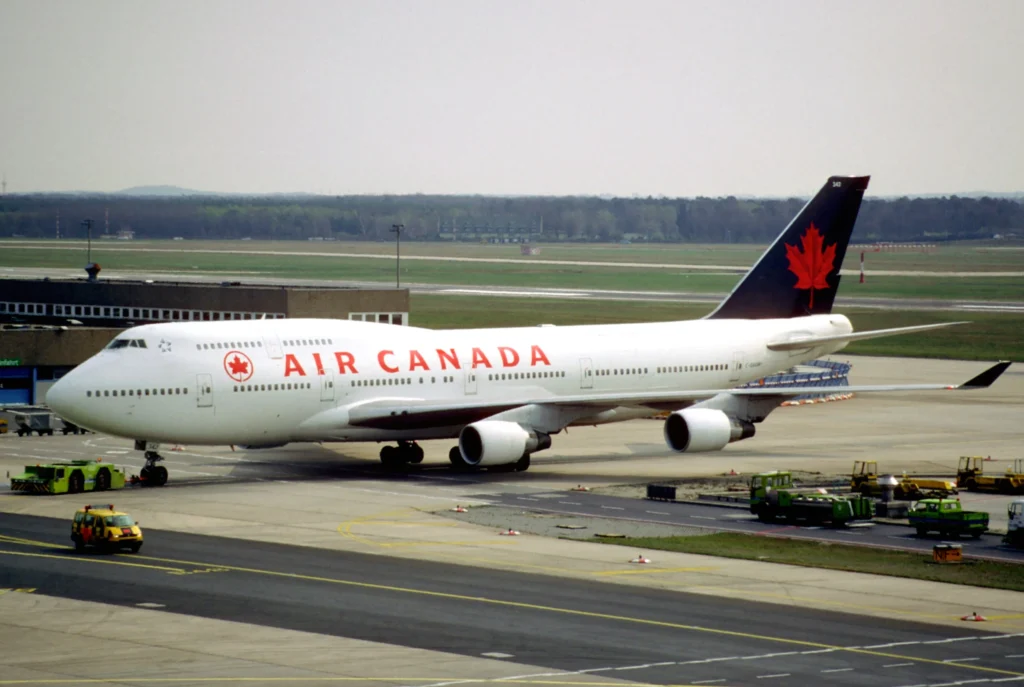
Air Canada Launches While Singapore Airlines Remains Grounded
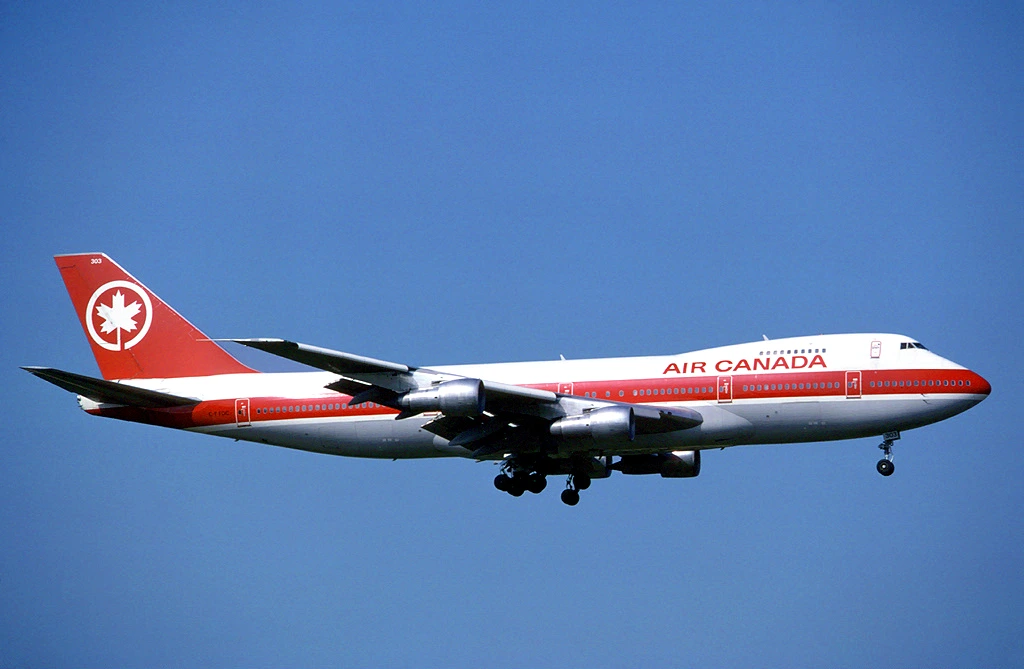
Air Canada began Toronto to Singapore service on January 15, 1985, operating thrice weekly using Lockheed TriStar aircraft via London and Bombay. The 214-seat configuration included 12 sleeper seats in First Class.
By April 1986, the carrier increased frequencies to four weekly flights, reporting 74% load factors and near capacity Business Class bookings.
Singapore Airlines watched from the sidelines as Air Canada profited from the bilateral agreement for six years without reciprocal service. Lim Chin Beng, Singapore Airlines Deputy Chairman, questioned whether Singapore had been too generous, noting Air Canada was profiting significantly.
Singapore Cancels Treaty After Failed Negotiations
Singapore’s patience ended in 1986. Government negotiators met in Ottawa during March but failed to reach an agreement on relaxing Pacific and transatlantic restrictions. Managing Director Cheong Choong Kong warned that Singapore might cancel Air Canada’s landing rights if no progress occurred by June.
The Civil Aviation Authority of Singapore issued a formal notice in July 1986, giving 12 months to terminate the bilateral agreement. The statement explained that the 1984 deal placed numerous restrictions on Singapore Airlines while allowing Air Canada to operate freely.
Air Canada’s Vancouver spokesman dismissed the move as tactical positioning, expressing confidence that an agreement would be reached. The carrier continued selling tickets for flights scheduled after the agreement’s expiration date, promising rebooking in the unlikely event of suspension.
2:46 am Agreement Saves Air Canada’s Singapore Route
The July 1987 deadline approached with both sides facing high stakes. Canadian Transport Minister John Crosbie flew to Singapore in January 1987 to meet Minister Yeo Ning Hong. The third negotiation round began in Singapore on May 25, 1987, with talks extending until 11pm each night.
By Thursday evening, discussions had broken down. The Canadian High Commission and Air Canada prepared a press conference to announce their withdrawal from Singapore. Negotiators unexpectedly returned Friday, a Singapore public holiday, for an unplanned final attempt.
At 2:46 am on Saturday, May 30, 1987, a new bilateral air services agreement was signed. Lim Hock San, Director General of the Civil Aviation Authority of Singapore, announced Canada had removed several restrictions on Singapore Airlines’ proposed operations.

Singapore Airlines Wins Key Concessions in 1987 Deal
The revised agreement granted Singapore Airlines permission to route via Amsterdam for Canadian flights. The requirement to serve both Montreal and Toronto on Atlantic routes was lifted, allowing Toronto-only service. Singapore Airlines gained rights to operate three weekly Vancouver flights while Canadian Airlines lost its Singapore rights entirely.
A surprise provision included fifth freedom traffic rights between Canada and the United States. Singapore Airlines could potentially operate Toronto to Los Angeles or Vancouver to New York services, competing against incumbent carriers for passengers traveling solely between these North American cities.
Air Canada secured continued Singapore access with increased frequencies to six weekly flights. The carrier upgraded from Lockheed TriStars to Boeing 747s as seat capacity restrictions were removed.
Vancouver Service Begins July 1988
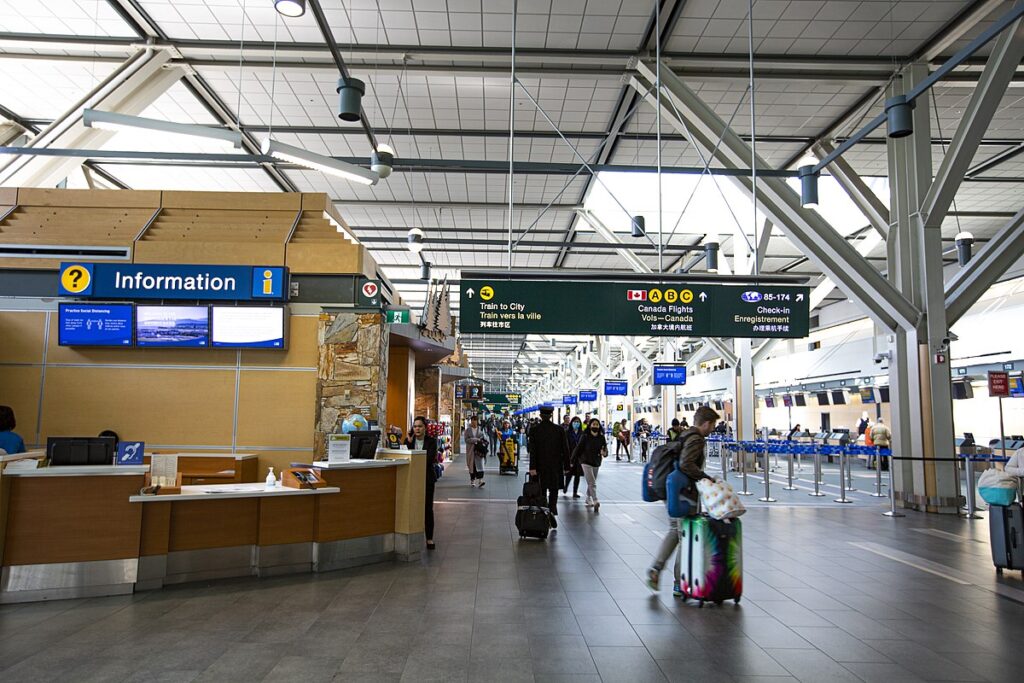
Singapore Airlines formally signed the bilateral agreement on February 5, 1988. The carrier announced Vancouver service on March 2, 1988, launching twice weekly flights via Seoul (ICN) beginning July 1, 1988.
Monday flights used Boeing 747-300 BIG TOP Combi aircraft carrying 304 passengers and 40 tonnes of freight. Friday services operated Boeing 747-200 Super B jets with 400 passenger capacity and 12 tonnes of cargo. Fifth freedom traffic rights between South Korea and Canada allowed passenger pickups at the Seoul stopover.
Canada became Singapore Airlines’ 38th country destination with Vancouver as the 57th network point. Relations between Singapore Airlines and Air Canada improved, leading to a joint marketing and cooperation agreement by 1989.
Toronto Launch Follows Three Years Later
Singapore Airlines concluded talks with the Netherlands in September 1988, securing fifth freedom rights to carry passengers and cargo between Amsterdam (AMS) and Toronto. The crucial piece enabled transatlantic service viability, though launch delays pushed the start date beyond April 1990.
Austria and Singapore renegotiated their air services agreement in April 1991, granting fifth freedom rights between Vienna (VIE) and Toronto. Singapore Airlines could now pick up and drop off passengers at every journey stage.
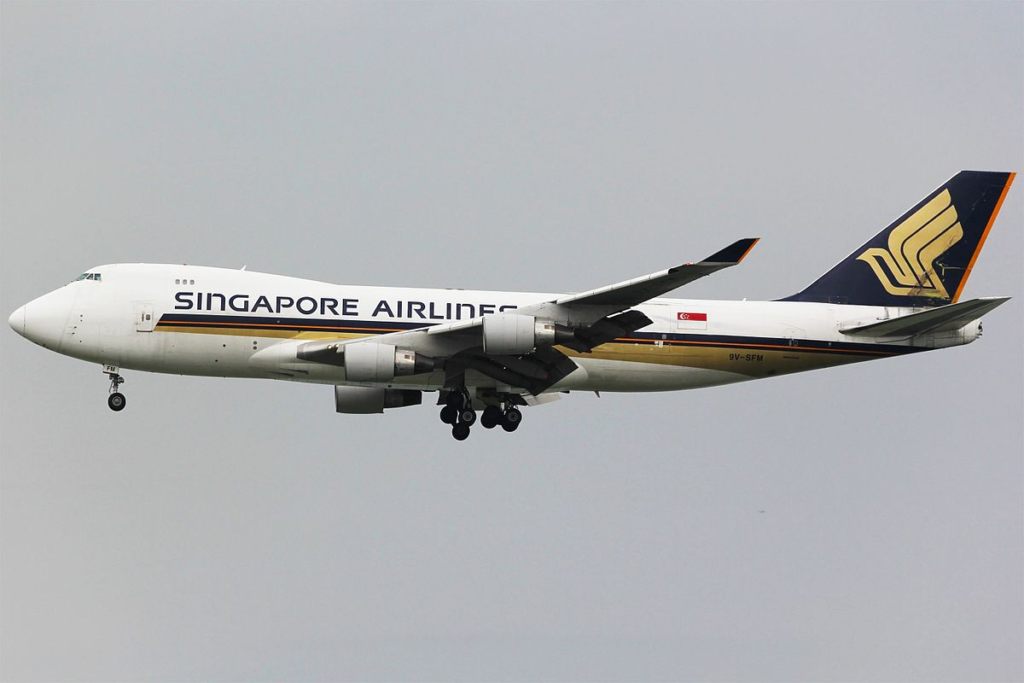
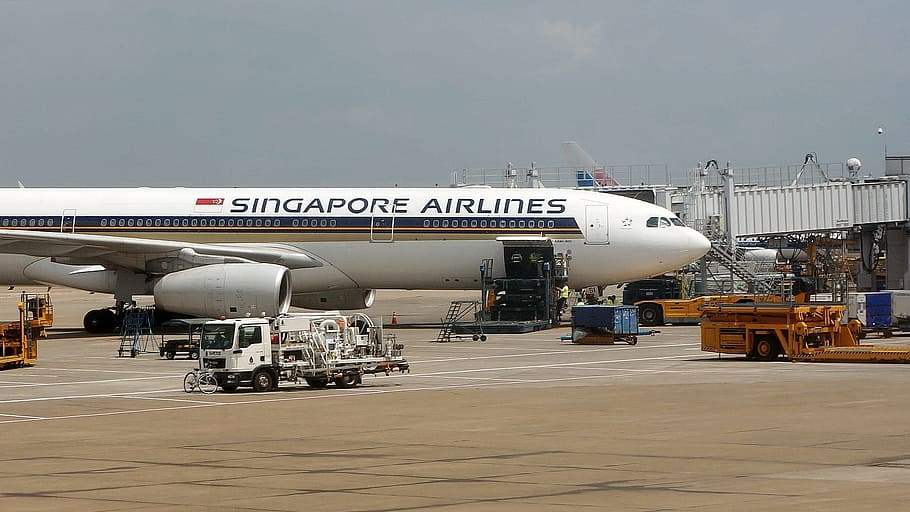
Flight SQ24 departed Singapore Changi Airport (SIN) for Toronto Pearson (YYZ) via Vienna and Amsterdam on June 1, 1991, operated by Boeing 747-400 MEGATOP aircraft. Singapore Airlines became the first Southeast Asian carrier to operate transatlantic service. The route operated thrice weekly with 54 hour total journey time.
Air Canada suspended all Singapore services on January 27, 1991, six weeks after announcing expansion plans. Gulf War fuel price increases forced the carrier to redeploy Boeing 747 aircraft to more profitable routes. Singapore Airlines became the sole operator between Singapore and Canada.
Canada Cancels Treaty Citing Unfair Competition
Canada served notice on August 16, 1991, terminating the bilateral air services agreement effective August 1992. The action marked the first time Canada had cancelled an air agreement with another country.
Transport Canada claimed more than 80% of passengers on Singapore Airlines’ Toronto route flew only to Europe, not to or from Singapore. The carrier was allegedly siphoning lucrative transatlantic traffic from Canadian airlines. Air Canada’s Vienna route faced particular pressure.
Larry LaFleur, Transport Canada’s director of international air policy, warned Singapore Airlines’ continued service would force Air Canada’s Vienna route withdrawal. Singapore Airlines called the decision unfair and unnecessary, noting its Europe to Canada traffic represented just 1.5% of the total market.
Singapore Airlines Launches Aggressive PR Campaign
Singapore Airlines hired Hill and Knowlton, a Toronto PR firm, and Public Affairs International, an Ottawa lobbyist, to press its case. The carrier placed full-page advertisements in seven major Canadian newspapers featuring a small Singapore pointing an arrow at massive Canada.
The headline asked whether a small country like Canada could compete with a giant like Singapore. Copy text questioned how a country so big could think so small when facing competition. The campaign proved effective enough that Singapore Airlines pulled advertisements early after achieving its purpose.
The Vancouver Board of Trade and Toronto’s Mayor rallied to Singapore Airlines’ cause. Managing Director Cheong Choong Kong warned that losing Toronto might force Vancouver route cancellation as well, eliminating the carrier’s Canadian market presence entirely.
Singapore Airlines issued veiled warnings about its substantial Canadian purchases, including flight simulators from Montreal-based CAE Electronics. The carrier later awarded a multimillion-dollar Boeing 747-400 simulator contract to American firm Rediffusion instead of CAE, reportedly for just $500,000 less.
Toronto Service Ends After Thirteen Months
Singapore Airlines proposed dropping the Vienna stopover from its Toronto route. The carrier offered joint services with Air Canada and revenue sharing on the Vancouver route. Air Canada rejected all proposals as inadequate.
Canada countered with a proposal requiring Singapore Airlines to route Toronto flights via Frankfurt (FRA) and New York instead of Vienna and Amsterdam. Singapore Airlines dismissed the idea as commercially unviable, guaranteeing perpetual losses.
Singapore Airlines announced on April 15, 1992, that it would suspend Toronto service effective July 1. The last flight operated on June 30 after losing the summer season due to agreement uncertainty. The carrier wrote off $20 million invested in the Toronto route to preserve Vancouver operations.
Air Canada spokesman Denis Couture expressed surprise and disappointment, stating the airline sought a resolution of excessive fifth freedom rights rather than forcing Singapore Airlines off the route.
Vancouver Survives Under Annual Temporary Authorization
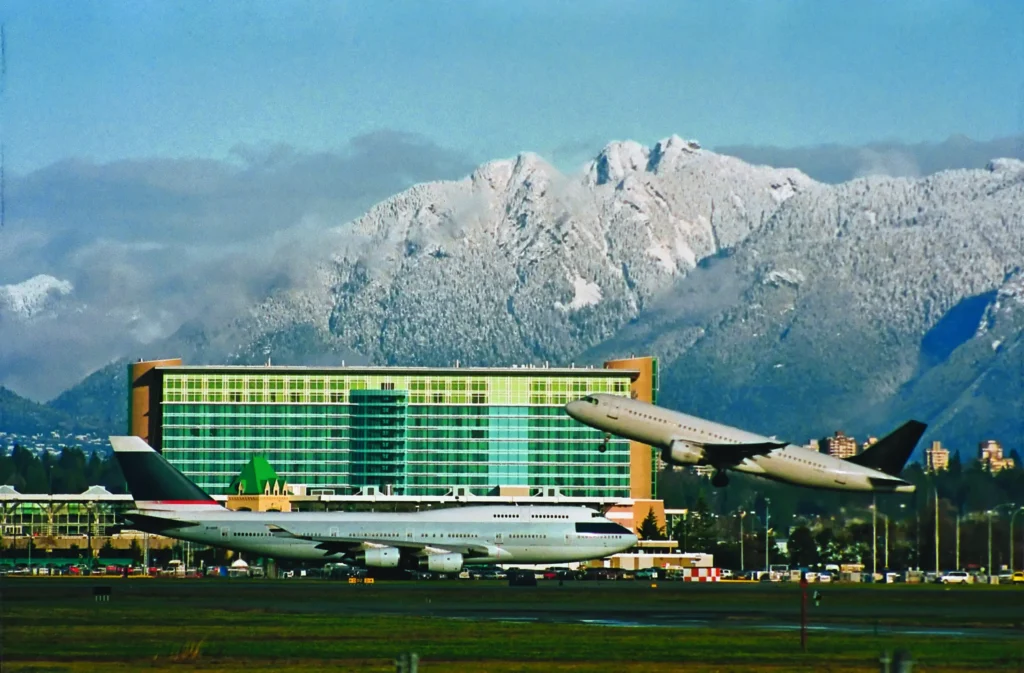
Vancouver’s thrice-weekly service via Seoul became Singapore Airlines’ sole Canadian operation after Toronto’s suspension. Ottawa formally cancelled the bilateral agreement in August 1992 but granted one year permission to continue Vancouver flights.
Singapore Airlines operated under temporary authorization renewed annually at Canadian authorities’ discretion. Nearly two decades after launching Canadian service in 1988, the carrier still lacked a permanent operating agreement.
Relations gradually improved. Singapore Airlines and Air Canada announced a codeshare agreement in October 2000, allowing seat sales on each other’s Singapore to Toronto flights via London. The arrangement followed Singapore Airlines’ Star Alliance entry six months earlier, joining Air Canada as alliance partners.
The Vancouver route performed well by 2007 with Boeing 747 services running at 90% load factors. One third of Singapore Airlines’ Vancouver traffic routed through US cities because passengers could not secure seats on sold out flights. Vice President Campbell Wilson sought additional frequencies beyond three weekly but negotiations failed.
2007 Agreement Provides Limited Relief
Singapore and Canada signed a new bilateral air transport agreement on November 7, 2007, the first comprehensive update since early 1990s negotiations. The deal removed all capacity restrictions on direct flights, allowing unlimited frequencies, routes, and codesharing arrangements.
Campbell Wilson welcomed the permanent license conversion after two decades of annual renewals. He acknowledged the agreement represented improvement but provided nothing of immediate benefit. The deal remained subject to fifth freedom traffic restrictions via Seoul, the rights making Vancouver economically viable.
Singapore Airlines picked up 40% of Vancouver bound passengers during Seoul stopovers. Without this traffic, direct Singapore to Vancouver flights lacked financial viability. Wilson bluntly called it a paper agreement that reinforced the status quo.
Global Financial Crisis Forces 2009 Withdrawal
Singapore Airlines announced in February 2009 that it would indefinitely suspend Vancouver service. The last flight operated on April 25, 2009, almost exactly 21 years after the route launch. The carrier cited economic conditions and performance badly affected by the global economic downturn.
The Vancouver travel industry reacted with shock. Travel agent Ravinder Gaba, specializing in South Asia, stated no one anticipated the cancellation from such a longstanding carrier. Singapore and South Korea ranked among Asia’s hardest hit economies, with real GDP falling at 13% annualized rates in South Korea and 17% in Singapore during the fourth quarter of 2008.
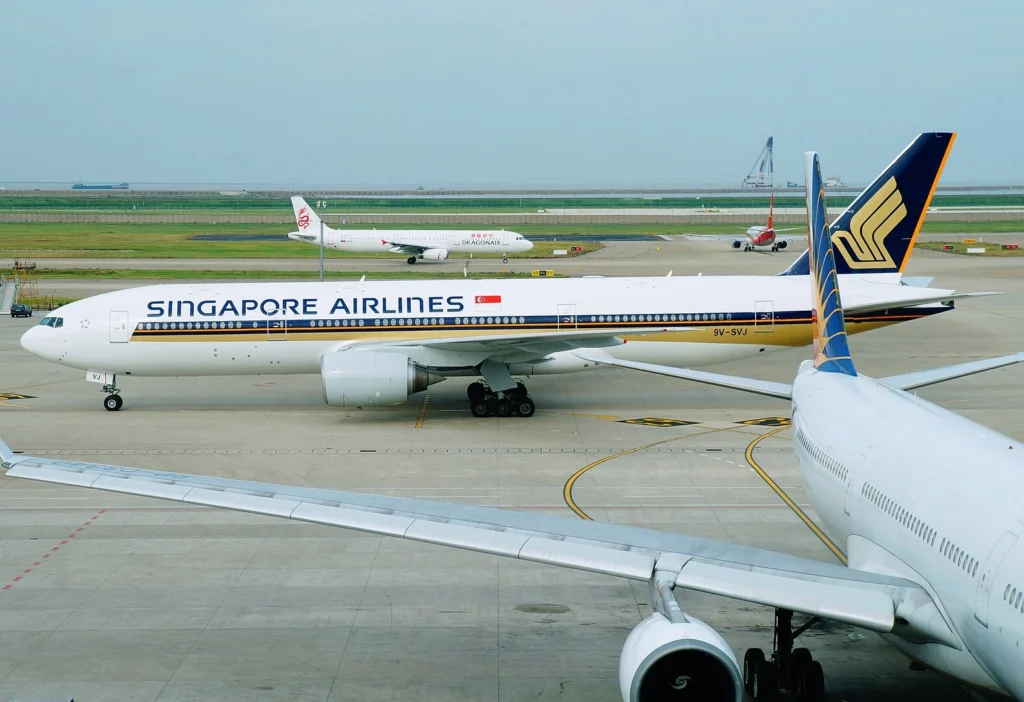
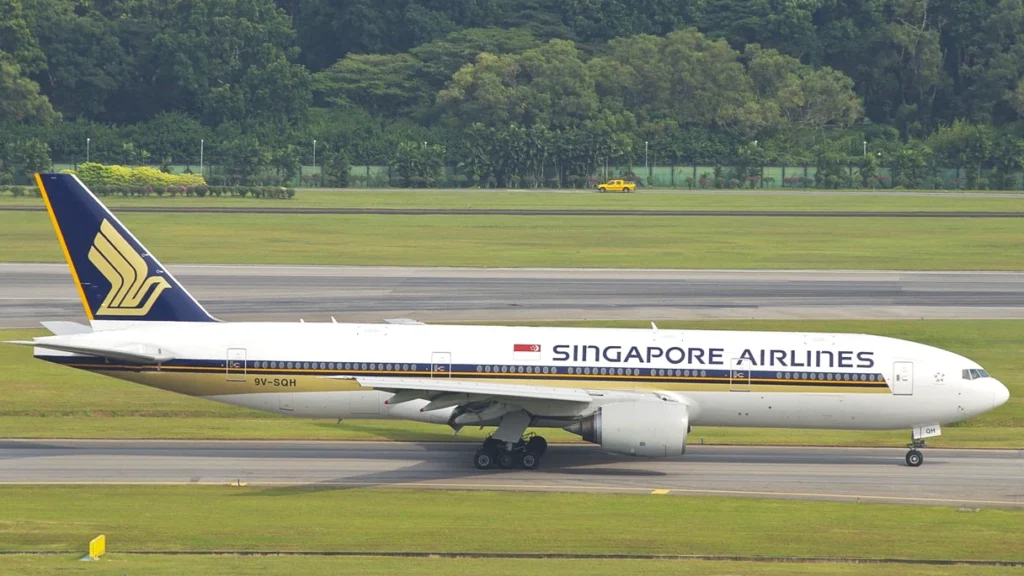
Aircraft types serving Vancouver over two decades included Boeing 747-200s, Boeing 747-300 Combis, Boeing 747-400s between 1995 and 1998, Airbus A340-300s between 1999 and 2002, and Boeing 777-200ERs from 2002 onwards.
Surprise Return During Pandemic Travel Lanes
Singapore Airlines announced a surprise Canadian market return in October 2021, more than twelve years after its departure. The carrier launched four weekly seasonal Vancouver services from December 2, 2021 to February 15, 2022.
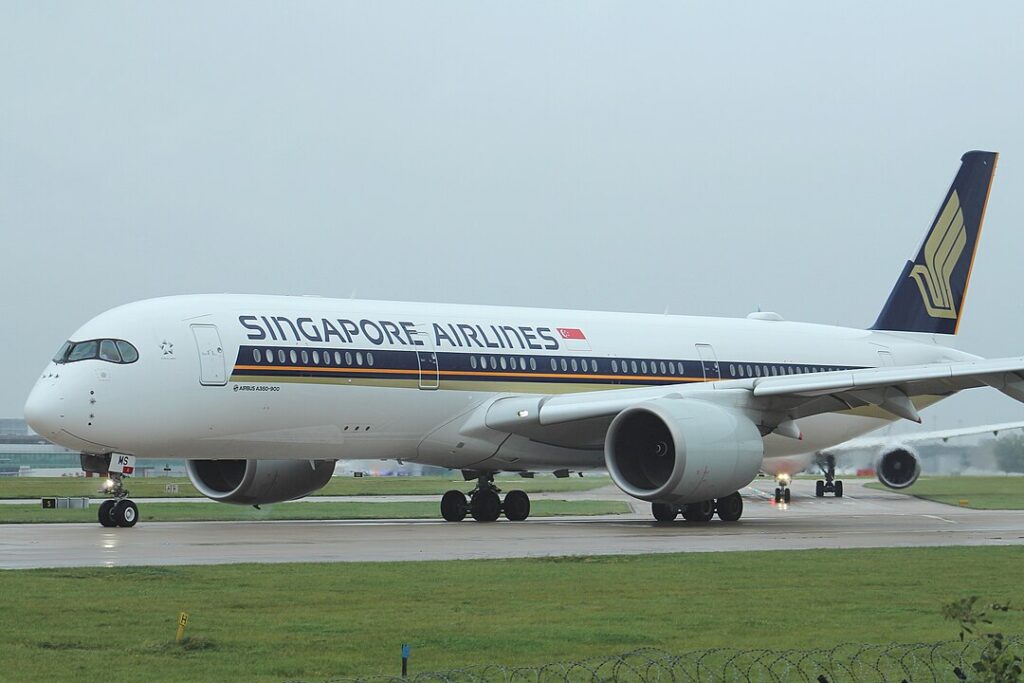
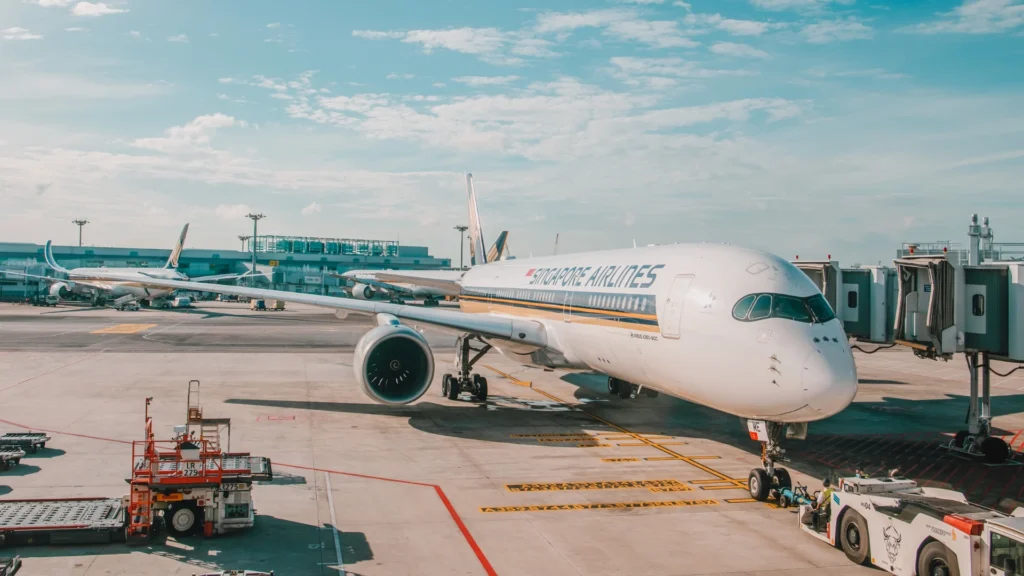
The route operated nonstop using Airbus A350-900 Long Range aircraft, eliminating intermediate stopover needs. Service continued to Seattle (SEA), creating a Singapore to Vancouver to Seattle to Vancouver to Singapore routing. The launch coincided with Canada’s addition to Singapore’s Vaccinated Travel Lane countries during pandemic restrictions.
Vancouver to Seattle hops became Singapore Airlines’ shortest passenger flights at 45 to 50 minutes gate to gate. The quickest service recorded just 24 minutes airborne time on February 10, 2022. Seattle gained dedicated Singapore flights by June 2022, splitting the cities into independent services.
Vancouver was originally seasonal but quietly became year round operations. The Airbus A350 appeared to provide a sustainable formula for serving Canada.
Second Exit Ends 40 Year Saga
Singapore Airlines announced in February 2023 that it would exit the Canadian market for a second time. The nonstop Vancouver route ceased in October 2023 as the carrier adjusted capacity in response to demand.
The antiseptic explanation marked the end of a route with four decades of political wrangling. No full-page newspaper advertisements appeared. No unfairness accusations emerged. No veiled threats about simulator contracts surfaced. The final Vancouver flight departed on September 30, 2023.
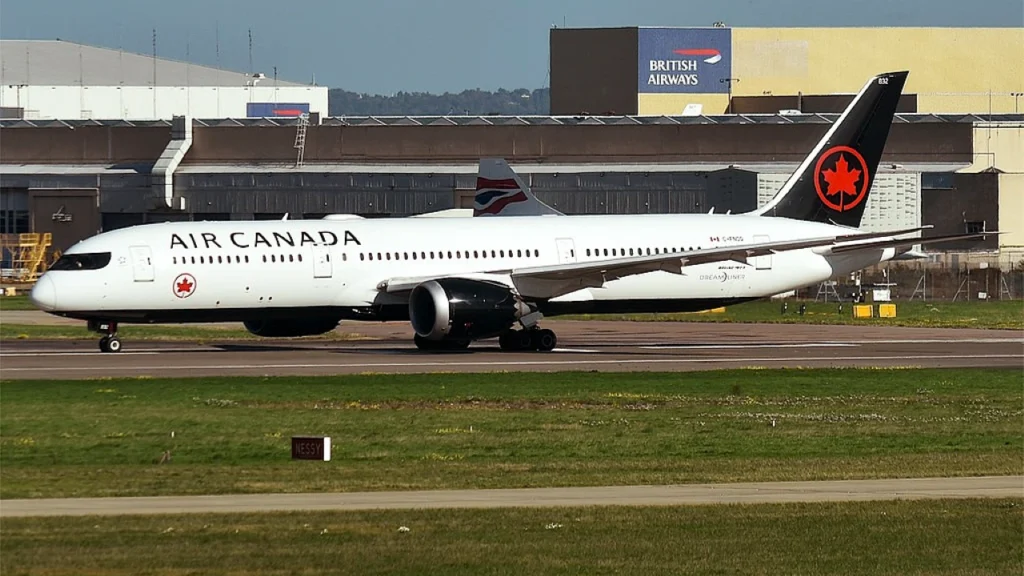
Air Canada Returns After Three Decades
Air Canada revealed in June 2023, four months after Singapore Airlines’ latest withdrawal announcement, it would return to Singapore for the first time in over 30 years. The Canadian flag carrier launched four weekly nonstop Vancouver to Singapore flights using Boeing 787-9 aircraft beginning April 2024.
Mark Galardo, EVP Revenue and Network Planning, stated commitment to growing Vancouver as a premier trans Pacific hub. Singapore represents a top global financial center offering tourism and food experiences plus an important Southeast Asia, Southern India, and Western Australia gateway.
The schedule optimized connectivity with morning Singapore departures arriving same morning in Vancouver. Vancouver departures left shortly after midnight, landing at Changi after 7am the following calendar day. Timings fed Air Canada’s North American network at Vancouver while tapping Singapore Airlines’ extensive Changi connections.
Lim Ching Kiat, EVP Air Hub and Cargo Development at Changi Airport Group, expressed thrill at welcoming Air Canada’s much anticipated return after more than three decades. The Canada link holds strategic significance with passenger traffic surpassing 80% of pre-COVID levels in first quarter 2023.
Air Canada announced frequency increases to five weekly from December 2024 before the April launch. The same frequency continues as of January 2026, offering 1,500 weekly seats in each direction. Just as in 1985, the Canada connection works for Air Canada while Singapore Airlines watches from the sidelines.
Bottom Line
What began with 1984 optimism ended in quiet 2023 retreat between lay three to four decades of frustration. Singapore Airlines launched its first Canadian flight in 1988, four years after signing a bilateral agreement intended to open the market. Toronto service began three years later, only to end within thirteen months amid unfair competition accusations.
The Vancouver route operated for two decades under temporary annual authorizations. A 2007 agreement changed little in practice before the global financial crisis forced a 2009 suspension. A 2021 return enabled by newer aircraft and pandemic travel lanes lasted barely two years before Singapore Airlines’ second withdrawal.
Air Canada operates as the sole direct Singapore to Canada carrier with five weekly Boeing 787 services to Vancouver. After four decades of political wrangling, broken agreements, last-minute deals, launches, suspensions, and withdrawals, the outcome proves almost perverse. Canadian carriers alone fly this route, while Singapore Airlines, which battled for years to serve Canada, no longer operates any Canadian flights.
Stay tuned with us. Further, follow us on social media for the latest updates.
Join us on Telegram Group for the Latest Aviation Updates. Subsequently, follow us on Google News
