

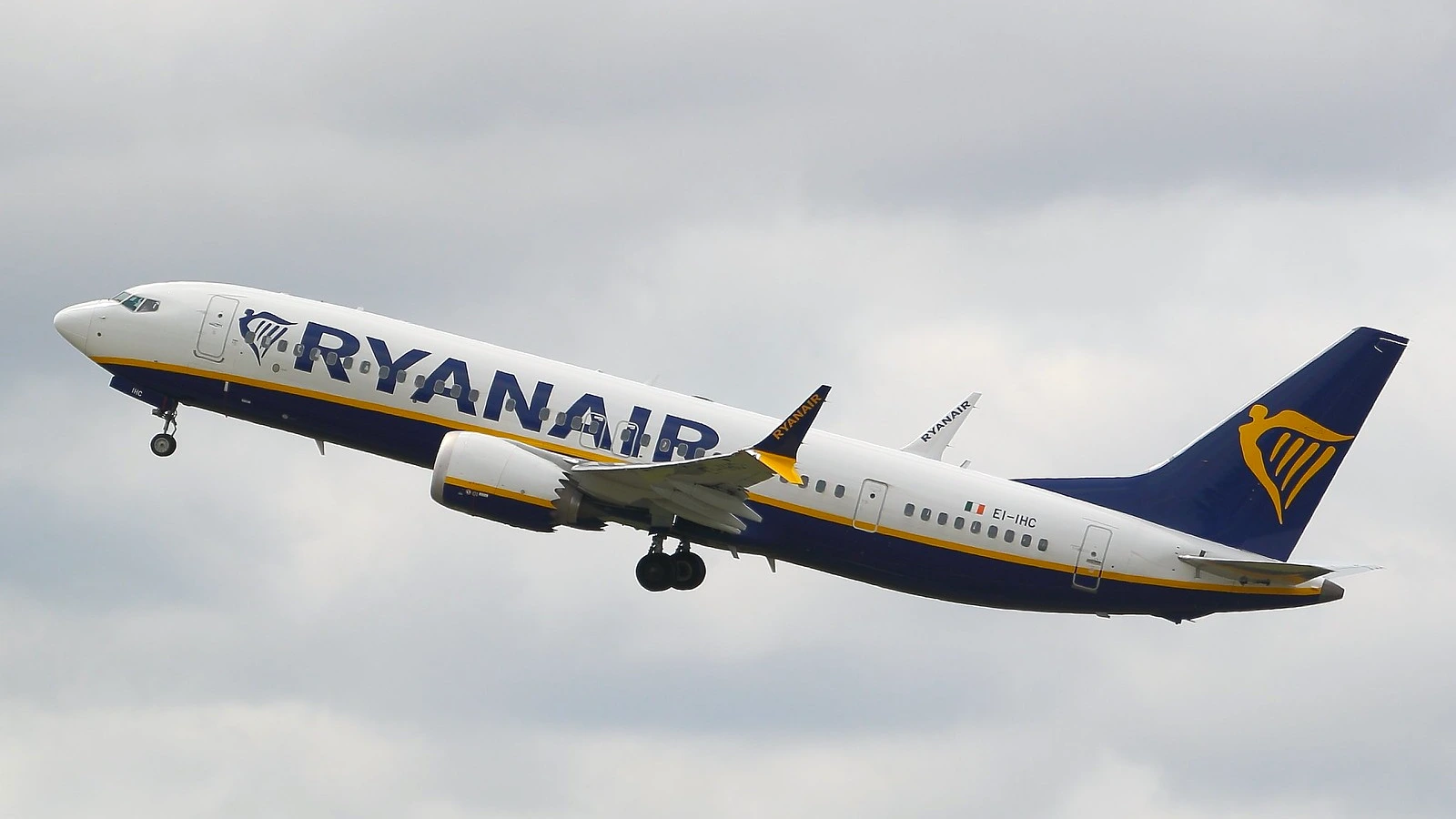
DUBLIN— Ryanair (FR) has confirmed it will not adopt Starlink in-flight internet, despite rapid uptake of the system across the global airline industry. The decision was outlined by chief executive Michael O’Leary on January 14, 2026, reinforcing the carrier’s long-standing resistance to onboard Wi-Fi on short-haul flights operated across Europe from bases such as Dublin Airport (DUB).
The announcement places Ryanair among a shrinking group of major airlines rejecting high-speed satellite connectivity. While Starlink is widely promoted as the fastest aviation internet available, Ryanair maintains that passenger demand, flight duration, and operating costs do not justify installation across its Boeing 737 fleet.
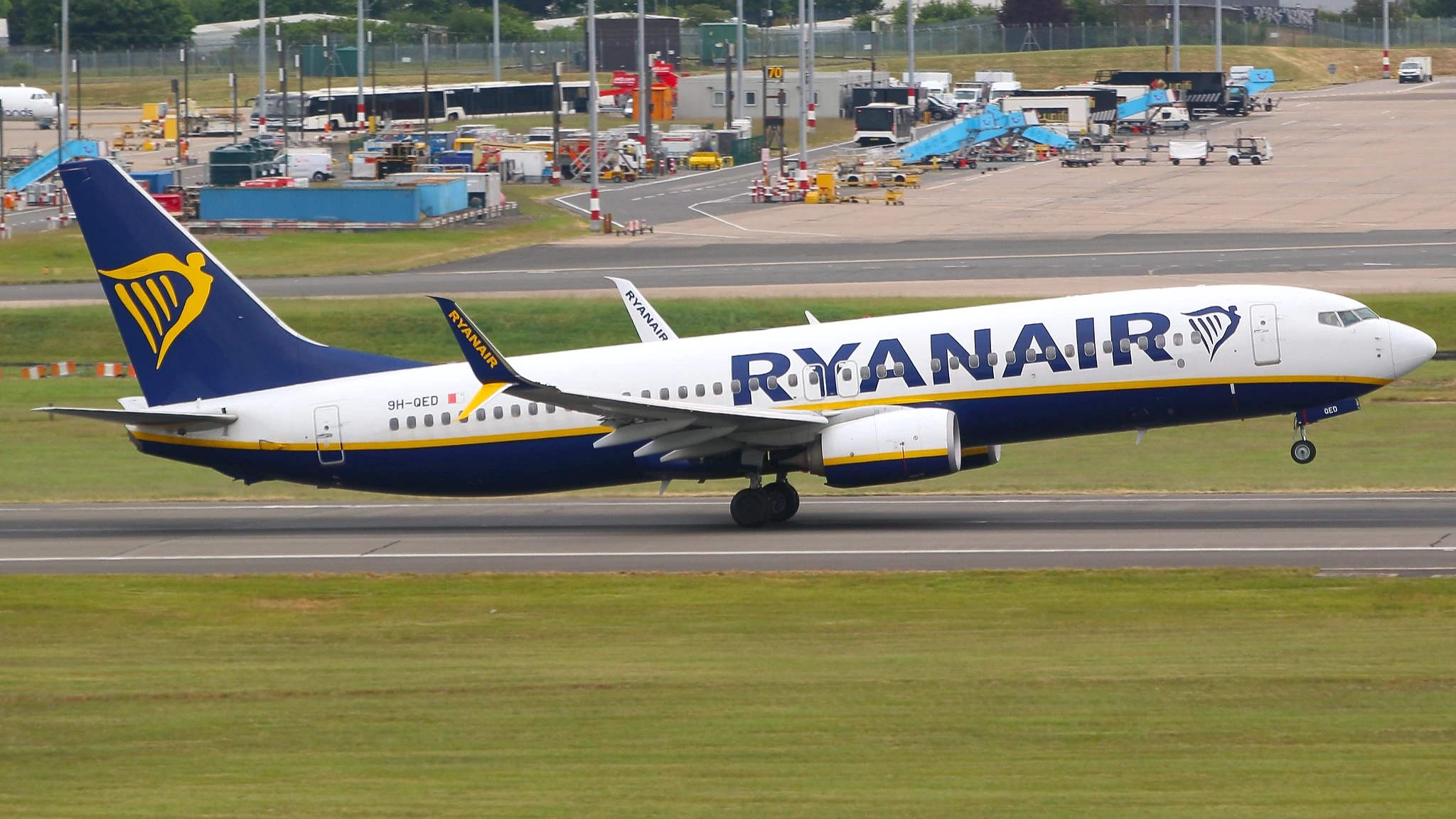
Ryanair Wi-Fi Decision
Ryanair’s management argues that in-flight internet offers limited value on flights averaging around one hour.
According to the airline, most passengers prioritize low fares and punctuality over digital connectivity during short journeys.
O’Leary has stated that installing satellite antennas would increase aircraft weight and aerodynamic drag. According to Simple Flying, Ryanair estimates this would raise fuel consumption by roughly 2%, a cost the airline is unwilling to absorb or pass on to customers.
For a carrier operating more than 500 aircraft and carrying over 180 million passengers annually, even small efficiency losses translate into substantial financial impact.
Ryanair’s leadership views Wi-Fi as incompatible with its ultra-low-cost structure.

Starlink Cost Impact
Starlink’s aviation system promises low latency and high speeds compared with older satellite networks. Many full-service airlines see these benefits as essential for passenger satisfaction, particularly on longer routes.
Ryanair, however, measures technology adoption strictly through cost-per-seat economics. The airline believes passengers are unlikely to pay extra for Wi-Fi on short flights, limiting revenue potential.
Fuel efficiency remains central to Ryanair’s strategy as fuel prices and environmental pressures increase. Any modification that adds weight or complexity is assessed against its effect on turnaround times and unit costs.
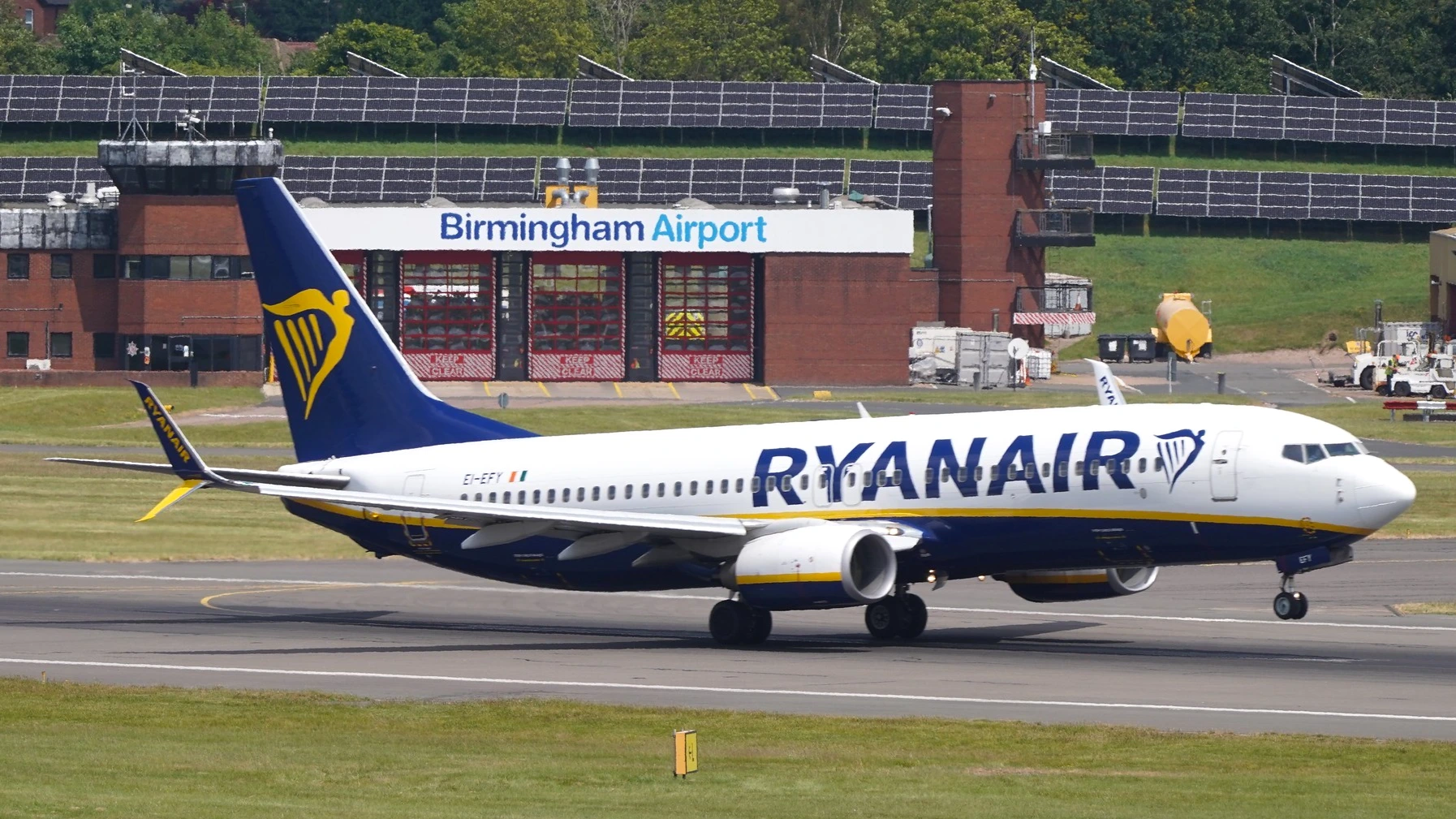
Industry Connectivity Divide
Several European and North American airlines have committed to fleet-wide Starlink installations, viewing connectivity as a competitive differentiator. These carriers typically operate longer sectors where usage time supports pricing models.
Low-cost airlines have historically been cautious with onboard internet, often scaling back trials after weak uptake. Ryanair’s stance reflects a broader divide between network carriers and ultra-low-cost operators.
Speaking to Reuters, O’Leary summarized the position clearly: “We don’t think our passengers are willing to pay for Wi-Fi for an average one-hour flight.” The comment underscores how business models continue to shape technology adoption.

Bottom Line
Ryanair’s rejection of Starlink highlights the limits of even industry-leading technology when confronted with strict cost discipline.
While satellite internet is becoming standard elsewhere, Ryanair remains focused on minimizing fuel burn, complexity, and fares.
The result is a connectivity market split sharply along operational and economic lines.
Stay tuned with us. Further, follow us on social media for the latest updates.
Join us on Telegram Group for the Latest Aviation Updates. Subsequently, follow us on Google News
