

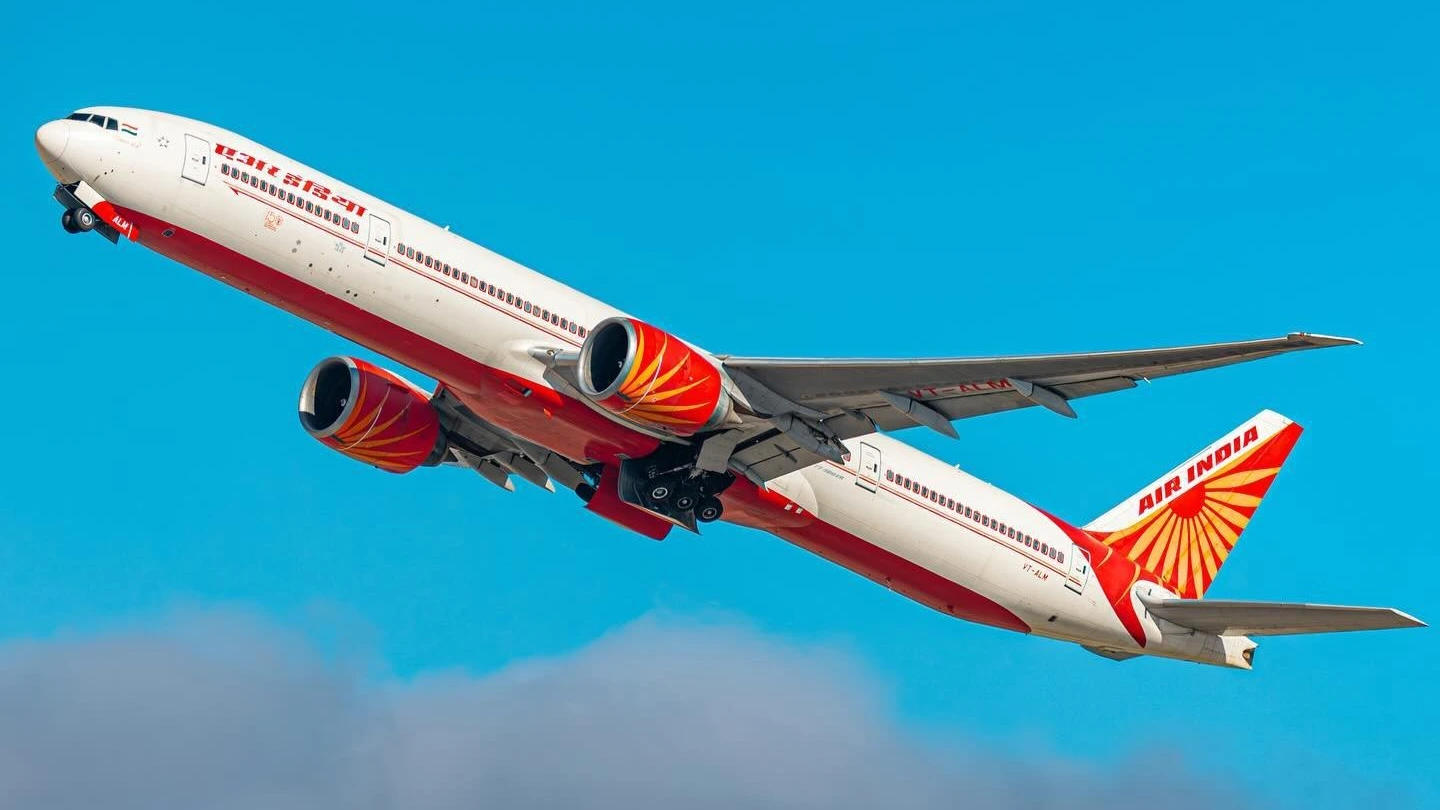
DELHI- Air India (AI) has cancelled select long-haul services to the United States following the closure of Iranian airspace, impacting operations on critical transatlantic routes. The disruption affects flights connecting India with major US gateways and is also causing delays on some European services.
The cancellations include services from Delhi to New York and Newark, and Mumbai to New York, as the airline adjusts routes to maintain passenger safety.
Air India Cancels US Flights
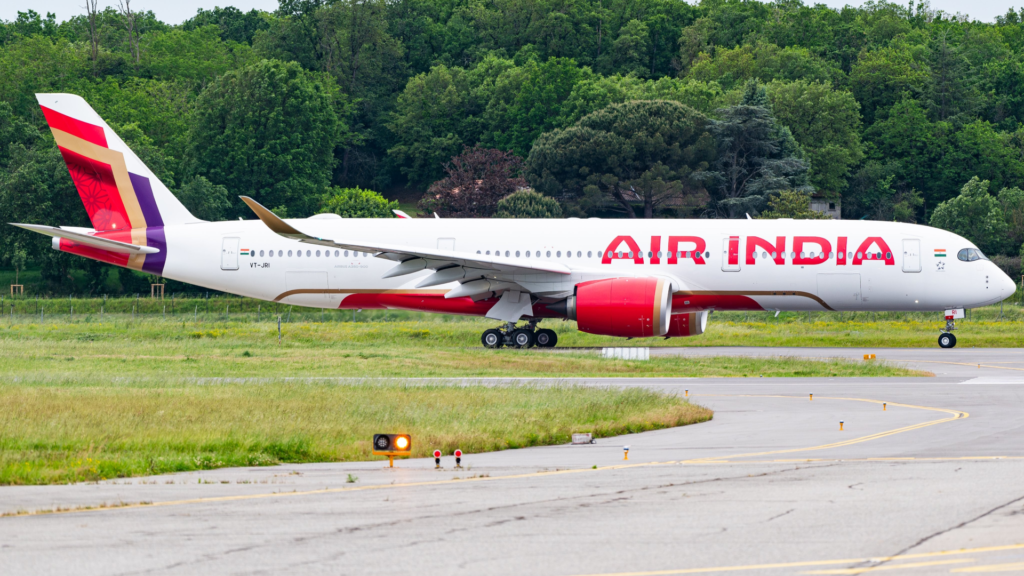
Air India confirmed that flights overflying the affected region are being rerouted due to the evolving situation in Iran and the subsequent closure of its airspace. These alternate routings are necessary to meet safety requirements but result in longer flight paths.
The airline stated that while many flights are operating via revised routes, some services cannot be rerouted operationally and have therefore been cancelled.
Passengers have been informed, and the airline has expressed regret for the inconvenience caused by what it described as an unforeseen disruption.
Iranian airspace is a key corridor for Air India flights to the United States and Europe. With this option unavailable, aircraft are being routed over Iraqi airspace, significantly increasing flight duration.
For certain US-bound flights, the extended distance makes it impossible to carry sufficient fuel within aircraft performance limits. As a result, these services cannot operate safely under the revised routing plan.
Iran Reopens Airspace
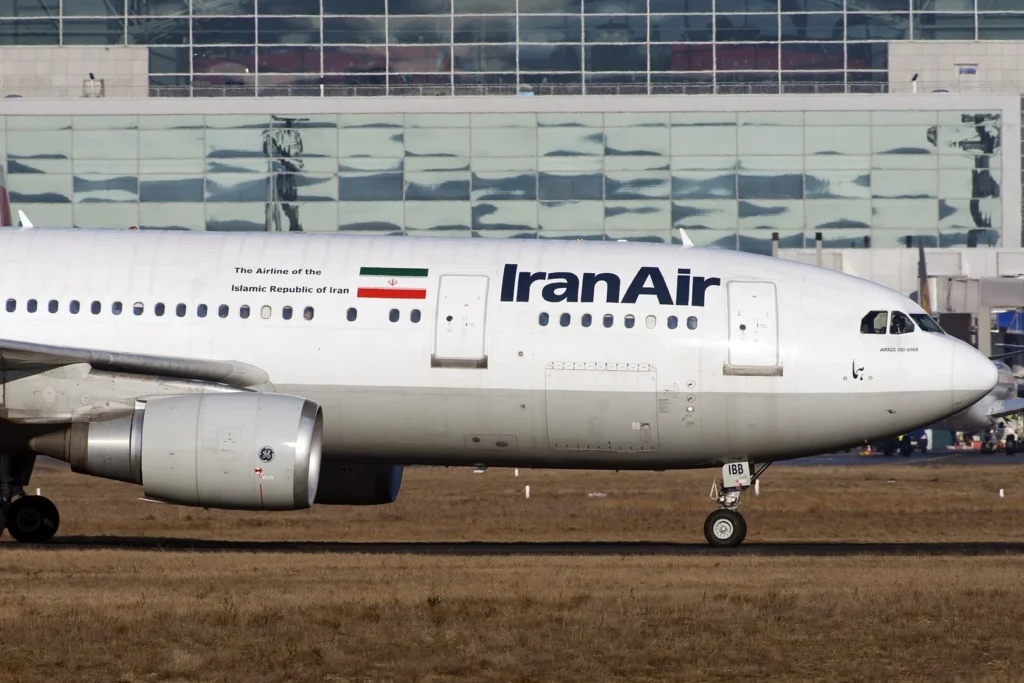
Iran reopened its national airspace early Thursday after a five-hour suspension triggered by fears of potential U.S. military action. The closure disrupted regional flight activity and forced airlines to reassess operational risk.
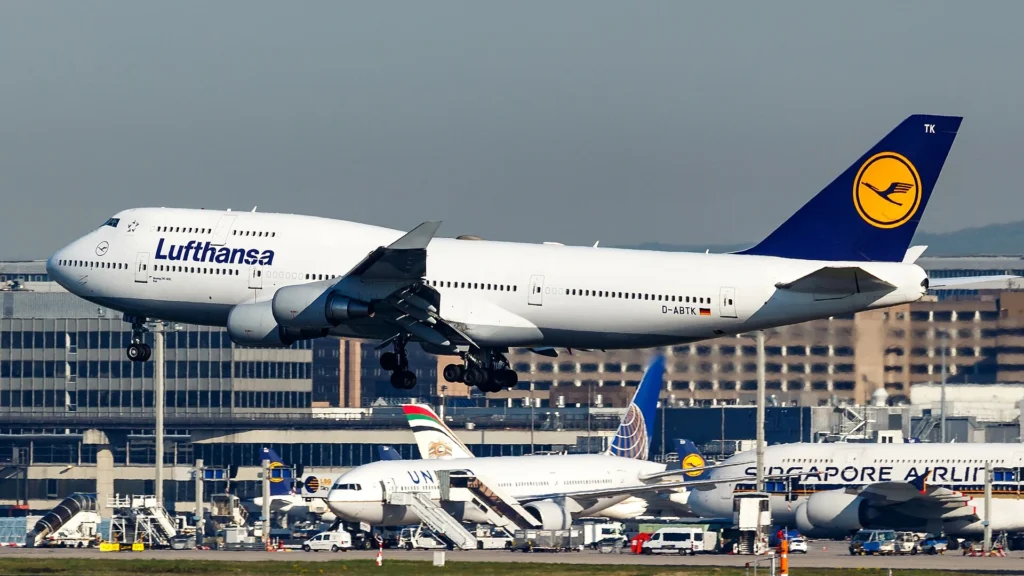
Major carriers, including IndiGo (6E) and Lufthansa (LH), adjusted routes or paused services, while Tehran Imam Khomeini International Airport (IKA) slowly resumed approved operations under strict oversight.
Airspace Reopening Amid Rising Geopolitical Risk
Iran’s civil aviation authority lifted the restriction at 3:30 a.m. UTC, ending a shutdown that barred most inbound and outbound flights. The closure followed heightened political and military tensions between Tehran and Washington, raising immediate safety concerns for commercial aviation.
Flight tracking data showed that, even after reopening, many international aircraft continued to bypass Iranian airspace. Domestic airlines began restoring limited services, signaling a cautious and phased return rather than a full normalization.
The initial closure order allowed international flights to and from Tehran Imam Khomeini International Airport (IKA) only with prior authorization. This exemption aimed to maintain essential connectivity while limiting broader exposure during the period of uncertainty.
Airlines Maintain Avoidance Strategy
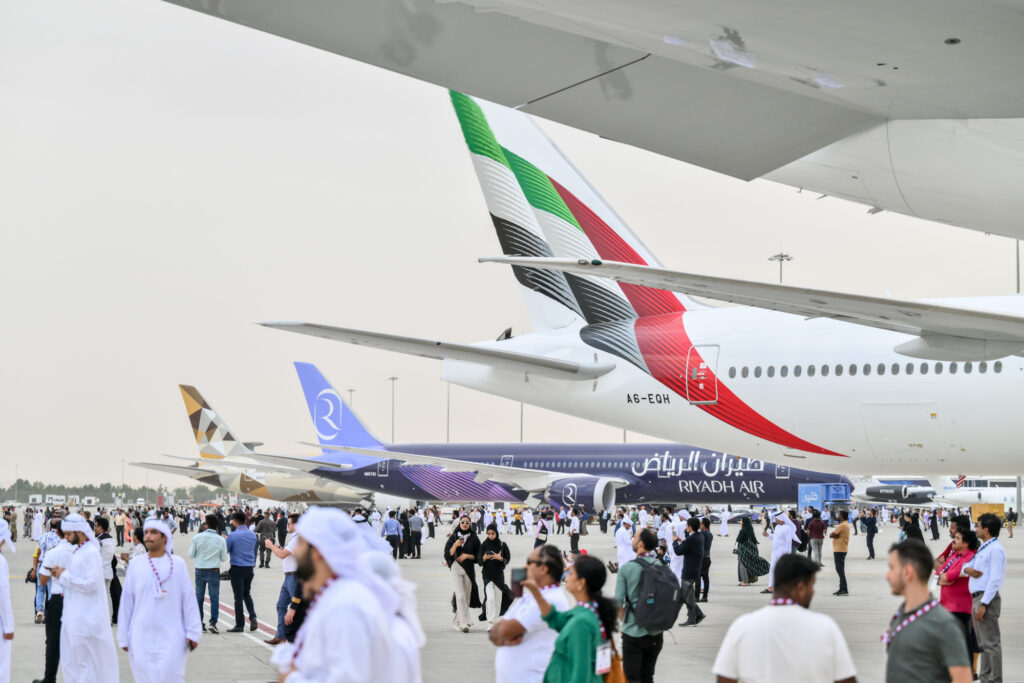
Several international airlines canceled or rerouted flights despite the official reopening. IndiGo (6E) confirmed that parts of its international schedule were affected due to the temporary shutdown and ongoing risk assessment.
Germany issued formal guidance earlier in the week advising its airlines to avoid Iranian airspace. Lufthansa Group (LH) stated it would continue bypassing both Iranian and Iraqi airspace until further notice, resulting in longer routes and some cancellations.
U.S. authorities have already banned American commercial flights from overflying Iran. Other carriers, including Emirates (EK), Qatar Airways (QR), and Turkish Airlines (TK), have also suspended multiple services to Iranian destinations in recent days.
Political Tensions Driving Aviation Disruptions
The airspace closure followed sharp rhetoric from U.S. President Donald Trump, who warned of possible intervention after reports of a deadly crackdown on anti-government protests in Iran. The U.S. has since relocated some military personnel and equipment from regional bases amid Iranian threats of retaliation.
Trump later indicated a more cautious stance, stating he had received assurances that the killings had stopped and that he would monitor developments before taking further action.
The unrest began after Iran’s currency, the rial, fell to record lows, intensifying an already severe cost-of-living crisis. Protests have since expanded into a broader challenge to Iran’s political system, with at least 2,571 deaths reported by the U.S.-based HRANA rights group.
Operational Impact on Regional Aviation
While Iran’s airspace is technically open, airline behavior suggests continued concern over unpredictability in the region. Rerouting around Iran adds flight time, fuel costs, and operational complexity, particularly for long-haul services between Europe and Asia.
A full return to normal traffic is unlikely until geopolitical risks ease and carriers receive consistent safety assurances from regulators and governments.
Stay tuned with us. Further, follow us on social media for the latest updates.
Join us on Telegram Group for the Latest Aviation Updates. Subsequently, follow us on Google News
