

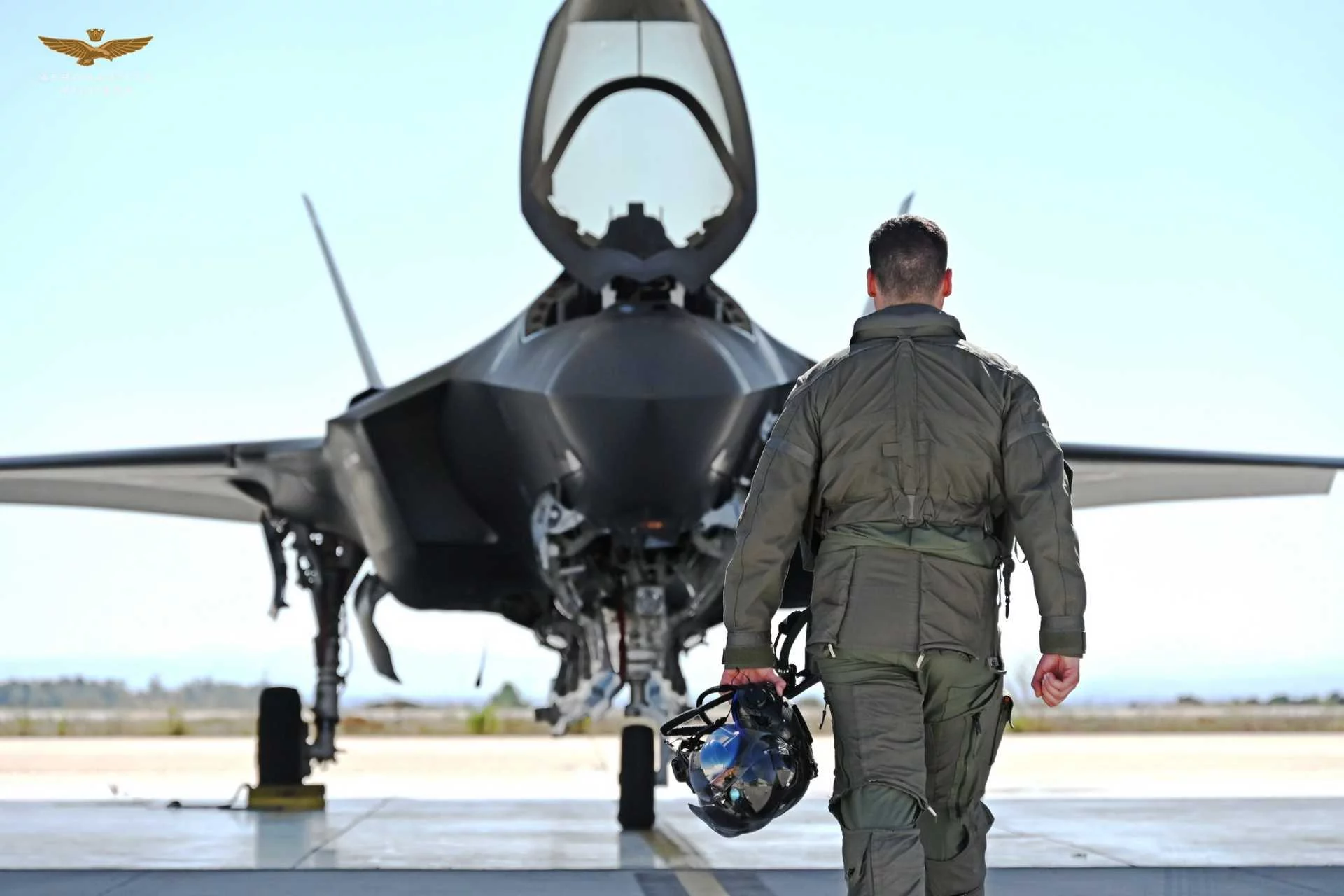
FORT WORTH— Lockheed Martin has confirmed that 2025 became the most productive year in the history of the F-35 Lightning II program, underscoring the aircraft’s central role in allied airpower. The announcement followed the delivery of 191 aircraft before year-end, with final assembly centered in Fort Worth (DFW), where the program’s primary production facility operates at a sustained high tempo.
The record output highlights how the F-35 program has moved beyond development challenges into a phase of industrial maturity. With production now exceeding that of all other allied fighter jets combined, the aircraft has become the dominant fifth-generation platform across NATO and partner nations.
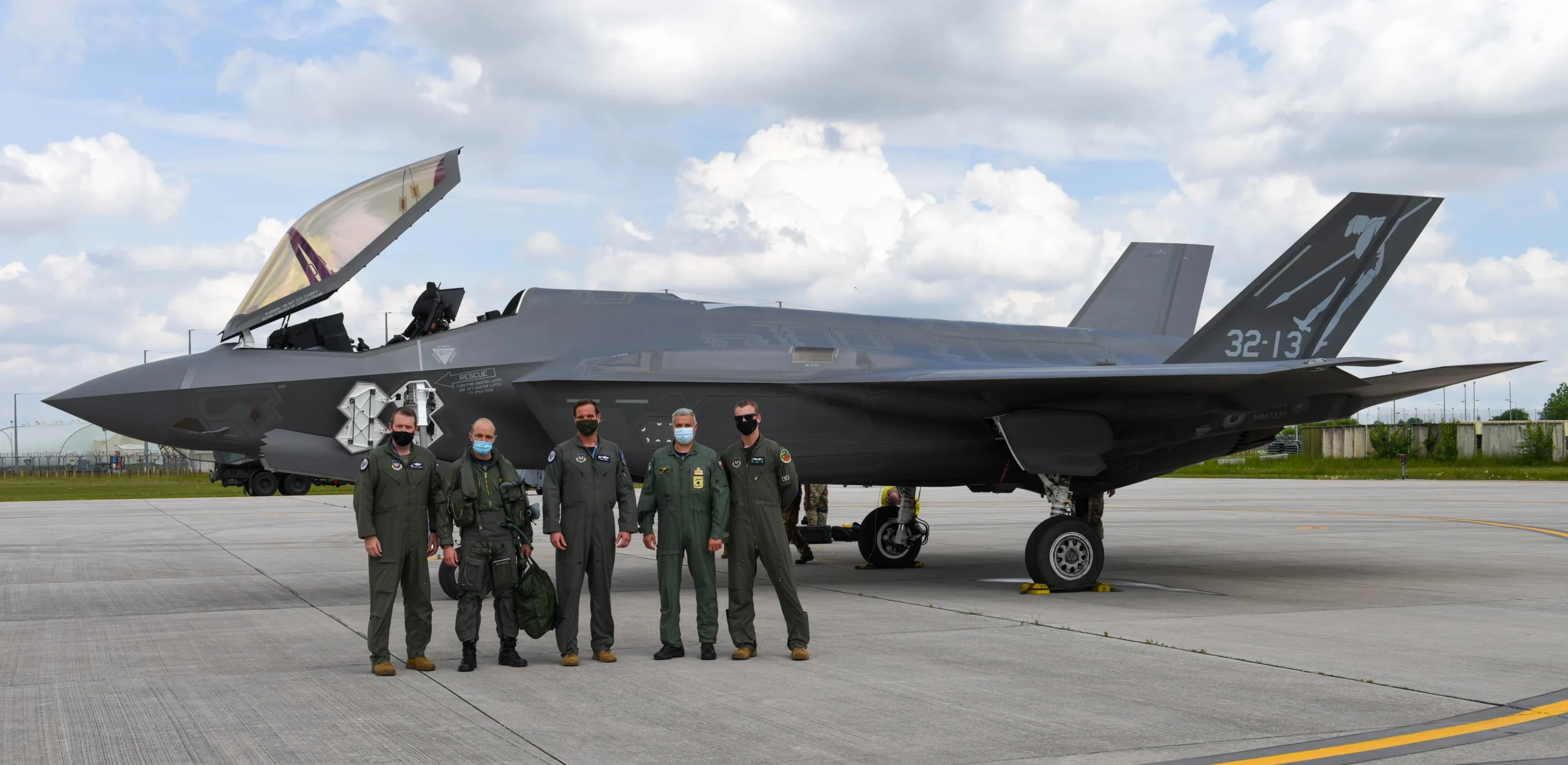
F-35 Fighter Jet Record Production
Lockheed Martin stated that F-35 production levels are now five times higher than any other allied fighter aircraft currently in manufacture. This pace reflects a global supply chain that spans multiple countries while maintaining a steady delivery rhythm to customers on three continents.
During 2025, several partner nations reached critical milestones that reinforced production momentum.
Norway completed deliveries from its original order, while Finland and Belgium each received their first aircraft following training transitions in the United States.
The growing output also pushed the global F-35 fleet past 1 million cumulative flight hours during the year. That operational milestone reflects both fleet size and sustained frontline usage across air forces.
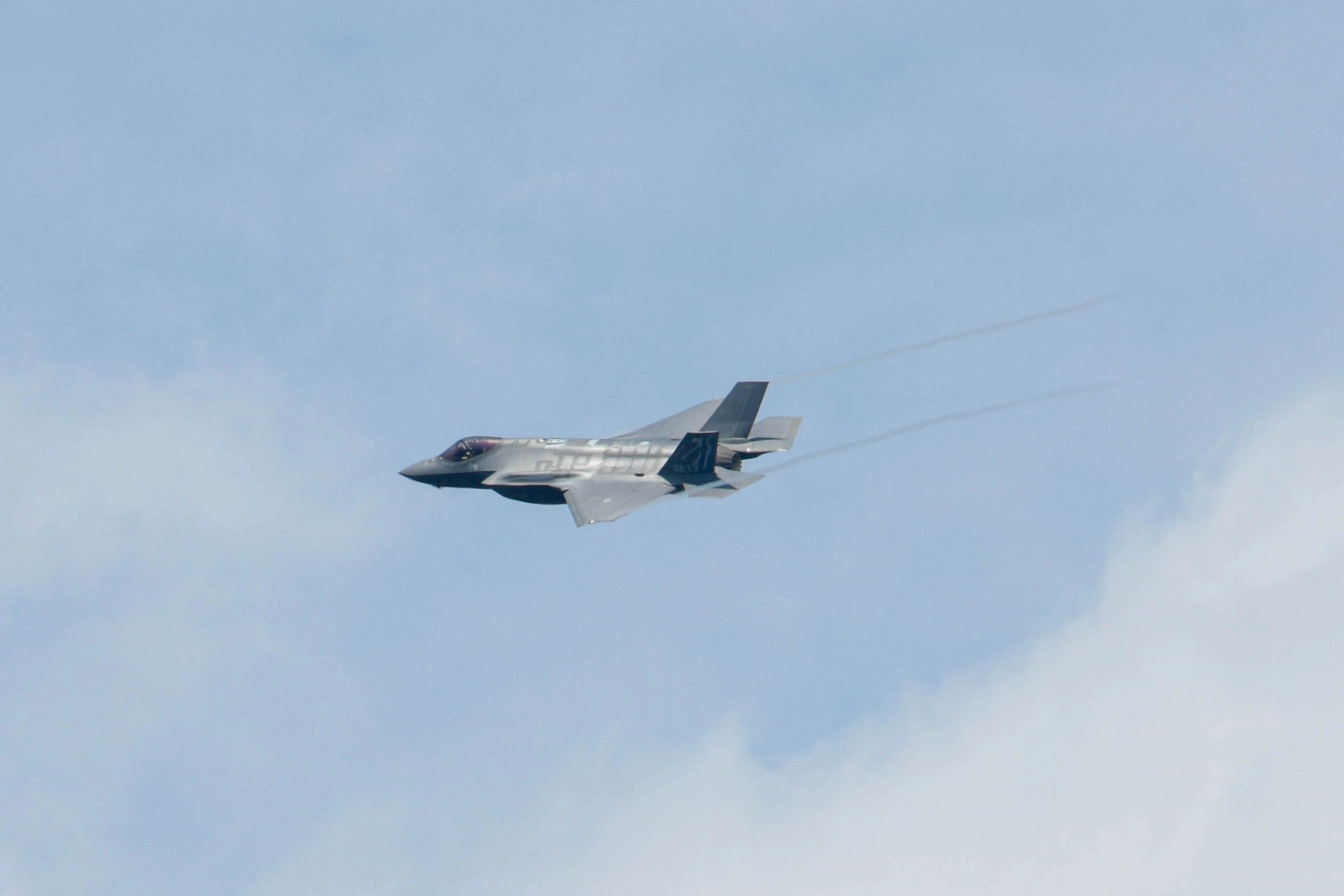
Expanding Global Fleet
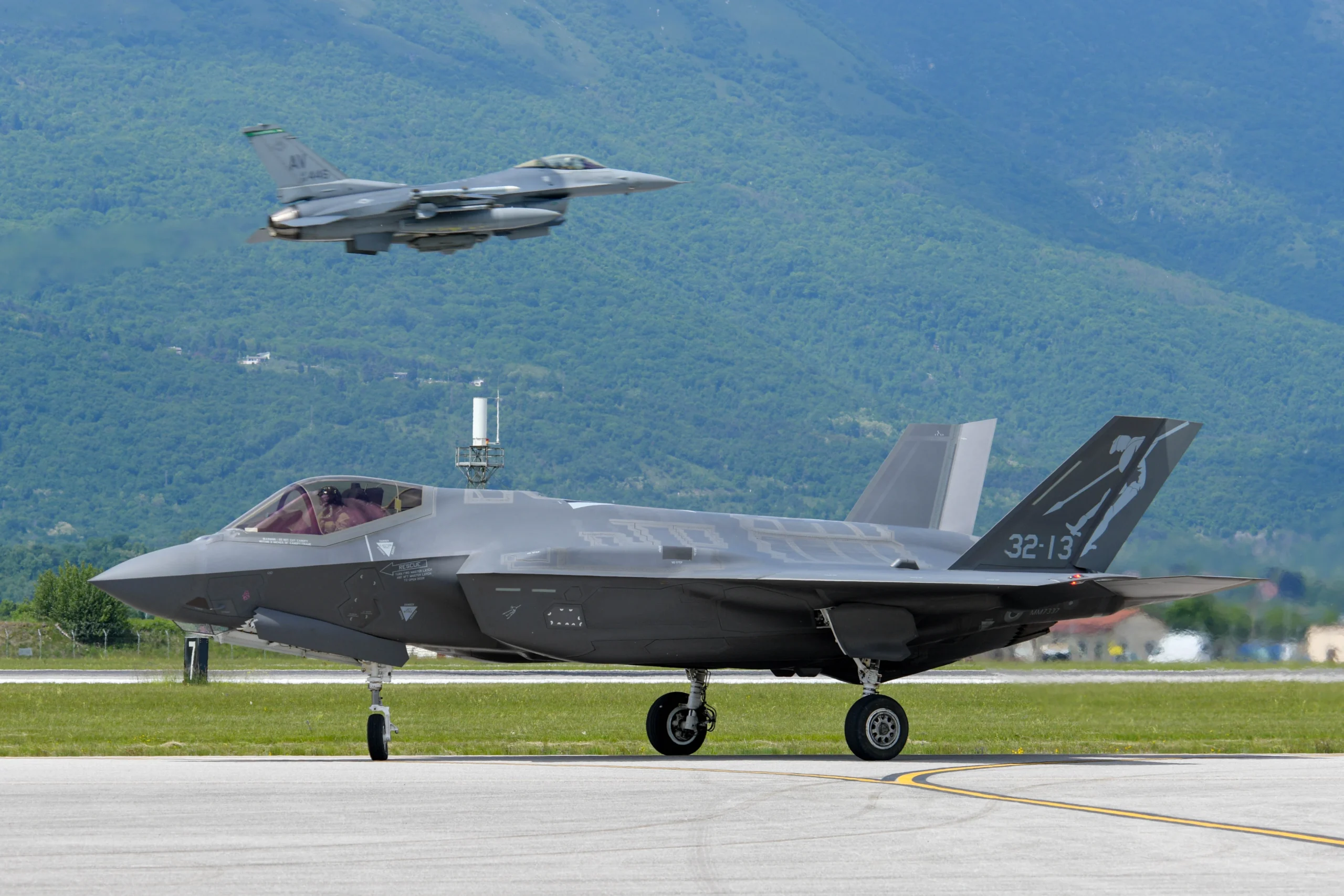
The F-35 fleet now includes nearly 1,300 aircraft in service across 12 nations, making it the most widely deployed fifth-generation fighter in the world. Even at that scale, the program has not yet reached half of its total planned production volume.
According to Simple Flying, Lockheed Martin remains committed to producing just under 3,000 aircraft across all variants, including the F-35A conventional takeoff model, the F-35B short takeoff and vertical landing variant, and the F-35C carrier-based version.
At the start of the new year, the confirmed backlog stood at 416 aircraft, reflecting strong long-term demand.
In 2025 alone, Italy increased its total order by 25 aircraft, Denmark added 16, and the United Kingdom expanded its commitment. Canada is also evaluating a substantial follow-on purchase, while other potential sales remain under discussion.
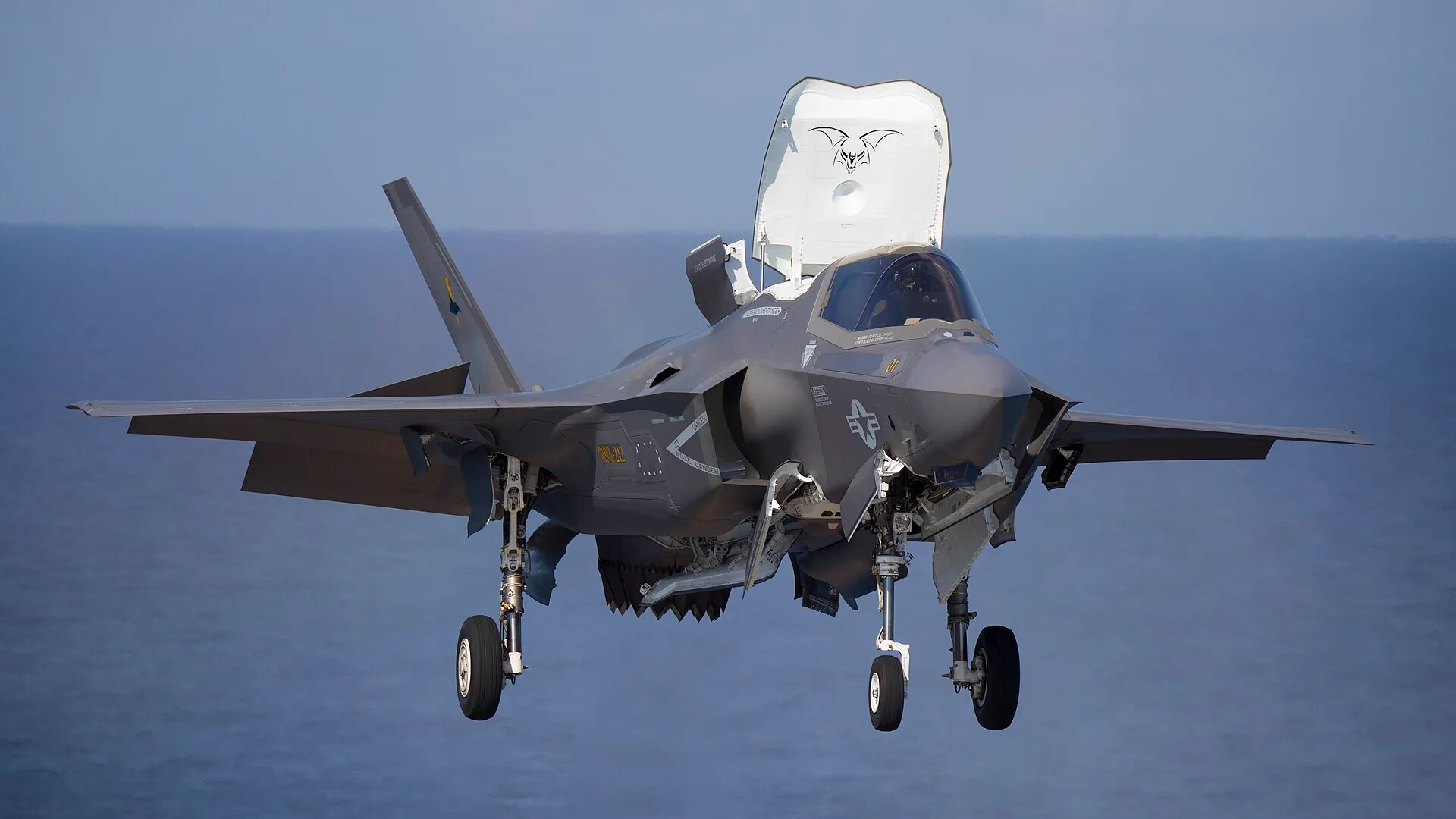
Strategic Impact
Operational use of the F-35 expanded significantly during the year, with allied pilots employing the aircraft in air defense missions for the first time.
Polish F-35s were used to intercept hostile drones, marking a notable step in frontline employment within Europe.
The scale of production has strategic implications that extend beyond individual missions. When compared with all other fifth-generation fighters worldwide, the F-35 fleet now outnumbers the combined total of rival stealth aircraft by a wide margin.
Industry analysts note that this numerical advantage, paired with networked sensors and allied interoperability, gives the F-35 a unique position in modern air combat planning. The aircraft’s availability in large numbers remains a defining advantage.
Bottom Line
The F-35 program’s record-setting production year confirms its status as the backbone of allied tactical airpower.
With output surpassing all other allied fighters combined, the aircraft’s industrial scale now matches its operational ambition.
Stay tuned with us. Further, follow us on social media for the latest updates.
Join us on Telegram Group for the Latest Aviation Updates. Subsequently, follow us on Google News
