

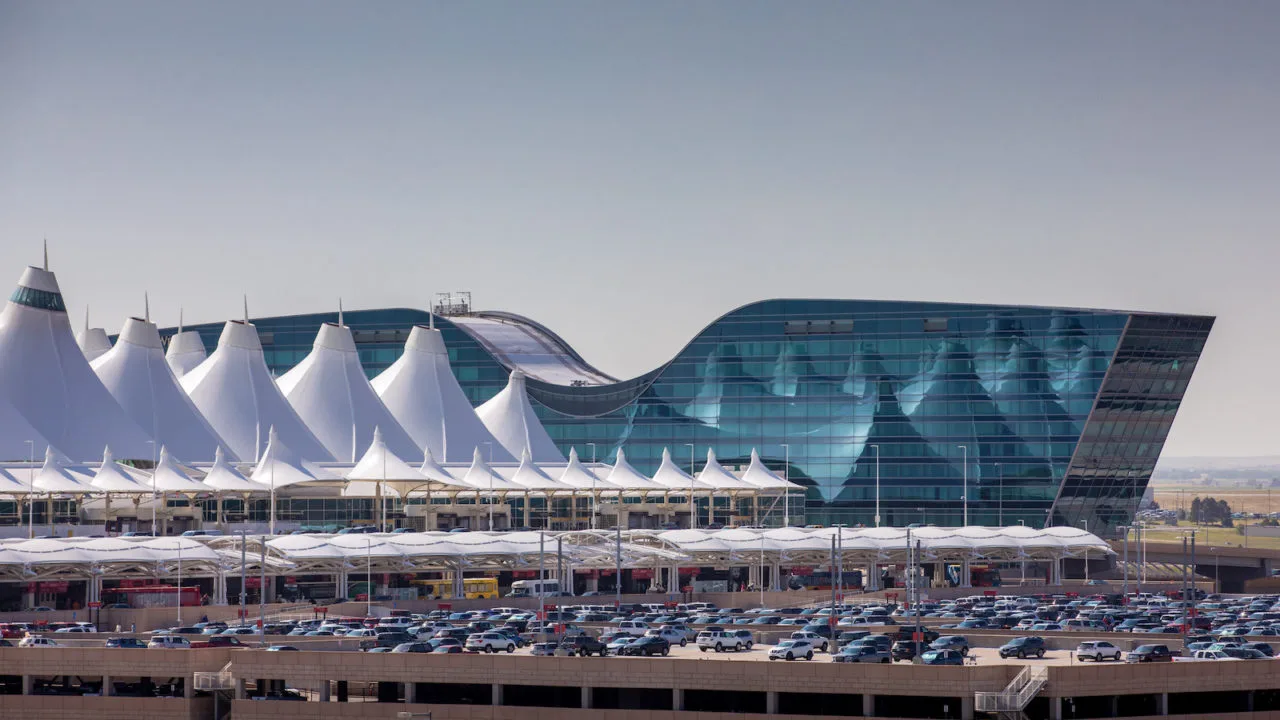
Airports are designed to erase time. Fluorescent lighting, identical corridors, the eternal loop of boarding announcements—everything conspires to make three hours feel like one long, indistinct blur. Most long layovers are something to be endured with headphones and resignation. Denver International Airport, however, refuses to cooperate with that idea.
Visitors arrive at Denver International Airport (DEN) expecting the usual coping mechanisms: a mediocre coffee, an uncomfortable chair, and a distracted scroll through my phone. Instead, they find themselves wandering an airport that behaves less like infrastructure and more like a city-sized curiosity cabinet—one that seems almost offended by the notion that you’d want to kill time quietly.
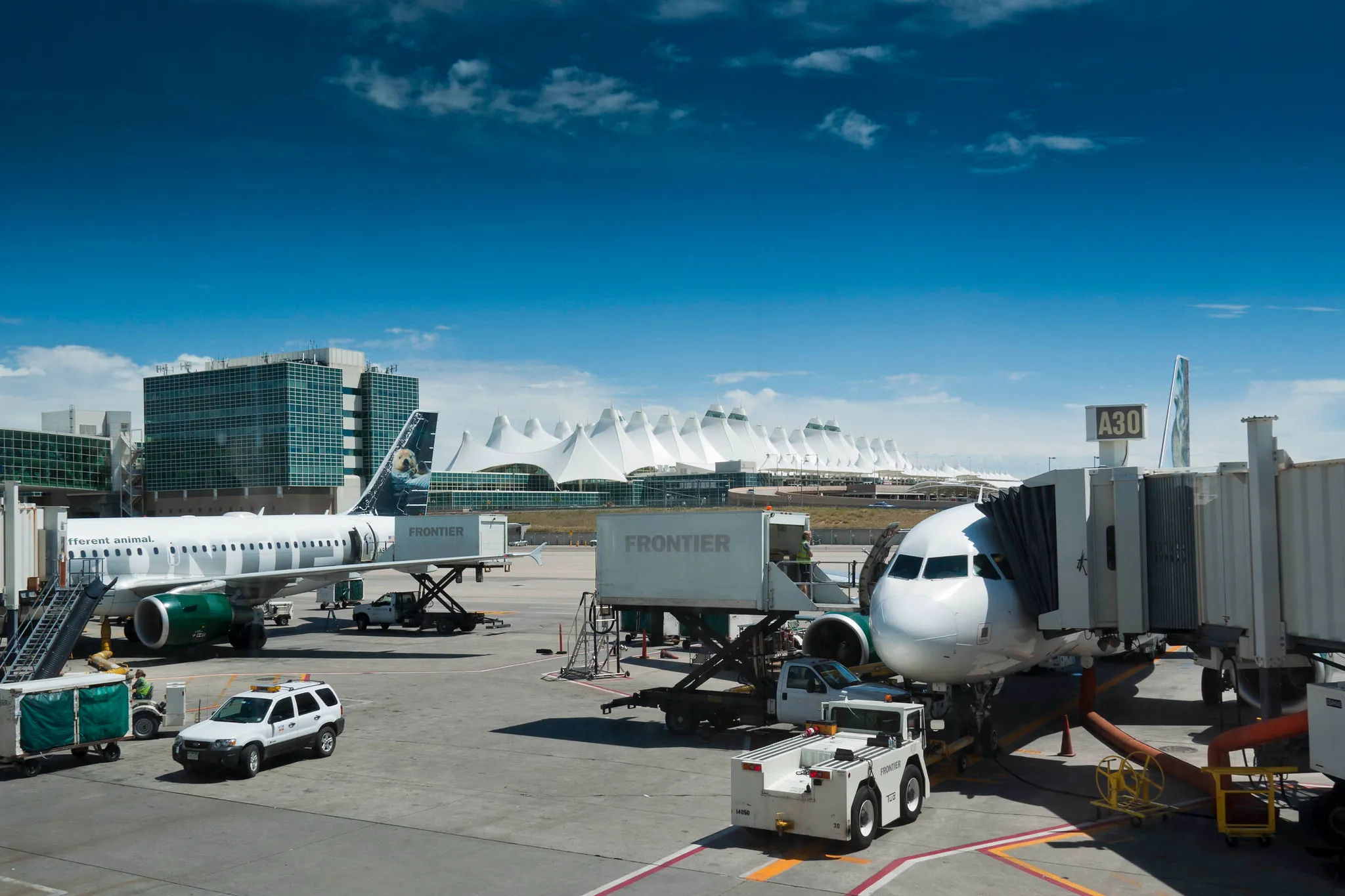
Denver: Interesting Airport in America
The first thing you notice about Denver International is not an artwork or a restaurant, but the sheer openness.
Flying in, there’s no sudden reveal of a skyline. Instead, the landscape stretches outward in long, uninterrupted bands of prairie, mountains hovering distantly like a painted backdrop.
The airport sits far from downtown, and it feels intentional—as if the city decided long ago that the airport should have room to breathe, expand, and quietly unsettle first-time visitors.
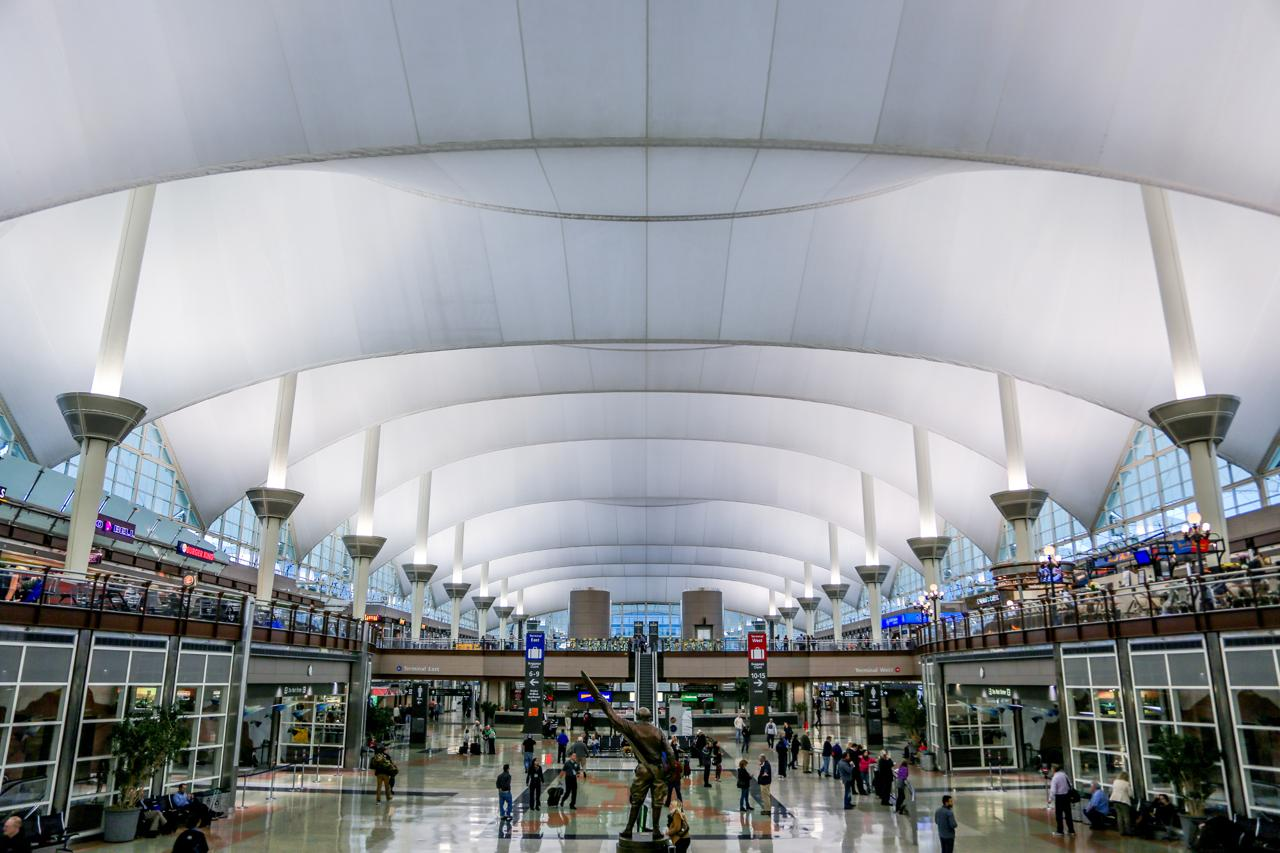
That sense of scale never really goes away. DEN is massive in a way that’s hard to contextualize while you’re inside it, but easy to feel. Long sightlines, wide concourses, light pouring in from unexpected angles—it’s an airport that seems allergic to claustrophobia.
If many American airports feel like shopping malls with runways attached, Denver feels more like a transit hub that accidentally became a cultural institution, CN Traveler reported.
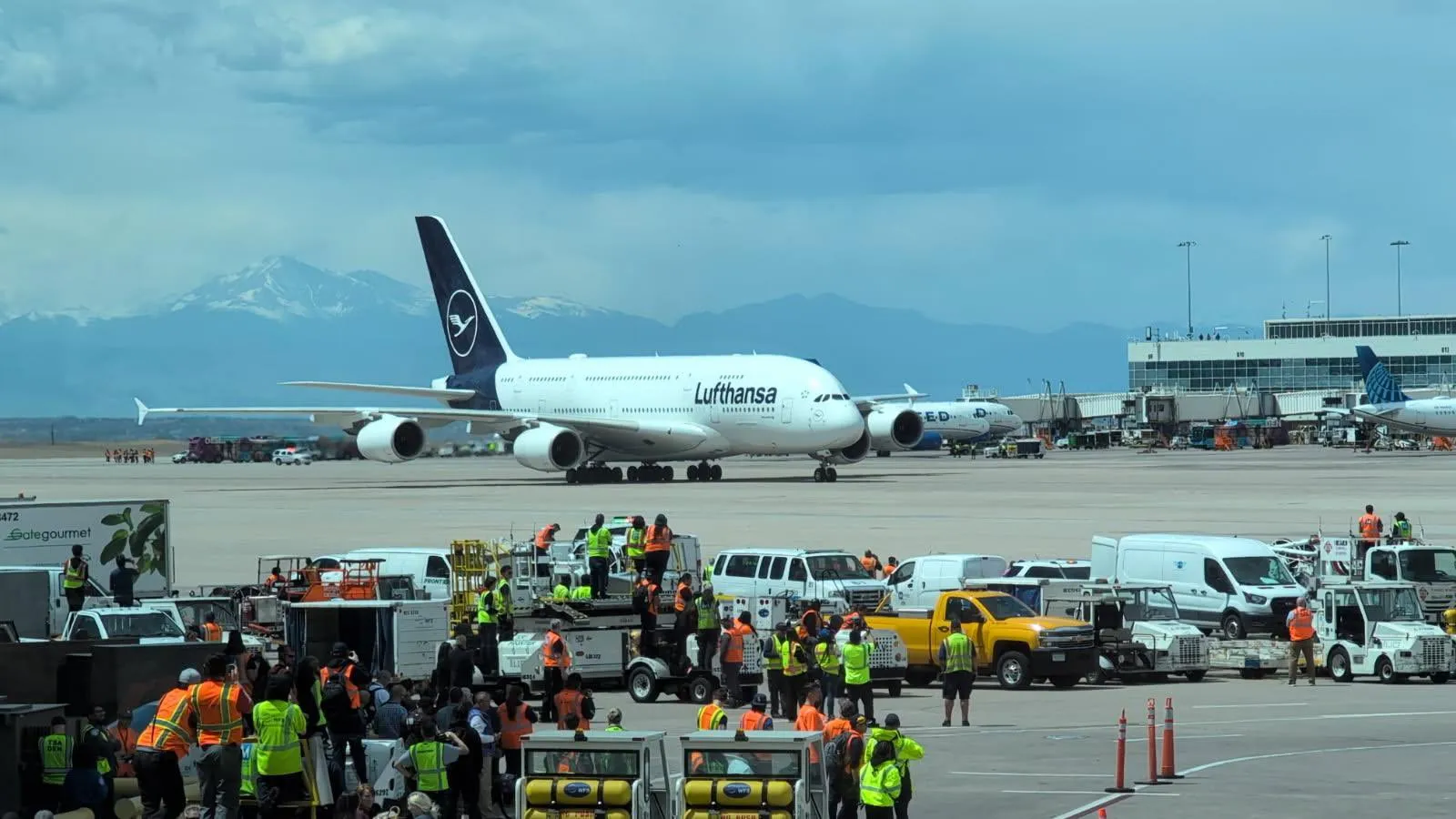
The airport that knows its reputation—and enjoys it
You don’t need to go looking for Denver’s conspiracy theories; they find you. The glowing-eyed blue mustang (“Blucifer,” as locals insist on calling it) announces your arrival with the subtlety of a warning sign.
Murals, gargoyles, and cryptic plaques are scattered throughout the terminal, just ambiguous enough to invite interpretation. None of it is hidden. That’s the point.
What’s striking isn’t the existence of the theories—every major airport has its myths—but how openly DEN acknowledges them. Signage jokes about secret tunnels and shadowy figures. Construction hoardings wink at the idea of underground bunkers.
The airport isn’t defensive; it’s playful. It understands that in the age of the internet, mystery is currency, and it has decided to spend it generously.
Rather than sanitizing its image, DEN has leaned into the weirdness. The result is an airport that feels self-aware, almost conversational. It’s as if the building itself is saying: Yes, we know you’ve heard things. Go ahead—look around.

Art where you don’t expect it
Many airports commission art. Denver curates it.
This isn’t the safe, decorative kind meant to fade into the background while you wait for a delayed flight. The art here demands attention. Some pieces are unsettling, others whimsical, and many are difficult to summarize. They don’t exist to calm travelers; they exist to provoke them.
Part of this comes from a long-standing city mandate that ties public construction to public art, but the effect at DEN feels unusually cohesive.
Installations spill into unexpected spaces—baggage claim, outdoor plazas, high above concourses where you might not notice them until you’ve walked underneath three times.
The architecture itself participates. The white, tent-like peaks of the main terminal don’t just reference mountains; they frame the entire airport experience around the idea of place. You’re not just passing through an airport. You are very specifically in Colorado, whether you intended to be or not.
Eating your way through a layover
Airports love to talk about dining options. Denver actually delivers.
One of the quiet surprises of DEN is how local it feels gastronomically. This isn’t an afterthought or a token gesture—nearly half of the food and beverage options are tied to Colorado brands. The result is a layover that can double as a compressed introduction to the city’s food culture.
Instead of defaulting to the predictable chains, you can find yourself eating thoughtfully prepared regional food that feels out of place only in the sense that it’s far better than it needs to be. Sandwiches built on locally baked bread.
Coffee from roasters with real reputations beyond the airport. Even cuisines that rarely get this kind of platform—Native American food among them—are given space here, not as novelty, but as part of the airport’s identity.
It changes the psychology of waiting. A long layover stops feeling like dead time and starts to resemble a very inefficient food tour.

Unexpected diversions
Most airports offer shopping and little else. Denver adds options that border on absurd, in the best possible way.
There’s a golf simulator tucked inside the terminal, a nod to the region’s obsession with the sport. There are quiet corners designed not just for work, but for watching the world move past.
And if your layover stretches into the truly excessive, the airport is unusually well-connected to the city itself. A direct train line turns a long wait into an opportunity—downtown Denver is close enough to feel reachable, not theoretical.
Few airports trust passengers enough to let them leave and come back without stress. DEN does, and that confidence shows.
The softest landing: dogs, everywhere
When the novelty threatens to wear off, Denver introduces its most effective intervention: dogs.
The Canine Airport Therapy Squad—official, organized, and joyfully visible—wanders the concourses with a purpose that is both simple and profound. They exist to be pet. That’s it. No hidden agenda, no performance beyond offering comfort to people who didn’t know they needed it.
Watching hardened business travelers melt at the sight of a drooling Newfoundland or an overly enthusiastic poodle is its own kind of performance art.
It humanizes the airport in a way no design feature ever could. You remember, suddenly, that travel is stressful, that kindness can be structured into systems, and that not every interaction in public space has to be transactional.
Why this airport works
What makes Denver International so compelling isn’t any single attraction. It’s the accumulation of choices that suggest a philosophy: an airport doesn’t have to be neutral.
DEN embraces specificity—regional food, challenging art, inside jokes, dogs in vests—and trusts travelers to engage with it. It assumes curiosity instead of impatience. In doing so, it transforms the layover from an inconvenience into an experience.
Not every airport should attempt this. Many couldn’t pull it off even if they wanted to. But Denver’s particular mix of space, self-awareness, and civic pride creates something rare: a place you might willingly arrive early for.

Bottom Line
By the time my boarding call came, I realized I wasn’t eager to escape. That alone felt unusual. I hadn’t rushed through a checklist or killed time mechanically.
I’d wandered, eaten well, laughed at signage, and watched strangers smile at dogs. I’d been entertained without being overwhelmed.
As the plane lifted off, the airport shrank back into the prairie, its white peaks blending into the landscape. I hadn’t seen downtown Denver. I hadn’t driven into the mountains. And yet, somehow, I felt like I’d visited.
For an airport—especially one built for connections—that might be the highest compliment there is.
Stay tuned with us. Further, follow us on social media for the latest updates.
Join us on Telegram Group for the Latest Aviation Updates. Subsequently, follow us on Google News
