

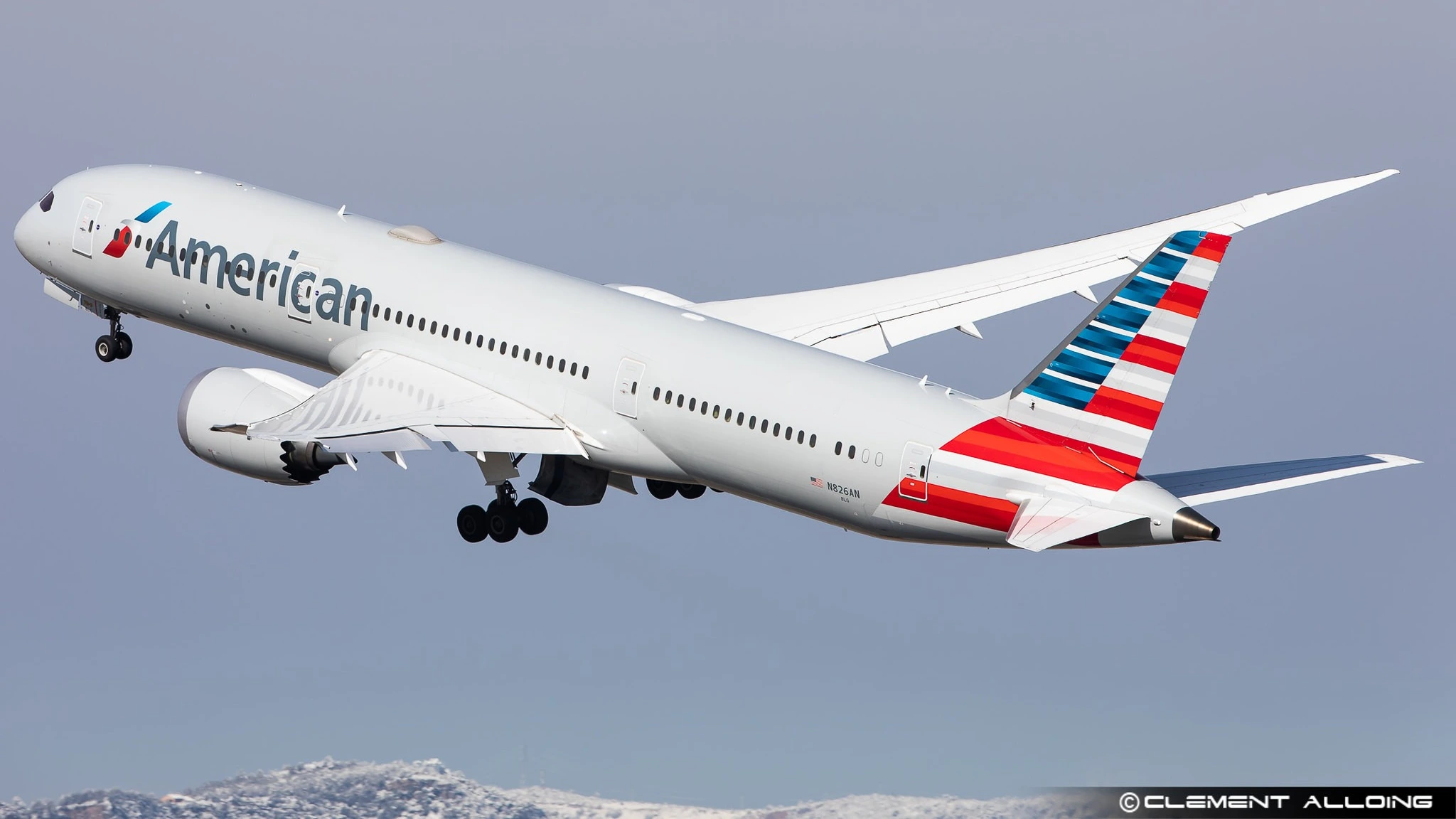
FORT WORTH- American Airlines (AA) has introduced its new Boeing 787-9 Dreamliner on the Auckland to Dallas Fort Worth service, strengthening capacity for the peak summer travel period. The aircraft began operating on the route this week and will remain in service until March 28.
The service connects Auckland Airport (AKL) with Dallas Fort Worth International Airport (DFW), American Airlines’ largest hub. The move reflects sustained demand on the trans-Pacific route since its launch in 2022.
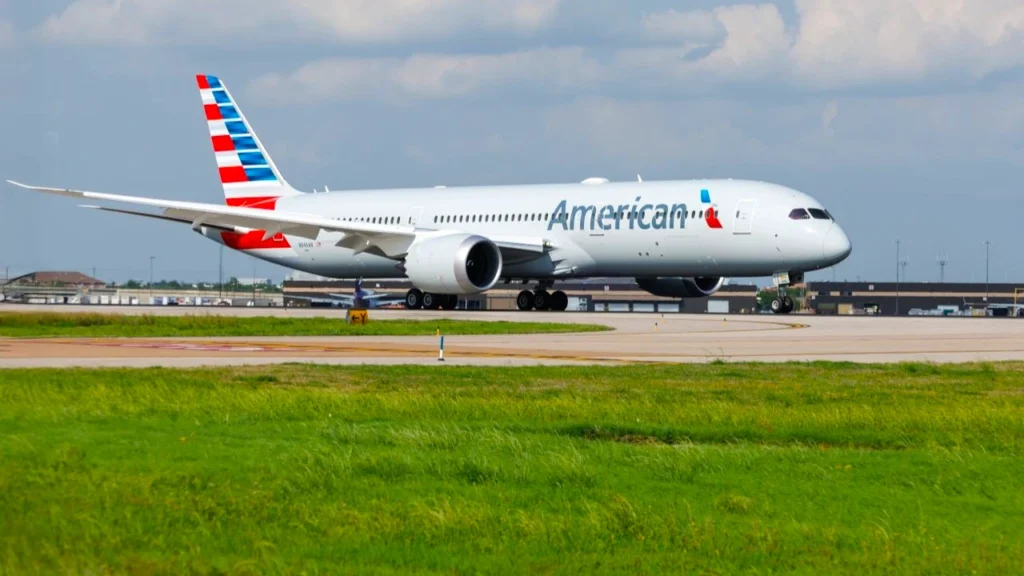
American Airlines 787-9 to Auckland
American Airlines has positioned the Boeing 787-9 as a key upgrade for customers flying between New Zealand and Texas. The aircraft features the airline’s Flagship Suite product, offering a premium experience designed for long-haul comfort.
The Flagship Suite includes 51 seats with increased personal storage and a distinctive chaise lounge-style design. Adjustable headrest pillows and refined cabin finishes are intended to improve rest on the 13.5-hour journey.
American Airlines first introduced the Flagship Suite in 2023, with Auckland among four international cities selected for early deployment.
Beyond premium cabins, the 787-9 brings noticeable updates across the aircraft. The premium economy cabin includes 32 seats with upgraded trim, wireless charging, water bottle storage, and both USB-C and AC power outlets.
Economy class passengers also benefit from redesigned seating. New headrest wings provide additional privacy, while added calf and foot rests aim to improve comfort on ultra-long-haul sectors. American Airlines has positioned the aircraft upgrade as a fleet-wide improvement rather than a premium-only enhancement, NZ Herald.

Aircraft Performance and Operational Details
The Boeing 787-9 shares the same wingspan as the earlier 787-8 but features a longer fuselage and higher maximum takeoff weight. These changes allow for increased capacity and improved range, supporting consistent operations on long trans-Pacific routes.
Flights from Auckland to Dallas-Fort Worth depart at 1:20 pm and have an average flight time of approximately 13.5 hours. As of this week, round-trip economy fares for February were listed from NZ$2,024.
Auckland Airport officials have highlighted the aircraft upgrade as a signal of the route’s strong performance. Dallas-Fort Worth serves as American Airlines’ primary hub, offering extensive onward connections across the United States.
American Airlines competes directly with Air New Zealand on Auckland–Los Angeles services. On Texas routes, Air New Zealand operates flights between Auckland and Houston, while American Airlines remains the sole carrier offering a nonstop Auckland–Dallas Fort Worth service.
Auckland Travel Guide
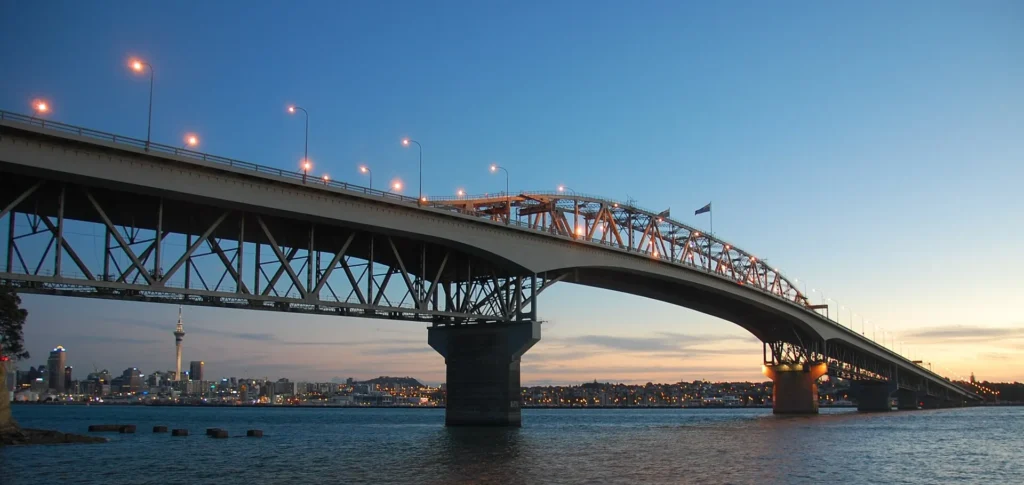
Auckland is the largest city in New Zealand and the country’s primary international gateway, handling most long-haul arrivals through Auckland International Airport.
While often mistaken for the capital, it functions instead as the nation’s transport, tourism, and commercial hub.
For most travelers, Auckland works best as a short stay rather than a destination to linger in. It offers solid attractions, easy day trips, and good infrastructure, but the country’s most dramatic landscapes lie beyond the city.
Auckland’s Role as New Zealand’s Gateway City
Auckland sits on a narrow isthmus between the Waitematā and Manukau harbors, giving it direct access to beaches, islands, and volcanic terrain. Nearly all international visitors pass through the city, making it a natural starting point for wider travel across the North Island and beyond.
The urban area is spread out and not especially compact, which shapes how visitors experience it. Public transport is reliable, food options are varied, and nature is always close, but the city itself is not the highlight of most New Zealand itineraries. Three to four days is generally sufficient to see the main sights and adjust after long-haul flights.
Top Things to See and Do in Auckland
Waiheke Island Day Trip
Waiheke Island lies 21 kilometers from downtown Auckland and is best known for vineyards, beaches, and coastal walking tracks. Ferries operate regularly and take about 45 minutes each way. Visitors can explore independently or join guided wine tours that cover multiple vineyards. The island is manageable by bus, bike, or rental car and is one of the city’s most rewarding day trips.
Sky Tower Experience
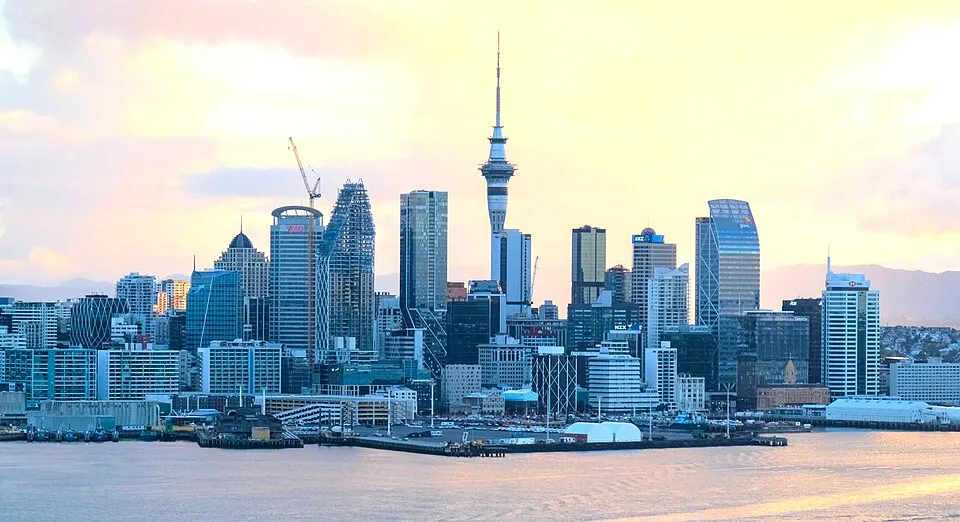
Completed in 1997, Sky Tower rises 328 meters and remains the tallest free-standing structure in the Southern Hemisphere. It offers citywide views, a revolving restaurant, and adventure activities such as SkyWalk and bungy jumping. Advance booking reduces admission costs.
Auckland Domain and War Memorial Museum
The Auckland Domain, established in the 1840s, is the city’s oldest park and a central recreational space. Located within it, the Auckland War Memorial Museum provides comprehensive exhibits on Maori culture, natural history, and New Zealand’s military heritage. The surrounding gardens and walking paths add to the appeal.
Waitakere Ranges Regional Park
Stretching roughly 25 kilometers west of the city, the Waitakere Ranges feature waterfalls, coastal viewpoints, and black sand beaches. Some forested tracks remain closed to limit the spread of kauri dieback disease, but coastal walks and scenic lookouts are still accessible and popular.
Other Notable Attractions Around Auckland
Hauraki Gulf and Nearby Islands
The Hauraki Gulf supports sailing, fishing, snorkeling, and wildlife viewing. Rangitoto Island offers volcanic trails and lava caves, while Motuihe Island focuses on beaches and conservation. Kawau Island adds historical interest through its restored mansion dating to 1845.
Auckland Zoo and MOTAT
Opened in 1922, Auckland Zoo houses more than 1,400 animals and operates a working veterinary hospital visible to visitors. Nearby, the Museum of Transport and Technology displays historic trams, aircraft, and rail exhibits, including the largest aviation collection in the Southern Hemisphere.
North Shore Beaches
The North Shore is Auckland’s main coastal leisure area, known for swimming, kayaking, sailing, and surfing. Historic sites such as Fort Takapuna add context, while the area also supports a lively evening scene.
Muriwai Gannet Colony
About 40 minutes from central Auckland, Muriwai Beach hosts thousands of breeding gannets between August and March. Viewing platforms allow close observation, and the surrounding area supports surfing, cycling, and coastal hiking.
Hobbiton Movie Set
Located about two hours from Auckland, Hobbiton is one of New Zealand’s most visited attractions. Tours operate through the private farm where scenes from The Lord of the Rings and The Hobbit were filmed. Entry is only possible via guided tour, and advance booking is essential.
Safety and Travel Awareness
Auckland is generally safe, with low levels of violent crime. Standard precautions apply, particularly in nightlife areas. Solo travelers, including women, typically report few issues when following basic safety practices.
The main risks come from weather and natural events. Heavy rain, strong winds, and occasional earthquakes can occur. Travelers are advised to monitor local alerts and consider using the New Zealand Red Cross Hazard App for updates. Emergency services can be reached by dialing 111. Copies of important documents and comprehensive travel insurance are strongly recommended.
Where to Stay in Auckland
Accommodation ranges from hostels to luxury hotels. Budget travelers often choose central hostels or backpacker lodges, while midrange visitors favor city hotels or private rooms. Higher-end options cluster around the waterfront and SkyCity precinct. Campsites and cabins are available outside the city for those with transport.
Typical Auckland Travel Costs
Accommodation costs are among the highest in the country. Dorm beds generally range from 40 to 60 NZD per night, while private rooms and budget hotels start around 100 to 170 NZD. Food costs vary widely, with groceries offering the best savings.
Daily budgets typically fall into three categories. Backpackers can manage on about 125 NZD per day, midrange travelers around 275 NZD, and upscale visitors should expect 500 NZD or more depending on activity choices.
Money-Saving Tips for Auckland
Cooking meals, using public transport, and limiting paid attractions help control costs. House sitting, WWOOFing, and short-term work are common options for longer stays. Happy hour pricing, sightseeing passes, and last-minute activity discounts can also reduce expenses. Tap water is safe to drink, making reusable bottles practical.
Getting Around the City
Buses form the backbone of Auckland’s transport system, supported by trains and ferries. The AT HOP card is required and offers discounted fares plus a weekly fare cap. The airport connects to the city via express bus in about 45 minutes.
Ridesharing services are widely used and cheaper than taxis. Car rentals are unnecessary for city travel but useful for regional trips. Driving is on the left, and an International Driver’s Permit may be required.
Best Time to Visit Auckland
Summer runs from December to February and brings warm temperatures, long days, and peak crowds. Autumn and spring offer milder weather, fewer visitors, and better value.
Winter is cooler, wetter, and often the cheapest period for flights and accommodation. Shoulder seasons provide the best balance for most travelers.
Stay tuned with us. Further, follow us on social media for the latest updates.
Join us on Telegram Group for the Latest Aviation Updates. Subsequently, follow us on Google News
