

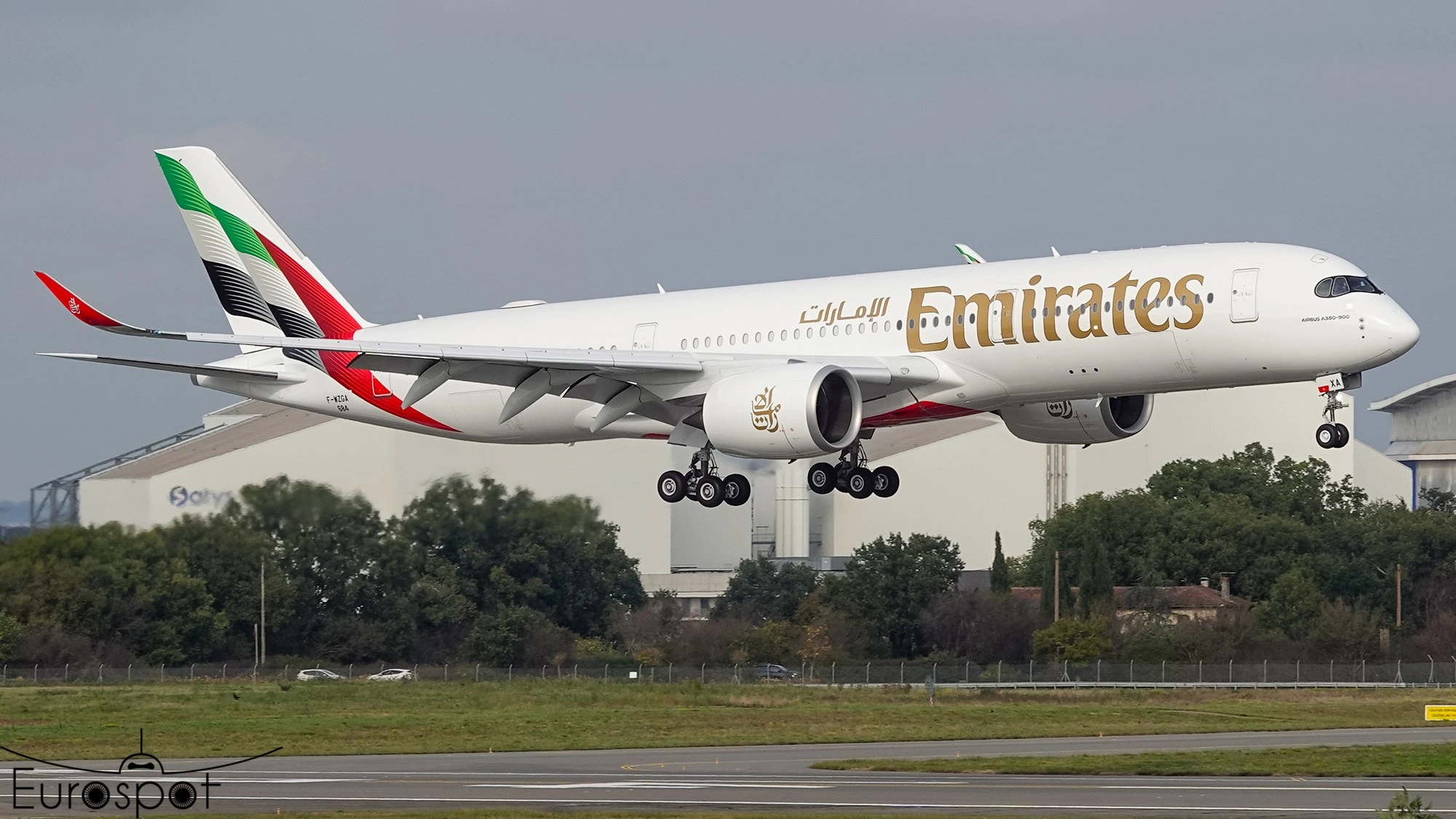
DUBAI- Emirates (EK) will be allowed to operate direct flights between Dubai International Airport (DXB) and Berlin Brandenburg Airport (BER), ending a long-running restriction on its access to the German capital.
The approval follows years of lobbying by Emirates, which faced strong opposition from Lufthansa. The airline can now add Berlin to its German network without giving up one of its existing destinations.
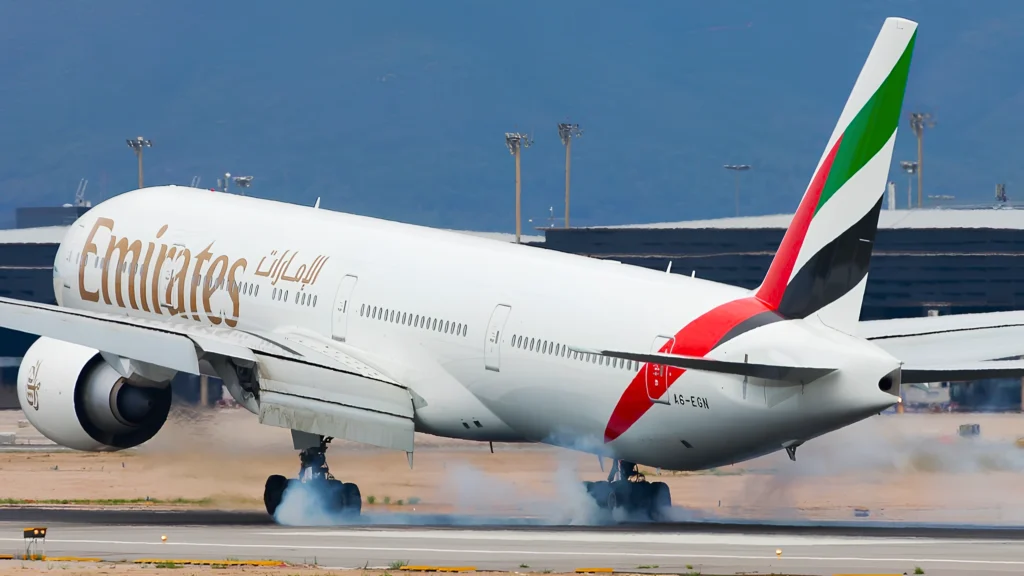
Emirates Secures Long-Sought Berlin Flight Rights
Emirates has finally secured permission to operate nonstop flights between its Dubai hub and Berlin after years of negotiations and lobbying over access to Germany.
The German Ministry of Transport approved the additional traffic rights during the official state visit of UAE President His Highness Sheikh Mohamed bin Zayed Al Nahyan to Germany.
The decision also came as the UAE pledged to invest $40 billion in Germany across several sectors, including artificial intelligence, digital infrastructure and energy. The investment commitment formed part of a broader effort to strengthen economic ties between the UAE and Germany.
For Emirates, the aviation decision removes a major regulatory barrier that had limited its expansion in one of Europe’s largest aviation markets.
The airline had been restricted by a decades-old air services agreement between the UAE and Germany. Under that arrangement, Emirates was allowed to operate to only four German cities.
The airline chose to use those rights for Frankfurt, Munich, Düsseldorf and Hamburg. These destinations gave Emirates access to Germany’s major business and population centres, but they also meant that Berlin could not be added without sacrificing one of the existing routes.
That restriction made Berlin a particularly important target for Emirates. The German capital has long been a major international travel market, but Emirates could not enter it while maintaining its existing four-city network under the previous rules.
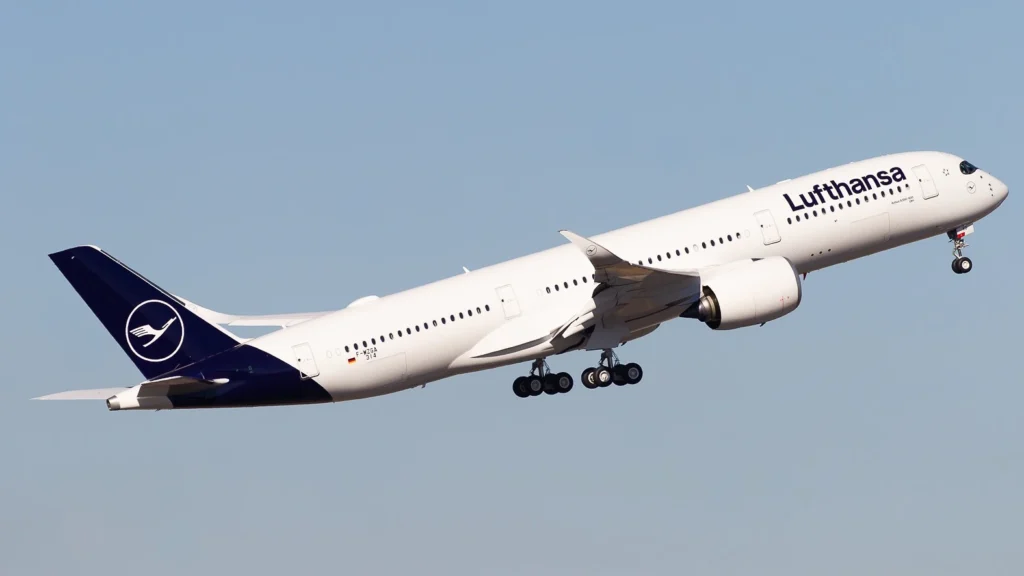
Lufthansa Strongly Opposed More Emirates Access
Germany’s flag carrier Lufthansa had been deeply opposed to granting Emirates broader access to the German market.
Lufthansa argued that Emirates was propped up by government money, which it said created an unequal competitive environment for European airlines. That position contributed to a long-running dispute over whether Emirates should receive additional traffic rights in Germany.
For years, the German government had sided with Lufthansa on the issue, making it difficult for Emirates to secure approval for Berlin.
Earlier this year, however, it became increasingly clear that Germany’s position could change. Emirates became confident enough that it would receive permission to serve Berlin in addition to Frankfurt, Munich, Düsseldorf and Hamburg.
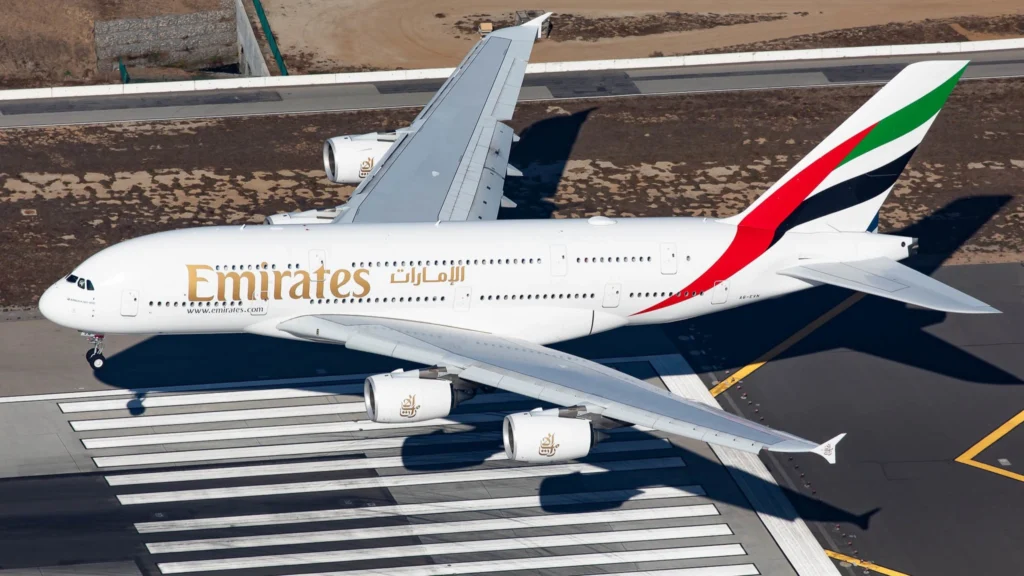
Emirates Prepared for Berlin Before Final Approval
Emirates had already taken practical steps to prepare for a possible launch.
The airline acquired a pair of slots at Berlin Brandenburg Airport in anticipation of beginning service. In European aviation, a slot pair refers to scheduled periods for an aircraft to arrive at an airport and later depart.
Airlines generally need the necessary slot availability before operating scheduled services at airports where capacity is coordinated.
The move showed that Emirates was preparing for Berlin service before the final government approval was announced.
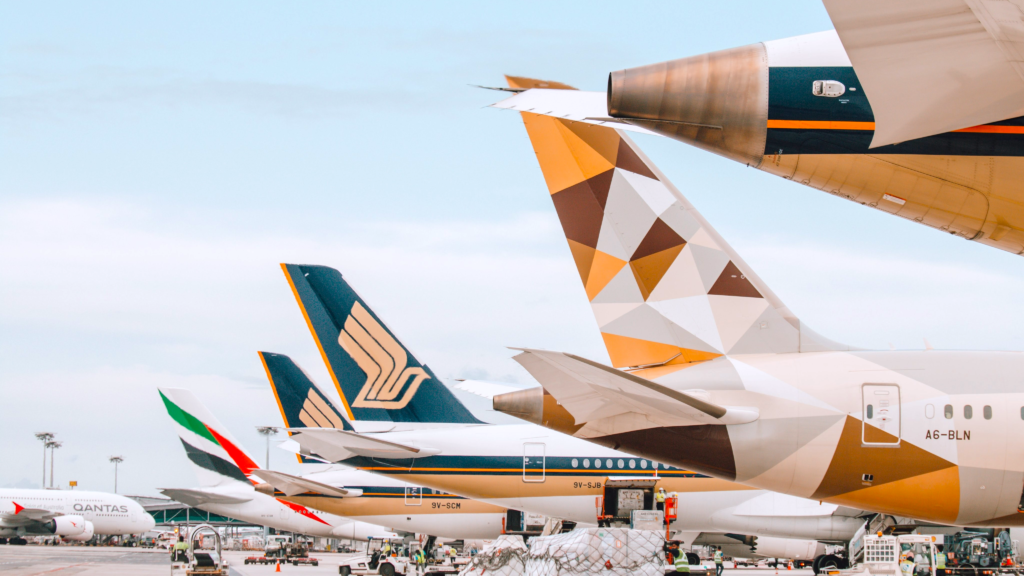
Daily Dubai-Berlin Flights Could Start in 2027
Under the new rights, Emirates will be permitted to operate one daily flight between Dubai and Berlin.
Services are expected to begin as early as December 2027, giving the airline a fifth German destination without requiring it to withdraw from Frankfurt, Munich, Düsseldorf or Hamburg.
The addition will expand Emirates’ presence in Germany while giving passengers in Berlin a direct link to Dubai and onward connections across the airline’s global network.
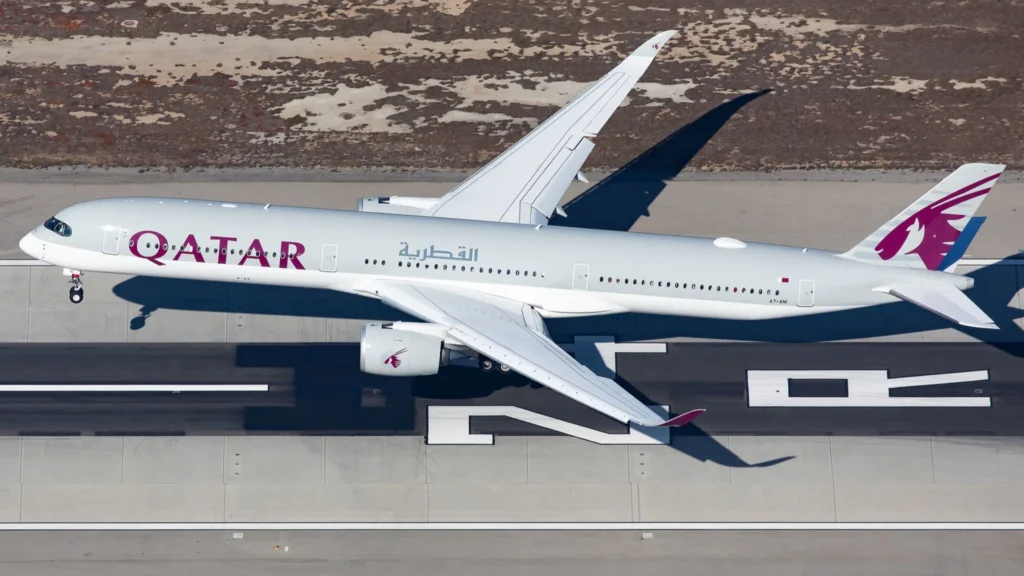
Qatar Airways Already Had Broader Berlin Access
The competitive argument became more difficult to sustain because Emirates was not the only Gulf carrier serving Berlin.
Qatar Airways had already been allowed to operate flights to Berlin as well as four other German cities. The airline had made full use of those rights, strengthening its presence in the German market while Emirates remained restricted to four destinations.
That difference added pressure to the long-standing limits on Emirates. The approval for Berlin therefore changes an imbalance that had become increasingly difficult to justify from a market-access perspective.
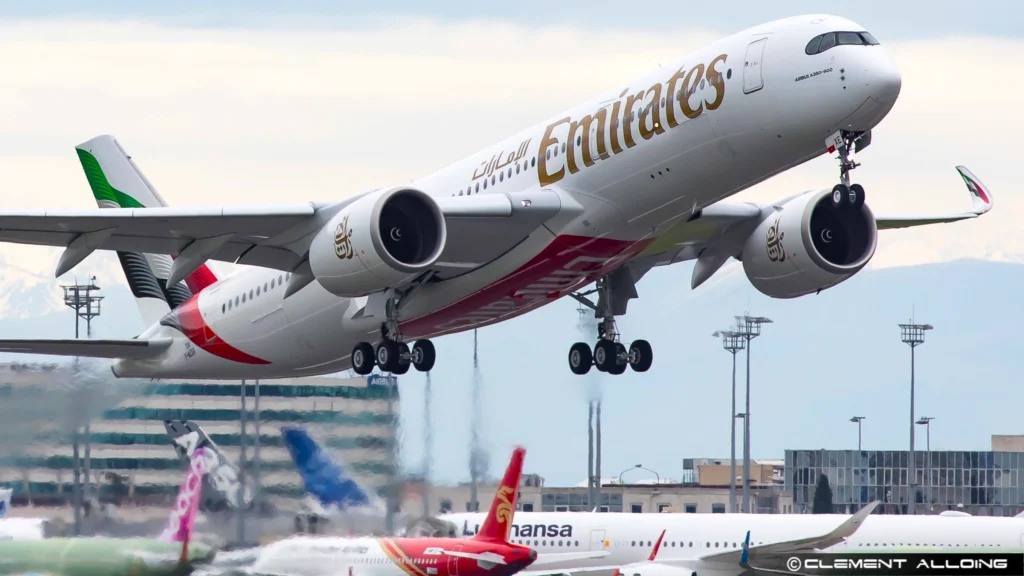
Why Berlin Matters to Emirates
Adding Berlin allows Emirates to strengthen its position in the German market without giving up any of its established routes.
Frankfurt and Munich remain major international hubs, while Düsseldorf and Hamburg serve important regional and business markets. Berlin adds the German capital and creates a broader geographic footprint for Emirates.
The new route also gives Berlin passengers another long-haul option and provides access to Dubai as a connecting hub for travel beyond the Middle East.
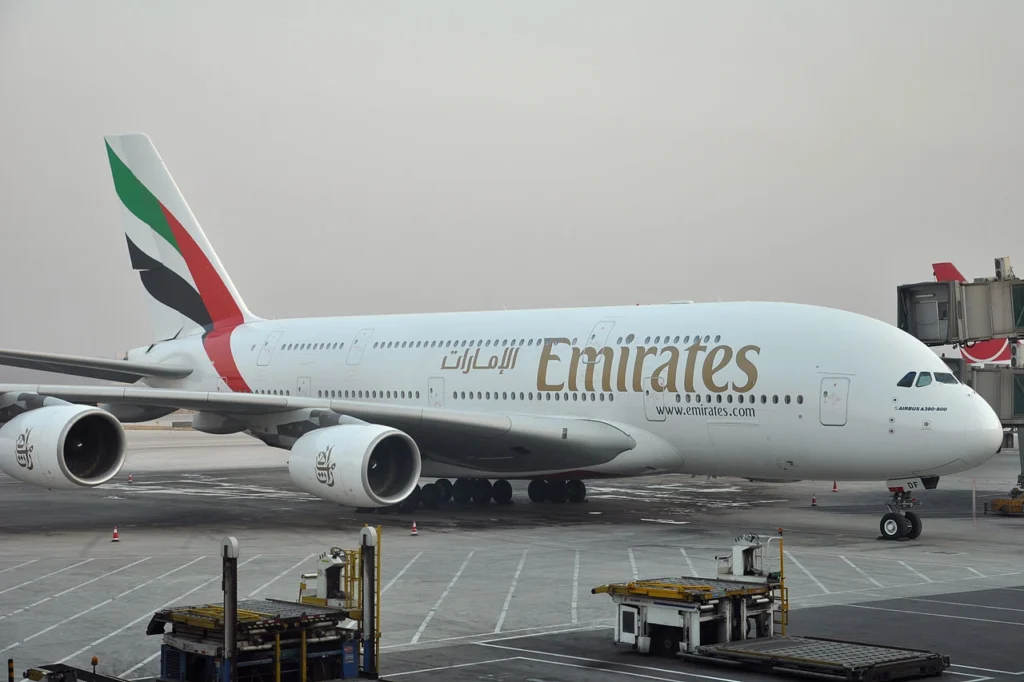
Major Shift After Years of Lobbying
The Berlin approval marks a significant change in Germany’s approach to Emirates.
For years, the airline had pushed for greater access while Lufthansa resisted additional rights. The previous four-city limit forced Emirates to choose between maintaining its established German network and adding Berlin.
That trade-off will no longer apply once the new rights take effect. Emirates can now pursue Berlin service while retaining its four existing German destinations.
The agreement represents the end of a long regulatory dispute and gives Emirates a clearer path to expanding its German operations.
What Berlin Decision Means
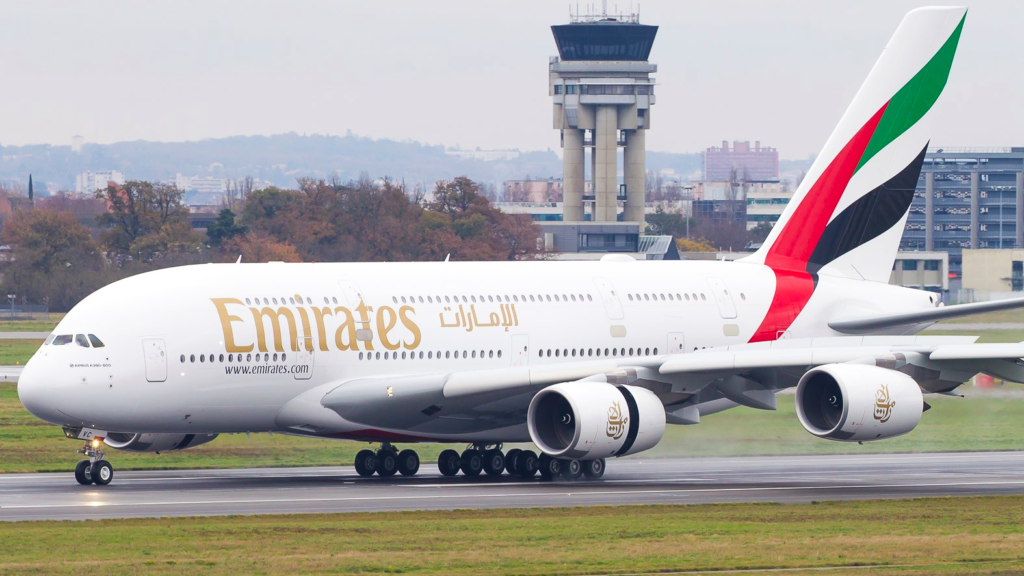
The approval gives Emirates the ability to connect Berlin directly with Dubai through a daily scheduled service expected as early as December 2027.
For Emirates, the decision expands its German network and removes the need to replace an existing destination. For Berlin, it adds a major international airline and a new nonstop connection to Dubai.
The development also illustrates how aviation access can become closely linked to broader commercial and diplomatic relations between countries.
Stay tuned with us. Further, follow us on social media for the latest updates.
Join us on Telegram Group for the Latest Aviation Updates. Subsequently, follow us on Google News
