

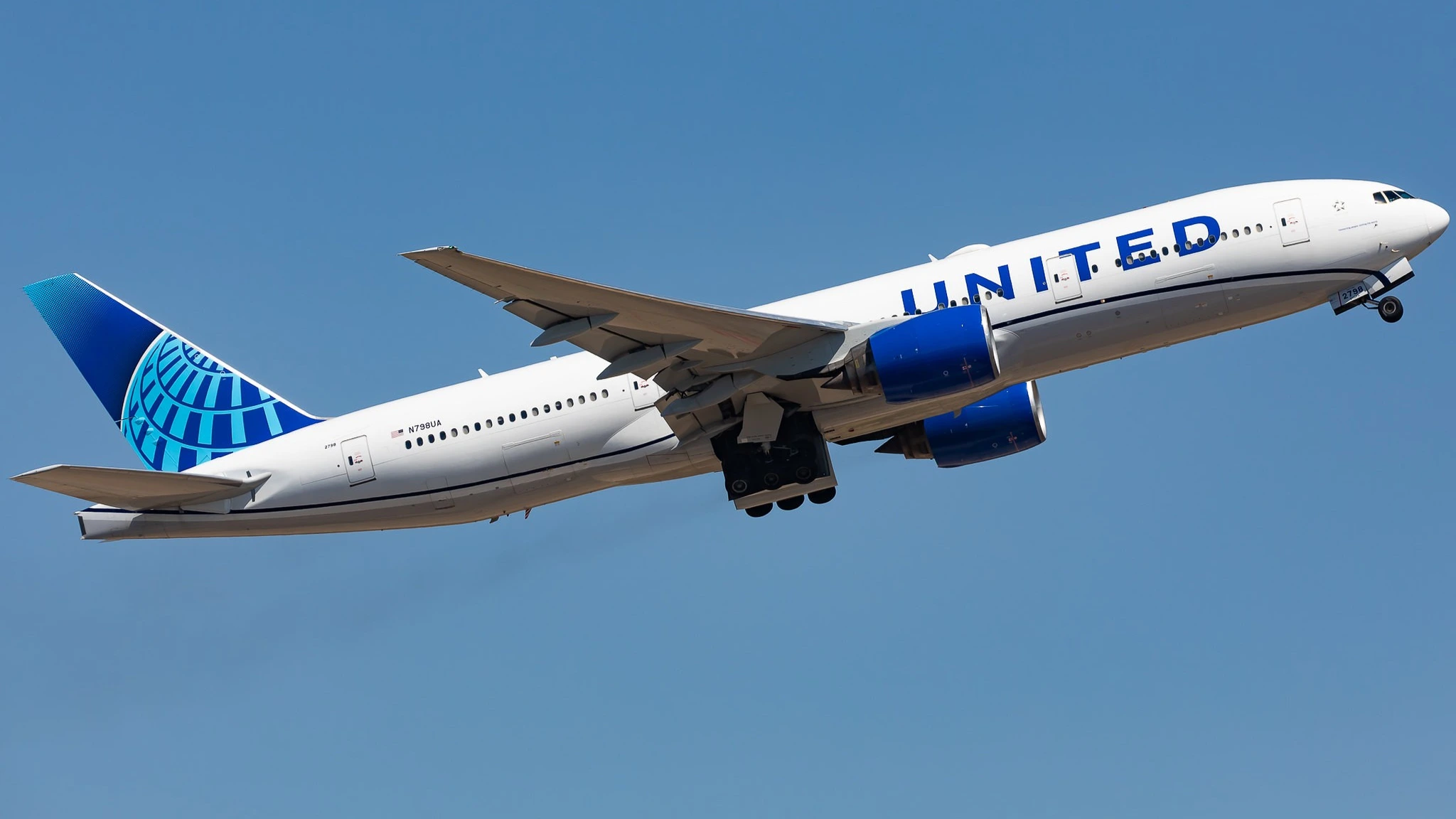
CHICAGO- A senior Google scientist criticised a First Class meal served by United Airlines (UA) on his recent flight. The post, shared on X, described the food as poorly presented and below premium service expectations.
The passenger, Google Distinguished Scientist Peyman Milanfar, said the meal quality on United Airlines during the five-hour flight did not reflect a First Class experience. His comments spread quickly online and triggered wider discussion about the airline’s catering standards.
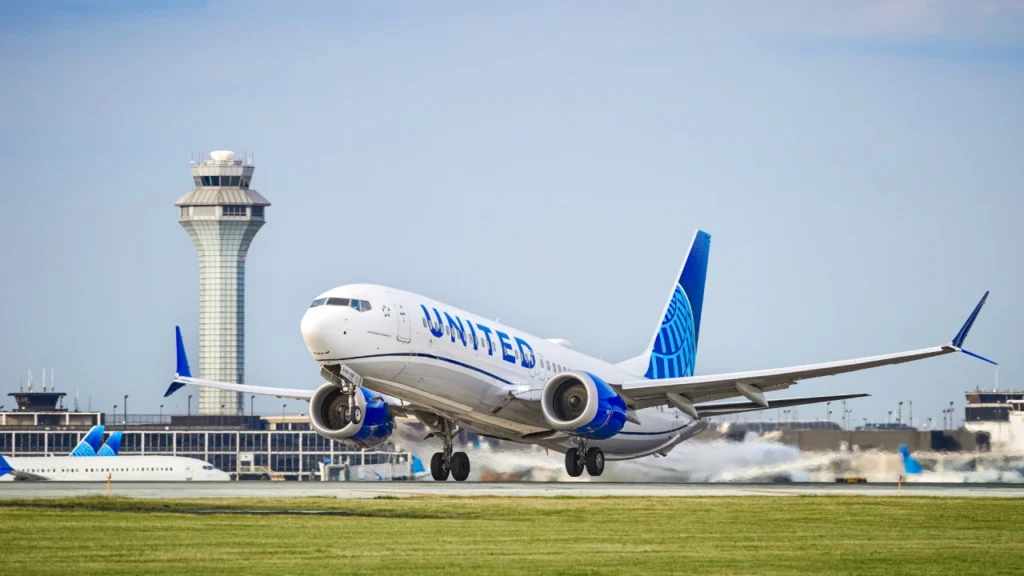
United First Class Meal Experience
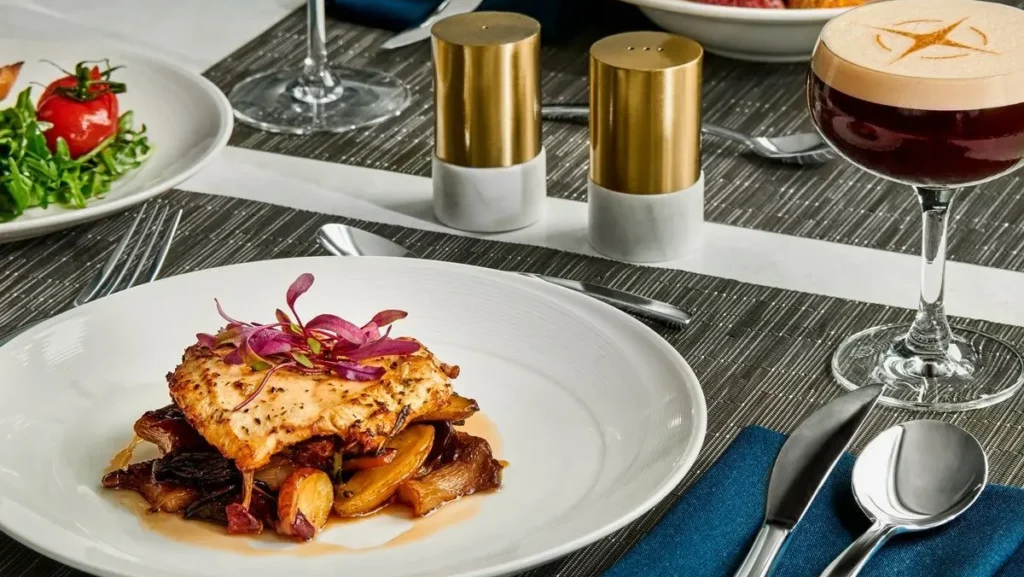
Milanfar shared an image of the meal and described it as processed and unattractive in both appearance and content.
Due to his large following, the post gained rapid traction across social media. United Airlines responded publicly, apologising and acknowledging that the meal did not meet expectations. Reported by PYOK.
United Airlines has invested in premium cabins and product upgrades across the network. However, frequent flyers continue to report inconsistency in meal quality. Many compare United unfavourably to airlines such as Air France, Turkish Airlines, and Delta, where premium dining often receives stronger feedback.
Brand Positioning And Customer Expectations
Industry observers note that food service is a key element of premium positioning. When meals appear basic or poorly presented, passengers may feel that the overall product falls short of the airline’s brand goals. The latest incident reinforces existing perceptions among some travellers.
United leadership has indicated that wider service improvements are planned over the coming years. While catering has not been formally highlighted as a core focus, passengers hope that meal quality and presentation will receive attention as part of ongoing investment.
This case demonstrates the influence of social media in shaping airline reputation. A single high-profile passenger experience can quickly become a wider industry conversation. For many viewers, the reaction to the United Airlines First Class meal reflects broader expectations for consistency in premium travel.
Similar Event
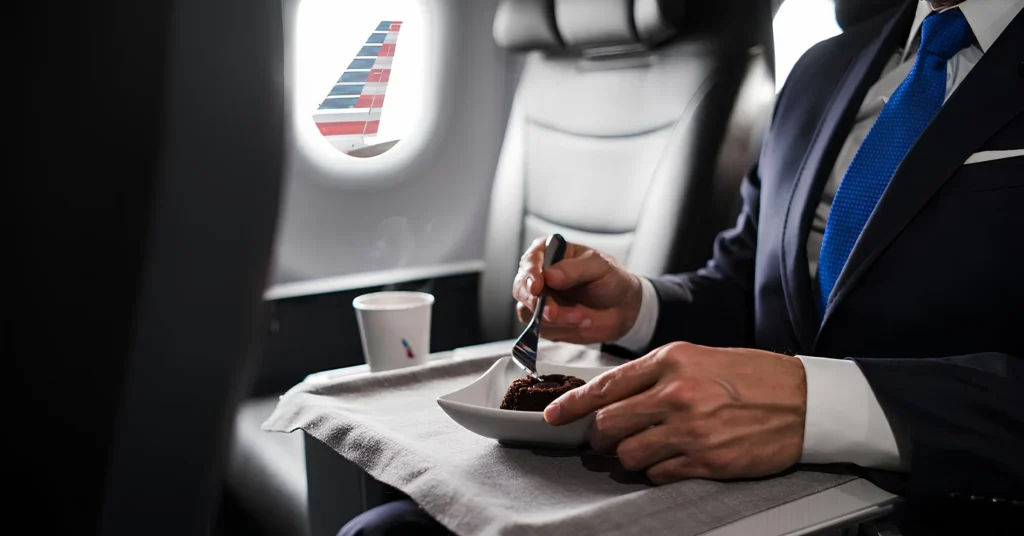
American Airlines (AA) continues to serve a low cost bundt cake in domestic first class on routes such as Dallas/Fort Worth (DFW) to New York JFK (JFK), despite promoting a premium brand strategy.
The dessert was introduced to support tight catering budgets, yet it remains part of the inflight service even as the airline focuses on higher fare revenue from premium cabins.
First Class Dessert Strategy Raises Questions
The bundt cake was first added in 2022 when American Airlines (AA) adjusted its catering model for flights between 900 and 1,499 miles. It is mass-produced in a commissary, frozen, and plated onboard at an estimated cost of about 40 cents per serving. The product was designed to look premium while remaining inexpensive and efficient to load.
Passenger reports indicate that the dessert often falls short of first class expectations. While meal trays include plated entrees, the quality gap becomes clear when compared with other premium airlines. Critics argue that the dessert weakens the perception of value despite the airline’s investments in aircraft interiors and upgraded lounges.
The airline is shifting toward higher-yielding premium travel, but the current dessert program reflects an earlier cost-driven approach. This creates mixed messaging for travelers who expect the soft product to match the marketing.
Updated Menus but Inconsistent Experience
American Airlines (AA) introduced refreshed domestic first class meals in February 2024, including new dishes created with chef Ellie Krieger.
Häagen-Dazs ice cream sundaes are also served on flights over 1,500 miles. However, the bundt cake remains the standard dessert on shorter segments, which prevents full alignment between routes.
In lounges, the airline already demonstrates the ability to source well known bakery items such as Magnolia Bakery cupcakes. These offerings show that premium food partnerships can be added without major operational disruption.
Possible Improvement Options
A simple inflight upgrade could extend bakery partnerships to domestic first class service. Items such as cupcakes or small pastries would maintain efficiency while improving presentation and taste. Another option would be serving recognizable desserts like Biscoff cookies on short flights.
For key transcontinental markets, rotating seasonal desserts would support premium positioning and repeat loyalty.
American Airlines is investing in new Flagship Suite seating for the Boeing 787 and enhancing its lounge network to appeal to premium travelers. For the strategy to succeed, inflight dining must reflect the same level of care.
Replacing the current 40-cent dessert would be a visible step toward aligning brand promise with the onboard experience and staying competitive with Delta Air Lines and United Airlines.
Stay tuned with us. Further, follow us on social media for the latest updates.
Join us on Telegram Group for the Latest Aviation Updates. Subsequently, follow us on Google News
