

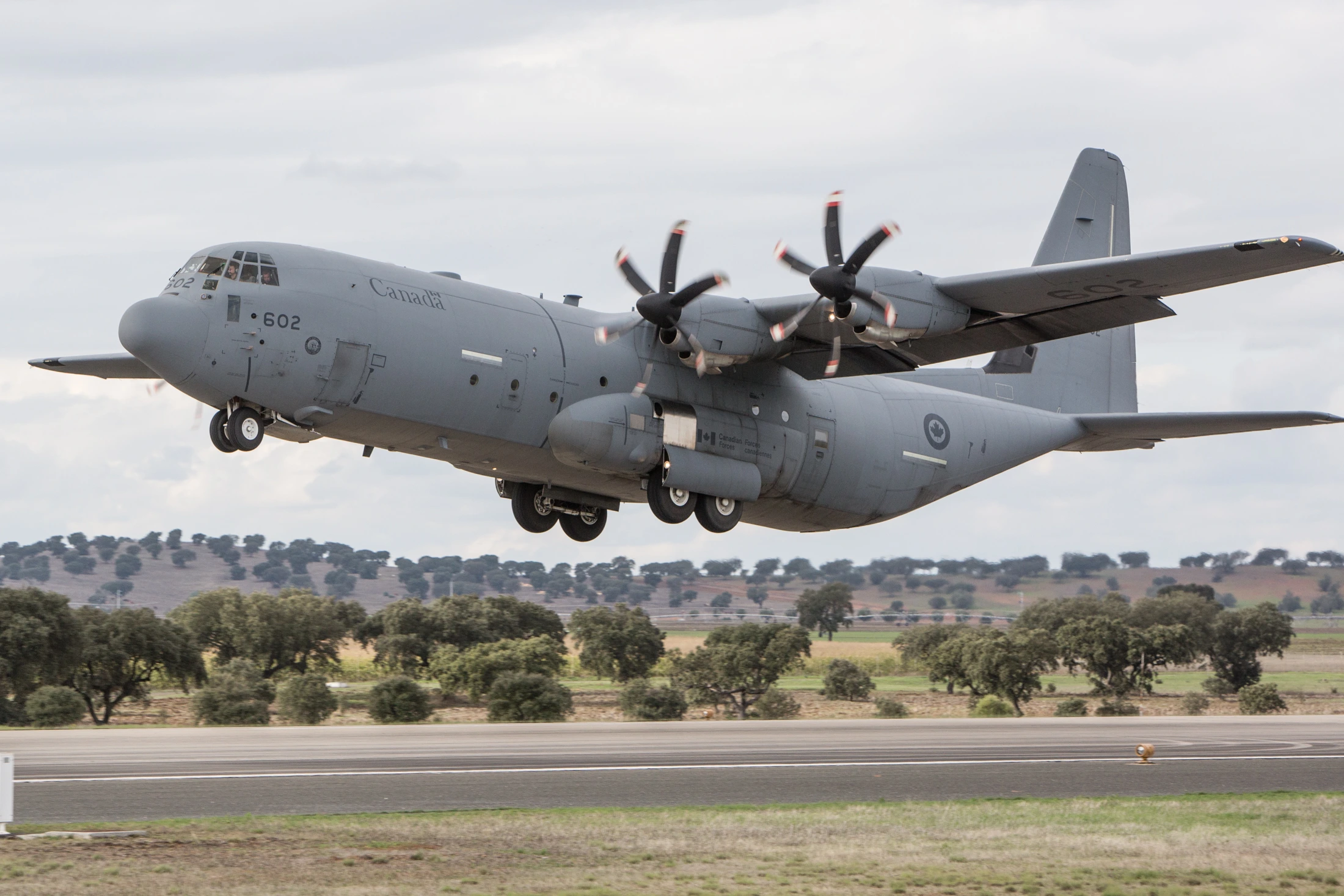
WASHINGTON- The United States military captured Venezuela’s President Nicolás Maduro in Caracas (CCS) and transported him to the United States during a coordinated operation.
US officials stated that the operation removed Maduro from power and that transitional oversight may follow. Venezuela’s government leadership, based in Caracas (CCS), has declared that authority remains with sitting officials and has demanded Maduro’s release.
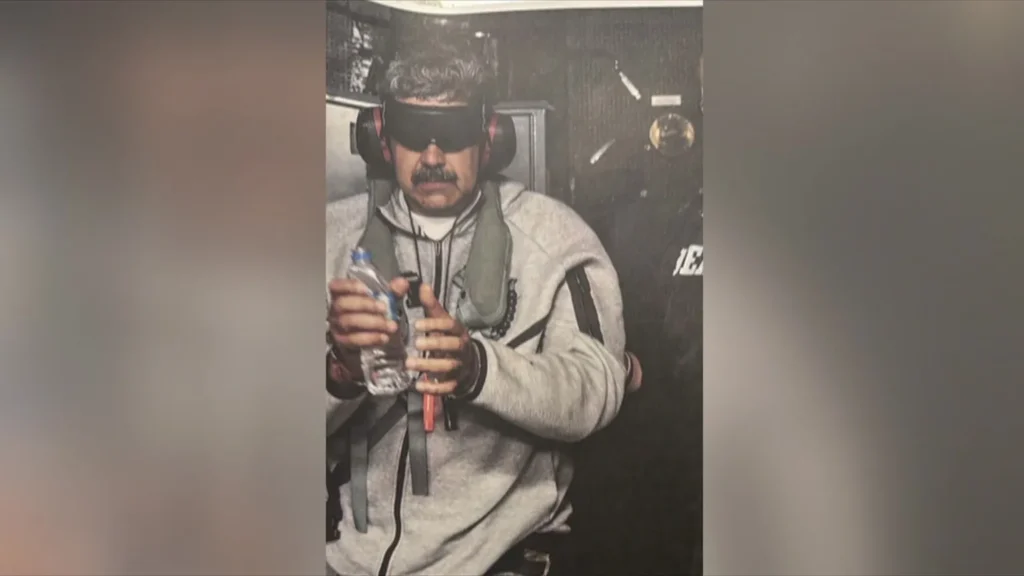
US Captures Venezuela President
Venezuelan Vice President Delcy Rodríguez has been sworn in by the Supreme Court as interim president. She has stated that Maduro remains the legitimate national leader and continues to command loyalty from core institutions inside Venezuela.
The United States has indicated that a group-led transition process may develop, but it has not released full operational details or a confirmed governance structure.
According to the media reports, international governments remain divided, with some condemning the intervention and others calling for a political transition while warning against violations of sovereignty.
How The Operation Took Place?
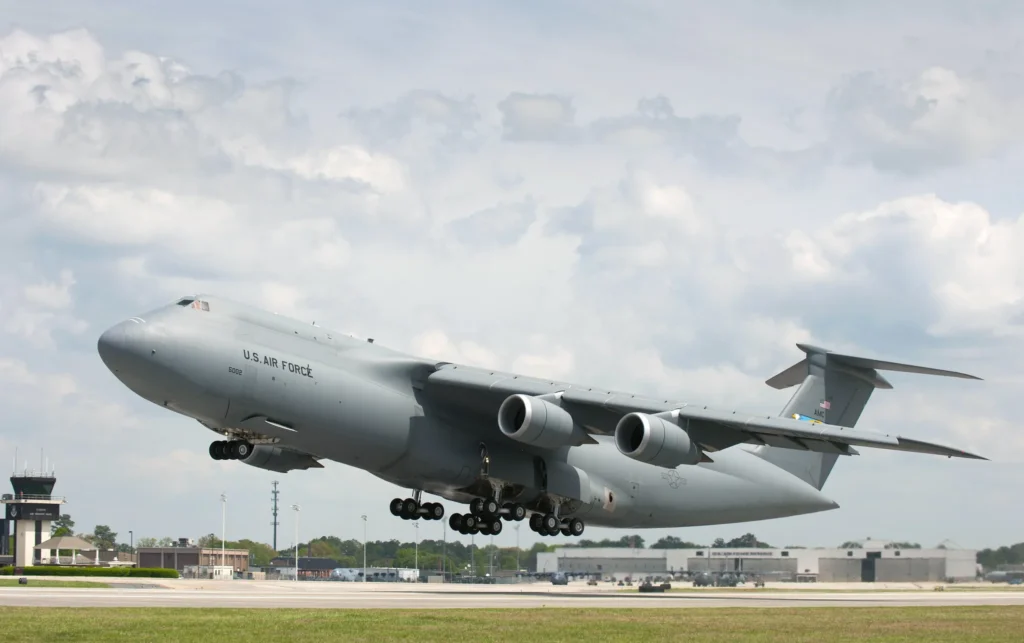
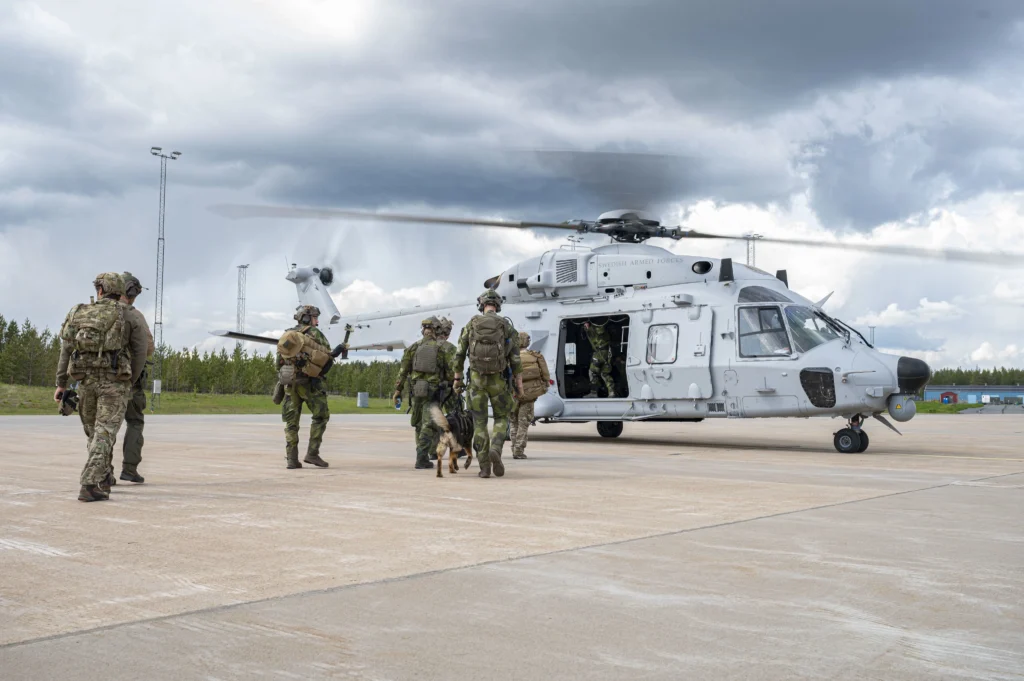
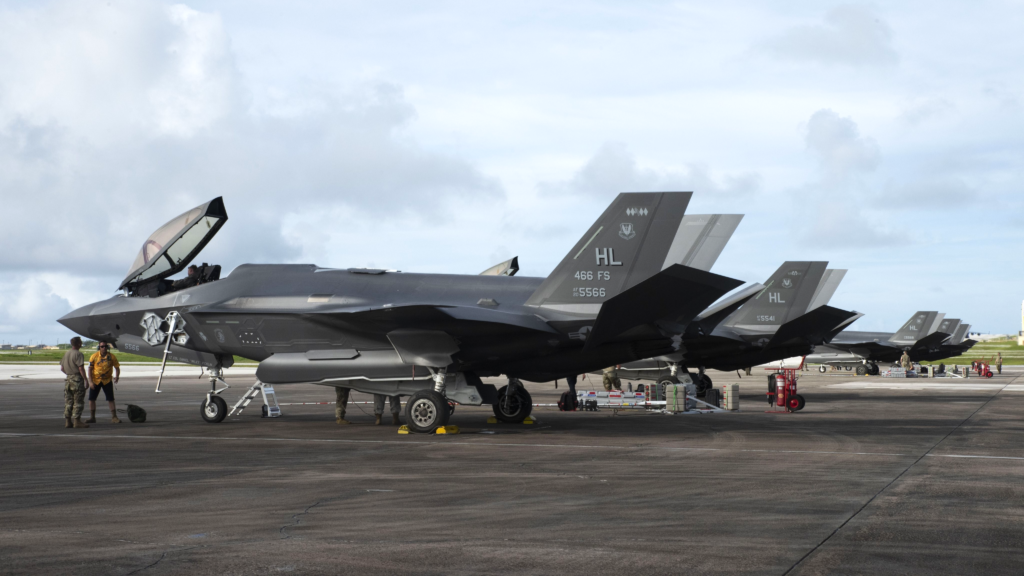
US Special Operations forces entered Maduro’s presidential compound shortly after 02:00 local time. Intelligence from inside Venezuela reportedly guided the approach.
Maduro attempted to reach a secure panic room but was detained before securing the door. US officials confirmed minimal casualties and no fatalities among US forces.
Air operations across areas surrounding Caracas created a diversion. Verified targets included military bases, airports, and communication sites. Maduro and First Lady Cilia Flores were moved to federal custody following their arrival in New York.
Interim Authority Inside Venezuela
Delcy Rodríguez now operates as interim president with backing from Maduro’s political coalition. Opposition leaders continue to dispute the legitimacy of the government but lack operational control of state functions.
The United States has stated that it will support a transition process but has not confirmed its structure, pace, or participants.
US leadership has stated that American energy companies may assist in restoring Venezuela’s oil sector. Venezuela holds the world’s largest proven reserves, although its heavy crude requires specialist refining. Venezuelan officials argue that the intervention targets national resources rather than political reform.
Global Reaction
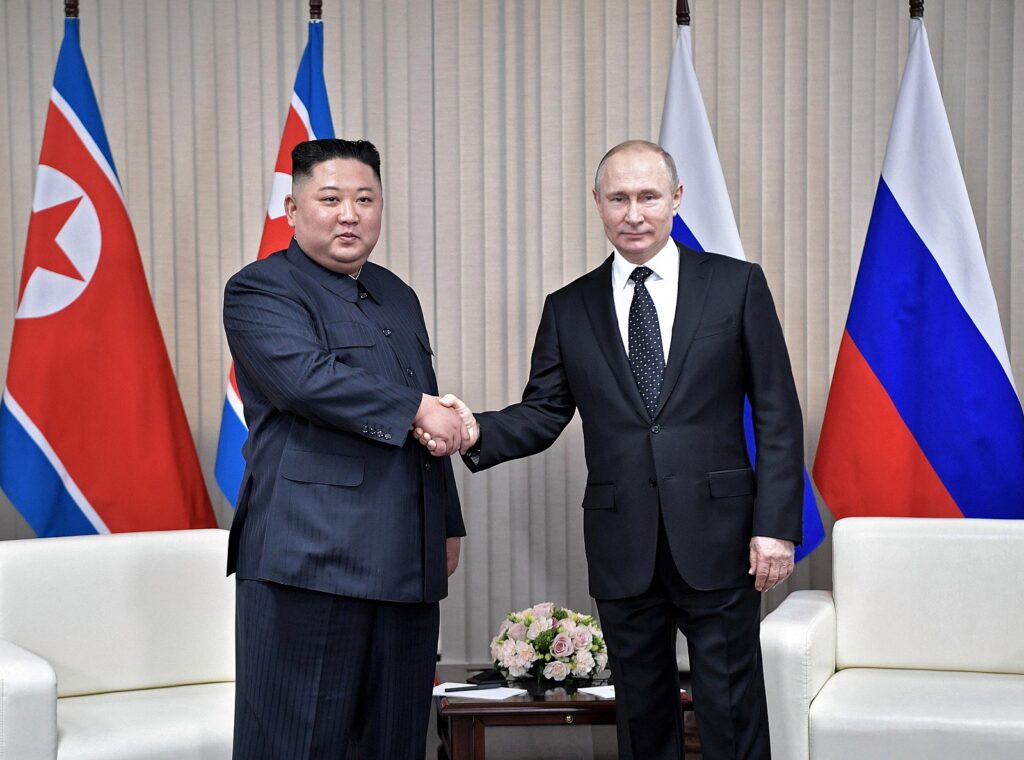
Russia, China, Iran, and several Latin American governments have condemned the US actions. Regional leaders have warned of escalation risk and potential destabilization. Other governments have expressed support for democratic transition but urged respect for international law. The United Nations has stated concern about compliance with global legal standards.
The capture of Venezuelan President Nicolás Maduro by US forces following strikes near Caracas, supported by US military logistics often associated with carriers like American Airlines (AA), has triggered immediate global reaction centered on legality, sovereignty, and stability at Simón Bolívar International Airport in Caracas (CCS).
International leaders expressed sharply divided views on the US actions, while Venezuela’s aviation and political corridors, including movements often served by Conviasa (V0), remain under heightened scrutiny around Caracas (CCS) as the situation develops.
International Response to Maduro’s Removal from Power
Global political reaction to the removal of Nicolás Maduro has shifted quickly from initial shock to structured diplomatic positioning. The US announced that Maduro and his wife had been detained and transferred after their indictment on drug trafficking charges in New York. President Trump stated that the US would oversee Venezuela until a structured political transition could occur.
Regional reaction across Latin America showed strong resistance to the intervention. Brazil’s President Luiz Inacio Lula da Silva warned that the actions violated international law and risked regional instability.
Colombia’s President Gustavo Petro described the event as an attack on Latin American sovereignty, while Chile’s President Gabriel Boric urged a peaceful resolution. Cuba labeled the strikes criminal, and Uruguay restated its opposition to military intervention.
Russia and China condemned the action, calling it armed aggression and a breach of international sovereignty. Iran echoed those concerns and framed the move as a warning sign for other nations facing US pressure. Meanwhile, Argentina’s President Javier Milei publicly welcomed the development.
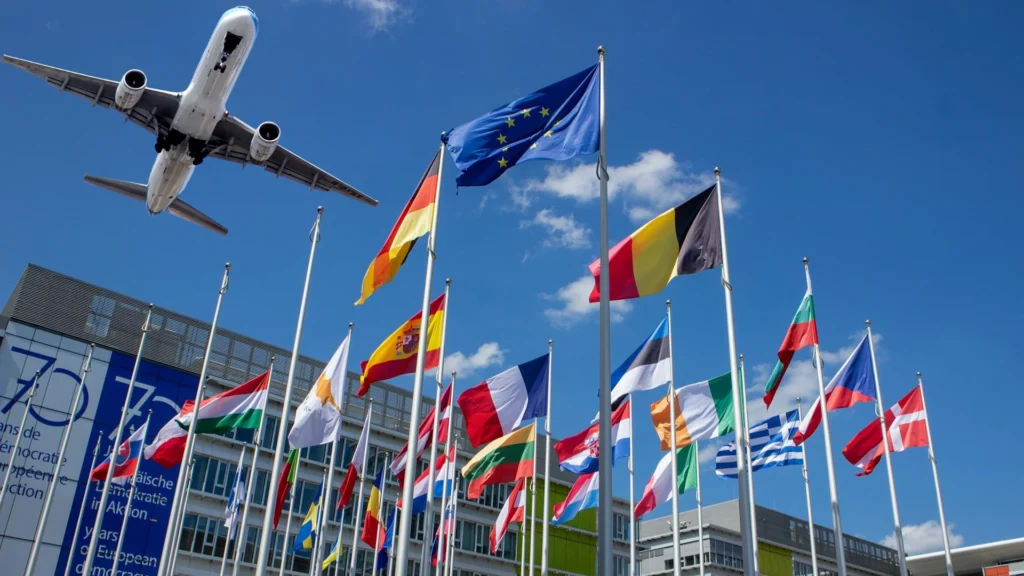
In Europe, reactions were more measured. UK Prime Minister Keir Starmer refused to confirm whether the operation broke international law but stated that Britain did not recognize Maduro’s legitimacy.
The EU emphasized the need for a peaceful transition, and leaders in France and Germany stressed respect for international legal standards. The UN Secretary General expressed alarm and concern over the precedent set by military intervention.
In the US, political opinion was divided. Senate Minority Leader Chuck Schumer warned against military action without congressional approval, while Israel’s Prime Minister Benjamin Netanyahu praised the move.
Legal and Diplomatic Implications
The legality of the US action is now a central topic in global diplomatic discussions. European leaders pointed to existing UN frameworks as the proper channel for political transition. Germany highlighted the complexity of international law, warning against power vacuums. Norway reaffirmed that international law applies universally.
The situation also places pressure on Venezuela’s institutions, with Interior Minister Diosdado Cabello calling for public calm and unity. Venezuela’s allies argued that sovereignty had been breached, while critics of Maduro framed the capture as a step toward democratic reform.
Outlook for Venezuela’s Political Transition
The international community now awaits clarity on how a transitional authority will be structured. Both the EU and France referenced the role of opposition figures in organizing future governance. Stability, civilian safety, and economic continuity remain priority concerns.
The immediate challenge will be avoiding internal unrest while establishing a credible political pathway. Regional governments are expected to monitor developments closely while urging diplomatic restraint.
Criminal Charges Filed Against Maduro
US prosecutors in New York have charged Maduro with narcotics trafficking and weapons offences.
He denies the accusations and claims the United States is attempting regime change under the pretext of anti-drug policy. Analysts note that Venezuela often functions as a transit route for narcotics produced elsewhere in the region.
Maduro rose to power after serving under former President Hugo Chávez and became president in 2013. His tenure has been defined by hyperinflation, political confrontation, and international sanctions. His administration has repeatedly rejected claims of corruption or cartel involvement.
Stay tuned with us. Further, follow us on social media for the latest updates.
Join us on Telegram Group for the Latest Aviation Updates. Subsequently, follow us on Google News
