

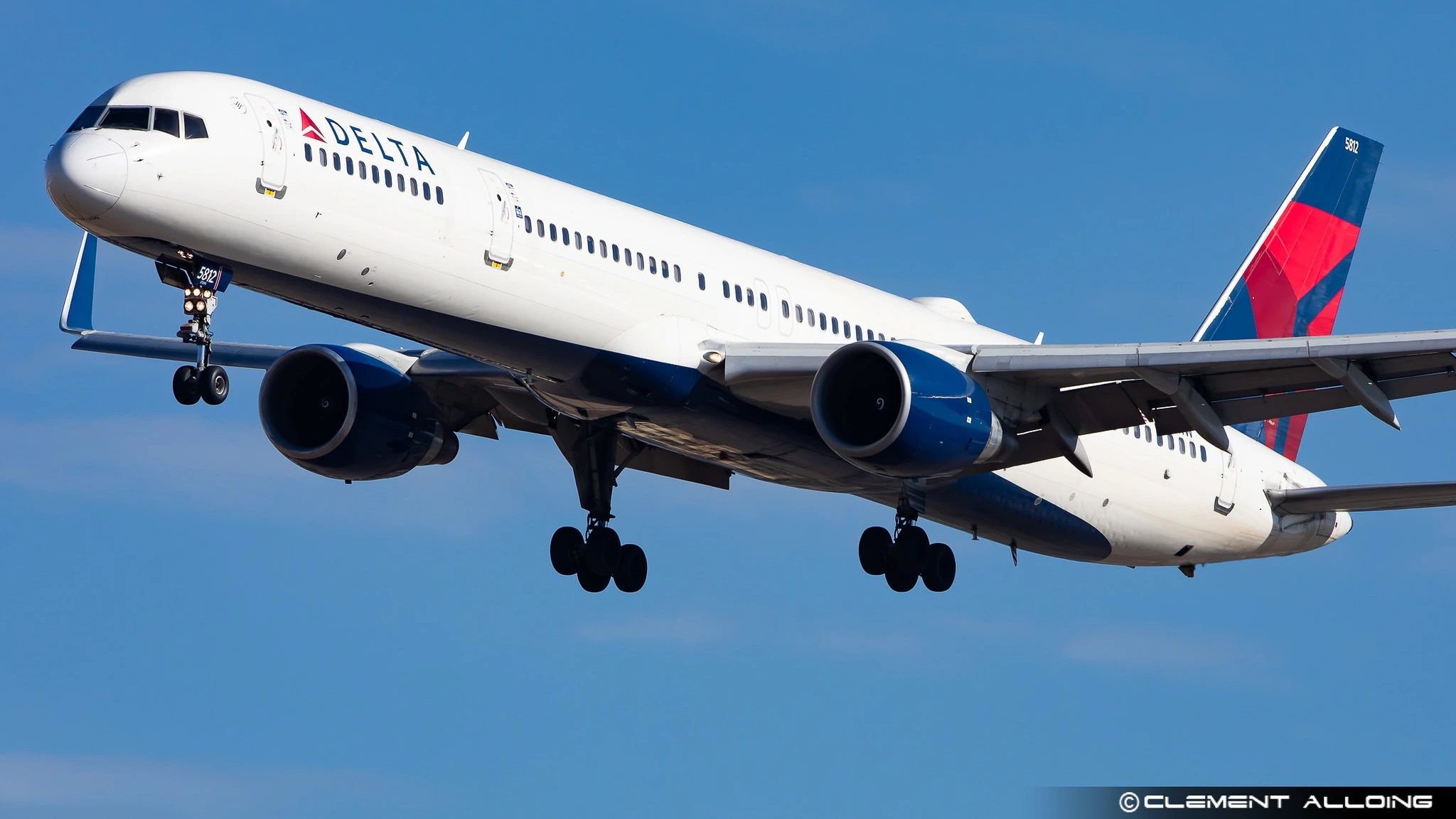
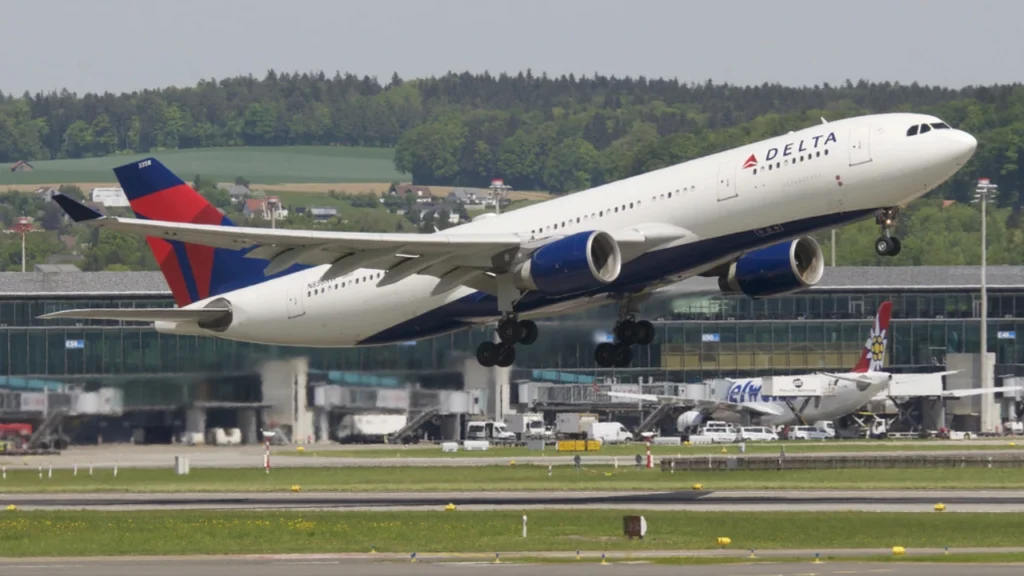
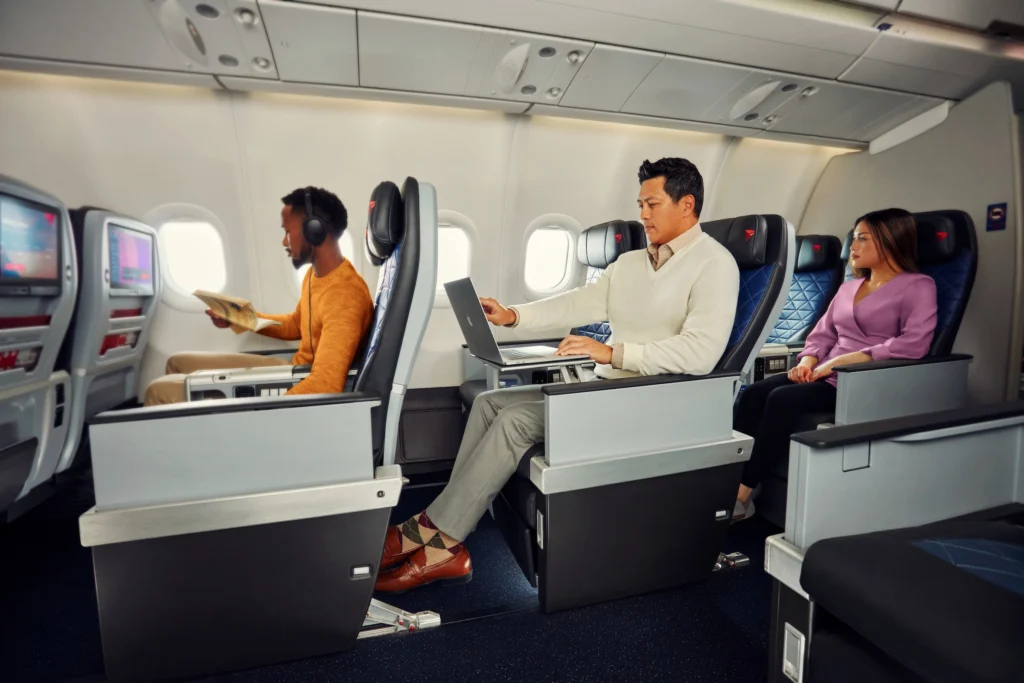
ATLANTA- A passenger on a Delta Air Lines (DL) flight in the Comfort+ cabin was filmed using a curling iron during the flight. Delta operates its main hub at Atlanta (ATL), where most aircraft feature in-seat power outlets that can supply devices during travel.
The short video shows the traveler styling her hair section by section while plugged into the onboard outlet. This has reopened the discussion about what is allowed on board compared with what is simply permitted in carry-on baggage, ViewfromtheWing reported.
Delta Passenger Curls Her Hair
Delta Air Lines equips most mainline aircraft with AC outlets so passengers can charge small electronics while traveling. The presence of power outlets does not automatically allow the use of every type of powered device.
Plug-in curling irons are permitted by the Transportation Security Administration (TSA) for both carry-on and checked baggage. Separate rules apply to cordless versions that use lithium batteries or butane cartridges, which may face limits based on fuel or battery type.
Airlines, however, maintain independent rules governing device use during flight. Heating appliances introduce a burn and fire risk in a confined cabin, so many legal items to transport are still not meant to be used while airborne.
Delta’s policy does not specifically list curling irons among prohibited inflight devices, although it does address hair dryers and straighteners in the context of proper packing.
Cabin crew hold final authority on whether an item may be used on board. Delta’s Contract of Carriage allows staff to intervene where behavior may create a hazard, disrupt safety, or unreasonably disturb others. In this case, crew discretion would determine whether the curling iron must be unplugged.
Safety And Passenger Etiquette
The use of a heated styling tool while seated presents obvious concerns. A hot surface in a tight space could cause burns, damage cabin materials, or startle nearby passengers. Movement during turbulence further increases risk.
The incident also highlights a broader trend of travelers plugging in unconventional devices such as desktop computers, power strips, or sewing equipment when outlets are available. Airlines continue to balance passenger convenience with the need to maintain a safe, orderly cabin environment.
Passengers are allowed to transport most personal care devices if they meet airport security rules. That does not guarantee approval for use during the flight. The safest approach is to limit power outlet use to low-risk items such as phones, tablets, or laptops and to follow all crew instructions immediately.
Clear guidance from airlines on what is and is not acceptable can help prevent confusion. At the same time, passengers benefit from exercising good judgment in shared spaces where safety and comfort depend on everyone’s behavior.
Similar Incident
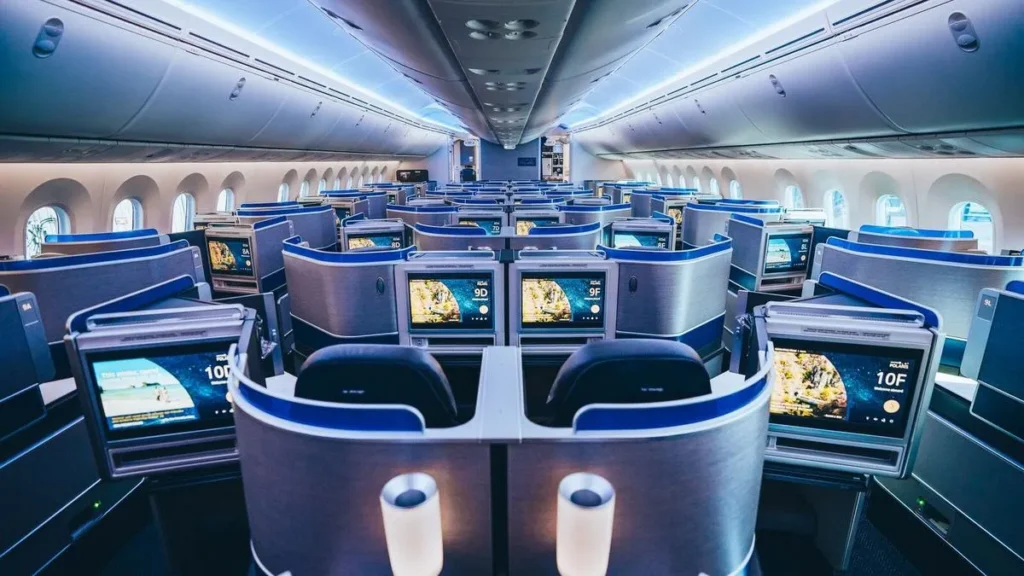
A passenger on a United Airlines (UA) flight recently surprised fellow travelers by setting up a full-sized Apple iMac while seated in coach. The incident took place on a domestic US service, where airports such as Chicago O’Hare (ORD) are among those regularly served by the airline.
The traveler managed the setup thanks to an exit row seat and an empty middle seat, along with seat power that allowed the desktop computer to operate in flight.
Working in a Coach with a Desktop Computer
The airline’s standard economy class offers approximately 30 inches of seat pitch, which normally makes working with large devices impractical. In this case, the additional legroom in the exit row created enough usable space for the iMac to rest safely and be used without disturbing nearby passengers. The absence of a seatmate in the middle seat further reduced any inconvenience.
Seat power availability was another key factor. Without a charging capability, the device would not have remained usable for the duration of the flight. Many modern aircraft now offer in-seat power outlets, though their placement and consistency still vary by fleet type and aircraft age.
The event drew attention because desktop computers are rarely transported for use in flight. Most passengers rely on laptops or tablets, which are lighter and easier to manage within the confined seating footprint in economy cabins.
Thirty years ago, inflight power and portable computers were not widely available. Desktop machines were occasionally carried as personal items, particularly by academic or professional travelers, but could not realistically be used onboard. Today, compact laptops dominate business and study travel, making the use of a full desktop system notable due to its rarity.
Stay tuned with us. Further, follow us on social media for the latest updates.
Join us on Telegram Group for the Latest Aviation Updates. Subsequently, follow us on Google News
