


SALT LAKE CITY- The parents of Kyler Efinger, a 30 year old Park City resident whose death occurred in a Delta Air Lines (DL) jet engine at Salt Lake City International Airport (SLC) on January 1, 2024, filed a wrongful death lawsuit against the city on January 1, 2026.
Judd and Lisa Efinger allege negligence in airport design and response during their son’s manic episode tied to his 10 year battle with bipolar disorder.
The suit, filed in Salt Lake County’s 3rd District Court and seeking a jury trial, claims preventable lapses allowed Kyler to access the tarmac and reach a taxiing Airbus A220-100, prompting demands for safety reforms.
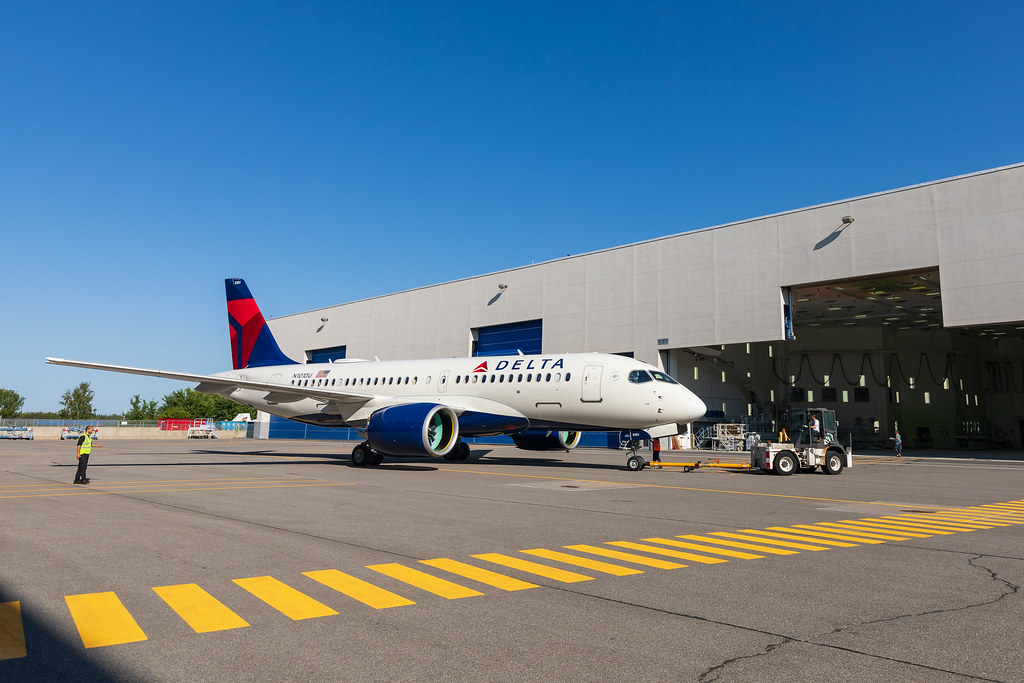
Delta Air Lines A220 Engine Death Lawsuit
On January 1, 2024, Kyler Efinger arrived at Salt Lake City International Airport (SLC) to catch a Delta Air Lines (DL) flight to Denver, Colorado, where he planned to visit his sick grandfather. He never boarded the aircraft.
According to the lawsuit, Efinger had been living with bipolar disorder for approximately 10 years and occasionally experienced manic episodes that caused disorientation.
On the night of his death, he left his departure gate at around 9:00 PM and began acting erratically, as captured by airport surveillance footage.
Video evidence shows Efinger walking and running along moving walkways, at times against the normal flow of passengers. At approximately 9:30 PM, he entered the Utah Jazz retail store inside the terminal.
Store staff later told investigators that his behavior was so unusual that the manager sold him a jersey for less than half its listed price in order to complete the transaction quickly.
After Efinger left the store, the manager noticed that he had abandoned his suitcase. Airport Operations was contacted, and two public announcements were made requesting the owner to return.
Efinger eventually came back to the store, appearing increasingly agitated. He was barefoot, shouted at the manager about his bag, and demanded a refund for the jersey. When the manager offered to process the refund, Efinger fled the store again.
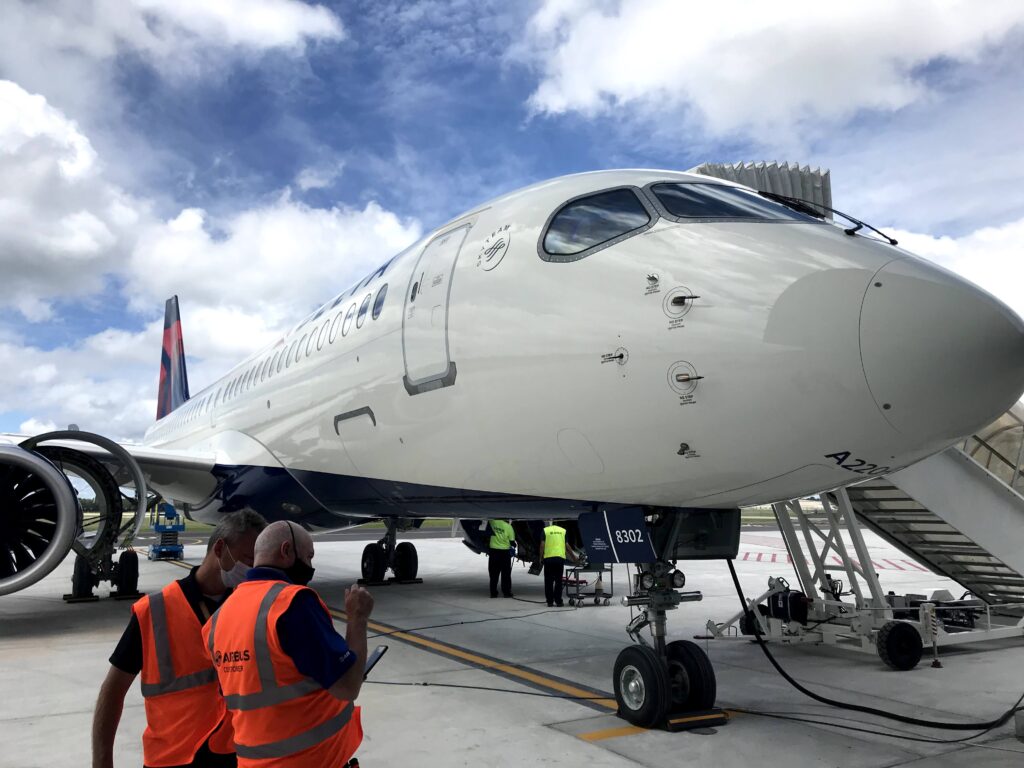
Escalating Behavior and Missed Intervention
Shortly after leaving the store, cleaning staff reported seeing Efinger lying face-down across the handrail of a moving walkway.
The same staff members also allegedly observed him attempting to open doors at several airport gates.
Despite these visible warning signs, the lawsuit claims that law enforcement was not proactively notified about his behavior at this stage.
At approximately 9:52 PM, Efinger succeeded in opening an emergency exit door that led into a restricted area of the airport.
The family claims that the door lacked a delayed-opening mechanism and failed to automatically alert airport officials when it opened.
Airport officials reported a possible security breach, but someone initially gave responding police officers incorrect information. They were told that the breach occurred at Gate A31, when Efinger had actually exited through Gate A4.
The lawsuit states that officers took roughly 10 minutes to learn which door someone had actually accessed.
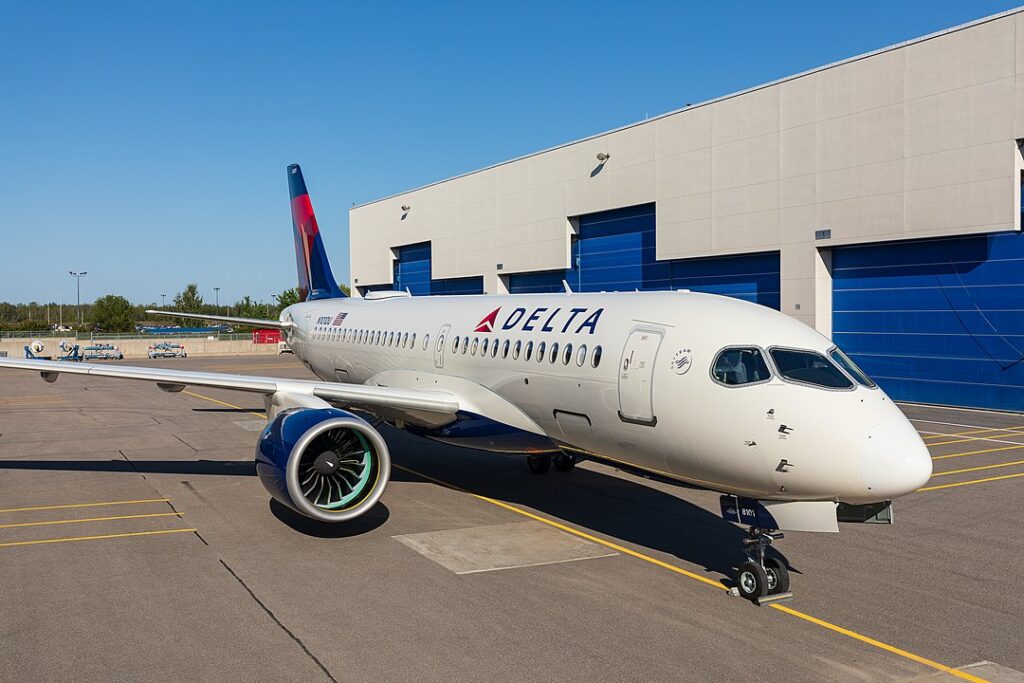
Security Breakdown on the Ramp Area
By the time officers corrected the location error, Efinger had reached the airport’s outside ramp area through a second door that, according to the lawsuit, had no access control measures.
Despite the confirmed breach, airport operations reportedly continued as normal. No one informed the pilots, air traffic controllers, or ground crews that a trespasser was on the airfield.
At around 10:07 PM, Efinger ran toward a Delta Air Lines Airbus A220 that had just been deiced and cleared to taxi for departure.
As the aircraft began moving away from the deicing pad, the pilot noticed Efinger approaching and shut down the engines.
Although the engines had powered down, the blades still spun partially. Efinger climbed into the engine cowling, and the rotating blades caught his dreadlocked hair. Medics pronounced him dead at the scene.
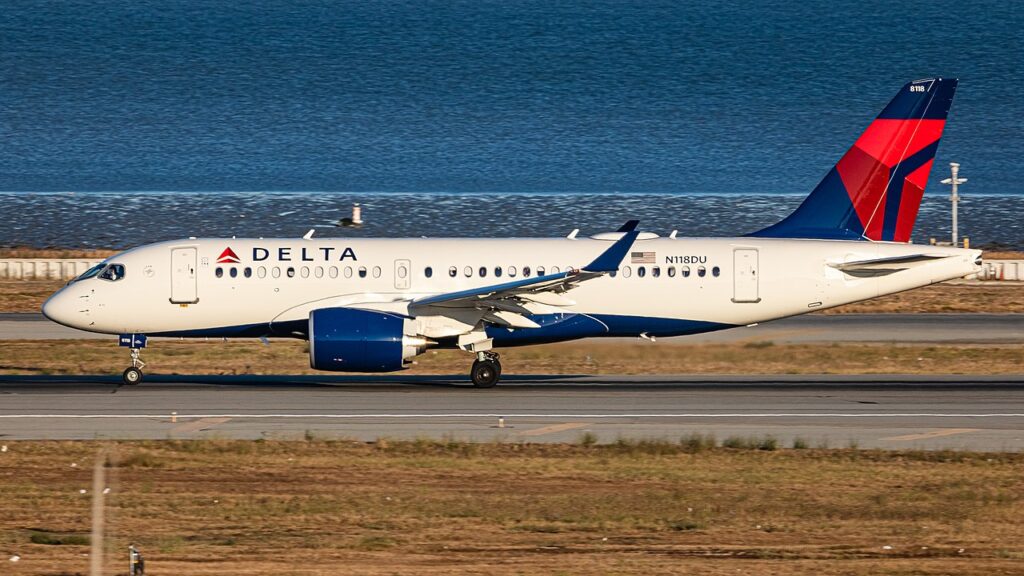
Family Alleges Airport Negligence
The lawsuit accuses the airport operator of multiple failures that the family says directly contributed to Efinger’s death.
These include not alerting law enforcement sooner despite clear signs of distress, inadequate emergency exit safeguards, and unrestricted access to the ramp area.
The family also alleges that poor communication between airport officials and police severely delayed the response and that neither air traffic control nor flight crews were warned of the security breach until it was too late.
According to FOX 13, the complaint describes the airport as dangerously designed and operated.
The lawsuit states that the family is seeking compensation for their loss and pushing for systemic changes to prevent similar incidents.
“Plaintiffs bring this suit to obtain redress for their unfathomable loss and to prevent future tragedies,” the complaint reads.
Stay tuned with us. Further, follow us on social media for the latest updates.
Join us on Telegram Group for the Latest Aviation Updates. Subsequently, follow us on Google News
